

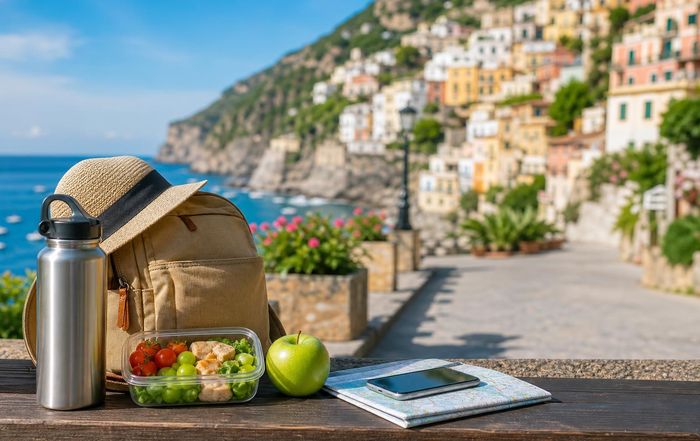
Healthy Travel Habits for Busy Sightseeing Days
Travelers who love full itineraries often measure a day's success by how many neighborhoods, museums, viewpoints, and cafés they manage to experience before sunset. Yet the most memorable journeys are rarely defined only by checklists; they are shaped by how well the traveler's body and mind keep pace with their curiosity. As international travel rebounds and people once again fill the streets of cities from New York to Tokyo, cultivating healthy travel habits for busy sightseeing days has become an essential skill rather than a luxury.
This article explores how travelers can sustain their energy, safeguard their health, and deepen their enjoyment of destinations, drawing on current research, expert guidance, and the practical experience that underpins WorldWeTravel's approach to thoughtful, wellness-conscious exploration.
Rethinking the "Perfect" Sightseeing Day
The classic image of a perfect sightseeing day often involves an early wake-up, a quick coffee, a packed sequence of attractions, and a late dinner squeezed in before collapsing into bed. While this schedule can feel exhilarating, it often leads to dehydration, poor nutrition, sleep disruption, and mental overload, which in turn increase the risk of illness, injury, and burnout during or after the trip.
Health organizations such as the World Health Organization highlight that even short-term changes in routine, sleep, and diet can influence immunity, mood, and cardiovascular health, especially when combined with heat, long walks, and time zone shifts. Research published in journals indexed by PubMed has repeatedly linked adequate hydration, balanced meals, and moderate physical activity to improved cognitive performance and emotional regulation, all of which directly affect how travelers perceive and remember their experiences.
For WorldWeTravel readers, the goal is not to turn a vacation into a medical regimen, but to make small, sustainable adjustments that protect health while preserving spontaneity and joy. By reframing a "perfect" day as one in which energy, comfort, and curiosity remain steady from morning to night, travelers can enjoy more meaningful engagement with local culture, cuisine, and people.
Building a Foundation: Sleep, Jet Lag, and Daily Rhythm
Healthy sightseeing days begin long before the first landmark. Sleep quality and circadian rhythm strongly influence how much a traveler can comfortably see and do, particularly on multi-day itineraries. Guidance from the U.S. Centers for Disease Control and Prevention (CDC) and sleep research centers such as the National Sleep Foundation emphasizes consistent sleep duration, strategic light exposure, and gradual schedule adjustments to mitigate jet lag.
For intercontinental trips, shifting bedtime and wake time by 30 to 60 minutes per day in the week before departure can help the body adapt more smoothly to a new time zone. On arrival, seeking natural daylight in the morning and limiting bright screens at night can accelerate circadian alignment. Travelers can explore more detailed recommendations through resources such as the National Sleep Foundation or the American Academy of Sleep Medicine, which outline evidence-based strategies for managing jet lag and sleep disruptions.
On the ground, it is helpful to structure the day around the body's natural energy cycles. Many people feel most alert mid-morning and mid-afternoon, making these windows ideal for museum visits, guided tours, or hikes. Early afternoons, especially in hot climates, can be reserved for quieter activities such as café breaks, short naps, or visits to air-conditioned galleries. Thoughtful hotel selection also plays a role; travelers can consult WorldWeTravel's dedicated hotels guide to find properties that prioritize comfortable bedding, quiet rooms, and wellness-oriented amenities, which collectively support restorative sleep.
Hydration and Nutrition on the Move
One of the most common health pitfalls on busy sightseeing days is inadequate hydration combined with erratic eating. Long walks, heat, and excitement often suppress the perception of thirst, while reliance on sugary drinks or alcohol can further dehydrate the body. According to the European Food Safety Authority and the Mayo Clinic, even mild dehydration can cause headaches, fatigue, and reduced concentration, undermining the enjoyment of complex cultural sites or scenic hikes.
Carrying a reusable water bottle is a simple but powerful habit, especially in regions with widely available potable tap water such as much of Western Europe, North America, and parts of East Asia. Travelers can consult local tourism boards, for example VisitBritain or Germany's National Tourist Board, to confirm water safety in specific cities. When tap water is not recommended, sealed bottled water or filtered options are prudent. In hot climates or during high-intensity walking days, adding oral rehydration salts or electrolyte tablets, particularly those that are low in sugar, can help maintain fluid and mineral balance, a practice supported by guidelines from the World Health Organization on hydration in warm environments.
Nutrition is equally vital. Skipping breakfast or relying exclusively on pastries and fast food may satisfy short-term cravings but often leads to energy crashes. Many nutrition experts, including those referenced by the Harvard T.H. Chan School of Public Health, advocate for balanced meals that include complex carbohydrates, protein, and healthy fats to provide sustained energy. In practical terms, this might mean combining local specialties with simple, nutrient-dense options: yogurt and fruit alongside a croissant in Paris, rice and vegetables with grilled fish in Bangkok, or whole-grain bread with cheese and salad in Berlin.
Travelers can further support their health by keeping small, portable snacks such as nuts, seeds, fruit, or minimally processed energy bars in their day packs. This approach prevents the "hanger" that can derail family outings and helps avoid over-ordering at late meals. For more ideas on structuring food choices while exploring new destinations, WorldWeTravel readers can consult the site's broader travel insights, which emphasize flexible, culturally sensitive approaches to eating well on the road.
Walking, Movement, and Injury Prevention
Busy sightseeing days often involve far more walking than travelers typically do at home. In cities like London, Rome, or Tokyo, it is common to exceed 15,000 steps before dinner, especially when public transport and walking are combined. While this level of activity can be beneficial, the American College of Sports Medicine notes that sudden increases in daily steps, particularly in unsupportive footwear, raise the risk of blisters, joint pain, and overuse injuries.
Selecting appropriate footwear is therefore one of the most impactful decisions a traveler can make. Shoes should be well-broken-in, supportive, and suited to the terrain, whether that means cushioned sneakers for urban exploration, supportive sandals for tropical climates, or lightweight hiking shoes for cobblestone streets and hill towns. Reputable resources such as REI Co-op's footwear guides and Runner's World shoe reviews can help travelers evaluate options based on arch support, cushioning, and durability.
Stretching before and after long walking days, especially for the calves, hamstrings, and hip flexors, may reduce muscle stiffness, according to guidance from organizations like the American Physical Therapy Association. Short "micro-breaks" every hour, where travelers briefly sit, stretch, or change posture, can also help maintain comfort, particularly for those with back or knee sensitivities. Incorporating gentle movement such as morning mobility exercises or evening yoga, perhaps using videos from trusted platforms like Yoga Journal, supports recovery and prepares the body for subsequent days of exploration.
For travelers planning active itineraries that include hiking, cycling, or water sports, WorldWeTravel's destinations section provides inspiration for regions that combine cultural richness with accessible outdoor experiences, allowing visitors to diversify their movement patterns and reduce repetitive strain from constant city walking.
Sun, Heat, and Weather Awareness
Many of the world's most popular destinations, from Spain and Italy to Thailand and Australia, offer abundant sunshine, which enhances photographs but can strain the body. Prolonged sun exposure without adequate protection increases the risk of sunburn, heat exhaustion, and, over time, skin cancer. Public health authorities such as Cancer Research UK and the Skin Cancer Foundation emphasize the importance of broad-spectrum sunscreen, protective clothing, and shade, especially during midday hours.
On busy sightseeing days, practical strategies include applying a high-SPF, broad-spectrum sunscreen before leaving the hotel and reapplying every two hours or after heavy sweating; wearing a wide-brimmed hat and UV-blocking sunglasses; and choosing lightweight, breathable clothing that covers shoulders and knees, which is often also respectful of cultural norms at religious sites. In very hot or humid climates, scheduling indoor attractions or shaded parks for the hottest part of the day can prevent overheating. Travelers can monitor local weather and heat advisories through national meteorological services such as the U.S. National Weather Service, the UK Met Office, or Météo-France, and adjust plans accordingly.
Cold, windy, or wet conditions pose different challenges, particularly in northern regions like Scandinavia or alpine areas of Switzerland. Layered clothing, waterproof outerwear, and insulated footwear can preserve comfort and reduce the risk of hypothermia or illness. Public health agencies, including the Public Health Agency of Canada, advise paying attention to wind chill and precipitation forecasts when planning outdoor activities in winter or shoulder seasons.
By aligning sightseeing plans with weather patterns rather than rigid itineraries, travelers can stay healthier and more comfortable, while also discovering indoor cultural gems such as museums, galleries, and cafés that they might otherwise overlook. The culture section on WorldWeTravel offers suggestions for weather-friendly cultural experiences across continents.
Mental Well-Being and Sensory Overload
Travel is inherently stimulating. New languages, unfamiliar transit systems, crowded attractions, and dense urban soundscapes can enrich the senses but also overwhelm them, especially for travelers prone to anxiety or sensory sensitivity. Mental health organizations such as Mind in the UK and the American Psychological Association underscore that managing stress proactively helps maintain resilience and enjoyment during demanding days.
One effective strategy is to build "quiet anchors" into each day: a morning walk in a park before tackling busy markets, a mid-afternoon coffee in a calm side street rather than the main square, or a brief visit to a less frequented museum or library. Many major cities, including New York, London, and Singapore, maintain extensive networks of public green spaces, highlighted by organizations like Project for Public Spaces and local tourism boards, which provide restorative environments that contrast with crowded tourist zones.
Mindfulness practices, even in short forms, can help travelers remain present and reduce anxiety. Simple breathing exercises, five-minute meditations, or journaling sessions in a café can anchor the day. Reputable resources such as Headspace and UCLA Health's Mindful Awareness Research Center offer free or low-cost guided practices that can be downloaded before departure and used offline.
For families, mental well-being also involves recognizing the different energy levels and interests of children and adults. Over-scheduling can quickly lead to fatigue and conflict. WorldWeTravel's family travel guidance emphasizes flexible itineraries, age-appropriate activities, and regular breaks, all of which reduce stress and foster positive shared memories.
Healthy Habits in Hotels and Accommodations
Accommodations serve as the base camp for every busy sightseeing day, and subtle choices here can significantly influence overall health. Many modern hotels and serviced apartments now integrate wellness features such as blackout curtains, adjustable room temperatures, fitness centers, and access to healthy breakfast options. When selecting a property, travelers may wish to consider proximity to parks or waterfronts, availability of quiet rooms away from elevators or nightlife, and the presence of kitchenettes for preparing simple, nutritious meals.
Trusted hotel review platforms like Booking.com, Tripadvisor, and Hotels.com provide user feedback on noise levels, cleanliness, and amenities, which can guide informed choices. In parallel, the hotels section on WorldWeTravel highlights properties and regions where wellness and comfort are prioritized, enabling travelers to align their lodging with their health priorities.
Within the room, small habits can improve well-being. Keeping a consistent bedtime, dimming lights an hour before sleep, and using earplugs or white noise apps in noisy environments can support sleep quality. Wiping down high-touch surfaces with disinfectant wipes, especially during cold and flu seasons, aligns with hygiene recommendations from the CDC and other public health agencies. When possible, opening windows for fresh air, provided it is safe and permitted, can also refresh the environment.
Family-Friendly Health Strategies for Sightseeing Days
Families traveling with children or older relatives face additional considerations. Children often have shorter attention spans and different nutritional needs, while older adults may manage chronic conditions or mobility limitations. Organizations such as UNICEF and pediatric associations stress the importance of regular hydration, sun protection, and rest for children, who may not recognize early signs of fatigue or heat.
Planning family sightseeing days around a mix of structured and unstructured time can help. For example, combining a morning museum visit with an afternoon playground stop or beach outing allows children to expend energy in age-appropriate ways. In cities like Amsterdam, Copenhagen, and Vancouver, extensive cycling infrastructure and family-friendly parks provide natural opportunities for active play. WorldWeTravel's family travel resources offer region-specific suggestions for balancing educational and recreational activities.
For older travelers, accessible transportation options, frequent seating opportunities, and step-free access become crucial. Many major cities, including London, Singapore, and Tokyo, publish detailed accessibility information through their public transport authorities and tourism boards. The World Health Organization and national health services recommend that individuals with chronic conditions carry an updated medication list, sufficient supplies, and, when necessary, a doctor's letter explaining medical devices or prescriptions, particularly for international flights.
By designing itineraries that respect the needs of every family member, travelers can reduce stress, prevent conflict, and create inclusive experiences where all generations feel supported and engaged.
Sustainable and Eco-Conscious Healthy Habits
Healthy travel habits increasingly intersect with environmental responsibility. Choosing to walk, cycle, or use public transportation instead of taxis or private cars not only supports physical health but also reduces carbon emissions. Organizations such as the International Transport Forum and UN Environment Programme highlight the environmental benefits of active and public transport in urban areas.
Travelers can learn more about sustainable mobility and responsible tourism through resources like the Global Sustainable Tourism Council and UN World Tourism Organization, which provide frameworks for evaluating destinations and operators. On WorldWeTravel, the eco travel section explores ways to align personal well-being with environmental stewardship, including tips on low-impact activities, eco-certified accommodations, and community-based tourism initiatives.
Choosing reusable water bottles, cutlery, and shopping bags reduces single-use plastic consumption, while selecting local, seasonal foods supports regional economies and often results in fresher, more nutritious meals. In destinations such as Italy, Japan, and New Zealand, local markets and neighborhood eateries offer rich opportunities to sample traditional dishes prepared with regional ingredients, reinforcing both cultural immersion and healthy eating.
Practical Planning Tips for Health-Centered Sightseeing
Although spontaneity is part of travel's charm, a modest amount of planning helps safeguard health on intensive sightseeing days. Checking opening hours and pre-booking timed tickets for popular attractions can prevent long waits in line, which are physically draining and often involve standing in sun or rain. Official attraction websites, such as those for the Louvre Museum, Smithsonian Institution, or Uffizi Galleries, provide up-to-date information on schedules, crowd management measures, and accessibility.
Travelers can also benefit from reviewing local health guidance, including any current vaccination recommendations or public health advisories, through trusted sources like the CDC's Travelers' Health, UK NHS Fit for Travel, or Government of Canada's travel health pages. For those interested in combining work and leisure, the work and business travel insights and business section on WorldWeTravel outline strategies for maintaining productivity and well-being during trips that blend meetings with sightseeing.
Packing a small, destination-appropriate health kit that includes basic medications, plasters, sunscreen, hand sanitizer, and any personal prescriptions provides peace of mind and reduces the need to search for pharmacies during busy days. Reputable organizations such as the Red Cross and national health services offer guidance on assembling travel first-aid kits tailored to different climates and activity levels.
Integrating Technology Without Losing Presence
Digital tools have transformed how travelers navigate cities, find restaurants, and learn about local history. Map applications, translation tools, and health tracking apps can all support healthier sightseeing days when used thoughtfully. Navigation apps help identify walking routes through parks rather than along congested roads, while step counters and heart-rate monitors can alert travelers when they are overexerting themselves.
At the same time, constant device use can detract from the sensory richness of a destination. Digital well-being experts, including those cited by the Center for Humane Technology, encourage intentional use of smartphones, such as downloading offline maps and key information in advance, then keeping the device in a pocket or bag for extended periods. This approach allows travelers to remain present while still benefiting from technology's practical advantages.
For those interested in the evolving relationship between travel and digital tools, WorldWeTravel's technology section explores trends such as health-oriented travel apps, virtual tours that complement in-person visits, and digital tools for language learning that enrich cross-cultural encounters.
A Health-First Philosophy for Lifelong Travel
Healthy travel habits for busy sightseeing days are not about restriction; they are about creating the conditions in which curiosity, comfort, and connection can flourish. When travelers sleep well, stay hydrated, nourish their bodies, protect themselves from sun and weather, and manage stress, they are better able to appreciate the nuances of a street performance in Barcelona, the quiet beauty of a temple in Kyoto, or the layered history of a neighborhood in New York.
By integrating the guidance of reputable health organizations, the practical wisdom of experienced travelers, and the destination expertise that WorldWeTravel continually refines across its global insights, individuals and families can design days that are both full and sustainable. Whether exploring close to home or embarking on long-haul journeys across continents, a health-first philosophy transforms travel from a short-term escape into a lifelong practice of discovery, resilience, and well-being.