

How Technology Shapes Transportation in Japan
Japan: A Strategic Mobility Blueprint for the World
Japan has consolidated its role as one of the most advanced and instructive mobility ecosystems on the planet, offering a real-time demonstration of how technology, infrastructure, culture and policy can converge to reshape how people and goods move. For the global audience of WorldWeTravel.com, which spans leisure travelers, families, corporate decision-makers and policy analysts across North America, Europe, Asia-Pacific and beyond, Japan is no longer simply an efficient place to get from point A to point B; it is a strategic reference point for how transportation can underpin economic competitiveness, sustainable development and elevated travel experiences.
What distinguishes Japan in 2026 is not only the presence of high-speed rail, dense metro systems, smart stations, autonomous pilots and integrated payments, but the way these elements are orchestrated into a coherent, user-centric whole. While many countries, from the United States and United Kingdom to Germany, Singapore and Australia, are accelerating investment in next-generation transit, Japan's decades-long commitment to rail, urban planning and precision operations has produced an environment where technology is embedded into the daily rhythms of life and travel. For readers using WorldWeTravel's destination insights to design multi-city itineraries or benchmark best practices for their own cities and companies, Japan functions as a living laboratory where future-facing concepts are already routine.
The Shinkansen in 2026: High-Speed Rail as Economic and Experiential Infrastructure
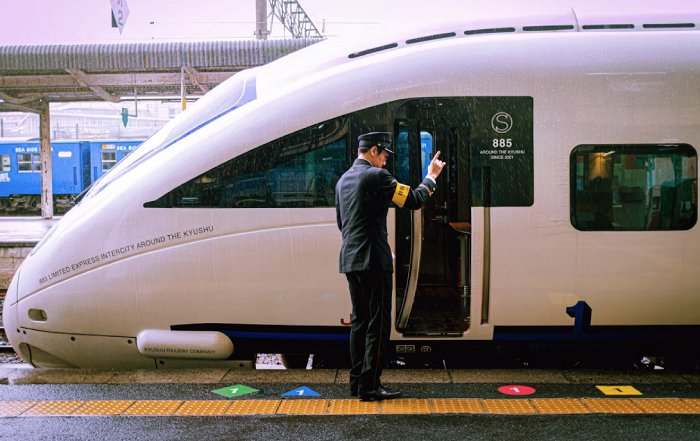
The Shinkansen remains the most visible symbol of Japan's technological leadership in transportation, but by 2026 it is also increasingly recognized as core economic infrastructure that shapes regional development, business productivity and tourism flows. With continuous upgrades to rolling stock, signaling and safety systems, the network that links Tokyo with Osaka, Nagoya, Fukuoka, Kanazawa and, progressively, Hokkaido, operates with a punctuality and reliability that global institutions such as the World Bank continue to cite as a benchmark for high-speed rail performance and governance.
For international travelers planning complex journeys through Japan using resources from WorldWeTravel's travel hub, the Shinkansen transforms what would otherwise be fragmented domestic itineraries into a seamless, high-precision experience. Executives can schedule morning meetings in Tokyo and afternoon sessions in Osaka with confidence that travel time will be predictable to the minute, while families can move between cultural centers such as Kyoto and Hiroshima without sacrificing comfort or safety. Analysts at the OECD and other policy bodies increasingly frame Japan's rail strategy as a model for how high-speed corridors can redistribute economic opportunity away from capital city dominance, and visitors riding these lines are effectively traveling through a living case study in regional integration.
Technologically, the Shinkansen in 2026 is defined by advanced predictive maintenance platforms, real-time monitoring of track and rolling stock conditions, and ever-more sophisticated earthquake detection and response systems that allow trains to decelerate or stop rapidly when seismic activity is detected. These capabilities, while often invisible to passengers enjoying quiet, stable cabins and reliable onboard connectivity, are critical to the trust that underpins Japan's mobility culture, and they reinforce the sense among WorldWeTravel.com readers that this is an environment where technology is deployed in service of both safety and user experience.
Urban Rail and Metro: Managing Density with Data and Discipline
Japan's major metropolitan regions-particularly Tokyo, Osaka, Nagoya, Yokohama and Fukuoka-continue to demonstrate in 2026 how high-density urban living can coexist with punctual, high-frequency public transport when technology and operational discipline are aligned. Operators including JR East, Tokyo Metro and Toei rely on real-time train control systems, advanced signaling and AI-driven demand forecasting to adjust frequencies, manage dwell times and optimize transfers across networks that carry tens of millions of passengers daily.
For business travelers and families who rely on WorldWeTravel's practical tips and planning insights, this means that even during peak hours, navigating Tokyo's labyrinthine network is more a matter of following clear digital guidance than confronting chaos. Multilingual signage, intuitive station layouts, platform screen doors, and synchronized transfers between local, rapid and express services transform what could be a stressful experience into a manageable, even instructive one. Organizations such as UN-Habitat and the World Economic Forum have increasingly used Japanese cities as reference points in discussions of transit-oriented development and sustainable urbanization, and visitors moving through Shinjuku, Shibuya or Umeda stations are effectively walking through prototypes of future global megacities.
The integration of data analytics into daily operations is particularly evident in crowd management and resilience. Algorithms that analyze passenger flows, weather patterns and event schedules allow operators to preemptively increase capacity or reroute services, while real-time alerts delivered via mobile apps help travelers adjust their routes with minimal disruption. For WorldWeTravel.com readers who are accustomed to less predictable systems in cities from New York to Miami, the contrast in Japan can be striking, and it underscores how investment in both hard infrastructure and digital intelligence is required to sustain high levels of service in dense environments.
Integrated Ticketing and Cashless Mobility: The Everyday Layer of Convenience
The ubiquity of IC cards such as Suica, Pasmo, Icoca and their regional counterparts remains one of the most user-visible manifestations of Japan's transport technology landscape in 2026. These contactless smart cards, now complemented by mobile wallet integrations on smartphones and wearables, provide tap-and-go access across trains, subways, buses, trams and an expanding ecosystem of taxis, vending machines and retail outlets. For visitors using WorldWeTravel's economy and travel cost analyses to budget trips, IC cards simplify fare management, reduce friction at ticket machines and provide a transparent way to track spending.
The broader significance of this ecosystem extends beyond convenience. Institutions such as the Bank for International Settlements and the International Monetary Fund continue to track Japan's gradual but steady transition from cash-intensive practices toward more digital, integrated payment systems, and transportation has been one of the primary catalysts for this shift. For corporate travelers whose expenses must align with internal compliance and reporting frameworks, the ability to consolidate transit payments through digital wallets and automated receipts offers a preview of how mobility-as-a-service concepts could transform business travel management globally.
From a design perspective, what stands out in Japan is the integration of these systems across regions and operators, enabling travelers to use a single card or device from Hokkaido to Kyushu in most contexts. This level of interoperability, which many other countries are still struggling to achieve, underscores the value of long-term coordination between government regulators, transport operators and financial institutions. For readers of WorldWeTravel.com, especially those in leadership roles in transport, banking or urban planning, Japan's approach provides tangible lessons on how to balance competition and cooperation in building user-centric payment infrastructure.
Digital Navigation and Real-Time Information: Reducing Cognitive Load for Global Travelers
The complexity of Japan's rail maps, with their dense webs of lines and operators, has historically intimidated first-time visitors, but by 2026 digital navigation tools have largely neutralized this barrier. Apps such as Google Maps, Japan Travel by NAVITIME, and operator-specific platforms provide door-to-door route planning, platform numbers, transfer times, fare estimates and disruption alerts in multiple languages, while QR codes at stations link travelers directly to real-time information without requiring prior app installation.
These services draw on open data standards and real-time feeds, supported by initiatives promoted by organizations such as the International Telecommunication Union and mapping communities like OpenStreetMap. For WorldWeTravel.com readers planning multi-city itineraries that combine urban exploration with regional excursions, this digital layer allows them to synchronize transport decisions with hotel bookings, restaurant reservations and cultural activities, transforming what used to be a series of isolated decisions into an integrated travel strategy.
The result is that travelers can move confidently between business districts like Marunouchi or Umeda and cultural neighborhoods such as Asakusa or Gion, even when they do not speak Japanese, because the combination of reliable physical infrastructure and intelligent digital guidance reduces uncertainty at each step. For corporate teams traveling from Canada, France, Italy, Spain, Netherlands, Sweden or Singapore, this predictability supports tighter scheduling, more productive use of time and a lower cognitive burden, which in turn contributes to better overall travel satisfaction and performance.
Smart Stations as Multimodal, Commercial and Data Hubs
Japan's largest stations-Tokyo Station, Shinjuku, Shin-Osaka, Nagoya, Sapporo and others-have continued to evolve by 2026 into fully fledged smart hubs where transportation, retail, hospitality and business services converge. For travelers selecting accommodation through WorldWeTravel's hotel and lodging recommendations, staying near one of these hubs often means gaining immediate access to Shinkansen lines, metro networks, airport express services, coworking spaces, conference facilities and curated shopping and dining zones.
Behind the scenes, station operators and real estate developers deploy advanced analytics to understand passenger flows, optimize tenant mixes and adjust energy usage in real time. Global consulting firms such as McKinsey & Company and Deloitte have highlighted Japanese stations in their analyses of smart cities and transit-oriented development, noting how these hubs function as both transportation nodes and high-value commercial real estate assets. For business leaders reading WorldWeTravel.com and evaluating potential locations for regional headquarters, satellite offices or client-facing venues in cities like Tokyo, Osaka or Yokohama, proximity to these hubs is increasingly seen as a strategic advantage that enhances accessibility, employee satisfaction and brand visibility.
Robotics and automation are gradually becoming more visible in these environments as well. Luggage delivery robots, multilingual guidance robots and automated cleaning systems are being deployed in select stations, not as novelties but as practical solutions to labor shortages and rising service expectations. While still in early stages in some locations, these technologies provide a glimpse of how human staff and machines will collaborate in future mobility environments, and they offer visitors a tangible sense of Japan's broader innovation culture.
Autonomous and Connected Mobility: Extending Access Beyond the Rail Grid
Although rail remains the backbone of Japan's mobility ecosystem, 2026 has seen continued expansion of autonomous and connected vehicle pilots, particularly in rural areas and aging communities where conventional public transport is harder to sustain. Regions in Fukushima, Hokkaido, Kanagawa and parts of Kyushu are hosting self-driving shuttle services, on-demand autonomous taxis and connected bus fleets that communicate with smart traffic lights and road sensors to improve safety and efficiency.
These initiatives are often led or supported by major automotive and technology companies such as Toyota, Nissan, Honda and emerging startups, working within regulatory frameworks shaped by national ministries and local governments. The International Transport Forum and the World Resources Institute frequently reference Japan's pilots when assessing how autonomous systems can complement, rather than replace, robust public transit networks, particularly in countries facing demographic shifts similar to Japan's.
For readers using WorldWeTravel's work and business travel content, these pilots are not merely technical curiosities; they influence how corporate site visits, offsites and regional projects are planned in less urbanized areas. As some of these services move from pilot to limited commercial deployment, international visitors may find themselves using autonomous shuttles to reach innovation parks, manufacturing facilities or resort areas, experiencing firsthand how automation can extend the reach of high-quality mobility beyond the dense rail grid.
Aviation, Airports and Seamless Intermodal Integration
Japan's aviation sector, led by carriers such as ANA and Japan Airlines, continues to integrate advanced digital and biometric technologies to streamline passenger journeys in 2026. At major gateways like Haneda, Narita, Kansai International and Chubu Centrair, travelers encounter automated border control gates, biometric boarding, sophisticated baggage tracking and increasingly personalized digital wayfinding, all of which reduce friction and dwell time. Industry bodies such as the International Air Transport Association and the International Civil Aviation Organization have identified Japan as an early adopter and refiner of these technologies, particularly in the context of safety, efficiency and emissions reduction.
Crucially for WorldWeTravel.com readers, Japanese airports are not isolated nodes but integrated components of a broader intermodal system. High-speed rail connections from Tokyo Station to Narita, monorails and dedicated rail links to Haneda, and direct train services from Kansai International to Osaka and Kyoto exemplify how air and ground transport are synchronized. This allows travelers from United States, United Kingdom, Germany, China, South Korea, Thailand, Brazil, South Africa and other markets to transition quickly from international flights to domestic rail journeys without the uncertainty and time loss that characterize less integrated systems.
For corporate travel managers and event planners consulting WorldWeTravel's business travel guidance, this level of integration simplifies the design of itineraries that combine international arrivals with domestic multi-city programs, and it supports more aggressive scheduling without compromising resilience. In an era when time, cost and carbon emissions are all under scrutiny, Japan's air-rail integration provides a compelling template.
Culture, Service and the Human Dimension of High-Tech Mobility
Technology alone does not explain why Japan's transportation system feels so distinctive to visitors from Canada, France, Italy, Spain, Netherlands, Switzerland, Sweden, Norway, Denmark, Malaysia or New Zealand. The cultural context-marked by norms of punctuality, respect for shared spaces, and a strong ethic of customer service-is essential to understanding the overall experience. Train conductors bowing to passengers, station staff proactively assisting confused travelers, and the expectation of quiet, orderly behavior in carriages all contribute to an environment where high-tech systems are reinforced by human behavior.
Institutions such as the Japan Foundation and the Japan National Tourism Organization emphasize how transportation is interwoven with Japan's identity as a nation that balances tradition and modernity. For families using WorldWeTravel's family travel guidance, traveling through Japan's transit systems can become an educational experience that exposes children to different norms of civic responsibility and public etiquette. For business leaders, understanding these cultural dimensions is critical when planning meetings, site visits and schedules, as punctuality and logistical precision are often interpreted as reflections of respect and professionalism.
Architecture and design also play a role in humanizing technology. Station refurbishments and new lines often incorporate local art, regional materials and views of surrounding landscapes, ensuring that even as systems become more automated, they remain rooted in place. This attention to aesthetic and emotional experience aligns with the expectations of WorldWeTravel.com readers who seek not only efficiency but also meaning and connection in their journeys.
Sustainability and Eco-Transport: Aligning Mobility with Climate Commitments
By 2026, Japan's transportation strategy is increasingly shaped by its climate commitments and the global imperative to decarbonize mobility. Electrified rail remains the backbone of low-carbon domestic travel, and emerging projects in hydrogen-powered trains and buses, advanced battery technologies and more efficient rolling stock reflect a continuous drive to reduce emissions. Organizations such as the International Energy Agency and the IPCC continue to evaluate Japan's progress, noting both the strengths of its rail-centric model and the ongoing challenges of reducing emissions from private vehicles, aviation and freight.
For travelers who prioritize sustainability, WorldWeTravel's eco-focused coverage highlights how choosing Shinkansen over short-haul flights, relying on urban transit rather than taxis, and incorporating walking and cycling into itineraries can significantly reduce their carbon footprint while often enhancing the depth of their experience. Businesses designing ESG-aligned retreats or conferences in Japan can leverage this infrastructure to demonstrate tangible commitments to sustainability, for example by structuring events around rail-accessible venues and communicating the environmental benefits of these choices to stakeholders.
Japanese cities and regions are also investing in micro-mobility and active transport infrastructure, including bike-sharing schemes, improved pedestrian environments and traffic-calmed districts. For visitors exploring cultural neighborhoods or waterfront areas, these options provide slower, more immersive ways of engaging with local environments, and they complement the speed and efficiency of long-distance rail.
Health, Safety and Post-Pandemic Expectations
The COVID-19 pandemic reshaped global expectations around health and safety in public spaces, and Japan's response in its transportation sector has been closely watched. By 2026, many of the visible precautions of the early pandemic years have been scaled back or recalibrated, but the underlying emphasis on hygiene, ventilation, monitoring and rapid response remains strong. Enhanced cleaning protocols, improved air filtration in trains and stations, and the capacity to reintroduce targeted measures when necessary continue to reassure both residents and visitors.
Organizations such as the World Health Organization have highlighted Japan's combination of technological measures and social compliance as a factor in maintaining high transit usage without repeated severe disruptions. For travelers concerned about health and wellness, WorldWeTravel's health-focused content examines how Japan's transportation choices interact with overall wellbeing, from the reduced stress associated with reliable schedules to the physical benefits of walking-oriented urban designs that often accompany transit-rich environments.
Corporate travel policies in 2026 increasingly incorporate health-related criteria alongside cost and productivity metrics, and Japan's systems provide a benchmark for what high-standard, health-conscious mobility can look like. For companies sending staff from United States, United Kingdom, Germany, China, South Korea, Japan, Singapore or Finland, the perceived safety and cleanliness of Japanese transit systems can be a decisive factor in destination selection.
Work, Connectivity and the Blurring of Transit and Workplace
As hybrid and remote work models mature, transportation infrastructure is playing a new role in how professionals structure their time and energy. In Japan, high-speed trains with stable Wi-Fi, power outlets and quiet cars effectively function as mobile offices, allowing travelers to conduct video conferences, prepare presentations or engage in focused work while moving between cities. Urban networks that operate with minute-level reliability reduce the need for excessive buffer times between meetings, enabling more efficient scheduling and reducing downtime.
For readers exploring new models of work and mobility through WorldWeTravel's technology and work insights and work-focused coverage, Japan demonstrates how infrastructure can support a more fluid integration of professional and personal life. Station-based coworking spaces, airport lounges equipped for virtual collaboration, and hotels optimized for "workations" in regions like Okinawa, Nagano or Hokkaido illustrate how transportation, hospitality and digital connectivity intersect to create new possibilities for where and how work is done.
Global organizations such as the World Economic Forum and the International Labour Organization continue to study these shifts, and Japan's experience provides concrete examples rather than theoretical models. For companies planning global offsites or distributed team gatherings, understanding how to leverage Japan's mobility infrastructure can transform travel from a disruption into an extension of productive, connected work.
Retreats, Culture and Experience Design Across Urban and Rural Japan
For many WorldWeTravel.com readers, the true appeal of Japan lies in the contrast between hyper-modern cities and serene rural landscapes, and transportation technology is the bridge that makes these contrasts accessible within a single itinerary. High-speed and limited express trains connect Tokyo and Osaka to onsen towns, mountain resorts and coastal retreats, allowing travelers to move from boardrooms to hot springs in a matter of hours. WorldWeTravel's retreat and wellness coverage often emphasizes how these transitions, when supported by reliable and comfortable transport, are integral to the restorative power of a trip.
Cultural exploration is likewise shaped by mobility. Visitors can design routes that link major museums and galleries in Tokyo with historic districts in Kyoto, art islands in the Seto Inland Sea, or contemporary architecture in Kanazawa and Naoshima, confident that rail and ferry connections will align. Organizations such as the UN World Tourism Organization and the Japan Tourism Agency frequently highlight Japan as an example of how transport infrastructure can support high-value, culturally rich tourism that distributes visitors more evenly across regions and seasons.
For families and culturally curious travelers using WorldWeTravel's culture-focused insights, the ability to reach less crowded destinations without renting a car or navigating unfamiliar roads is a major advantage. It encourages deeper engagement with local communities, supports regional economies and aligns with both sustainability goals and the desire for authentic, less commoditized experiences.
Lessons from Japan's 2026 Mobility Landscape for a World on the Move
As of 2026, the global conversation about transportation is shifting from whether technology will transform mobility to how that transformation can be governed, financed and experienced in ways that support economic vitality, environmental responsibility and human wellbeing. Japan's transportation ecosystem offers a set of concrete lessons for this next phase. Long-term investment in rail and public transit, combined with continuous technological upgrades, has created a resilient backbone that supports both domestic life and international tourism. User-centric design, from IC cards to multilingual apps, ensures that even complex systems remain accessible to visitors from North America, Europe, Asia, Africa and South America. Integration of sustainability, health and cultural values into transport planning demonstrates that technology alone is insufficient without a clear societal vision.
For the global audience of WorldWeTravel.com, these insights are directly actionable. They inform how travelers design itineraries, how families choose destinations, how executives structure business trips, how organizations benchmark infrastructure investments and how individuals align their travel behaviors with their values. By examining how technology shapes transportation in Japan in 2026, readers gain not only a practical guide to navigating one of the world's most advanced mobility environments, but also a strategic lens through which to evaluate the future of transportation in their own countries and companies.
In this sense, Japan is more than a destination featured on WorldWeTravel.com. It is a preview of an integrated, technology-driven, human-centered mobility future-one where efficiency and experience, innovation and culture, sustainability and growth are not competing priorities but interdependent pillars of a world in motion.