

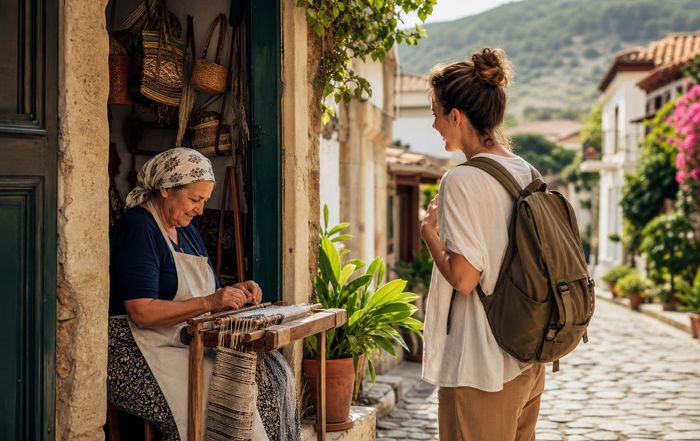
How to Experience Local Culture Beyond Major Attractions
Experiencing a destination's culture in a meaningful way requires more than ticking off famous landmarks or repeating the same photo stops that appear on every social feed. Around the world, travelers are increasingly seeking richer, slower, and more personal encounters with the places they visit, and WorldWeTravel is part of this shift, helping readers move beyond surface-level sightseeing toward deeper cultural immersion that respects local communities and environments. This evolution in travel is shaped by changing traveler expectations, the rise of digital tools, and a growing awareness of sustainability, all of which make it easier than ever to connect with everyday life in cities, towns, and rural regions across the globe.
This article explores practical, trustworthy ways to experience local culture beyond major attractions, drawing on current research, expert guidance, and real-world examples from destinations in North America, Europe, Asia, Africa, and South America. It focuses on how travelers can design trips that prioritize human connection, local knowledge, and cultural understanding, while aligning with responsible travel principles that organizations such as the UN World Tourism Organization and UNESCO promote as essential for the future of tourism.
Rethinking What "Local Culture" Really Means
Many travelers associate culture with museums, historic sites, and iconic monuments, and those spaces certainly play a vital role in preserving and interpreting heritage. Yet cultural anthropologists and tourism researchers consistently emphasize that culture is also found in the rhythms of daily life: the morning markets, neighborhood festivals, public parks, workplaces, schools, and family rituals that rarely appear in traditional brochures. Reports from bodies like the UNWTO highlight that authentic cultural tourism flourishes when visitors engage with living traditions and contemporary communities, not just with curated displays or staged performances.
For readers of WorldWeTravel, this means reframing trip planning away from purely "must-see" lists and toward a more flexible approach that leaves room for spontaneity, conversation, and observation. Understanding culture as something dynamic and evolving also helps visitors avoid stereotypes; modern Tokyo, Cape Town, São Paulo, or Berlin are not frozen in time but constantly changing, shaped by migration, technology, and global influences. Learning about these forces through local media, neighborhood walks, and community-led tours can provide a more accurate and respectful picture than relying on outdated guidebook clichés.
Travelers can begin this mindset shift even before departure by exploring resources like the UNESCO Intangible Cultural Heritage list, which highlights living traditions from crafts to foodways, or by reading local news outlets online to understand current debates in their chosen destination. Combined with inspiration from WorldWeTravel's destination guides at worldwetravel.com/destinations, this research lays the groundwork for trips that prioritize connection over consumption.
Staying Where Everyday Life Happens
Accommodation choices are one of the most powerful levers for cultural immersion. While large hotels near major attractions offer convenience, they can sometimes insulate guests from the neighborhoods where residents actually live and socialize. Many travelers now deliberately choose lodging in residential districts, whether that means small family-run hotels, guesthouses, or locally owned boutique properties that serve as gateways into community life.
International organizations such as the Global Sustainable Tourism Council provide criteria for accommodations that support local economies and cultural heritage, and platforms like Booking.com and Tripadvisor highlight properties with strong guest feedback on authentic atmosphere and neighborhood integration. In cities like Barcelona, Amsterdam, and Kyoto, local governments have introduced regulations to balance tourism with residents' quality of life, which makes it even more important for visitors to choose lodgings that respect local housing markets and community norms.
For readers planning trips through WorldWeTravel, exploring the curated accommodation insights at worldwetravel.com/hotels can help identify neighborhoods where markets, schools, and parks are within walking distance, making it easier to observe daily routines and interact naturally with residents. In many European and Asian cities, staying slightly away from the historic core opens access to family-run bakeries, corner cafés, and local playgrounds that reveal more about how people actually live than any crowded viewpoint ever could.
Travelers who prefer apartment-style stays should pay close attention to local regulations and community sentiment, using resources such as municipal tourism websites or reputable local media to ensure that their choices align with responsible travel practices. This attention to context not only supports long-term community well-being but also tends to create richer, more relaxed experiences for visitors.
Eating Where Locals Eat, Not Just Where Guides Recommend
Cuisine is one of the most direct and enjoyable pathways into local culture, yet food experiences can easily become standardized when travelers rely solely on heavily marketed restaurants near major attractions. Food scholars and tourism researchers note that the most culturally revealing meals often occur in modest venues: worker cafeterias, neighborhood bakeries, open-air markets, and community food halls where menus change with the seasons and reflect regional agricultural patterns.
Organizations like Slow Food International have long championed the preservation of local food traditions and biodiversity, encouraging travelers to seek out regional specialties and lesser-known producers. Learning more about these efforts can help visitors understand the stories behind what appears on their plate, whether that is a traditional cheese from the Alps, street food in Bangkok, or indigenous ingredients in Mexico City. Resources such as the Food and Agriculture Organization of the United Nations offer additional context on how local food systems intersect with culture and sustainability.
In practice, this might mean visiting a neighborhood market early in the morning, observing how residents shop, and sampling simple dishes from stalls frequented by locals rather than those obviously targeted at tour groups. Joining a cooking class run by local chefs or home cooks, especially those that include a market visit and discussion of culinary history, can deepen understanding further. Many cities now have community-based initiatives that connect visitors with such experiences, and WorldWeTravel's travel section at worldwetravel.com/travel frequently highlights destinations where food plays a central role in cultural identity.
For families traveling with children, shared meals can become informal lessons in geography, history, and language, and the WorldWeTravel family hub at worldwetravel.com/family offers ideas on making food exploration enjoyable and educational for younger travelers without overwhelming them.
Joining Local Rhythms: Markets, Parks, and Everyday Spaces
Beyond restaurants and cafés, some of the most revealing cultural experiences occur in public spaces where people gather for routine activities. Urban planners and sociologists often describe markets, parks, and public squares as "third places" that sit between home and work, offering a window into local social dynamics. Observing how people use these spaces-whether for exercise, socializing, political expression, or quiet reflection-can tell visitors a great deal about community values and priorities.
In many European cities, weekly farmers' markets showcase regional produce and artisanal goods while also serving as social hubs where neighbors catch up. In Asian metropolises such as Seoul or Singapore, late-night food streets and hawker centers bustle with office workers and families sharing informal meals. African cities like Cape Town and Nairobi host craft markets and cultural fairs where local artisans display work that reflects both heritage and contemporary creativity. Resources such as Time Out, National Geographic Travel, and local tourism boards often highlight these spaces, but the most rewarding discoveries frequently come from simple wandering and observation, guided by a willingness to step away from main thoroughfares.
Travelers who want to integrate these experiences into their itineraries can build in unstructured time around neighborhoods identified in WorldWeTravel's culture-focused features at worldwetravel.com/culture. Sitting on a park bench, attending a community sports match, or browsing a small bookshop offers insight into local concerns and tastes that polished attractions cannot replicate. In many cities, libraries and cultural centers host free exhibitions, talks, or language exchange events, all of which welcome visitors who approach with curiosity and respect.
Learning Through Language, Even in Small Steps
Language is central to cultural identity, and even a modest effort to learn key phrases can transform interactions. Linguists and intercultural communication experts note that attempting to speak the local language, however imperfectly, often signals respect and openness, leading to more generous responses from residents. In destinations where English is widely spoken, using basic greetings or expressions in the local language can still create a warmer atmosphere and may prompt locals to share stories or recommendations that would otherwise remain unspoken.
Online resources such as Duolingo, Babbel, and open courses from institutions like BBC Languages or national cultural institutes provide accessible introductions to major world languages. For less widely taught languages, local universities, community organizations, or cultural centers may offer short workshops or conversation events. Travelers can combine these tools with practical phrase lists tailored to situations they are likely to encounter: ordering food, shopping at markets, using public transportation, or asking for recommendations.
On WorldWeTravel, language tips are often integrated into destination coverage at worldwetravel.com/tips, helping readers prepare for culturally nuanced interactions. Even learning how to say "please," "thank you," "excuse me," and "delicious" in the local language can open doors, particularly in family-run businesses or rural areas where visitors are less common. Importantly, travelers should remain attentive to power dynamics and avoid pressuring locals to serve as unpaid language teachers, instead treating any help offered as a generous gift of time and knowledge.
Embracing Community-Led Tours and Experiences
In recent years, there has been a notable rise in community-led tourism initiatives that seek to share local culture on residents' own terms. Organizations such as Visit.org, Local Purse, and various city-level social enterprises connect travelers with guides who are deeply embedded in their neighborhoods, including migrants, refugees, and members of historically marginalized communities. These experiences often focus on everyday life, social history, and contemporary challenges, offering perspectives that traditional sightseeing tours may overlook.
Research in sustainable tourism, including work published by academic institutions and referenced by bodies like the UN Environment Programme, suggests that community-based tourism can support cultural preservation and economic resilience when structured with fair compensation, community control, and transparent communication. However, experts also caution that not every "local experience" marketed online meets these standards, so travelers should look for clear information about who benefits financially and how communities are involved in decision-making.
Readers of WorldWeTravel can use the platform's business and work travel insights to understand how ethical tourism models intersect with local economies, particularly in regions where tourism is a major employer. When selecting tours, checking whether guides are certified by reputable local associations, whether group sizes are kept small, and whether experiences respect privacy and religious or cultural norms can help ensure that cultural encounters are meaningful for both visitors and hosts.
Traveling Slower: Time as the Key to Depth
One of the most consistent findings in travel research is that depth of cultural experience correlates strongly with time spent in a destination. Short visits packed with major attractions often leave little room for serendipitous encounters, whereas slower travel allows for repeated visits to the same café, market, or walking route, gradually building familiarity and comfort. This pattern holds whether a traveler spends a week in a single European city, a month exploring a region of Southeast Asia, or several weeks moving between towns in South America.
The concept of "slow travel," related to broader slow movements in food and lifestyle, has been championed by writers and organizations that emphasize quality over quantity. Publications like BBC Travel, The Guardian Travel, and Condé Nast Traveler have documented how travelers who choose fewer destinations but longer stays often report stronger emotional connections and better understanding of local culture. Environmental analyses by groups such as Transport & Environment in Europe also point out that slower, overland travel can reduce carbon footprints compared to frequent flights, aligning cultural immersion with ecological responsibility.
For those balancing limited vacation days or work obligations, slow travel does not necessarily mean long sabbaticals. It can also involve spending three or four days in one city rather than racing through three cities in the same time, or choosing a single region in a country rather than attempting to cover it end to end. Digital nomads and remote workers, a group that WorldWeTravel serves through its work and technology sections, increasingly adopt extended stays that blend professional responsibilities with deep local engagement, often using co-working spaces and community events as entry points into local networks.
Integrating Family, Health, and Wellbeing into Cultural Immersion
Cultural exploration is not limited to solo travelers or adult groups; families with children, older travelers, and those with specific health considerations can all engage meaningfully with local life when trips are planned thoughtfully. Pediatric and educational specialists often note that children benefit from experiential learning, and travel offers abundant opportunities to connect classroom topics with real-world observations, from geography and history to language and environmental science.
Family-friendly cultural activities might include visiting science centers that highlight local ecosystems, attending children's theater performances in another language, or joining family-oriented festivals and workshops. Resources like Lonely Planet, Rough Guides, and national tourism boards frequently publish family travel recommendations, while WorldWeTravel's family section at worldwetravel.com/family curates experiences that balance cultural depth with practical considerations such as safety, accessibility, and downtime.
Health and wellbeing also play an important role in how travelers experience culture. The growth of wellness tourism, documented by organizations such as the Global Wellness Institute, includes retreats that integrate local healing traditions, mindfulness practices, and nature-based activities. When approached respectfully and with attention to scientific evidence and cultural context, such experiences can offer insight into how different societies understand balance, resilience, and community care. The WorldWeTravel health and retreat sections at worldwetravel.com/health and worldwetravel.com/retreat explore destinations where local wellness traditions and modern health practices intersect.
Travelers with specific medical needs or disabilities can consult resources such as Mobility International USA, Accessible Travel Netherlands, or national health services for guidance on accessible cultural sites and services, ensuring that immersion in local life remains inclusive and safe.
Respecting Culture Through Sustainable and Ethical Choices
Experiencing local culture beyond major attractions carries ethical responsibilities. Scholars in responsible tourism and organizations like Tourism Cares and the Center for Responsible Travel stress that visitors should avoid activities that commodify sacred traditions, exploit vulnerable communities, or contribute to environmental degradation. This includes being cautious about visiting orphanages or "slum tours" that lack community oversight, purchasing wildlife products that may be illegal or harmful, or participating in ceremonies that are not intended for outsiders.
Learning more about sustainable business practices in tourism, including fair wages, community ownership, and environmental stewardship, helps travelers align their spending with their values. Many destinations now publish sustainability charters or codes of conduct, and global frameworks such as the UN Sustainable Development Goals provide a useful lens for understanding how tourism intersects with issues like poverty reduction, gender equality, and climate action. WorldWeTravel's eco-focused coverage at worldwetravel.com/eco and worldwetravel.com/economy offers additional insight into how tourism can support or strain local economies and ecosystems.
Practical steps include using public transportation where feasible, carrying reusable water bottles and bags, supporting local artisans rather than mass-produced souvenirs, and seeking transparent information about how tour operators or accommodations manage waste, energy, and community relationships. Respecting photography etiquette, dressing appropriately for religious or conservative areas, and asking permission before entering sensitive spaces are simple gestures that convey cultural sensitivity and can prevent misunderstandings.
Using Technology Wisely to Enhance, Not Replace, Human Connection
Digital tools have transformed travel planning and on-the-ground navigation, offering real-time translation, mapping, and recommendation services that were unimaginable a generation ago. Platforms such as Google Maps, Rome2Rio, and regional transit apps make it easier to explore neighborhoods beyond major attractions, while social media enables travelers to discover local events, pop-up markets, and independent artists or businesses.
At the same time, sociologists and digital culture researchers caution that overreliance on algorithm-driven recommendations can create echo chambers where visitors encounter the same "hidden gems" as everyone else, leading to overcrowding and loss of authenticity. Balancing digital convenience with analog discovery-asking locals for suggestions, reading physical notice boards, or simply wandering without a set route-helps maintain a sense of genuine exploration.
Readers of WorldWeTravel can consult the platform's technology section for up-to-date guidance on apps and tools that support deeper cultural engagement rather than just efficiency. Language apps that encourage real conversation, mapping tools that highlight walking and cycling routes, and cultural calendars maintained by city governments or arts organizations can all enrich experiences when used thoughtfully. Ultimately, technology should serve as a bridge to human interaction, not a barrier.
Bringing Cultural Insights Home
The most meaningful measure of cultural immersion is not the number of destinations visited or photos taken, but the ways in which travel reshapes understanding and behavior long after returning home. Researchers in intercultural education and psychology have found that travelers who reflect on their experiences-through journaling, conversation, or creative projects-are more likely to retain new perspectives and apply them in daily life. This might involve supporting fair trade products, learning more about diaspora communities in one's own city, or engaging with global issues through informed media consumption.
WorldWeTravel encourages readers to see each journey as part of a broader lifelong relationship with the world, rather than as an isolated escape. Following up on cultural experiences by reading books from local authors, listening to regional music, or cooking dishes discovered abroad can keep connections alive and deepen appreciation. Resources such as World Literature Today, Songlines, or national cultural institutes provide pathways for continuing engagement with global cultures from home.
As travelers look ahead to future journeys, integrating lessons learned from past trips-about time, respect, curiosity, and responsibility-helps ensure that each new experience builds on a foundation of growing intercultural competence. In an era when global challenges demand cooperation and empathy, travel that moves beyond major attractions toward genuine cultural understanding is not only more rewarding but also more necessary.
For those planning their next adventure, WorldWeTravel remains committed to guiding this shift, offering destination inspiration at worldwetravel.com, practical travel advice, and thoughtful reflections on how to explore the world with openness, humility, and joy.