

Street Food Safaris in Malaysia: A Strategic Lens on Taste, Travel, and Trust
Malaysia's Street Food Advantage in the Global Travel Economy
Oh how Malaysia's street food scene has evolved from a backpacker's secret into a strategic asset in the global visitor economy, drawing families, business travelers, digital nomads, and culinary professionals who are increasingly combining leisure with work, wellness, and cultural immersion. For WorldWeTravel, which serves loyal readers seeking informed guidance on destinations, travel strategy, and experience design across the United States, United Kingdom, Germany, Canada, Australia, and beyond, Malaysia's street food safaris represent a compelling case study in how taste, trust, and local culture converge to create high-value travel experiences.
Malaysia's position at the crossroads of Southeast Asia, with deep historical ties to China, India, and the Middle East, has produced a culinary landscape that is both intensely local and unmistakably global. The street food culture in Kuala Lumpur, Penang, Ipoh, Malacca, Johor Bahru, and Kota Kinabalu is not merely about cheap eats; it is an integrated ecosystem of micro-entrepreneurs, intergenerational family businesses, and neighborhood economies that together underpin tourism, hospitality, and urban identity. Travelers who plan their journeys through the lens of food increasingly find that a structured "street food safari" offers not only sensory pleasure but also a deeper understanding of Malaysia's economy, technology adoption, health standards, and cultural resilience.
Readers beginning to plan a regional itinerary can explore broader destinations and regional insights on World We Travel, situating Malaysia within a wider global travel strategy that may include neighboring hubs such as Singapore, Thailand, or Indonesia.
Culinary Crossroads: Heritage, Diversity, and Urban Identity
Street food in Malaysia is inseparable from the country's multicultural fabric, where Malay, Chinese, Indian, Peranakan, and indigenous communities have shaped a shared culinary language while retaining distinctive techniques, rituals, and flavors. In Penang, often cited by sources such as CNN Travel and Lonely Planet as one of the world's great food cities, hawker centers serve as living archives of recipes that date back generations, from char kway teow seared over roaring woks to assam laksa perfumed with tamarind and torch ginger. In Kuala Lumpur, night markets such as Jalan Alor, Taman Connaught, and Kampung Baru demonstrate how urban density, migrant labor, and late-night work cultures sustain a thriving nocturnal food economy.
For travelers exploring global culinary heritage, resources such as UNESCO's work on intangible cultural heritage help contextualize how foodways preserve identity and community memory. While Malaysia's hawker culture has not yet received the same formal recognition as Singapore's inscription, the debate itself has sparked renewed interest in safeguarding traditional food practices. Learn more about how cultural travel experiences can deepen understanding of local communities and histories.
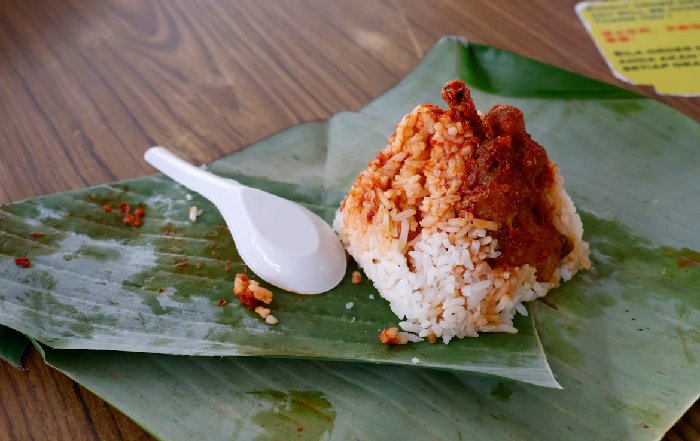
In practice, this means that a street food safari in Malaysia is not a random wander from stall to stall but increasingly a curated journey through neighborhoods, histories, and family narratives, often guided by local experts who can explain why a particular stall's nasi lemak sambal tastes different, how charcoal-fired woks influence texture, or why certain dishes are associated with specific festivals or ethnic communities.
Designing a Street Food Safari: From Spontaneity to Strategy
In earlier decades, street food exploration was largely unstructured, relying on serendipity and word of mouth, but by 2026, the rise of digital platforms, location-based services, and culinary tourism firms has transformed the "safari" into a productized experience that can be tailored to different traveler profiles. For World We Travel's readers, who often balance limited time with high expectations for quality, safety, and authenticity, a strategic approach to planning a street food safari can significantly enhance both enjoyment and risk management.
Business travelers flying into Kuala Lumpur for regional meetings, for instance, may have a single evening to experience local food; for them, curated walking tours starting from major hotel corridors such as Bukit Bintang or KLCC, combined with vetted hawker centers, can offer a safe and efficient introduction. Families traveling with children may prioritize cleaner, semi-enclosed food courts with seating, clear signage, and proximity to public transport, while digital nomads based in Penang or Johor Bahru might combine daytime co-working with evening food trails that double as informal networking spaces.
World We Travel's readers can reference its dedicated travel planning and logistics guidance to align flight schedules, accommodation choices, and local transport with their culinary itineraries. External resources such as Malaysia Tourism Promotion Board's official site and city-level tourism portals provide updated listings of food festivals, Ramadan bazaars, and neighborhood night markets, while platforms like Google Maps, Tripadvisor, and OpenRice offer user-generated reviews that can help identify consistently high-performing stalls and avoid tourist traps.
Health, Safety, and Trust in the Hawker Economy
A recurring concern among international travelers, particularly those from Europe, North America, Japan, and Australia, is the safety and hygiene of street food. In the past decade, Malaysian authorities, including the Ministry of Health Malaysia and local municipal councils, have intensified efforts to regulate and monitor food safety standards, implementing grading systems, periodic inspections, and public education campaigns to reduce foodborne illnesses. Health-conscious travelers can consult global guidelines from organizations such as the World Health Organization to understand broader principles of food safety in low- and middle-income settings, while local health ministry portals provide more granular, country-specific updates.
From a practical perspective, seasoned travelers and culinary experts emphasize several trust-building indicators when selecting stalls: high turnover of ingredients, visible cleanliness of cooking surfaces, proper handwashing practices, and transparent food preparation that allows customers to observe cooking in real time. In busy urban hubs like Kuala Lumpur and Penang, many of the most popular hawker stalls have operated for decades, building reputations that span generations; in such cases, long queues are often a proxy for both quality and safety, as rapid turnover reduces the time food sits at ambient temperatures.
World We Travel's health and wellness section offers additional context on travel health strategies, including hydration, food choices for sensitive stomachs, and insurance considerations. For families and older travelers, this knowledge can transform apprehension into confident decision-making, enabling them to enjoy satay, roti canai, or cendol with an informed sense of risk management rather than anxiety.
Technology, Payments, and the Digitalization of Street Food
By 2026, Malaysia's street food economy has been reshaped by rapid advances in digital payments, online reviews, and delivery platforms, mirroring broader trends across Asia. In major cities, many hawkers now accept QR-based payments through platforms such as Touch 'n Go eWallet, GrabPay, and Boost, reducing the need for travelers to carry large amounts of cash and aligning with global shifts toward contactless transactions. The World Bank and Bank Negara Malaysia have documented how digital payments support financial inclusion and formalization of small businesses, which in turn strengthens regulatory oversight and consumer protection.
For international visitors, this digitalization enhances convenience but also raises questions around data privacy, foreign transaction fees, and interoperability with cards issued in Europe, North America, or East Asia. Travelers can consult resources from Visa, Mastercard, or their home banks to understand charges and card compatibility, while local telecom providers such as Maxis, CelcomDigi, and U Mobile offer tourist SIM packages that make it easy to access maps, translation tools, and payment apps on the go. World We Travel's technology and travel innovation hub explores how these developments affect the broader travel experience, from booking to on-the-ground navigation.
Technology also mediates discovery: food-focused apps, social media platforms like Instagram and TikTok, and specialized blogs maintained by Malaysian food writers and chefs now shape traveler expectations and itineraries long before arrival. While this has increased visibility for certain "iconic" stalls, it has also created pressure on small operators and sometimes led to overcrowding, prompting savvy travelers to seek out lesser-known neighborhoods and morning markets where the experience remains more local and less commercialized.
Economic and Social Impact: Street Food as a Development Engine
The economic contribution of street food to Malaysia's urban and regional economies extends far beyond the price of a bowl of noodles or a skewer of satay. Informal and semi-formal food vendors provide employment to thousands of workers, many from lower-income households, and support upstream sectors such as agriculture, fisheries, logistics, and equipment supply. Organizations such as the International Labour Organization and Asian Development Bank have highlighted the importance of micro-enterprises and informal food vendors in sustaining livelihoods, particularly during economic shocks such as the COVID-19 pandemic.
For policy makers and investors, Malaysia's street food ecosystem offers valuable insights into how small-scale entrepreneurship, cultural capital, and tourism can intersect to generate inclusive growth. In Penang, for example, heritage zoning, tourism promotion, and infrastructure investments have helped preserve historic food districts while upgrading sanitation and public transport, attracting both domestic and international visitors. In Kuala Lumpur, transit-oriented development around LRT and MRT lines has made it easier for office workers and visitors to access hawker centers during lunch breaks and after work, reinforcing the link between the formal corporate economy and the informal food sector.
World We Travel's economy and travel markets coverage examines these dynamics across regions, enabling business readers to compare Malaysia's approach with that of other countries such as Thailand, Vietnam, or Mexico, where street food also plays a central role in tourism and local livelihoods. For corporate travel planners and hospitality investors, understanding these linkages can inform location choices, partnership strategies, and corporate social responsibility initiatives that support local vendors while enhancing guest experiences.
Family Travel and Intergenerational Food Experiences
For families traveling from the United States, United Kingdom, Germany, France, Italy, Spain, Netherlands, Sweden, or Norway, Malaysia's street food safaris can serve as an accessible introduction to Asian flavors, encouraging children and teenagers to experiment with new tastes while learning about different cultures in a relaxed, informal setting. Many Malaysian dishes are highly adaptable, allowing spice levels to be adjusted and ingredients to be customized, which is particularly valuable when traveling with younger children or picky eaters.
Parents can structure their food explorations around daytime markets, shopping mall food courts, and family-friendly hawker centers where seating is ample and restrooms are nearby, then gradually introduce more adventurous night markets as children become comfortable. Safety considerations such as staying clear of heavy traffic, avoiding very late hours, and choosing stalls with clear hygiene practices are straightforward to implement and can be discussed with children as part of a broader conversation about responsible travel.
World We Travel's dedicated family travel resources provide guidance on balancing exploration with rest, managing jet lag from long-haul flights from North America or Europe, and integrating educational elements into itineraries. External organizations such as UNICEF and Save the Children offer perspectives on child well-being and cultural sensitivity that can enrich family discussions about the communities they encounter while sampling roti canai, satay, or ais kacang.
Business, Bleisure, and Executive-Level Culinary Strategy
The rise of "bleisure" travel, where business trips are extended for leisure and cultural exploration, has been particularly pronounced in hubs like Kuala Lumpur and Penang, which host regional headquarters, conferences, and trade fairs for sectors ranging from finance and technology to manufacturing and logistics. For executives and professionals from Singapore, Japan, South Korea, China, Australia, and New Zealand, Malaysia's street food culture offers a low-barrier, high-reward way to engage with local colleagues and clients outside formal meeting rooms.
Street food safaris can be structured as team-building activities, client entertainment events, or informal networking sessions, often facilitated by specialized tour operators who understand corporate needs for safety, timing, and dietary accommodations. Such experiences can be more memorable and cost-effective than traditional fine dining, while still conveying respect and hospitality. For global companies emphasizing diversity, equity, and inclusion, engaging with local food cultures can also reinforce internal narratives around cultural curiosity and humility.
World We Travel's business travel section addresses how organizations can integrate culinary experiences into travel policies, manage duty-of-care obligations, and leverage local partners to design meaningful off-site activities. Resources from Global Business Travel Association and World Travel & Tourism Council further illuminate trends in corporate travel, sustainability expectations, and traveler preferences, underscoring why food-centered experiences are increasingly central to destination choice and satisfaction metrics.
Sustainability, Eco-Conscious Choices, and the Future of Street Food
As travelers from Scandinavia, Western Europe, Canada, and New Zealand become more attuned to climate impact, waste reduction, and ethical sourcing, questions about the sustainability of street food practices have gained prominence. In Malaysia, environmental concerns typically focus on single-use plastics, food waste, and sourcing of seafood and palm oil, all of which intersect with the street food economy. Initiatives led by local NGOs and municipal councils have begun to encourage or mandate reductions in plastic bags, straws, and polystyrene containers, while some hawkers experiment with biodegradable packaging or encourage customers to bring their own containers.
Travelers seeking to align their culinary adventures with environmental values can consult resources from organizations such as the World Wildlife Fund on sustainable seafood choices, or explore how to learn more about sustainable business practices and eco-conscious travel strategies. Choosing stalls that use reusable plates and cutlery, avoiding endangered seafood species, and minimizing food waste by ordering modest portions at multiple stalls rather than over-ordering at one are all practical steps that individual travelers can take without sacrificing enjoyment.
World We Travel's eco and responsible travel insights contextualize these individual actions within broader debates about aviation emissions, hotel sustainability certifications, and community-based tourism, helping readers understand how a single bowl of laksa fits into a much larger sustainability narrative.
Retreats, Wellness, and the Role of Food in Restorative Travel
Beyond pure indulgence, many travelers now view food as integral to wellness, mental health, and restorative retreats, whether they are escaping high-pressure roles in London, New York, Berlin, or Singapore, or seeking a reset after major life transitions. Malaysia's street food culture, when approached mindfully, can complement wellness-oriented itineraries that include nature escapes in Langkawi, Sabah, or Sarawak, spa retreats, and slow travel experiences.
Mindful eating practices-such as paying close attention to flavors, textures, and the stories behind dishes-can transform a simple hawker meal into a grounding, present-focused activity that contrasts sharply with the rushed, desk-bound lunches common in many corporate environments. Integrating lighter options like herbal soups, fresh tropical fruits, and plant-forward dishes alongside richer foods enables travelers to maintain a sense of balance even while exploring intensively.
World We Travel's retreat and wellness content explores how to design itineraries that combine urban food safaris with beach, jungle, or highland retreats, ensuring that sensory stimulation is balanced with opportunities for rest, reflection, and physical activity. External sources such as the Harvard T.H. Chan School of Public Health provide evidence-based insights into nutrition and diet patterns, helping travelers make informed choices about how often to indulge and when to opt for lighter fare.
Practical Tips and Work-Travel Integration
For professionals working remotely or on flexible schedules, Malaysia's strong digital infrastructure, relatively affordable cost of living, and vibrant food culture make it an attractive base, whether for a few weeks or several months. Co-working spaces in Kuala Lumpur, Penang, Johor Bahru, and Kota Kinabalu are often located within walking distance of major food streets or hawker centers, enabling a seamless integration of focused work sessions with short, energizing food excursions.
Remote workers and digital nomads can structure their days around local rhythms: breakfast at a neighborhood kopitiam, focused work until midday, a quick hawker lunch, afternoon calls with colleagues in Europe or North America, and an evening food safari that doubles as exploration and social time. World We Travel's work and travel lifestyle guidance offers frameworks for balancing productivity with exploration, managing time zones, and maintaining healthy routines in environments rich with culinary temptations.
For concise, experience-based suggestions on navigating night markets, using ride-hailing services like Grab, and communicating dietary needs in Bahasa Malaysia or Mandarin, readers can also refer to World We Travel's curated travel tips and on-the-ground advice, which distills lessons from frequent travelers and local experts.
Positioning Malaysia within a Global Street Food Landscape
When considered alongside other global street food powerhouses such as Thailand, Vietnam, Mexico, Turkey, and India, Malaysia distinguishes itself through the depth of its multicultural integration, the accessibility of English in major cities, and the relative ease with which first-time visitors can navigate its food environments. Its strategic location between Singapore and Thailand, and its extensive air links to China, Japan, South Korea, the Middle East, Europe, and North America, make it a natural hub for travelers constructing multi-country itineraries that prioritize culinary experiences.
Organizations such as the World Tourism Organization (UNWTO) and OECD have documented how food tourism contributes to destination branding, length of stay, and visitor spending, reinforcing the idea that investing time and attention in Malaysia's street food scene is not a niche interest but a mainstream travel strategy. For World We Travel's global audience, which spans leisure travelers, families, executives, and remote workers, Malaysia's street food safaris offer a rare combination of affordability, depth, and accessibility that is difficult to match elsewhere.
By leveraging the resources and different perspectives available across World We Travel's global platform and its main site at worldwetravel.com, readers can situate their Malaysian food journeys within broader patterns of travel, work, and lifestyle change, ensuring that each satay skewer, bowl of curry mee, or plate of nasi lemak is not just a momentary pleasure but part of a coherent, well-informed approach to exploring the world.
Now as travelers seek experiences that are authentic yet safe, indulgent yet responsible, and spontaneous yet strategically planned, Malaysia's street food safaris stand out as a model for how destinations can harness culinary heritage to deliver value, meaning, and trust to a discerning global audience.