

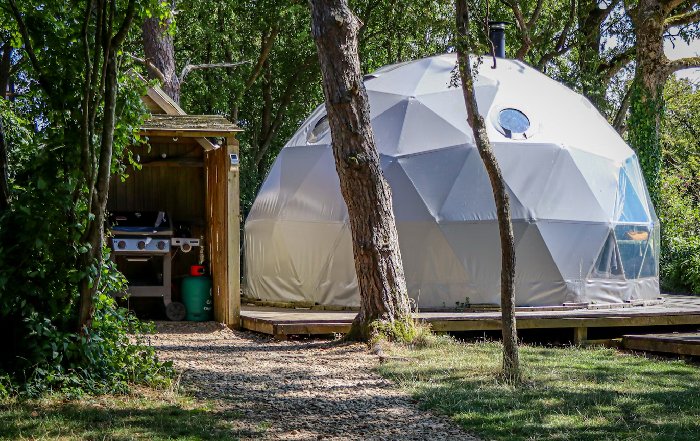
Luxury Glamping Experiences Worldwide: Where Comfort Meets the Wild
The Rise of Luxury Glamping as a Global Travel Movement
Ok, guys and gals, get your camping gear ready but not the rough kind more the sophistication type as luxury glamping has evolved from a niche curiosity into a defining movement in premium travel, reshaping how affluent travelers, business leaders, and families think about leisure, work, and wellbeing in natural environments. Across North America, Europe, Asia-Pacific, Africa, and South America, high-net-worth travelers and discerning professionals increasingly seek experiences that combine the emotional richness of the outdoors with the comfort, privacy, and service levels traditionally associated with five-star hotels. For WorldWeTravel, which curates some pretty awesome insights across destinations, travel, and the evolving global economy of hospitality, luxury glamping has become a focal point where experience, expertise, authoritativeness, and trustworthiness intersect.
This transformation is driven by several converging forces: the long-tail impact of the pandemic years, which made open-air environments and private accommodations more desirable; advances in sustainable building and energy technology; and a profound cultural shift toward experiences that balance digital connectivity with authentic disconnection. Reports from organizations such as the World Travel & Tourism Council and the World Tourism Organization have tracked a consistent rise in demand for nature-based, low-density accommodations, particularly among travelers from the United States, United Kingdom, Germany, Canada, Australia, and key Asian hubs like Japan, Singapore, and South Korea, who now see glamping as a credible alternative to luxury resorts rather than a rustic compromise.
Defining Luxury Glamping
The term "glamping" once conjured images of simple canvas tents with a few extra comforts, but it encompasses a sophisticated spectrum of accommodation types, from architect-designed eco-lodges and glass domes to overwater tented villas and mobile safari suites. What distinguishes luxury glamping from traditional camping is not merely the presence of a comfortable bed or a private bathroom, but a holistic design and service philosophy that prioritizes privacy, space, curated local experiences, wellness, and sustainability.
At the top end of the market, properties in destinations such as the American West, the Scottish Highlands, the Dolomites in Italy, the fjords of Norway, and the game reserves of South Africa now offer fully serviced suites with heated floors, high-thread-count linens, on-demand butler service, and chef-driven farm-to-table dining, often rivaling or surpassing the comfort of urban five-star hotels. Many of these properties follow sustainability frameworks inspired by organizations like the Global Sustainable Tourism Council, whose guidelines help operators learn more about sustainable business practices. At the same time, the essence of glamping remains rooted in immersion in nature: open-air decks facing the savannah, skylights for stargazing, and quiet zones where guests can hear waves, wind, or wildlife rather than traffic.
For a platform like World We Travel, which serves readers across business, family, eco, and retreat travel segments, luxury glamping is not a single product but a versatile category that can be tailored to corporate offsites, multi-generational vacations, wellness retreats, or solo workations.
Regional Highlights: Where Luxury Glamping Leads the Way
North America: Wilderness, Wellness, and Workations
In the United States and Canada, luxury glamping has matured into a robust segment that intersects with wellness tourism, adventure travel, and remote work. Mountain states such as Colorado, Utah, Montana, and Wyoming host high-end tented camps and cabin-style glamping resorts that offer direct access to national parks and protected areas, while coastal regions in California and the Pacific Northwest specialize in forest and oceanfront experiences. Travelers researching protected areas can explore resources from the U.S. National Park Service to plan nature-focused itineraries.
For business travelers and executives, the line between leisure and work has blurred. Luxury glamping sites increasingly integrate co-working lounges, high-speed satellite internet, and soundproof meeting pods, creating a new category of nature-based workation venues. Industry analysis from McKinsey & Company has highlighted how hybrid work models are reshaping demand for flexible, experience-driven accommodations, and many North American glamping brands are positioning themselves as ideal locations for leadership retreats, innovation sprints, and team-building programs that combine strategy sessions with guided hikes, mindfulness practices, and outdoor culinary events. Readers exploring how travel intersects with new work models can consult World We Travel's dedicated work section for additional perspectives.
Europe: Design, Heritage, and Slow Travel
In Europe, luxury glamping has taken on a distinctive character that blends natural immersion with cultural depth and design excellence. Countries such as United Kingdom, France, Italy, Spain, Germany, Netherlands, Switzerland, Sweden, Norway, Denmark, and Finland have invested heavily in nature-based tourism infrastructure, supported in many cases by European Union programs promoting rural development and sustainable tourism. The European Travel Commission provides insights that help travelers understand evolving European travel trends.
Scandinavian nations have become global reference points for glamping that emphasizes minimalism, wellness, and connection to elemental landscapes. Glass igloos in Finnish Lapland, forest cabins in Sweden, and fjord-facing domes in Norway offer guests front-row seats to the Northern Lights or midnight sun, while maintaining rigorous environmental standards. In the Mediterranean, agriturismo-style glamping in Italy, vineyard tents in France, and eco-domes in rural Spain appeal to travelers seeking slow travel, local gastronomy, and wine tourism. These properties often collaborate with local farmers, vintners, and artisans, aligning with the principles of responsible tourism promoted by organizations like the UN Environment Programme, which encourages travelers to explore low-impact tourism choices.
World We Travel's culture coverage increasingly highlights how European glamping properties integrate regional heritage, from traditional building techniques and culinary traditions to partnerships with local guides and cultural institutions, ensuring that luxury does not come at the expense of authenticity.
Asia-Pacific: Innovation, Wellness, and Experiential Luxury
Across Asia, luxury glamping has become a canvas for architectural experimentation and wellness innovation. In Japan, forest bathing retreats and minimalist tented suites in regions such as Hokkaido and Kyushu cater to domestic and international guests seeking peace, hot spring access, and refined omakase dining. South Korea has seen a surge in design-led glamping resorts near coastal and mountainous national parks, appealing to a younger demographic that values Instagram-ready aesthetics and digital connectivity as much as nature immersion.
In Thailand and Malaysia, riverfront and jungle glamping properties blend spa-level wellness programs with wildlife encounters, while Singapore has emerged as a regional hub for curated glamping events and pop-up experiences on nearby islands and coastal areas. New Zealand and Australia continue to lead in remote, high-luxury glamping, from coastal pods along the Great Ocean Road to secluded domes in the Southern Alps, drawing adventure travelers and honeymooners who value privacy and exclusivity. The Pacific Asia Travel Association offers data and insights that help stakeholders track regional tourism developments.
Wellness-focused glamping aligns closely with global health and wellbeing trends tracked by organizations such as the Global Wellness Institute, which provides resources to learn more about wellness tourism and nature-based healing. For World We Travel readers exploring the intersection of health, travel, and retreat culture, Asia-Pacific glamping experiences demonstrate how meditation decks, yoga platforms, plant-forward cuisine, and traditional therapies can be seamlessly integrated into natural settings without sacrificing comfort or safety.
Africa and South America: Conservation, Community, and High-End Safari
In Africa, luxury glamping is closely intertwined with conservation and community development. Tented safari camps in South Africa, Kenya, Tanzania, Botswana, and Namibia have long set the standard for high-end wilderness hospitality, and in 2026 many of these operations are deepening their commitments to conservation finance, anti-poaching initiatives, and local employment. Organizations such as the African Wildlife Foundation provide valuable background for travelers who wish to understand how tourism supports conservation.
The new generation of African glamping properties often features solar-powered suites, low-impact water systems, and locally sourced building materials, while offering guests personalized game drives, walking safaris, and cultural visits designed in consultation with local communities. For international travelers from Europe, North America, and Asia, these properties provide not only unparalleled wildlife experiences but also opportunities to engage with broader questions of biodiversity, climate resilience, and equitable development.
In South America, luxury glamping has taken root in regions such as Patagonia, the Atacama Desert, the Amazon Basin, and the Andean highlands. In countries including Brazil, Chile, Peru, and Argentina, design-forward tented camps and eco-lodges provide access to remote landscapes while maintaining high standards of comfort and cuisine. The World Wildlife Fund offers resources to learn more about protecting fragile ecosystems, a topic that resonates strongly with travelers who wish to ensure that their glamping experiences contribute positively to conservation outcomes rather than simply consuming natural beauty.
Technology, Connectivity, and the New Standard of Comfort
Technology has become a defining pillar of luxury glamping, particularly for business travelers, remote workers, and families who expect reliable connectivity alongside natural immersion. By 2026, advances in satellite internet, renewable energy, and smart building systems have allowed glamping operators in remote areas-from the deserts of the American Southwest to the islands of Southeast Asia-to offer stable high-speed connections, climate control, and advanced security systems without relying on traditional grid infrastructure.
For travelers and corporate planners, this means that a tented suite in the Rockies or a dome in rural Finland can serve as a fully functional base for video conferences, digital collaboration, or remote schooling, while still providing access to hiking trails, kayaking routes, or wildlife viewing just steps away. The International Telecommunication Union provides a global perspective on connectivity trends that help explain how remote hospitality operations leverage new digital infrastructure.
At the same time, many luxury glamping brands deliberately design "digital detox" programs that invite guests to limit screen time, often by offering optional device-free zones or curated offline activities. This dual approach-offering robust connectivity while encouraging mindful disconnection-aligns with broader wellbeing trends and with the editorial focus of World We Travel's technology and tips sections, which emphasize intentional, informed use of technology in travel rather than uncritical dependence.
Sustainability and Eco-Credibility as Core Value Propositions
As climate concerns and biodiversity loss move to the center of public discourse, sustainability is no longer a marketing add-on but a core expectation, especially among travelers from Germany, Netherlands, Sweden, Norway, and Denmark, where environmental awareness is particularly high. Luxury glamping, by virtue of its smaller footprint and flexible structures, is well positioned to respond to this demand, but only when operators commit to rigorous standards and transparent practices.
Many leading glamping brands now pursue certifications or align with frameworks developed by organizations such as Green Key and EarthCheck, giving environmentally conscious guests tools to evaluate the sustainability of hotels and accommodations. They invest in renewable energy systems, water recycling, waste reduction, and regenerative landscaping, and they increasingly integrate local sourcing and fair employment practices into their operational models.
From the perspective of World We Travel, which curates content on eco travel and the broader economy of tourism, the credibility of luxury glamping depends on verifiable commitments rather than aspirational language. Guests are more informed than ever, turning to resources such as the Intergovernmental Panel on Climate Change to understand climate impacts and the role of travel, and they expect operators to acknowledge and mitigate their environmental footprint.
Family, Business, and Multi-Generational Use Cases
Luxury glamping's versatility is one of the reasons it resonates so strongly with the diverse readership of World We Travel. Families from the United States, United Kingdom, Canada, Australia, and Singapore increasingly choose glamping for multigenerational trips, where grandparents, parents, and children can share common spaces while maintaining privacy in separate tents or pods. On-site naturalist programs, child-friendly adventure activities, and educational experiences tied to local ecology and culture make glamping particularly attractive to parents seeking meaningful experiences rather than purely entertainment-driven vacations. Readers interested in designing such trips can explore World We Travel's dedicated family content for further guidance.
For corporate clients, luxury glamping offers a compelling alternative to conventional conference centers and city hotels. Executive teams can meet in open-sided pavilions with panoramic views, participate in guided reflection walks, or engage in structured team-building exercises that draw on the surrounding environment. The Harvard Business Review has documented how nature-based experiences can enhance leadership development and creativity, and many organizations now see glamping retreats as investments in resilience, innovation, and cultural cohesion rather than discretionary perks.
Couples and solo travelers, meanwhile, gravitate toward glamping for retreats focused on wellbeing, creative work, or personal reset. Silent retreats in forest settings, writing residencies in mountain domes, and mindfulness programs in desert camps align with a broader shift toward restorative travel. World We Travel's retreat section reflects this growing interest in travel that supports long-term mental and physical health rather than short-term escape.
Hotels, Brands, and the Convergence of Hospitality Models
Traditional hotel groups have not stood on the sidelines of the glamping movement. Over the last several years, major luxury and lifestyle brands have launched or acquired tented camp collections, eco-lodge portfolios, and hybrid properties that combine conventional rooms with glamping-style suites. This convergence is particularly visible in regions like United States, United Kingdom, France, Japan, and Thailand, where established hotel brands have the distribution networks and loyalty programs to bring glamping to a broader audience while maintaining consistent service standards.
Travelers comparing options can benefit from resources such as Forbes Travel Guide, which helps guests understand luxury hospitality benchmarks, as well as from the curated overviews provided in World We Travel's hotels section. The blending of hotel and glamping models is also reshaping pricing, with dynamic rate structures that factor in exclusivity, seasonality, and experiential inclusions such as private guides or wellness consultations.
For business and leisure travelers alike, the key question is often not whether to choose a hotel or a glamping site, but how to combine them within a single itinerary: a city-based luxury hotel stay for meetings or cultural exploration, followed by several nights in a high-end glamping retreat for restoration and reflection. This pattern is particularly common in multi-stop journeys across Europe, Asia, and North America, where strong transport infrastructure makes it feasible to move smoothly from urban to remote environments.
Practical Considerations and Strategic Planning for 2026 Travelers
Planning a luxury glamping experience in 2026 requires more than simply selecting a visually appealing tent or dome. Travelers must consider seasonality, access logistics, health and safety protocols, digital connectivity needs, and the alignment between their personal or organizational values and the operator's sustainability and community engagement practices. Health-conscious travelers can consult resources from the World Health Organization to stay informed about travel health recommendations, particularly when considering remote locations in Africa, South America, or parts of Asia.
From a financial and strategic standpoint, travelers and corporate planners should pay close attention to currency fluctuations, local taxation policies, and geopolitical developments that may influence pricing and accessibility. Analytical reports from institutions like the International Monetary Fund help decision-makers track macroeconomic trends affecting travel costs. For readers of World We Travel, the intersection of travel experiences with broader economic and geopolitical dynamics is a recurring theme, reflected in the platform's coverage of global and economy topics.
It is also increasingly important to evaluate cancellation policies, insurance options, and contingency plans, especially for high-value, remote experiences that may be affected by weather events or regulatory changes. Many luxury glamping operators now offer flexible booking terms and transparent communication about risk management, recognizing that trust and reliability are as critical as design and amenities in building long-term relationships with guests.
How World We Travel Curates and Interprets the Glamping Landscape
As luxury glamping continues to evolve across North America, Europe, Asia, Africa, and South America, World We Travel positions itself as a trusted guide for discerning travelers, families, and business leaders seeking depth rather than hype. By combining on-the-ground reporting, expert interviews, data-driven analysis, and comparative evaluations of destinations and operators, the platform helps readers navigate a rapidly expanding field in which quality and authenticity can vary widely.
The editorial approach emphasizes Experience, by spotlighting real journeys and nuanced narratives that convey what it feels like to wake before dawn in a South African tented camp or to watch the Northern Lights from a Finnish glass dome; Expertise, by drawing on architects, sustainability consultants, wellness practitioners, and hospitality executives to unpack design and operational choices; Authoritativeness, by aligning coverage with reputable external sources and industry benchmarks; and Trustworthiness, by maintaining transparency about selection criteria, limitations, and evolving conditions.
Readers who wish to explore luxury glamping in the context of broader travel planning can navigate through World We Travel's interconnected sections on destinations, travel, work, eco, and tips, or begin at the main portal at worldwetravel.com.
The Future of Luxury Glamping ?
As the global travel industry continues to adapt to technological change, environmental pressures, and shifting consumer expectations, luxury glamping is poised to remain a central pillar of high-end experiential travel. The most successful operators will likely be those who integrate regenerative principles, advanced but unobtrusive technology, and deep local partnerships, while offering guests the sense of discovery, comfort, and meaning that defines truly memorable journeys.
For travelers across the United States, United Kingdom, Germany, Canada, France, Italy, Spain, Sweden, Norway, Singapore, Denmark, South Korea, Indonesia, luxury glamping is no longer an experiment but a mature, diverse, and sophisticated way to experience the world. With informed planning, careful selection of partners, and a clear understanding of personal or organizational goals, glamping can offer not only comfort in the wild but also a renewed sense of connection-to nature, to others, and to the larger global systems that shape travel and life in the twenty-first century.
In this evolving landscape, WorldWeTravel remains committed to providing the impartial and independent insight, context, and trusted guidance that discerning readers need to make confident decisions, ensuring that every luxury glamping journey is both personally rewarding and aligned with the values that will define the future of travel.
Thank you for reading with curiosity and an open mind. Our editorial team works daily to bring you original, useful, and uplifting long-form content.