

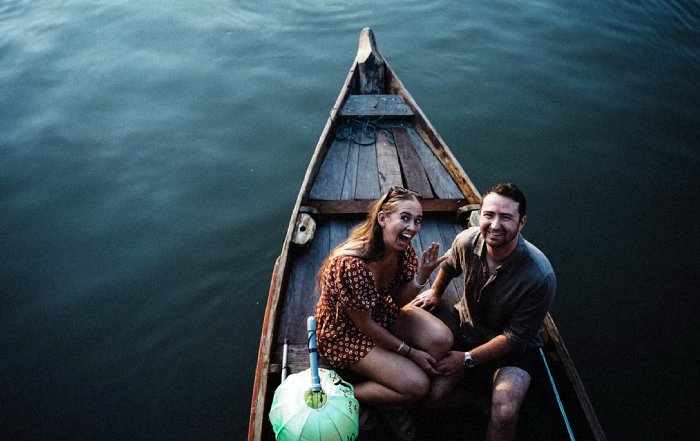
The New Era of Adventure Travel for Couples in 2026
Adventure travel for couples has entered a distinctly more mature and multidimensional phase by 2026, shaped by shifting global priorities, evolving work patterns, and heightened awareness of health, culture, and sustainability. Couples across North America, Europe, Asia-Pacific, Africa, and South America are no longer satisfied with trips that simply deliver adrenaline; instead, they are seeking journeys that foster shared growth, support long-term wellbeing, and align closely with their ethical and professional lives. For the global readership of WorldWeTravel.com, from the United States and the United Kingdom to Germany, Canada, Australia, France, Italy, Spain, the Netherlands, Switzerland, Singapore, Japan, South Korea, Thailand, South Africa, Brazil, and beyond, this moment represents a chance to redefine what "adventure" means and to design travel experiences that are as intentional as they are inspiring.
Redefining Adventure for the 2026 Couple
The archetypal image of adventure travel once revolved around extreme sports and remote expeditions, yet by 2026 couples are embracing a broader, more nuanced definition. Hiking the Dolomites, diving the Great Barrier Reef, or skiing in the Swiss Alps still appeal, but they now sit alongside slow travel itineraries in Portugal, cultural immersion in Japan, wellness-focused trekking in New Zealand, and digital-detox retreats in Scandinavia. Adventure is increasingly understood as any experience that stretches comfort zones, deepens connection, and offers a meaningful encounter with place, people, and self.
Couples based in global hubs such as New York, London, Berlin, Singapore, Sydney, Toronto, Paris, and Tokyo are especially attuned to climate risk, overtourism, and cultural sensitivity, and these concerns are directly shaping their choices of destinations, transport, and providers. Instead of chasing the most extreme option, they are curating trips that balance physical challenge with cultural depth, environmental responsibility, and psychological restoration. Many begin their planning journey on WorldWeTravel.com, exploring curated insights in sections such as destinations and travel, then cross-referencing with global tourism bodies such as the World Travel & Tourism Council and sustainability frameworks from the Global Sustainable Tourism Council.
To understand macro trends, couples frequently consult resources from the UN World Tourism Organization and tourism policy analysis from OECD Tourism, using these sources to anticipate seasonal demand, infrastructure developments, and regulatory shifts that might affect their plans. This more informed, data-aware approach reflects a wider pattern in which adventure is no longer a spontaneous escape but a considered investment in lifestyle and relationship quality.
Adventure as a Strategic Investment in Relationships
For many dual-career couples in sectors such as technology, finance, healthcare, consulting, and creative industries, adventure travel has evolved into a deliberate strategy for relationship resilience. High-pressure work environments, hybrid schedules, and the constant presence of digital devices can erode meaningful connection over time; shared, challenging experiences offer a counterbalance. Research highlighted by organizations like the American Psychological Association has underscored how novel, demanding activities undertaken together can enhance empathy, improve communication, and strengthen emotional bonds, and couples are explicitly incorporating these insights into how they design their time away.
Activities that require joint problem-solving-plotting a self-guided road trip across Iceland, navigating a hut-to-hut trek in Norway, learning to sail along the Croatian coast, or planning a multi-day cycling route through the vineyards of France-function as informal but powerful relationship workshops. Away from familiar routines, couples often discover new aspects of each other's personalities, leadership styles, and coping mechanisms. This is particularly visible among urban professionals in cities like Munich, Amsterdam, Vancouver, and Seoul, where day-to-day life is highly structured and screen-centric, making offline, immersive adventures especially valuable.
Readers of WorldWeTravel.com increasingly turn to the work and business sections to understand how to integrate serious adventure into demanding professional lives. Some structure "micro-adventures" around business trips-adding a weekend trek after meetings in Singapore or a coastal hike following a conference in San Francisco-while others negotiate longer "workcation" arrangements that blend remote work during the week with intensive outdoor activities on surrounding days. In both cases, adventure is positioned not as an indulgence but as a purposeful tool for sustaining performance and intimacy.
Global Destinations at the Forefront of Couple Adventure
By 2026, several regions have emerged as particularly attractive for couples seeking robust adventure experiences without sacrificing safety, access, or cultural depth. Across Europe, the Dolomites in Italy, the Swiss and French Alps, the fjords of Norway, the Scottish Highlands, and the rugged coastlines of Ireland and Spain offer extensive networks of hiking, climbing, and cycling routes, supported by strong public transport and a sophisticated hospitality ecosystem. Couples often combine demanding days outdoors with evenings in boutique mountain lodges or design-led urban hotels, using the hotels section of WorldWeTravel.com alongside platforms such as Booking.com or Relais & Châteaux to refine their accommodation choices.
In Asia, adventure-minded couples are drawn to the diversity of Japan, Thailand, South Korea, Malaysia, and Singapore. Japan's Nakasendo and Kumano Kodo trails allow for multi-day pilgrim-style hikes, staying in traditional ryokan and onsen towns that blend physical exertion with cultural immersion and restorative bathing. Northern Thailand around Chiang Mai offers trekking, mountain biking, and carefully regulated wildlife experiences, with guidance from organizations such as World Animal Protection influencing couples' decisions about ethical elephant encounters. Singapore, with its globally recognized Changi Airport, frequently rated by Skytrax, functions as a strategic gateway for couples combining business obligations with regional adventures across Southeast Asia.
Across the Americas, the Canadian Rockies, the United States' network of national parks, Chile's Atacama Desert, and Patagonia's vast landscapes shared by Argentina and Chile remain iconic for couples who value long-distance trekking, glamping, and self-drive exploration. Reliable information from agencies such as the U.S. National Park Service and Parks Canada helps couples plan responsibly, secure permits, and understand conservation rules. In Africa, South Africa's Garden Route, Namibia's desert ecosystems, and Tanzania's lesser-known trekking regions beyond Kilimanjaro are gaining traction among couples looking to combine safari-style wildlife encounters with coastal, hiking, and wine experiences.
Readers browsing the global and economy sections of WorldWeTravel.com increasingly weigh exchange rates, local price levels, and infrastructure quality when comparing destinations. They also consult official advisory sources, such as Gov.uk Foreign Travel Advice and the U.S. Department of State, to monitor entry rules, security conditions, and evolving health or environmental risks.
Integrating Health, Wellness, and High-Impact Experiences
Health and wellness have moved from being side benefits of active travel to core design principles. In the post-pandemic landscape of 2026, couples are acutely conscious of both physical and mental health, and they increasingly seek itineraries that combine purposeful exertion with structured recovery and reflection. Trekking in the Alps or New Zealand, kayaking in the fjords of Norway, surfing in Australia, or trail running in the Rockies is often paired with yoga, meditation, spa treatments, and nutrition-forward cuisine.
Destinations such as Bali, Costa Rica, Portugal, and New Zealand have become especially prominent for integrated wellness-adventure retreats, where programs are curated to balance challenge and restoration. Couples planning these journeys regularly consult authoritative health guidance from the World Health Organization and national services like the United Kingdom's NHS, ensuring that vaccinations, medications, and mental health considerations are factored into itineraries, particularly when traveling to high-altitude regions or remote areas with limited medical infrastructure.
Wearable technologies from Apple, Garmin, and Fitbit have further transformed how couples manage exertion, sleep, and recovery in real time, enabling them to adjust plans based on heart rate variability, fatigue indicators, and environmental conditions. On WorldWeTravel.com, the health and retreat sections provide in-depth guidance on destinations and programs that integrate these elements, from Camino de Santiago routes in Spain that combine walking with mindfulness workshops to surf-and-strength camps in Australia that include physiotherapy and nutrition coaching. For many couples, this holistic approach is framed as a long-term investment in health, productivity, and relationship stability, rather than a short-term escape.
Eco-Conscious Adventure and Responsible Decision-Making
By 2026, sustainability is firmly embedded in the decision-making processes of adventure-focused couples. Awareness of climate change, biodiversity loss, and social inequality has driven travelers to scrutinize the environmental and community impacts of their choices, from long-haul flights and cruise itineraries to lodging and on-the-ground activities. Many couples now seek out providers that align with recognized sustainability standards, including certifications overseen by the Global Sustainable Tourism Council and principles advocated by the UN Environment Programme.
Within Europe, train-based itineraries have become a preferred low-carbon alternative to short-haul flights, supported by networks like Eurail and robust national rail systems in countries such as France, Germany, the Netherlands, and Switzerland. Adventure activities themselves are often chosen with impact in mind, with couples favoring hiking, cycling, kayaking, and sailing over more carbon-intensive options. Ethical wildlife encounters are another priority; couples increasingly avoid attractions involving captive animal performances or direct contact, choosing instead to support conservation-focused safaris and marine tours that contribute to scientific research and habitat protection, guided by resources from the International Union for Conservation of Nature.
On WorldWeTravel.com, the eco and economy sections help readers understand how responsible travel can both reduce environmental footprints and support local livelihoods, particularly in emerging adventure regions across Southeast Asia, sub-Saharan Africa, and South America. Many couples are drawn to community-based tourism initiatives, locally owned lodges, and regenerative travel projects they discover through platforms like Responsible Travel, then validate their choices against independent sustainability resources. This shift reflects a broader movement in which adventure is defined not only by personal challenge but also by positive contribution.
Balancing Couple Adventure with Family Responsibilities
Even as couples prioritize their own shared experiences, many are simultaneously navigating parenthood or caring for extended family, and this reality significantly shapes adventure planning. Some trips are intentionally child-free, designed to celebrate anniversaries, career milestones, or relationship transitions, while others are structured as active, multi-generational journeys that weave couple time into broader family experiences.
Countries such as Canada, New Zealand, Norway, Japan, and Denmark have become particularly popular for family-inclusive adventure due to their safety records, infrastructure quality, and variety of age-appropriate activities. Families may plan hut-to-hut hiking in Norway, cycling holidays in the Netherlands, ski adventures in Switzerland, or coastal exploration in Australia, while still preserving dedicated couple time through evening experiences, staggered activity days, or trusted childcare services.
Health and safety remain paramount when children are involved, and couples routinely consult resources like CDC Travelers' Health to understand vaccination requirements, disease risks, and destination-specific considerations. The family section of WorldWeTravel.com supports these decisions with practical guidance on pacing, packing, and selecting destinations that balance adventure with comfort and security for all age groups. In many cases, couples find that thoughtfully including family members in active travel not only enriches the experience but also models resilience, curiosity, and environmental awareness for younger generations.
Technology, Remote Work, and the Adventure Workcation
Technological progress and the normalization of remote and hybrid work have fundamentally altered how couples structure travel by 2026. Navigation tools, translation apps, and real-time weather and safety alerts have become standard components of the adventure toolkit, with platforms such as Google Maps, AllTrails, and Strava enabling couples to research routes, evaluate difficulty, and share their achievements. At the same time, improved connectivity and collaboration tools allow many professionals to work effectively from destinations that once would have required a full career break to enjoy.
Cities like Lisbon, Barcelona, Vancouver, Seoul, Singapore, and Melbourne have positioned themselves as hubs for digital professionals, with co-working spaces, reliable broadband, and easy access to nearby nature. Couples use platforms such as Nomad List to compare destinations on criteria like cost of living, internet speed, safety, and climate, then refine their plans through the technology and work sections of WorldWeTravel.com, which focus on the intersection of connectivity, culture, and outdoor access.
However, the blending of work and adventure requires careful boundary management. Many couples now establish explicit rules about when devices are used, how often work intrudes on shared time, and which days are fully offline. Distributed-first organizations such as GitLab and Automattic have published detailed remote-work handbooks that couples often adapt for their own lives, while analysis from the World Economic Forum helps contextualize how remote work is reshaping global mobility, tourism patterns, and local economies. Adventure in this context is no longer a break from professional life but part of a broader lifestyle design in which location, work, and personal growth are consciously interwoven.
Cultural Immersion as an Intangible Adventure
Physical challenge is only one dimension of modern adventure; cultural immersion has emerged as a quieter but equally transformative frontier for couples. Learning to cook regional dishes in Italy, studying wine in France, taking language courses in Spain, attending traditional festivals in Japan, or engaging with indigenous communities in New Zealand and Canada all demand openness, humility, and adaptability. Navigating unfamiliar etiquette, religious customs, and social norms can be as stretching as a mountain ascent, and many couples now view this form of adventure as essential to a meaningful journey.
Institutions such as UNESCO play an important role by spotlighting cultural and natural heritage sites, and couples frequently consult the UNESCO World Heritage Centre when designing itineraries that prioritize depth over breadth. Leading museums and cultural organizations, from the Louvre in Paris to The Metropolitan Museum of Art in New York, have expanded their offerings to include immersive tours, after-hours experiences, and thematic programs that appeal to travelers seeking richer engagement rather than quick photo opportunities.
On WorldWeTravel.com, the culture and tips sections provide pragmatic advice on cultural etiquette, basic language phrases, and respectful photography, helping couples approach new environments with confidence and sensitivity. This emphasis on cultural literacy is particularly important in regions with complex histories or current tensions, including parts of Eastern Europe, the Middle East, and certain areas of Asia and Africa, where informed behavior can significantly improve both safety and the quality of interactions.
Managing Risk and Safeguarding Trust
Adventure inherently involves exposure to risk, yet couples in 2026 are better equipped than ever to manage it through preparation, due diligence, and informed decision-making. Reputable operators in activities such as mountaineering, diving, backcountry skiing, and white-water rafting adhere to international standards and often align with guidance from bodies like the International Climbing and Mountaineering Federation and the Professional Association of Diving Instructors. Couples increasingly scrutinize provider credentials, guide training, equipment maintenance, and emergency protocols before committing to high-intensity experiences.
Comprehensive travel insurance is now considered essential, particularly for itineraries that involve remote regions or adventure sports. Independent evaluators such as Consumer Reports and major financial publications help couples compare policies that cover medical evacuation, trip disruption, and specific activities, which can then be integrated into broader planning advice found on the main travel hub of WorldWeTravel.com. Governments also provide valuable resources, including registration programs like the U.S. Smart Traveler Enrollment Program, which allows travelers to receive security updates and facilitate consular assistance if needed.
Risk management in 2026 extends beyond physical safety to encompass digital security. As couples increasingly rely on online banking, cloud storage, and remote work tools while abroad, awareness of cyber threats has grown. Guidance from organizations such as the National Cyber Security Centre informs best practices around VPN use, secure passwords, and public Wi-Fi hygiene, all of which are now part of the standard pre-departure checklist for extended or complex adventure trips. Trust-between partners, and between travelers and providers-rests on this foundation of preparation and transparency.
Crafting a Personalized Adventure Blueprint with WorldWeTravel.com
The most successful adventure journeys for couples in 2026 are rarely off-the-shelf products; they are tailored blueprints that reflect each couple's physical capacity, risk tolerance, professional obligations, financial realities, and shared values. WorldWeTravel.com is designed to support precisely this kind of integrated planning, allowing readers to move fluidly between insights on destinations, business and work, health, eco-conscious travel, culture, and broader travel strategy.
A couple might begin by selecting a broad region-perhaps the Canadian Rockies for a two-week summer trek, Japan for a spring blend of hiking and cultural immersion, or South Africa for a combination of coastal hikes, wildlife, and wine. They can then study seasonal patterns through resources like Timeanddate.com and gather regional context from guides such as Lonely Planet, before cross-checking health and safety information from global and national authorities. Once the foundational parameters are clear, they can design a rhythm that alternates demanding days with rest and wellness activities, weave in cultural learning experiences, and choose accommodation that meets both comfort and sustainability expectations.
Throughout this process, WorldWeTravel.com functions as a trusted partner rather than a simple information repository, helping couples interpret global trends, compare destinations, and translate abstract aspirations into concrete itineraries. By approaching adventure travel as a strategic, values-driven component of their lives, couples can create journeys that not only deliver excitement and novelty but also contribute to long-term wellbeing, professional resilience, and a shared sense of identity.
In the evolving landscape of 2026, the most meaningful adventure travel for couples is defined not by the extremity of the activity or the distance from home, but by the alignment between who they are, what they value, and how they choose to experience the world together. Whether they are hiking along Norwegian fjords, cycling through French vineyards, diving off the coast of Australia, exploring the cultural layers of Tokyo, or Cape Town, or discovering lesser-known regions that speak to their curiosity, couples who plan with intention, respect, and openness will find that the world continues to offer a rich, ever-expanding canvas for shared adventure. For those readers, WorldWeTravel.com stands ready to guide each step of that journey.