

Business Travel Hubs Powering the British Economy in 2026
The Evolving Strategic Role of Business Travel in the UK Economy
By 2026, business travel continues to underpin the United Kingdom's economic performance, but it does so in a more disciplined, data-driven and sustainability-conscious way than ever before. After the volatility of the early 2020s, British and international organisations have embraced a model in which every journey is assessed for its commercial, strategic and environmental value, while still acknowledging that in-person interaction remains critical for complex negotiations, cross-border investment, innovation partnerships and the cultivation of long-term trust. For worldwetravel.com, which serves globally mobile professionals, travel managers and senior decision-makers, this shift has reinforced the importance of providing authoritative, experience-based guidance on where, how and why to travel for business in the UK.
The British business travel ecosystem is anchored by a network of global gateway cities, financial centres, research and technology clusters, and specialised regional hubs that collectively sustain a sophisticated services economy and an extensive web of international relationships. According to data regularly published by VisitBritain and the Office for National Statistics, international business visitors still contribute billions of pounds annually through spending on accommodation, transport, meetings, conferences and associated services, while domestic corporate travel helps integrate regional markets and supports the government's ambitions to level up economic opportunity across England, Scotland, Wales and Northern Ireland. Executives seeking to understand how mobility links to productivity, infrastructure and investment can explore the UK's evolving economy and productivity agenda to place their travel decisions in a broader policy context.
As corporate mobility strategies mature, worldwetravel.com increasingly acts as a strategic partner, helping organisations navigate the most important British business hubs and align itineraries with commercial priorities, sustainability commitments and employee wellbeing. Through integrated coverage of destinations, business travel and global trends, the platform translates macroeconomic dynamics and regulatory developments into practical, on-the-ground travel choices.
London in 2026: A Reinforced Global Financial and Corporate Powerhouse
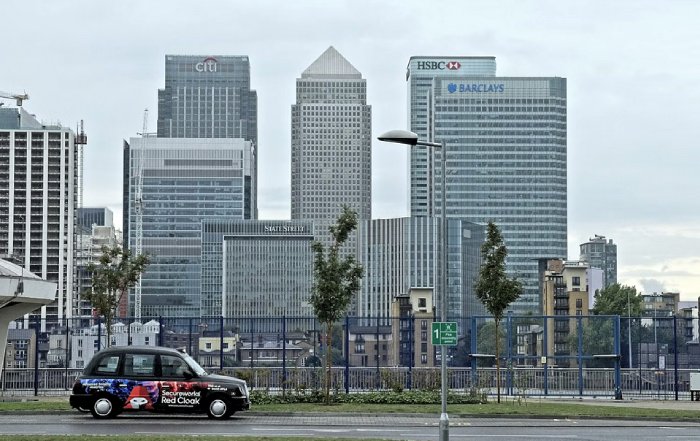
London remains one of the world's most influential commercial cities and the UK's pre-eminent business travel hub, with The City of London and Canary Wharf continuing to host a critical concentration of global banks, asset managers, insurers, law firms and professional services firms. Institutions such as the Bank of England, the London Stock Exchange Group, HSBC, Barclays and Lloyds Banking Group anchor a financial ecosystem that draws executives, investors, regulators and policymakers from the United States, Europe, Asia-Pacific and the Middle East, while a dense network of specialist boutiques and advisory firms supports complex cross-border transactions. For travellers engaging with this ecosystem, worldwetravel.com offers tailored business travel insights that help align meeting locations, regulatory visits and investor roadshows with the city's key financial districts and conference venues.
London's connectivity continues to be one of its defining strengths. Heathrow Airport remains a leading global hub, with direct links to major markets across North America, Europe, Asia, Africa and the Gulf, while Gatwick, Stansted, Luton and London City Airport collectively provide a diversified portfolio of routes for both premium and cost-conscious corporate travellers. The full integration of the Elizabeth Line into London's transport network has significantly reduced journey times between Heathrow, Canary Wharf, the West End and emerging innovation zones in the east and west of the city, improving reliability and making multi-meeting days more feasible. Executives interested in the regulatory framework and long-term planning that support this connectivity can review the UK Civil Aviation Authority's guidance at caa.co.uk to better anticipate capacity constraints and route developments.
In parallel, London's hospitality and meetings infrastructure has continued to evolve. Leading international hotel brands and high-end boutique properties have invested heavily in hybrid meeting technology, cybersecurity, wellness facilities and sustainability certifications, recognising that corporate clients now scrutinise hotels as extensions of their workplace and brand. Through its curated hotel recommendations, worldwetravel.com highlights properties that combine strong meeting capabilities, reliable digital connectivity, comprehensive duty-of-care protocols and credible environmental credentials, enabling companies to balance cost, comfort and corporate responsibility in a transparent way.
Manchester and the Consolidation of Northern Powerhouse Connectivity
Manchester has moved from emerging challenger to firmly established business hub within the UK's economic geography, reflecting a broader shift toward more regionally balanced growth. The city's transition from industrial centre to knowledge and services economy has accelerated, with MediaCityUK and the wider Greater Manchester region hosting a dynamic mix of digital, media, fintech, professional services and advanced manufacturing firms. The continued presence and expansion of organisations such as BBC, ITV and major financial institutions have created a dense cluster of employers that attract both domestic and international talent, reinforcing Manchester's appeal for corporate visitors.
Connectivity has been central to this rise. Manchester Airport, the largest UK airport outside London, now offers an expanded set of long-haul connections to North America, the Middle East and key Asian hubs, alongside extensive European coverage, making it a viable alternative gateway for multinational companies seeking to diversify away from London-centric travel patterns. Strengthened rail links to London, Birmingham, Leeds, Liverpool and Scotland, combined with ongoing regional transport investments, have further integrated Manchester into a wider Northern Powerhouse corridor. Executives and planners can follow the evolution of these infrastructure priorities through Transport for the North at transportforthenorth.com, gaining insight into journey-time improvements and future capacity.
For the worldwetravel.com audience, Manchester offers a compelling opportunity to combine commercial objectives with destination discovery. The city's cultural institutions, music and sports venues, and regenerated urban districts support client entertainment, leadership offsites and team-building activities that extend beyond the boardroom. Increasingly, business travellers use Manchester as a base for multi-city itineraries that include Leeds, Liverpool, Sheffield and other northern centres, taking advantage of improved intercity connections to explore the broader regional economy while maintaining a single accommodation hub.
Edinburgh: Financial Strength, Policy Influence and Global Connectivity
Edinburgh continues to occupy a distinctive position among British business travel hubs, combining a sophisticated financial services sector with significant policy and regulatory influence. The presence of major players such as Royal Bank of Scotland (RBS) and abrdn (the successor to Standard Life Aberdeen), alongside a concentration of asset managers, insurers and specialist investment firms, ensures a steady flow of institutional investors and corporate decision-makers into the city. At the same time, the Scottish Government and related agencies provide a focal point for policy dialogue on topics ranging from energy transition and climate resilience to digital regulation and public health.
This dual role as a financial and policy capital makes Edinburgh particularly attractive for international executives who need to engage simultaneously with market participants and government stakeholders. Edinburgh Airport offers direct connections to key European financial centres, including Frankfurt, Amsterdam and Zurich, as well as frequent services to London and other UK cities, while high-speed rail provides a lower-emission alternative that aligns with many organisations' net-zero strategies. Leaders seeking to integrate environmental considerations into their travel decisions can explore guidance from the UK Department for Energy Security and Net Zero at gov.uk, which outlines the policy backdrop shaping corporate sustainability commitments.
Edinburgh's conference and events calendar remains rich, with high-level gatherings in finance, technology, renewable energy and public policy attracting thought leaders from across Europe, North America and Asia. Through its global business travel coverage, worldwetravel.com helps executives incorporate Edinburgh into broader European or multi-UK itineraries, balancing high-intensity meeting schedules with opportunities to experience the city's heritage, gastronomy and cultural festivals in a way that supports both professional outcomes and traveller wellbeing.
Birmingham, Bristol and the Maturing Regional Innovation Corridors
Beyond London and the traditional financial centres, cities such as Birmingham and Bristol have become indispensable components of the UK's business travel landscape, reflecting the diversification of the national economy and the rise of regional innovation corridors. Birmingham, located at the heart of England's transport network, has capitalised on its strategic position, competitive costs and expanding professional services base to attract significant inward investment. Major employers such as HSBC UK and PwC have deepened their presence, reinforcing the city's role as a hub for financial services, business process outsourcing and advanced manufacturing. Ongoing rail improvements and the gradual integration of new high-speed infrastructure have reduced travel times to London and other cities, enabling executives to operate on a multi-centre basis without sacrificing efficiency.
Bristol, meanwhile, has consolidated its status as a key node in the UK's technology and aerospace ecosystem. The presence of global manufacturers such as Airbus and Rolls-Royce, combined with a vibrant startup scene and strong university research capabilities, has created a fertile environment for collaboration across aviation, defence, clean tech and digital industries. Business travellers visiting Bristol frequently combine boardroom discussions with site visits to engineering facilities, university labs and test centres, reflecting the city's role as a bridge between research, industry and government. Executives can deepen their understanding of the UK's regional innovation priorities through UK Research and Innovation at ukri.org, which provides an overview of funded clusters and emerging technologies.
For organisations orchestrating multi-city itineraries across these regional hubs, worldwetravel.com offers integrated travel planning resources that help synchronise meetings, transport and accommodation, ensuring that journeys through Birmingham, Bristol and their surrounding corridors are both time-efficient and conducive to long-term relationship-building.
Technology and Life Sciences Clusters: Cambridge, Oxford and the Wider Knowledge Network
The UK's transition toward a knowledge-intensive, innovation-led economy is most visible in university cities such as Cambridge and Oxford, which have transformed from purely academic centres into globally significant technology and life sciences clusters. The Cambridge Cluster, often referred to as "Silicon Fen," hosts a high concentration of biotechnology, artificial intelligence, semiconductor and deep-technology companies, many of them spin-outs from the University of Cambridge or closely integrated with its research institutes. Similarly, the Oxford ecosystem has emerged as a powerhouse in pharmaceuticals, medical technology, data science and advanced materials, leveraging the capabilities of the University of Oxford, its hospitals and associated research organisations.
These clusters attract venture capital investors, corporate R&D teams, regulators and international partners who require highly specialised, often confidential, in-person engagement. Business trips to Cambridge and Oxford typically involve intensive schedules of due diligence meetings, lab tours, clinical trial reviews, regulatory consultations and negotiations over intellectual property, making careful itinerary design essential. Executives who wish to situate these visits within the broader context of UK science and innovation policy can draw on resources from the Royal Society at royalsociety.org and the Wellcome Trust at wellcome.org, both of which provide authoritative perspectives on research priorities and ethical frameworks.
Through its dedicated coverage of technology-driven travel, worldwetravel.com supports organisations planning trips to these knowledge hubs by offering practical guidance on combining campus visits, investor meetings and regulatory engagements into coherent, high-impact itineraries, while also highlighting accommodation and transport options that align with both security and sustainability expectations.
Business Hotels, Meetings and the New Corporate Travel Experience
The British hospitality sector has continued to adapt to the changing expectations of corporate travellers, with hotels and venues repositioning themselves as multifunctional environments for work, collaboration, wellness and sustainability. Across London, Manchester, Edinburgh, Birmingham, Bristol and other hubs, leading brands have invested in flexible meeting spaces, co-working lounges, high-speed and secure connectivity, and advanced audiovisual systems that support hybrid events, enabling remote participants to join seamlessly while preserving the value of face-to-face interaction for those on-site.
There is also a renewed emphasis on health-conscious and sustainable design. Many properties now integrate fitness and wellness spaces, sleep-optimised rooms, nutritious menus and indoor air-quality monitoring into their core offering, reflecting a recognition that executive performance is closely tied to physical and mental wellbeing. At the same time, hotels are increasingly aligning with environmental certifications such as BREEAM and LEED, and industry bodies such as the World Travel & Tourism Council provide frameworks for responsible and resilient tourism that can be explored at wttc.org. Through its curated portfolio of business-ready hotels, worldwetravel.com highlights properties that demonstrate credible sustainability performance, rigorous safety protocols and convenient access to major business districts, allowing companies to embed their ESG commitments directly into their travel programmes.
Meeting and conference venues have followed a similar trajectory, with convention centres and specialised event spaces investing in digital infrastructure for hybrid formats, advanced security, and carbon measurement tools. This evolution has not reduced the importance of in-person events; instead, it has elevated the strategic significance of those trips that do occur, as organisations reserve travel for negotiations, strategic planning, innovation sprints and relationship-building that cannot be replicated virtually.
Health, Wellbeing and the Responsible Business Traveller
The heightened awareness of health security that emerged in the early 2020s has become an enduring feature of corporate travel planning. In 2026, health and wellbeing considerations are embedded in travel policies, risk assessments and duty-of-care frameworks. The UK's strong healthcare infrastructure, anchored by the National Health Service (NHS), provides reassurance for international visitors, while private healthcare providers and corporate medical partners offer additional layers of support for senior executives and frequent travellers. Companies now routinely seek reliable information on local medical facilities, vaccination requirements and emergency procedures, drawing on authoritative sources such as the World Health Organization at who.int and the UK Health Security Agency at gov.uk.
For worldwetravel.com, health-related travel content has become a central pillar of its offering. Its travel health guidance supports organisations in designing itineraries that protect both productivity and wellbeing, covering topics such as managing jet lag on transatlantic and Asia-Europe routes, structuring multi-city trips to allow for adequate rest, selecting airlines and hotels with robust hygiene and air-quality standards, and integrating fitness and nutrition into demanding travel schedules. There is also growing recognition of the mental health implications of frequent travel, leading many employers to adopt more flexible travel policies, cap annual travel days, and provide access to counselling and resilience training for globally mobile staff.
Sustainability and Eco-Conscious Corporate Travel
By 2026, sustainability has moved to the centre of corporate travel strategy, driven by regulatory requirements, investor scrutiny and a wider societal consensus on the urgency of addressing climate change. British business travel hubs are responding with investments in low-carbon transport, energy-efficient buildings and greener urban infrastructure, while companies are actively reconfiguring their travel footprints to align with net-zero pathways. Rail travel between major UK cities, for example, is increasingly preferred over short-haul flights where journey times are competitive, and there is growing interest in electric vehicle fleets, sustainable aviation fuels, carbon accounting platforms and responsible event management.
The UK's climate policy framework, anchored in the Climate Change Act and commitments under the Paris Agreement, is shaping infrastructure investment and corporate disclosure requirements, with the UK Climate Change Committee providing detailed analysis and recommendations at theccc.org.uk. For business travellers and travel managers seeking to align their itineraries with these evolving expectations, worldwetravel.com offers dedicated eco-travel resources, covering practical approaches to reducing emissions, selecting low-impact accommodation, evaluating carbon offset options and designing events that minimise waste and resource use.
This transition does not signal the end of business travel; instead, it marks the emergence of a more deliberate, high-impact model in which each trip is justified by clear strategic objectives, designed with efficiency and environmental responsibility in mind, and evaluated against measurable performance indicators.
Family, Work-Life Integration and Extended Corporate Stays
The widespread adoption of hybrid and remote work models across the UK and other advanced economies has blurred the traditional boundaries between business and leisure travel, giving rise to more flexible, blended travel patterns. Many professionals now extend business trips to spend additional time in destination cities, invite family members to join part of the journey, or combine several regional meetings with a short holiday. London, Edinburgh, Manchester and other hubs with strong cultural, culinary and entertainment offerings are particularly well-positioned to benefit from this trend, as they can support both intensive work schedules and meaningful leisure experiences.
For families accompanying business travellers, considerations such as school calendars, childcare, safety, healthcare access and family-friendly accommodation become central to travel planning. worldwetravel.com addresses these needs through its family travel advice, which helps executives design itineraries that reconcile professional obligations with family priorities, including guidance on neighbourhood selection, multi-room or apartment-style lodging, age-appropriate attractions and practical safety measures. This focus on family integration reflects a broader recognition that sustainable executive performance depends on maintaining strong personal relationships and a balanced lifestyle, not just on optimising flight times and hotel rates.
In parallel, the rise of "work from anywhere" arrangements has encouraged some professionals to base themselves temporarily in UK hubs, using serviced apartments or extended-stay hotels as flexible platforms for regional client engagement. For these travellers, worldwetravel.com combines work-focused content with destination insights, helping them navigate local regulations, coworking options, connectivity, healthcare access and community integration, thereby transforming short-term assignments into productive, sustainable experiences.
Practical Strategies and Tips for Maximising Business Travel Value
The most effective corporate travel programmes in 2026 are those that treat travel as a strategic asset rather than a routine operational expense, aligning itineraries with commercial priorities, talent strategies, risk management frameworks and environmental commitments. For organisations planning travel to British business hubs, a structured approach can deliver substantial benefits, beginning with careful destination selection and extending through mode-of-transport analysis, hotel vetting, contingency planning and post-trip evaluation.
In practice, this might involve choosing rail instead of air for journeys such as London-Manchester or London-Edinburgh when door-to-door times are competitive, selecting hotels within walking distance of key meetings to reduce reliance on local transport, and building in buffer time to manage disruption risks. It also means understanding visa requirements, local business etiquette, data security regulations and currency considerations, especially for travellers arriving from outside Europe, North America and the Commonwealth. worldwetravel.com supports this strategic approach through a comprehensive library of practical travel tips, which distils operational best practice into actionable guidance for travel managers and individual executives.
To situate travel planning within the broader macroeconomic and policy environment, decision-makers can consult resources from the International Monetary Fund at imf.org and the Organisation for Economic Co-operation and Development (OECD) at oecd.org, both of which provide analysis on global growth, inflation, trade and investment patterns that influence travel demand and cost structures. By combining such external intelligence with the on-the-ground insights available through worldwetravel.com, organisations can ensure that their travel programmes remain agile, resilient and aligned with corporate strategy.
The Future of British Business Travel Hubs and WorldWeTravel's Role
Looking beyond 2026, British business travel hubs are expected to remain central to the country's economic resilience and international influence, even as digital collaboration tools, sustainability imperatives and evolving work patterns continue to reshape mobility. London will retain its role as a global financial and corporate nerve centre, but regional hubs such as Manchester, Edinburgh, Birmingham, Bristol, Cambridge and Oxford will play an increasingly prominent part in attracting investment, hosting research and innovation, and supporting more geographically balanced growth across the UK. The interplay between finance, technology, policy, culture, infrastructure and sustainability will determine how these cities compete for conferences, headquarters, R&D facilities and top talent from the United States, Europe, Asia-Pacific, the Middle East and Africa.
In this complex environment, trusted intermediaries become indispensable. worldwetravel.com, with its integrated coverage of destinations, business travel, global dynamics, technology and eco-conscious practices, positions itself as a long-term partner for organisations and professionals who need to navigate these hubs with confidence. By combining deep travel experience with sector-specific expertise, by grounding its recommendations in real-world conditions across the United Kingdom and beyond, and by maintaining a clear focus on authoritativeness and trustworthiness, the platform helps ensure that business travel continues to function not only as a driver of the British economy but also as a catalyst for sustainable, inclusive and resilient global growth.
For companies and travellers planning their next strategic journey, the UK's business travel hubs in 2026 offer a sophisticated blend of opportunity, connectivity and innovation. With informed guidance from worldwetravel.com, these opportunities can be translated into tangible commercial results, stronger partnerships and travel programmes that reflect the highest standards of responsibility and care.