

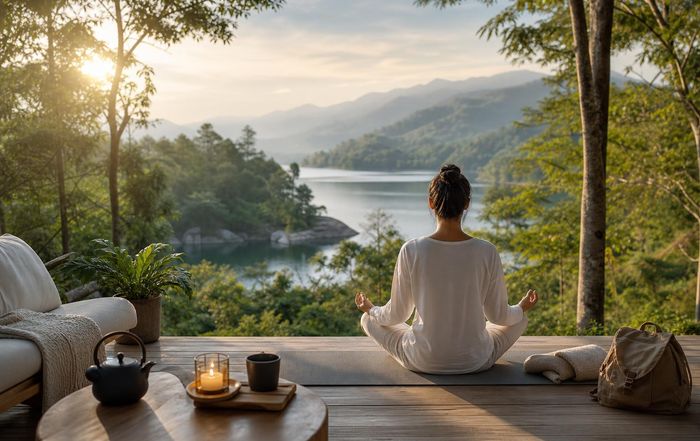
How to Plan a Short Wellness Escape Close to Nature
Why Short Nature-Based Wellness Escapes Matter!
Around the world, a growing number of travelers are discovering that meaningful renewal does not always require long-haul flights or extended sabbaticals. A well-planned short wellness escape, especially one rooted in nature, can recalibrate body and mind in just a few days and offer a sustainable alternative to more intensive travel. For the community of WorldWeTravel readers, who often balance demanding careers, family responsibilities, and a love of exploration, the question is no longer whether a brief retreat can be transformative, but how to design one that is genuinely restorative, practical, and aligned with personal values.
Research from organizations such as the World Health Organization and academic centers including Harvard T.H. Chan School of Public Health has increasingly emphasized the benefits of time spent in green and blue spaces for stress reduction, cardiovascular health, and mental well-being. Studies on "forest bathing," or shinrin-yoku, pioneered in Japan and highlighted by the Yale School of the Environment, suggest that even a few hours immersed in forests can lower blood pressure, reduce cortisol, and elevate mood. Similarly, evidence compiled by Mental Health Foundation in the United Kingdom connects regular contact with nature to improvements in anxiety and depression symptoms. These findings support the idea that a short, focused escape into natural surroundings can provide measurable benefits, particularly when the itinerary is intentionally crafted.
This article explores, from a global perspective, how travelers can plan a short wellness escape close to nature that integrates rest, movement, mindful nutrition, and cultural respect. It is designed as a practical guide grounded in credible research, real-world travel patterns, and the experience-driven ethos that our editorial and research team champions across its daily reporting of destinations, travel inspiration, and wellness retreats.
Defining a Short Wellness Escape in a Connected World
A short wellness escape is typically a two- to five-day trip centered on well-being, where the primary goals are rest, reconnection with nature, and gentle physical and mental reset rather than sightseeing intensity or business obligations. Unlike a traditional vacation, which may emphasize covering as many attractions as possible, a wellness escape is deliberately narrow in scope and slower in pace. It prioritizes sleep quality, nourishing food, and unstructured time.
Travelers in regions such as North America, Europe, and Asia increasingly favor destinations reachable within a few hours by train or car, in part to reduce travel fatigue and emissions. Reports from Booking.com and Skift Research suggest that short "micro-cations" and weekend wellness getaways have grown in popularity, particularly among professionals who cannot take extended time off but still seek meaningful rest. For WorldWeTravel readers in the United States, this might mean a cabin retreat in the Adirondacks or a coastal escape in Oregon; for those in Germany or France, a forest spa in the Black Forest or a countryside farm stay in Provence; for travelers in Japan or South Korea, a hot spring town or mountain ryokan accessible by rail.
The defining elements are proximity, nature immersion, and wellness-oriented activities. WorldWeTravel's own coverage of global trends reflects this shift toward shorter, more intentional journeys that fit within busy lives while still honoring the desire for authentic, restorative experiences.
Choosing the Right Nature-Focused Destination
Selecting the right destination is the foundation of a successful wellness escape. The ideal location offers easy access from home, a calming natural environment, and infrastructure that supports rest rather than overstimulation. This does not necessarily require an isolated luxury resort; many travelers find equal or greater benefit in modest eco-lodges, family-run guesthouses, or small hotels that prioritize quiet and access to trails, water, or gardens.
In the United States and Canada, national and state parks, as well as protected coastal areas, offer abundant opportunities for short retreats. Information from the U.S. National Park Service and Parks Canada highlights a wide range of accessible trails, campgrounds, and nearby communities where travelers can combine simple accommodation with outdoor activities. In Europe, organizations such as Europarc Federation promote protected landscapes that balance conservation with low-impact tourism, making it easier to identify regions where nature is preserved and visitor pressure is managed.
In Asia, countries like Japan, Thailand, and South Korea have increasingly integrated wellness tourism with traditional practices such as hot springs, meditation, and herbal medicine, often in mountain or coastal settings. Resources from Japan National Tourism Organization, Tourism Authority of Thailand, and Visit Korea provide detailed guidance on nature-based wellness experiences that are culturally rooted and environmentally sensitive. For travelers in Australia and New Zealand, national park systems and coastal conservation areas, highlighted by Parks Australia and Department of Conservation New Zealand, support short breaks that combine hiking, beach time, and wildlife observation.
On WorldWeTravel, readers can explore region-specific ideas through curated destination guides and nature-focused eco travel features, which emphasize responsible tourism and local authenticity. By starting with proximity and ease of access, travelers can reduce transit stress and maximize the time available for genuine rest.
Aligning the Escape with Personal Wellness Goals
A nature-based escape becomes more effective when it is aligned with clearly defined personal goals. Some travelers prioritize physical recovery from a demanding work schedule; others seek mental clarity, family reconnection, or a digital reset. Clarifying intentions helps shape decisions about location, accommodation, and daily rhythm.
Health organizations such as the Mayo Clinic and Cleveland Clinic have long emphasized the importance of sleep, stress management, and moderate exercise as pillars of wellness. For those aiming to improve sleep quality, destinations with minimal noise pollution, dark skies, and comfortable bedding may be paramount. Travelers focused on mental health might prioritize access to quiet walking paths, meditation spaces, or gentle yoga rather than more strenuous activities. Families may look for environments where children can explore safely outdoors, with nature-based play rather than screen-based entertainment.
On WorldWeTravel, sections like family travel, health and wellness, and practical tips offer frameworks for aligning travel with specific outcomes, from managing burnout to fostering healthier habits. By approaching the escape as a small, intentional intervention rather than a vague "getaway," travelers can better measure its impact and carry positive changes back into daily life.
Selecting Accommodations that Support Well-Being
Accommodation choice is central to the wellness experience. While many hotels now advertise wellness programs, spa facilities, or nature views, travelers benefit from looking beyond marketing language to assess practical factors: noise levels, access to outdoor spaces, food quality, and opportunities for movement and reflection.
Reputable hotel platforms and sustainability-focused organizations, including Global Sustainable Tourism Council (GSTC) and Green Key, provide frameworks for evaluating whether a property genuinely follows responsible and health-supportive practices. Travelers can look for evidence of thoughtful design, such as natural light, good ventilation, use of non-toxic materials where disclosed, and integration with the surrounding landscape rather than domination of it. Some properties emphasize biophilic design, a concept explored by International WELL Building Institute, which incorporates elements like indoor plants, natural textures, and views of greenery to support psychological well-being.
For readers of WorldWeTravel, the hotels and stays section curates options that prioritize comfort, character, and connection to place. This may include small alpine lodges in Switzerland, farm stays in Italy, coastal guesthouses in Australia, or ryokans in Japan, each with its own approach to wellness. In many cases, the most restorative stays are not the most extravagant; they are the ones where travelers feel safe, unrushed, and gently invited to slow down.
Designing a Gentle, Restorative Itinerary
A short wellness escape is most effective when the itinerary is intentionally light. The aim is not to fill every hour but to create a flexible structure that encourages rest, reflection, and unhurried enjoyment of nature. Health experts, including those cited by American Psychological Association, often recommend building in unscheduled time during breaks to allow the nervous system to downshift from chronic stress.
A typical day on a nature-focused wellness escape might begin with a slow morning, perhaps a brief meditation or breathwork practice followed by a walk in a nearby forest, along a beach, or through a quiet rural landscape. Midday might include a nourishing meal featuring fresh, local ingredients, some time for reading or journaling, and a short nap or restorative yoga session. Late afternoon could be dedicated to a longer hike, a swim, or simply sitting outdoors listening to natural sounds. Evenings are best kept screen-light, with simple rituals like herbal tea, stretching, or stargazing.
For travelers who prefer more structure, guidance from reputable organizations such as Headspace or Calm can help integrate mindfulness and sleep-supporting routines into the day. WorldWeTravel's retreat-focused content often highlights sample day plans from respected wellness centers around the world, offering models that individuals can adapt to self-guided escapes. The key is to balance gentle activity with genuine rest, avoiding the temptation to turn the escape into another form of performance or productivity.
Nourishing the Body: Food, Hydration, and Local Flavors
Nutrition plays a subtle but powerful role in how restorative an escape feels. Short trips close to nature provide an opportunity to step away from rushed meals and heavily processed foods and to reconnect with simpler, slower eating patterns. Research discussed by institutions like Harvard Medical School and Johns Hopkins Medicine underscores the relationship between diet, inflammation, mood, and long-term health, suggesting that even brief periods of more mindful eating can positively influence energy and well-being.
In many nature-based destinations, local food traditions naturally align with wellness principles, emphasizing seasonal produce, whole grains, and moderate portions. Travelers in Mediterranean regions may encounter diets rich in vegetables, olive oil, and seafood, while visitors to Japan might enjoy meals centered on rice, fish, and fermented foods. In Nordic countries, foraged berries, whole grains, and cold-water fish are common; in Thailand and other parts of Southeast Asia, herbs and spices with potential anti-inflammatory properties are often integrated into daily cuisine.
On a practical level, travelers can support their wellness goals by staying hydrated, moderating alcohol intake, and seeking out local establishments that prepare fresh, simple dishes. WorldWeTravel's culture and food stories frequently highlight how culinary traditions intersect with well-being, offering inspiration for travelers who wish to engage with local flavors while still feeling light and energized. A short escape is not the time for strict dietary rules, but for attentive, enjoyable nourishment that honors both body and place.
Integrating Movement and Gentle Adventure
Physical activity is a cornerstone of wellness, yet on a short escape the emphasis is less on intensity and more on connection. Nature provides an ideal environment for low-impact movement that feels playful rather than obligatory. Evidence from organizations such as the American Heart Association and World Health Organization shows that even moderate daily activity, such as brisk walking or gentle cycling, contributes to cardiovascular health, improved mood, and better sleep.
Depending on geography and season, travelers might choose forest hikes in Germany's Black Forest, lakeside walks in Canada, coastal paths in the United Kingdom, or mountain trails in South Korea. In many regions, local tourism boards, including Visit Norway, Tourism Australia, and Destination Canada, provide detailed, safety-conscious information on short trails suitable for a weekend visit. For those near water, activities like kayaking, stand-up paddleboarding, or cold-water dips can offer both physical and mental benefits, particularly when approached with respect for local safety guidelines.
WorldWeTravel's travel and outdoor guides often emphasize accessible adventures that do not require specialized skills or equipment, making them ideal for short, spontaneous escapes. The intention is to move the body in ways that feel joyful, to breathe more deeply, and to let natural surroundings gently reset overstimulated minds.
Digital Boundaries and Mental Reset
In a highly connected world, one of the most powerful aspects of a short wellness escape can be the opportunity to step back from constant digital engagement. Mental health organizations such as Mind in the United Kingdom and National Alliance on Mental Illness (NAMI) in the United States have noted that excessive screen time and continuous news exposure can exacerbate anxiety and sleep disturbances. While complete disconnection may not be practical for everyone, especially those with caregiving or work responsibilities, setting clear boundaries can significantly enhance the restorative quality of a trip.
This might involve checking messages only once or twice a day, using airplane mode during hikes or meals, and avoiding work-related email entirely for the duration of the escape where possible. Many travelers find it helpful to inform colleagues or clients in advance, framing the retreat as a brief mental reset that ultimately supports better performance upon return. WorldWeTravel's work and life balance content frequently explores strategies for negotiating these boundaries in professional settings across the United States, Europe, and Asia, acknowledging cultural differences while advocating for healthier norms.
By consciously limiting digital distractions, travelers create space for deeper presence: listening to birdsong, noticing subtle changes in light, engaging in unhurried conversations with companions, or simply allowing the mind to wander. These experiences, while intangible, often become the most cherished memories of a wellness escape.
Traveling Sustainably and Respecting Local Communities
A wellness escape that is truly restorative extends its care beyond the individual traveler to the environment and host communities. Sustainable travel is increasingly recognized as an essential dimension of responsible tourism, with organizations such as United Nations World Tourism Organization (UNWTO) and World Wildlife Fund (WWF) emphasizing the need to minimize ecological impact and support local livelihoods. For nature-based escapes, this responsibility is especially acute, as fragile ecosystems and small communities can be easily overwhelmed.
Practical steps include choosing destinations reachable by train or bus where feasible, traveling in off-peak seasons to reduce crowding, staying in locally owned accommodations, and supporting small businesses such as family-run restaurants, guides, and artisans. Travelers can also follow Leave No Trace principles, as outlined by Leave No Trace Center for Outdoor Ethics, by staying on marked trails, carrying out waste, and respecting wildlife. Learning a few phrases in the local language and familiarizing oneself with cultural norms fosters mutual respect and more meaningful encounters.
WorldWeTravel's eco travel section and economy and global insights examine how tourism can contribute positively when approached thoughtfully, highlighting case studies from countries such as Costa Rica, Norway, and New Zealand where nature-based tourism is closely linked to conservation. By integrating sustainability into the planning process, travelers ensure that their own pursuit of well-being does not come at the expense of the places and people that host them.
Bringing the Benefits Home
The most powerful wellness escapes do not end when the traveler returns home; instead, they serve as catalysts for small, lasting changes. Health experts from institutions like Stanford Medicine and King's College London have discussed how habit formation often begins with short, focused experiences that demonstrate the benefits of new routines. A weekend of early nights and morning walks may inspire a renewed commitment to sleep hygiene; a few days of mindful eating might encourage more home cooking; an afternoon of forest bathing could lead to regular visits to local parks.
WorldWeTravel encourages readers to treat each nature-based escape as both a reward and a learning opportunity. Journaling during or after the trip can help capture insights about what felt most restorative, which environments were most calming, and which activities sparked genuine joy. These reflections can then inform future travel decisions and everyday choices, from rearranging living spaces to incorporate more natural light and plants, to scheduling regular mini-retreats in nearby green spaces.
For those inspired to deepen their journey, WorldWeTravel's main site at worldwetravel.com and its technology and innovation section highlight digital tools, apps, and platforms that support ongoing wellness, from guided meditation to nature-sound libraries. The aim is not to recreate the escape exactly, but to weave elements of its calm and clarity into daily routines.
A Global Invitation to Pause
Across continents-from the forests of Scandinavia and the lakes of Canada to the coasts of Australia, the mountains of Japan, and the countryside of Italy-people are rediscovering the power of short, nature-based wellness escapes. In an era marked by rapid change and constant connectivity, the decision to step away, even briefly, becomes an act of self-care and, in many ways, of quiet resistance to burnout culture. Evidence from health research, environmental organizations, and tourism studies converges on a simple truth: time in nature, approached with intention and respect, is not a luxury but a vital component of a balanced life.
For the awesome community here, the invitation is clear. Rather than waiting for the perfect long holiday, travelers can begin where they are, seeking out nearby forests, mountains, coasts, and countryside that offer space to breathe. By choosing destinations thoughtfully, aligning trips with personal wellness goals, embracing slow itineraries, and traveling sustainably, individuals and families can craft short escapes that leave them not only rested, but more connected-to themselves, to each other, and to the living world that sustains every journey.