

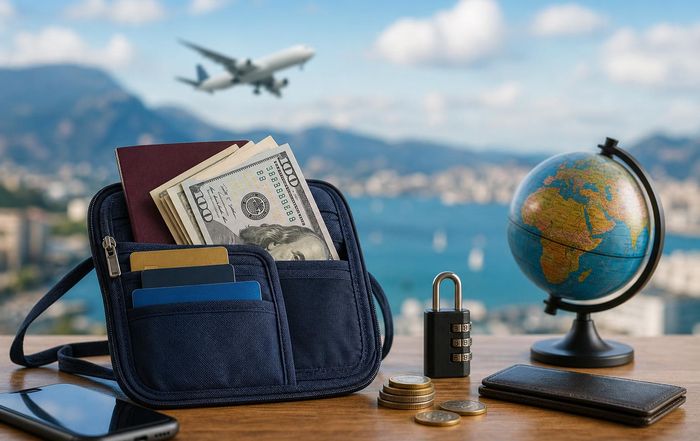
How to Manage Money Safely During International Travel
Managing money safely has become one of the central skills of modern international travel, and as borders reopen more fully and digital payments mature, the way travelers protect their finances is evolving rapidly. For our growing fans, who often combine adventure with a thoughtful, responsible approach to the world, understanding how to move through airports, cities, and remote landscapes without putting bank accounts or personal data at risk is as important as choosing the right destination or hotel.
This article explores the current best practices for handling money abroad, drawing on guidance from major financial institutions, cybersecurity experts, and travel professionals, and grounding those recommendations in the lived realities of families, solo travelers, business travelers, and long-term explorers.
The New Landscape of Travel Money
International travel now takes place in a world where cash, cards, and phones coexist, and where a single misplaced device can be as damaging as a stolen wallet. According to reports from the World Bank and Bank for International Settlements, cross-border digital payments and card usage have grown significantly in the past decade, while traditional traveler's cheques have almost entirely disappeared. In practice, this means that travelers rely more heavily on payment networks, mobile apps, and online banking, which in turn requires a more sophisticated approach to security.
Organizations such as the U.S. Federal Trade Commission and the UK National Cyber Security Centre have repeatedly warned that public Wi-Fi, phishing scams, and card skimming remain common threats for travelers. At the same time, consumer protections for card transactions and digital wallets have improved in many countries, giving careful travelers strong tools to reduce risk. For visitors planning trips described in the destinations guide, understanding these tools before departure can transform financial anxiety into quiet confidence.
Planning Before Departure: Foundations of Safe Travel Finance
The most effective money safety strategies begin well before boarding a plane. Financial institutions such as Visa, Mastercard, and major banks advise travelers to diversify their payment methods and to safeguard access to accounts.
Travelers are generally encouraged to carry at least two different payment cards, preferably from separate banks or networks, and to keep them in different locations, such as one in a primary wallet and another secured in accommodation. This simple redundancy protects against the consequences of loss, theft, or a card being unexpectedly blocked. Many banks now allow customers to set travel notifications through their apps, although some institutions state that real-time fraud monitoring has reduced the need to do this; travelers are therefore advised to check their bank's current guidance on its official website before leaving.
Authorities such as Europol and INTERPOL highlight the importance of strong, unique passwords and multi-factor authentication on banking and email accounts, because email compromise can be a gateway to resetting financial credentials. Using a reputable password manager, recommended by organizations such as the Electronic Frontier Foundation, allows travelers to maintain complex passwords without relying on memory or insecure notes.
For families planning multi-generational trips through resources like the family travel section, pre-trip conversations about who holds which cards, how children or teenagers will access emergency funds, and how to communicate if a card is lost can prevent confusion at stressful moments.
Choosing the Right Cards and Accounts
Selecting the right financial tools is central to safe and cost-effective travel. Consumer advocates and comparison websites such as NerdWallet, MoneySavingExpert in the UK, and Canstar in Australia consistently emphasize three criteria: security features, foreign transaction fees, and exchange rate policies.
Many modern debit and credit cards now include EMV chip technology and contactless payments, which are generally considered more secure than magnetic stripe transactions, according to organizations like the Payments Card Industry Security Standards Council. Travelers are typically advised to prefer chip-and-PIN or contactless payments where available, as these methods can reduce the risk of card cloning.
Foreign transaction fees and dynamic currency conversion can quietly erode travel budgets. Regulators such as the European Commission and the Australian Securities and Investments Commission have issued consumer guidance explaining that dynamic currency conversion, where a card terminal offers to charge in the traveler's home currency instead of the local currency, often results in a poorer exchange rate. Financial educators therefore advise travelers to choose to pay in the local currency in most cases, after verifying any fees with their card issuer.
For those engaging in remote work or extended stays, as often described in the WorldWeTravel work and travel insights, multi-currency accounts and cards offered by regulated providers can simplify payments and ATM withdrawals across several countries. Travelers are encouraged to check that any such provider is licensed and supervised by relevant financial authorities, which can usually be confirmed through official regulator websites, such as the UK Financial Conduct Authority or the Monetary Authority of Singapore.
Cash: When, Why, and How Much
Although digital payments are expanding, cash remains important in many parts of the world, particularly in smaller towns, markets, and among independent operators. Central banks such as the European Central Bank and Bank of Japan report that cash usage persists strongly in certain economies, and travelers who rely entirely on cards may find themselves unexpectedly stranded in cash-centric environments.
Experts from organizations like Consumer Reports advise travelers to carry a modest amount of local currency for immediate needs such as transport from the airport, small purchases, and tipping in regions where this is customary. However, carrying large sums of cash is widely discouraged due to theft risk and lack of consumer protection. A balanced approach might involve withdrawing moderate amounts as needed, using ATMs located inside bank branches or reputable hotels, which many security specialists consider safer than standalone machines on the street.
Travelers using resources from WorldWeTravel on hotels and accommodation can look for properties that provide secure in-room safes or safety deposit boxes at reception. While safes are not infallible, they can reduce the risk compared with carrying all cash on one's person. Insurance providers and organizations such as the Association of British Insurers note that coverage for cash loss is often limited, reinforcing the wisdom of minimizing physical currency exposure.
ATMs, Card Skimming, and Practical Vigilance
Using ATMs abroad is generally considered a convenient way to obtain local currency at reasonable exchange rates, but it also introduces security considerations. Law enforcement agencies and financial security organizations report ongoing incidents of card skimming, where criminals attach devices to ATMs to capture card details and PINs.
Guidance from the U.S. Secret Service and various national police forces typically recommends that travelers visually inspect ATMs before use, avoiding machines with loose or misaligned card slots or keypads, and shielding the keypad while entering a PIN. If an ATM appears tampered with or is located in a poorly lit or isolated area, travelers are encouraged to seek an alternative, preferably within a bank branch or busy commercial location.
Banks and consumer organizations further suggest that travelers check account activity regularly through secure apps or websites, enabling early detection of unauthorized transactions. The Federal Deposit Insurance Corporation and similar bodies in other countries emphasize that prompt reporting of suspicious charges can significantly limit liability, particularly for credit cards, which often offer stronger fraud protections than debit cards.
For those moving between multiple countries on complex itineraries, such as those featured on the global travel overview, it can be helpful to maintain a simple log of where and when each ATM was used, as this can assist in recognizing anomalies and communicating with banks if a dispute arises.
Mobile Payments, Digital Wallets, and Device Security
Mobile payments and digital wallets have become central to travel finance in many regions, particularly in parts of Asia and Europe where contactless infrastructure is widespread. Services integrated into smartphones and wearables use tokenization, meaning that actual card numbers are not transmitted during transactions, which organizations such as EMVCo and National Institute of Standards and Technology identify as a significant security advantage.
However, the convenience of mobile payments introduces a new dependency on device security. Cybersecurity agencies, including the Cybersecurity and Infrastructure Security Agency in the United States and the European Union Agency for Cybersecurity (ENISA), advise travelers to secure devices with strong passcodes or biometrics, enable remote-wipe capabilities, and keep operating systems and apps updated to patch known vulnerabilities.
Public Wi-Fi networks, often used in airports, cafés, and hotels, can be risky for sensitive transactions. Security experts frequently recommend avoiding online banking or card management on unsecured networks, or using a reputable virtual private network (VPN) if such access is unavoidable. It is generally safer to rely on a mobile data connection when reviewing financial accounts.
Travelers drawing on the WorldWeTravel technology and travel insights can explore how to integrate eSIMs, local data plans, and secure messaging into their travel routine, ensuring that financial notifications and alerts are received promptly and safely.
Protecting Families and Groups on the Move
Family and group travel introduces both additional complexity and additional opportunities for resilience. Parents traveling with children or teenagers may wish to combine traditional oversight with financial education, using the journey as a practical lesson in budgeting, safety, and responsible digital behavior.
Child safety organizations and financial literacy groups often suggest that older children can be given prepaid cards with limited balances rather than access to primary accounts, reducing the consequences of loss while still offering autonomy. These products should be chosen from regulated providers and configured with spending limits and alerts where available. Clear agreements about what constitutes an emergency, and how to contact parents if a card is lost or blocked, help to reduce panic and confusion.
Multi-generational travelers using the WorldWeTravel family travel resources can consider designating one or two adults as primary financial coordinators, with others holding backup cards or emergency cash. Keeping a written list of important contacts, including bank international phone numbers, can be invaluable if phones are lost or batteries fail.
Business Travelers and Remote Professionals
For business travelers and remote professionals, financial safety intersects with corporate policy, data protection regulations, and tax considerations. Organizations such as Deloitte, PwC, and EY regularly publish guidance on corporate travel risk management, noting that financial security is increasingly tied to cybersecurity and compliance.
Employees traveling on behalf of a company are often required to use corporate cards, which may have specific fraud monitoring and insurance provisions. It is important for travelers to understand what is covered, such as trip interruption, lost luggage, or rental car liability, and what remains their personal responsibility. Corporate policies may also dictate how expenses are recorded and reimbursed, making it essential to retain receipts and maintain clear records, even when using digital tools.
Remote workers and digital nomads, a growing audience within the business travel hub, face additional challenges when receiving income across borders, paying local expenses, and navigating different tax regimes. Official guidance from tax authorities, such as the Internal Revenue Service in the United States, HM Revenue & Customs in the UK, and comparable agencies elsewhere, should be consulted to avoid unintended non-compliance. Some professionals choose to work with cross-border tax specialists or international accountants to manage complexity.
Health, Well-Being, and Financial Peace of Mind
Financial security is closely linked to overall well-being during travel. Studies referenced by organizations such as the World Health Organization and American Psychological Association suggest that financial stress can significantly affect mental health, sleep quality, and decision-making, which in turn may influence safety and enjoyment on the road.
Travel health experts emphasize the importance of comprehensive travel insurance that covers medical emergencies, evacuation, and, where relevant, pre-existing conditions. Official consumer advice from governments, such as Canada's Travel and Tourism portal or the UK Foreign, Commonwealth & Development Office, highlights that medical costs in some countries can be extremely high, and that travelers without adequate coverage may face serious financial hardship.
Readers exploring the WorldWeTravel health and wellness in travel section can integrate financial planning into broader self-care strategies, ensuring that money matters support rather than undermine the restorative potential of vacations, retreats, and long-term journeys.
Sustainable and Ethical Spending Abroad
Managing money safely is not only a matter of personal protection; it also intersects with ethical and sustainable travel practices. Organizations such as the United Nations World Tourism Organization (UNWTO) and Global Sustainable Tourism Council encourage travelers to consider how their spending supports local communities, preserves cultural heritage, and minimizes environmental impact.
Using local businesses where possible, paying fair prices, and avoiding exploitative bargaining can contribute to healthier local economies. Responsible travelers often seek out accommodations and experiences that adhere to recognized sustainability standards, which can be explored through platforms like Green Key or B Corp directories, as well as through curated content in the WorldWeTravel eco-conscious travel section.
In some destinations, cash payments may help small vendors avoid excessive transaction fees, while in others, digital payments can increase transparency and safety. Understanding the local context, through government tourism boards or reputable travel guides, allows travelers to align financial safety with positive local impact.
Retreats, Slow Travel, and Long-Term Stays
Travelers embarking on retreats, sabbaticals, or slow travel experiences face unique financial considerations, including extended accommodation, recurring bills at home, and long-term budgeting. Wellness and retreat centers, often highlighted in the retreat travel inspiration, may require deposits or full prepayment, making it important to verify refund policies and the provider's reputation through independent reviews and, where possible, industry accreditation.
For long-term stays, opening a local bank account may be beneficial or even necessary, although regulations vary widely by country. Government immigration and financial regulator websites, such as those in the European Union, Singapore, or New Zealand, provide the most reliable information on eligibility and documentation. Travelers are advised to be cautious of informal financial arrangements and to avoid carrying large sums of cash across borders, as customs regulations and declaration requirements can be strict.
Budgeting tools, whether app-based or traditional spreadsheets, can help long-term travelers track expenses and adjust plans proactively. Some choose to separate funds into different accounts for accommodation, daily living, and emergencies, reducing the risk that overspending in one category will jeopardize essentials.
Practical Tips for Day-to-Day Safety
In daily travel life, small habits can significantly reduce financial risk. Security professionals and travel advisors commonly recommend keeping wallets and phones in front pockets or secure bags, using money belts or hidden pouches in crowded environments, and remaining discreet when handling cash or high-value items. Many urban police departments in popular destinations such as Barcelona, Rome, or Bangkok publish multilingual advice on avoiding pickpocketing, which often focuses on crowded transit, tourist sites, and busy nightlife districts.
It is also wise to keep photocopies or secure digital copies of passports, bank cards, and important documents, stored separately from the originals. This can expedite replacement processes if items are lost or stolen. Emergency contact numbers for banks should be written down as well as stored in phones, ensuring accessibility even if devices are unavailable.
Travelers seeking concise, experience-driven guidance can find additional ideas in the general travel tips resource, which complements official advice from government travel advisories such as Travel.State.Gov in the United States or Smartraveller in Australia.
How WorldWeTravel is Helping in Safer Global Exploration!
As international travel continues to evolve, WorldWeTravel positions itself as a small but trusted companion for smart thinking readers who want to explore the world with confidence, curiosity, and respect. By combining destination insights from the core travel hub with perspectives on culture, economy, technology, and well-being, worldwetravel helps travelers make informed decisions not only about where to go, but how to move through the world responsibly.
Financial safety is one pillar of this broader mission. Whether a family is planning a first overseas holiday, a couple is designing a once-in-a-lifetime honeymoon, a professional is managing complex business itineraries, or a solo traveler is embracing a year of global exploration, the principles outlined here-diversified payment methods, careful choice of cards and accounts, prudent use of cash, vigilance with ATMs, secure use of mobile payments, and thoughtful engagement with local economies-offer a framework for protecting both money and peace of mind.
By drawing on authoritative sources such as central banks, consumer protection agencies, cybersecurity organizations, and reputable financial educators, and by integrating those insights into practical, traveler-focused guidance, WorldWeTravel aims to empower its community to step onto every plane, train, or ferry with financial systems that are as resilient and well-planned as their itineraries. In a world where opportunities for global connection are greater than ever, safe and smart money management allows travelers to focus on what truly matters: meaningful experiences, authentic encounters, and the enduring joy of discovering the world.