

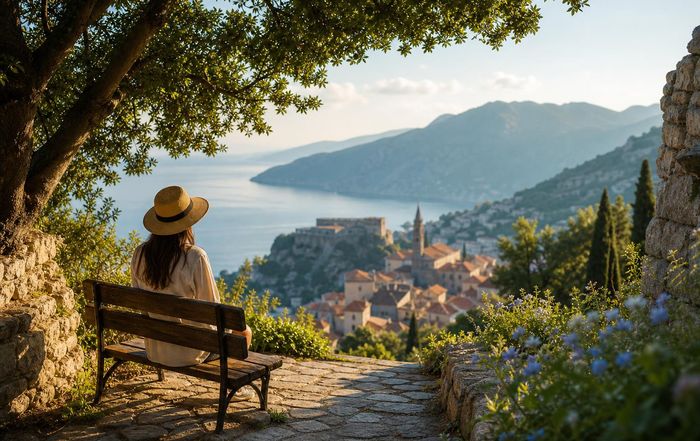
How to Find Quiet Places in Popular Tourist Destinations
Finding a moment of stillness in the world's busiest destinations has become one of the most sought-after luxuries in modern travel. As global tourism rebounds and grows, iconic cities and natural landmarks can feel more crowded than ever, yet the desire for calm, reflection and genuine connection with a place has not disappeared. On the contrary, it has become central to how many travelers define a meaningful journey. For WorldWeTravel, which connects readers with experiences that balance discovery and wellbeing, learning how to locate and protect quiet spaces amid the world's favorite destinations is both a practical skill and an ethical responsibility.
This article explores how travelers can uncover pockets of peace in famous cities and resorts, how families and business travelers can adapt these strategies, and how quieter travel choices support cultural preservation, environmental sustainability and personal health. It draws on current research, destination case studies and the evolving practices of tourism professionals to offer a roadmap for calmer, more intentional travel.
Why Quiet Matters in an Era of Crowded Travel
The modern travel environment is shaped by low-cost airlines, digital booking platforms and the rapid growth of middle-class travelers in regions such as Asia and Latin America. According to the UN World Tourism Organization (UNWTO), international arrivals have recovered strongly from the pandemic years and are projected to keep rising, particularly in Europe, the Americas and parts of Asia. Popular destinations from Venice to Kyoto have responded with visitor caps, reservation systems and campaigns encouraging travelers to explore beyond the most photographed streets.
At the same time, global health organizations highlight the toll that constant noise and overstimulation can take on physical and mental wellbeing. The World Health Organization (WHO) has documented the health impacts of environmental noise, including stress and sleep disturbance, while studies in environmental psychology suggest that access to quiet natural spaces can improve mood, cognitive performance and overall life satisfaction. For many travelers, especially those combining work and leisure, quiet is no longer a luxury add-on but a core requirement.
On WorldWeTravel, readers increasingly seek guidance not only on iconic destinations but also on how to experience them in ways that support personal balance and respect for local communities. The search for quiet is therefore not an escape from tourism, but a reimagining of how tourism can work better for visitors and residents alike.
Understanding the Geography of Silence in Busy Cities
In almost every major city, quiet is not evenly distributed. It tends to cluster in specific urban forms: historic libraries, religious buildings, botanical gardens, residential side streets, waterfront promenades and hilltop parks. Recognizing these patterns helps travelers quickly identify where restorative spaces are likely to be found, even without extensive prior research.
Urban design research from institutions such as MIT and UCL has shown that small changes in street layout, building height and traffic management can significantly alter perceived noise levels. A traveler who steps just one block away from a main avenue in New York, London or Tokyo may suddenly encounter a sheltered courtyard or pocket park where the city's energy is present but not overwhelming. Learning to read maps for green spaces, riverbanks and elevation changes is therefore a practical skill. Tools such as OpenStreetMap (openstreetmap.org) and city park directories can reveal clusters of small gardens and local squares that rarely appear in mainstream travel guides.
For visitors who plan their journeys through WorldWeTravel's dedicated travel section, integrating this spatial awareness into an itinerary means intentionally alternating high-intensity sites with low-intensity environments. A morning at a world-famous museum might be balanced with an afternoon in a lesser-known riverside park, allowing the day to breathe and giving each experience more emotional depth.
Time as a Tool: When Popular Places Become Quiet
If geography is one dimension of quiet, time is the other. Many of the world's busiest attractions are surprisingly peaceful outside peak hours, and understanding local rhythms can transform even the most crowded destination into a place of reflection. Research by VisitBritain and other national tourism boards shows that visitor flows often follow predictable patterns, with mid-morning to mid-afternoon surges and quieter windows at opening and near closing times, as well as during weekdays outside school holidays.
In cities such as Paris, Rome or New York, early morning walks through central districts can reveal a completely different character, as shopkeepers open shutters, market vendors set up and commuters move with purposeful calm. Major parks like Central Park in New York (centralparknyc.org) or the Royal Parks in London (royalparks.org.uk) are often at their most tranquil around sunrise, offering soft light for photography and a sense of ownership over spaces that will later be filled with visitors.
Seasonality also plays a crucial role. Organizations such as OECD Tourism (oecd.org/tourism) and European Travel Commission report increasing campaigns to promote off-season travel, both to reduce pressure on infrastructure and to create better experiences. A Mediterranean city that feels overwhelmed in August may be quietly vibrant in late autumn, while mountain destinations in Switzerland or Japan can be remarkably peaceful between the main ski and summer hiking seasons. For families planning through WorldWeTravel's family travel resources, aligning school breaks with shoulder seasons, where possible, can significantly improve both comfort and value.
Hidden Oases: Libraries, Gardens, and Sacred Spaces
Some of the most reliable quiet spaces in busy destinations are institutions that explicitly value contemplation. Public libraries, university campuses, religious buildings and botanical gardens often welcome visitors respectfully, even when they are not primarily tourist attractions. The American Library Association (ala.org) and national library networks list branches that may be located near major city centers yet see relatively few tourists.
Historic libraries in cities such as Boston, Vienna or Melbourne frequently provide reading rooms open to the public, where visitors can rest, recharge devices, and absorb local culture through architecture and collections. Similarly, university quadrangles and museum courtyards can offer sheltered spaces with seating and greenery, even when the galleries themselves are busy. Institutions like the Smithsonian in Washington, D.C. (si.edu) and the Louvre in Paris (louvre.fr) maintain online maps that reveal gardens and side entrances often overlooked by crowds.
Religious buildings, from cathedrals to neighborhood temples, are among the most powerful places of quiet, though they require particular sensitivity. Many churches in Italy, Spain or France remain open outside service times, allowing visitors to sit silently away from the rush of nearby plazas. In Buddhist temples across Japan or Thailand, designated meditation halls may be accessible to respectful travelers. Tourism authorities such as Japan National Tourism Organization (japan.travel) and Tourism Authority of Thailand (tourismthailand.org) provide guidelines on appropriate behavior, which travelers should review to ensure that the search for quiet never disrupts local spiritual life.
Botanical gardens and urban nature reserves, often managed by organizations like Botanic Gardens Conservation International (bgci.org), are another consistent refuge. In cities including Singapore, Sydney and Cape Town, these green spaces double as living museums of regional biodiversity, offering shaded paths, water features and seating where visitors can slow down and reconnect with the natural environment, even within walking distance of busy business districts.
Choosing Hotels and Retreats that Protect Quiet
Accommodation choices strongly influence how much quiet a traveler experiences, especially in heavily visited destinations. While large central hotels offer convenience, they can also expose guests to street noise and late-night activity. Increasingly, travelers use filters and guest reviews on platforms such as Booking.com (booking.com) and Tripadvisor (tripadvisor.com) to identify properties that prioritize soundproofing, courtyard design and location on calmer side streets.
On WorldWeTravel's curated hotels page, readers are encouraged to look beyond star ratings and focus on design features that support rest: double-glazed windows, internal gardens, wellness floors, and clear quiet-hours policies. Boutique hotels in historic neighborhoods, agriturismos in Italy, ryokan in Japan or eco-lodges in Costa Rica often integrate local materials and landscapes in ways that naturally buffer noise. Many wellness-oriented retreats, highlighted in WorldWeTravel's retreat section, explicitly market digital detox programs, meditation pavilions and car-free campuses, which can be especially valuable for travelers recovering from long flights or intense work schedules.
For business travelers, whose schedules may leave little flexibility to chase quiet during the day, the hotel becomes a critical sanctuary. Corporate travel managers increasingly work with providers that understand the relationship between rest, performance and wellbeing, aligning with guidance from organizations such as the Global Business Travel Association (gbta.org). Selecting properties a short walk from, rather than directly adjacent to, major convention centers or financial districts can create a buffer that improves sleep and concentration without sacrificing efficiency.
Traveling as a Family: Quiet for All Ages
Families often assume that quiet travel is incompatible with children's needs for play and exploration, yet many of the same strategies apply, with thoughtful adaptation. In cities like London, Berlin or Toronto, playgrounds and community centers located just outside tourist cores can provide free, low-stimulus spaces where children can decompress from museum visits and crowds. Municipal websites, such as NYC Parks (nycgovparks.org) or City of Sydney (cityofsydney.nsw.gov.au), typically list parks and facilities with photos and accessibility details, helping parents plan routes that alternate cultural highlights with rest stops.
When planning through WorldWeTravel's family resources, parents are encouraged to design itineraries with more generous time buffers than they might use when traveling alone. Shorter daily agendas, longer stays in a single base city, and the inclusion of child-friendly quiet spaces such as interactive science museums with calm zones, public libraries with children's corners or riverside walking paths can make even very popular destinations more enjoyable. Many major museums, including the British Museum (britishmuseum.org) and Smithsonian institutions, now offer sensory maps and quiet hours aimed at neurodivergent visitors, which can also benefit families seeking calmer experiences.
Accommodation with separate sleeping areas, kitchenettes and access to outdoor space can further support family quiet. Apartment-style hotels or serviced apartments in residential neighborhoods allow families to step away from tourist clusters while experiencing local daily life, from neighborhood bakeries to playgrounds where children can meet local peers.
Cultural Sensitivity and the Ethics of Seeking Quiet
The search for quiet has ethical dimensions that responsible travelers must consider. Quiet neighborhoods are often home to long-term residents who may already feel pressure from rising rents and visitor numbers. Platforms such as Airbnb (airbnb.org) and academic research from institutions like ETH Zurich highlight how short-term rentals can contribute to housing challenges in some cities, although the extent of impact varies and remains debated among economists and urban planners.
Travelers who discover a tranquil café, viewpoint or residential square therefore hold a certain responsibility: to behave as temporary guests rather than consumers who "claim" the space. This means keeping voices low, respecting local norms around photography, avoiding crowding small venues that serve primarily locals, and refraining from broadcasting exact locations on social media in ways that could overwhelm fragile spots. Initiatives such as Leave No Trace (lnt.org) provide widely accepted principles for minimizing impact in natural areas, many of which translate well to urban contexts.
On WorldWeTravel's culture and eco pages, readers are invited to see themselves as participants in the life of a destination rather than spectators. This perspective supports respectful engagement with quiet spaces, whether that means observing silence in a temple, ordering modestly in a tiny family-run café or choosing not to geotag a fragile beach or forest path that lacks infrastructure for large visitor numbers. By aligning personal wellbeing with community wellbeing, travelers help ensure that quiet spaces remain available to residents first, and to visitors as welcomed guests.
Technology, Apps and the New Cartography of Calm
Digital tools increasingly assist travelers in locating quiet spaces, though they should be used thoughtfully. Mapping platforms such as Google Maps (maps.google.com) and Apple Maps provide satellite views and user photos that reveal tree cover, waterfronts and pedestrian zones. Specialized apps, including some that map urban noise levels based on user contributions or municipal sensors, offer additional insight, though coverage varies widely by city and the accuracy of crowdsourced data can fluctuate.
Urban planners and researchers are experimenting with "soundscape mapping," combining acoustic measurements with subjective perceptions to understand which spaces feel calm rather than simply registering low decibel levels. Projects documented by organizations such as Soundscape Association of Japan and European research consortia explore how elements like birdsong, water features and distant city hum interact to create environments that feel restorative. While many of these tools remain in academic or pilot stages, they point toward a future where travelers might search not only for the nearest café or museum, but also for the nearest "high-quality quiet" zone.
For readers of WorldWeTravel's technology coverage, the intersection of travel and digital tools suggests both opportunities and cautions. Noise-canceling headphones, mindfulness apps and digital maps can all enhance the search for calm, yet overreliance on screens risks diminishing the very sense of presence that quiet travel seeks to cultivate. A balanced approach might involve using technology to plan and navigate, then intentionally disconnecting while inhabiting a chosen quiet space.
Nature, Health and the Science of Restorative Travel
A growing body of research links time in nature with measurable health benefits, reinforcing the value of seeking green and blue spaces even within crowded destinations. Studies published in journals such as Environmental Research and Nature have associated regular exposure to parks, forests and waterfronts with reduced stress markers, improved cardiovascular health and better mental wellbeing. Programs like "forest bathing" in Japan, promoted by organizations such as Forest Therapy Society, have gained international attention and inspired similar initiatives in Europe and North America.
For travelers, this means that a short visit to a city park, urban forest or coastal path can serve as more than a pleasant pause; it can be a meaningful health intervention, particularly during long, demanding trips. The WorldWeTravel health section increasingly highlights itineraries that integrate walking trails, thermal baths, yoga studios and quiet beaches into city breaks and business trips, recognizing that travelers' bodies and minds do not reset simply because they have changed location.
Blue spaces, including rivers, lakes and oceans, are especially powerful. Research summarized by institutions like BlueHealth (bluehealth2020.eu) suggests that proximity to water can reduce stress and enhance mood, even when people do not enter the water. Waterfront promenades in cities such as Vancouver, Amsterdam or Singapore therefore represent not only scenic routes but also accessible health resources, particularly when visited at off-peak times such as early morning or weekday evenings.
Sustainable Tourism and the Future of Quiet Destinations
The global conversation about sustainable tourism increasingly recognizes that dispersing visitors, promoting lesser-known regions and supporting slower forms of travel are essential to protecting both environments and local cultures. Organizations like UNEP (unep.org) and Global Sustainable Tourism Council (gstcouncil.org) advocate for policies that encourage travelers to stay longer, travel outside peak seasons and engage more deeply with local communities, all of which naturally create more opportunities for quiet experiences.
For WorldWeTravel, whose audience spans continents from North America and Europe to Asia, Africa and South America, this shift aligns with a broader editorial commitment to highlight destinations and experiences that balance popularity with preservation. The platform's global and economy reporting explores how communities from Norway to South Africa are experimenting with tourism caps, reservation systems and visitor education campaigns to protect fragile environments and historic centers, while still welcoming guests.
Travelers who intentionally seek quieter neighborhoods, secondary cities and rural regions contribute to this rebalancing. By spending in local businesses, staying in family-run accommodations and respecting community rhythms, they help distribute the benefits of tourism more evenly while reducing pressure on overcrowded hotspots. This approach does not mean abandoning world-famous sites, but rather integrating them into broader itineraries that recognize the value of both iconic and understated places.
Practical Mindset Shifts for Calmer Travel
Beyond specific locations and tools, the most important factor in finding quiet may be a traveler's mindset. Those who approach a destination with curiosity about everyday life, rather than a checklist of "must-see" attractions, are more likely to notice small parks, neighborhood cafés, riverbanks and side streets that offer moments of calm. Allowing time for unstructured wandering, accepting that not every famous viewpoint needs to be visited, and embracing the idea that rest is a legitimate travel goal can transform how a trip feels.
The tips section of WorldWeTravel frequently emphasizes this perspective, encouraging readers to see travel planning as an art of balancing stimulation and restoration. Simple practices such as scheduling a daily hour with no agenda, carrying a book or journal to enjoy in quiet corners, and learning a few local phrases to ask residents for recommendations of peaceful spots can open doors that algorithms may miss.
Ultimately, the search for quiet in popular tourist destinations is not about escaping the world, but about engaging with it more fully. In a century defined by speed, noise and constant connectivity, choosing to pause, listen and breathe in a hidden garden, a riverside bench or a sunlit library room can be a quietly radical act. For travelers who turn to worldwetravel for guidance, the message is clear: the world's great destinations still hold countless pockets of calm, and with intention, respect and a little local knowledge, those pockets can become the most memorable part of any journey.