

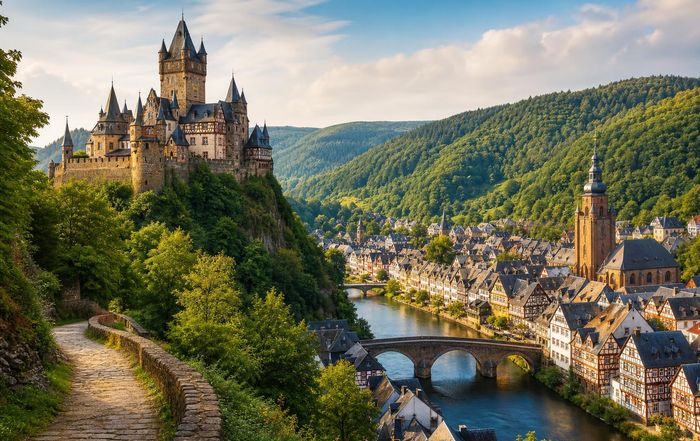
Germany Travel Guide to Castles, Forests and Historic Towns
Germany continues to stand out as one of Europe's most rewarding destinations for travelers who value culture, nature and a deep sense of history woven into everyday life. For the super well travelled readers of WorldWeTravel, Germany offers an especially rich canvas: fairy-tale castles rising above rivers and vineyards, primeval forests threaded with hiking trails, and historic towns where medieval walls and half-timbered houses frame a thoroughly modern, welcoming society. This guide brings together current insights, verified information and practical inspiration to help travelers design journeys that are both memorable and responsible.
Why Germany Belongs on Every Traveler's Shortlist
Germany occupies a central position in Europe, bordered by nine countries and connected by an extensive network of rail lines, highways and airports. This geographic advantage, combined with strong infrastructure and a tradition of hospitality, makes it an ideal hub for multi-country itineraries as well as dedicated deep dives into specific regions. The national tourism organization Deutsche Zentrale für Tourismus (DZT) reports that interest in cultural and nature-based travel remains particularly strong, with visitors drawn to Germany's blend of heritage cities, scenic landscapes and innovative approaches to sustainability. Travelers can explore broader European options and plan multi-stop trips using resources such as the European Travel Commission and the official portal of Germany Travel, both of which provide up-to-date information on routes, events and regulations.
For the audience of worldwetravel, Germany is especially appealing because it offers a balanced portfolio of experiences: family-friendly attractions, world-class museums and concert halls, wellness retreats, eco-conscious stays, and an increasingly sophisticated hotel scene that ranges from centuries-old castle hotels to design-forward urban properties. Readers planning a broader itinerary can combine this guide with the destination overviews on WorldWeTravel Destinations to compare Germany with neighboring countries in Europe and beyond.
Castles: From Fairy Tales to Fortress History
No image is more closely associated with Germany in the global imagination than its castles. These structures, scattered across hills, riverbanks and city centers, are not merely picturesque; they are tangible records of shifting borders, dynasties and architectural styles. Among the most iconic is Neuschwanstein Castle in Bavaria, commissioned by King Ludwig II in the nineteenth century. Perched above the village of Hohenschwangau and overlooking the Alps, Neuschwanstein inspired the design of Disney's Sleeping Beauty Castle and remains one of the most visited attractions in the country. The official Bavarian Palace Department, Bayerische Schlösserverwaltung, offers verified information on visiting hours, ticketing and conservation efforts, which is particularly important because timed entry and capacity limits are often in place to protect the site.
Beyond Neuschwanstein, the Rhine Valley presents a very different castle experience. The Upper Middle Rhine Valley, a UNESCO World Heritage Site, is dotted with fortresses and castle ruins that once controlled trade along this crucial waterway. Towns such as Bacharach, St. Goar and Boppard are framed by steep vineyards and hillside castles including Marksburg and Rheinfels, each with its own story of medieval power and modern restoration. Travelers can confirm current cruise schedules and heritage programs through UNESCO and regional tourism boards such as Romantic Germany, which highlight walking routes, wine festivals and local traditions.
For those seeking immersive stays rather than day visits, several German castles have been converted into hotels or guesthouses. Properties like Schloss Elmau in Bavaria, which has hosted international summits and is known for its spa and cultural programming, combine historic architecture with contemporary design and wellness amenities. To compare castle hotels with other lodging options across the country, readers can consult WorldWeTravel Hotels alongside independent platforms such as Booking.com or Relais & Châteaux, always cross-checking reviews and sustainability credentials.
The preservation of these castles is an ongoing project that requires significant investment and expertise. Organizations such as Europa Nostra and national heritage bodies regularly publish reports on conservation challenges, particularly in the face of climate change, increased visitor numbers and funding constraints. Travelers who choose guided tours led by certified local experts, or who support heritage foundations through donations and responsible tourism practices, contribute directly to the survival of these landmarks.
Forests: Green Heart of Central Europe
Germany's forests are central to its identity and to many of its literary and artistic traditions. The Black Forest (Schwarzwald) in Baden-Württemberg, for example, is associated with the Brothers Grimm, cuckoo clocks and spa towns, yet in reality it is a complex mosaic of protected areas, villages and mountain landscapes that reward slow and thoughtful exploration. The region's official tourism site, Schwarzwald Tourismus, provides detailed information on hiking trails, cycling routes, winter sports and wellness resorts, many of which emphasize sustainability through renewable energy use, local sourcing and careful land management.
Another highlight is the Bavarian Forest National Park, established in 1970 and often cited by conservation groups as a pioneering example of a "let nature be nature" approach. Together with the adjacent Šumava National Park in the Czech Republic, it forms one of the largest contiguous forest areas in Central Europe. The Bayerischer Wald National Park authority and organizations such as WWF Germany provide transparent information about rewilding projects, wildlife corridors and visitor guidelines intended to minimize disturbance to sensitive ecosystems.
Forests are also interwoven with Germany's wellness culture. Many regions have developed certified "healing climate" trails and forest therapy programs, drawing on research into the physical and mental health benefits of time spent in nature. Interested travelers can explore broader health-focused travel inspiration through WorldWeTravel Health, then refine their German itinerary using specialist resources such as Deutscher Wanderverband, which sets quality standards for hiking trails, and German Spa Association, which lists recognized spa towns and therapeutic offerings.
Environmental organizations and scientific institutions, including the German Environment Agency (UBA), emphasize that forests play a vital role in biodiversity conservation and climate mitigation. They also highlight challenges such as bark beetle infestations, drought stress and storm damage, which have affected some regions in recent years. Travelers who stay on marked paths, respect seasonal access restrictions and support accommodations with credible eco-certifications help ensure that forest tourism remains compatible with long-term conservation goals. For additional ideas on low-impact travel, readers can consult WorldWeTravel Eco, which focuses on sustainable practices and environmentally conscious destinations.
Historic Towns: Living Heritage Across Regions
Germany's historic towns offer a vivid sense of continuity, with layers of Roman, medieval, baroque, industrial and contemporary architecture often visible within a short walk. Each region presents its own character, yet several themes recur: carefully restored old towns, pedestrian-friendly streets, and a strong commitment to cultural programming.
In Bavaria, Rothenburg ob der Tauber is one of the most photographed medieval towns in Europe, its intact city walls and towers forming a near-complete ring around the historic center. The town has become a symbol of romantic Germany, and while it can be busy at peak times, early morning and evening walks along the walls reveal a quieter side. The official Rothenburg tourism site provides up-to-date information on crowd management, museum opening times and seasonal events, including Christmas markets that draw visitors from around the world. Travelers who wish to explore similar towns with fewer visitors can look into Dinkelsbühl or Nördlingen along the Romantic Road, a route that connects several historic cities and landscapes.
Further north, Quedlinburg in Saxony-Anhalt exemplifies the richness of Germany's half-timbered heritage. Recognized by UNESCO for its exceptionally preserved medieval and Renaissance buildings, Quedlinburg features narrow lanes, a Romanesque collegiate church and a castle hill with panoramic views. Conservation here is closely monitored, and local authorities collaborate with international experts to maintain authenticity while accommodating modern needs such as accessibility and energy efficiency. Visitors interested in architectural history can cross-reference information from UNESCO with reports by the German National Committee on Monument Protection to gain a nuanced understanding of preservation challenges.
Along the Baltic Sea, towns like Lübeck, Stralsund and Wismar showcase the legacy of the Hanseatic League, the medieval trading alliance that shaped commerce across northern Europe. Brick Gothic churches, merchant houses and old warehouses testify to centuries of maritime prosperity. The Hanseatic City of Lübeck and related municipal sites outline walking routes and museum networks that help visitors interpret this history in context. For travelers planning multi-country Baltic itineraries, resources like Visit Baltic Sea can complement the more globally oriented perspectives available on WorldWeTravel Global.
In western Germany, cities such as Trier, often described as Germany's oldest city, offer a different window into the past. Roman monuments including the Porta Nigra gate and well-preserved thermal baths are recognized by UNESCO and interpreted through archaeological research accessible via institutions like the German Archaeological Institute. Here, the layering of Roman, medieval and modern urban life illustrates how German towns are not static museum pieces but living communities where history informs present-day identity.
Family-Friendly Germany: Castles, Forests and Towns for All Ages
Germany is widely regarded as a family-friendly destination, supported by reliable public transport, child-focused museum programming and accommodations that frequently offer family rooms or apartments. Many castles, including Neuschwanstein and Heidelberg Castle, provide special tours or audio guides tailored to younger visitors, helping them engage with stories of knights, kings and engineers rather than abstract dates and dynasties. Travelers can verify family offerings and accessibility features directly through official castle websites or via umbrella organizations like Schlösser und Gärten Deutschland.
Forests and national parks are also designed with families in mind. The Black Forest and Bavarian Forest regions feature themed trails, wildlife enclosures and visitor centers with interactive exhibits. Safety and clear signage are priorities, and the German Alpine Club (DAV), while primarily focused on mountain environments, provides broader guidance on trail classifications and preparation that is useful for families planning outdoor excursions. For more general advice on traveling with children, readers can turn to WorldWeTravel Family, which offers planning strategies and destination suggestions tailored to different age groups.
Historic towns often host festivals, open-air performances and markets that appeal to multiple generations. Christmas markets in cities such as Nuremberg, Dresden and Cologne are particularly popular, combining traditional crafts, seasonal foods and cultural programs. While some markets can be crowded, local tourism boards typically publish safety guidelines and family recommendations, including quieter times of day and child-friendly activities. The German National Tourist Board compiles nationwide event calendars that can help families coordinate visits with school holidays and seasonal highlights.
Hotels, Retreats and Wellness Experiences
Germany's hotel landscape has evolved significantly over the past decade, with strong growth in boutique properties, design hotels and wellness retreats that emphasize regional character and sustainability. In major cities like Berlin, Munich and Hamburg, international brands coexist with independent hotels housed in repurposed industrial buildings or historic townhouses. Platforms such as Hotelverband Deutschland (IHA) and quality labels like GreenSign and EU Ecolabel help travelers identify accommodations that meet recognized environmental and service standards.
Wellness has deep roots in German culture, particularly in spa towns known as Kurorte. Destinations such as Baden-Baden, Bad Kissingen and Bad Füssing combine natural thermal springs with medical expertise, often underpinned by detailed regulatory frameworks and scientific evaluation. The German Spa Association maintains a list of officially recognized spa towns, while medical tourism organizations provide guidance for those seeking comprehensive health programs. Readers interested in restorative travel experiences can also explore WorldWeTravel Retreat, which highlights wellness-focused stays and holistic itineraries.
For travelers who wish to balance comfort with sustainability, eco-lodges and nature-oriented hotels in regions like the Black Forest, the Harz Mountains and the Baltic coast offer compelling options. These properties often use local materials, renewable energy and organic food, and they may support conservation projects or cultural initiatives in their communities. To compare such stays with more conventional hotels, WorldWeTravel Hotels provides a starting point, while external resources like Eco Hotels & Resorts and Global Sustainable Tourism Council outline criteria for credible eco-certifications.
Practical Travel Tips and Sustainable Choices
Travelers planning a journey through Germany's castles, forests and historic towns benefit from a combination of national and regional information sources. Public transport is coordinated through networks such as Deutsche Bahn, which offers rail passes and detailed timetables, and many regions provide integrated tickets that cover local trains, buses and sometimes even boats. The growth of long-distance cycling routes and well-marked hiking paths also supports car-free travel, which aligns with Germany's broader climate goals and can enhance the overall experience by reducing stress and increasing opportunities for spontaneous stops.
Sustainable travel practices are increasingly emphasized by both government bodies and civil society groups. The German Federal Ministry for the Environment and organizations like BUND and NABU publish recommendations on minimizing environmental impact, from choosing lower-emission transport options to respecting protected areas and supporting local economies. On a practical level, travelers can reduce waste by carrying refillable water bottles, opting for tap water where safe, and using reusable bags and containers. Germany's well-developed recycling system, including deposit schemes for bottles, is widely documented and easy to follow with a bit of preparation. For additional guidance on responsible travel behavior, WorldWeTravel Tips offers curated advice that can be adapted to German contexts.
Cultural etiquette is another important aspect of a smooth journey. Germany values punctuality, respect for quiet hours in residential areas, and adherence to rules in public spaces, including forests and public transport. While English is widely spoken in major cities and tourist centers, learning a few basic German phrases is appreciated and can enrich interactions, especially in smaller towns. Government portals such as Deutschland.de and Make it in Germany provide background on social norms and legal regulations, which can be particularly useful for long stays or work-related visits that readers may research through WorldWeTravel Work.
Business, Technology and the Wider Travel Context
Germany's role as an economic and technological powerhouse influences its travel landscape in subtle but significant ways. The country's emphasis on engineering, innovation and environmental technology shapes infrastructure, from high-speed trains to energy-efficient buildings. Organizations such as Germany Trade & Invest and the Federal Ministry for Economic Affairs and Climate Action provide insight into the broader economic context, which can be relevant for business travelers or those interested in how tourism intersects with regional development.
Cities like Frankfurt, Munich and Berlin serve as key hubs for conferences, trade fairs and industry events, supported by extensive hotel capacity and modern convention centers. The German Convention Bureau tracks trends in business travel and meetings, including growing demand for hybrid and sustainable event formats. For readers of WorldWeTravel Business and WorldWeTravel Technology, Germany offers case studies in how digital tools, smart mobility and green building practices are integrated into urban planning and tourism services, from contactless ticketing to real-time public transport apps.
At the same time, smaller towns and rural regions benefit from tourism that highlights local crafts, gastronomy and cultural heritage. Initiatives supported by the German Rural Tourism Association encourage visitors to discover farm stays, wine routes and artisanal producers, thereby spreading economic benefits beyond major cities. For travelers who wish to understand how tourism contributes to regional economies, resources such as the World Travel & Tourism Council and OECD Tourism Trends provide comparative data and analysis that can be read alongside the perspectives on WorldWeTravel Economy.
Crafting a Personalized German Journey with WorldWeTravel
Germany's castles, forests and historic towns present an interconnected tapestry rather than isolated attractions, and the most rewarding itineraries often combine elements of all three. A traveler might begin with a few days in a major city, continue to a castle-studded river valley, retreat to a forest spa town for rest and hiking, and conclude in a smaller historic city known for its museums and culinary scene. The flexibility of Germany's transport network, the variety of accommodations and the depth of cultural offerings make it possible to tailor trips to diverse interests and budgets.
For readers of WorldWeTravel, this new guide is intended as both inspiration and a practical framework. Those drawn primarily to landscapes can focus on forest regions and river valleys, using WorldWeTravel Travel to explore complementary outdoor destinations worldwide. Families may prioritize interactive museums, accessible castles and gentle hiking trails, informed by the resources on WorldWeTravel Family. Travelers seeking wellness and reflection can weave spa towns and forest retreats into their plans, guided by WorldWeTravel Health and WorldWeTravel Retreat. Culturally oriented visitors can delve into music festivals, art exhibitions and culinary traditions, building on insights updated daily from WorldWeTravel Culture.
Across all these interests, the underlying themes remain consistent: respect for heritage, commitment to sustainability, and a belief that travel can foster understanding and inspiration. By drawing on reliable sources, cross-checking key facts and engaging with local communities in thoughtful ways, travelers can experience Germany not just as a series of postcard views but as a living, evolving country that welcomes exploration. As WorldWeTravel continues to highlight destinations around the globe, Germany stands out as a place where castles, forests and historic towns come together to create journeys that are as enriching as they are unforgettable.