

Global Cities, Growing Minds: Guide to Business-Savvy Family Travel
Family Travel in a Changed World
Now international travel has fully reawakened, and families are once again planning ambitious itineraries that combine education, leisure, and-more than ever-work and business. Parents who manage global careers, hybrid work arrangements, and demanding schedules increasingly view travel not as a break from real life but as an extension of it, a chance to strengthen family bonds while nurturing children's curiosity and resilience. On WorldWeTravel.com, readers consistently express a desire to balance high-quality family time with professional obligations, to understand how destinations align with global economic trends, and to make informed choices about health, sustainability, and cultural impact when they travel.
In this environment, major world cities have evolved into sophisticated hubs of kid-friendly learning, innovation, and culture. From New York and London to Tokyo, Paris, Sydney, Dubai, and Singapore, urban destinations now offer immersive experiences that help children understand science, history, technology, and the global economy in ways that complement their classroom education. At the same time, these cities provide infrastructure that supports business travelers with families: reliable connectivity, flexible accommodation, wellness options, and environments that are safe, inclusive, and future-ready.
This article explores how leading global cities create meaningful experiences for children while also serving the needs of working parents, and how travelers can use the resources on WorldWeTravel.com to plan journeys that are as strategic as they are joyful. It draws on the principles of experience, expertise, authoritativeness, and trustworthiness to guide decision-making for families who expect the same level of rigor from their travel planning as they do from their business strategies.
New York City: Learning in the Heart of the Global Economy
New York City remains one of the most dynamic destinations for families, not only because of its iconic attractions but also because it offers a living classroom in global finance, media, culture, and technology. Parents traveling for meetings or conferences in Manhattan can integrate high-value educational experiences for children that illuminate how a modern world city operates.
Central Park, managed by the Central Park Conservancy, continues to be an anchor for family visits. Through Central Park's official site, families can plan visits that go far beyond a casual stroll, including guided nature walks and seasonal programs that introduce children to urban biodiversity, conservation, and landscape design. Nearby, the Central Park Zoo offers an approachable introduction to wildlife and habitat preservation, complementing broader lessons about sustainability that many schools and parents now emphasize; its programs help children understand how global cities can coexist with nature, echoing principles promoted by organizations such as the World Wildlife Fund.
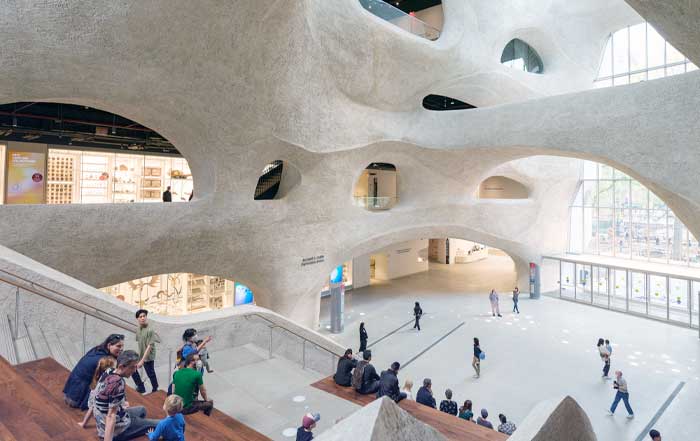
The American Museum of Natural History, accessible via its official site, remains a cornerstone of science learning. Its updated halls and digital exhibits give children a sense of scale-from dinosaur fossils to planetary systems-while also foregrounding contemporary issues such as climate change, biodiversity loss, and space exploration. Parents who follow global science and technology trends through resources like NASA or the European Space Agency often find that the museum's content aligns closely with current research and public discourse, making it an excellent complement to at-home learning.
Times Square, long known for its bright lights and entertainment, has become more curated and experiential for families. Branded attractions like M&M's World and Hershey's Chocolate World, detailed on M&M's and Hershey's, are not just retail spaces but interactive environments where children can see how global consumer brands operate, from product customization to digital engagement. For business-minded parents, these experiences can spark conversations about marketing, supply chains, and the role of global cities in shaping consumer culture.
For readers of WorldWeTravel's destinations hub, New York exemplifies how a city can serve simultaneously as a playground, a classroom, and a boardroom. Reliable infrastructure, extensive hotel options explored via WorldWeTravel's hotels section, and world-class health facilities highlighted by institutions such as NewYork-Presbyterian and Mount Sinai, referenced through resources like the U.S. News Best Hospitals, further reinforce the city's appeal to families who prioritize safety and quality of care.
London: History, Innovation, and Future-Ready Families
London's ability to blend deep history with cutting-edge innovation makes it particularly attractive to families who want their children to understand how the past shapes the present global order. For travelers who follow macroeconomic and policy trends through platforms such as the Bank of England or the UK Government's official portal, London presents a rare opportunity to connect abstract concepts like governance, trade, and scientific progress with tangible experiences.
In South Kensington, the Science Museum and Natural History Museum stand side by side as complementary institutions that make complex subjects accessible to children. Through the Science Museum's website, families can plan visits to interactive galleries like Wonderlab, where children experiment with forces, energy, and materials in ways that mirror the design thinking and innovation processes used by leading technology firms. The Natural History Museum, detailed at its official site, brings Earth's story to life with exhibits on evolution, geology, and environmental change, reinforcing the importance of evidence-based thinking that underpins modern science and policy.
The Tower of London, managed by Historic Royal Palaces, connects children with centuries of political intrigue, monarchy, and social change. Information available via Historic Royal Palaces helps families structure visits that are not only entertaining but also historically grounded, with Beefeater-led tours illustrating the human stories behind major events. For families who follow global governance and rule of law through institutions such as the United Nations, the Tower's narratives can prompt conversations about how societies have evolved their systems of justice and leadership.
The London Eye, described at its official site, offers more than a panoramic view; it provides a spatial understanding of how a major capital is organized, from the Houses of Parliament to the City of London financial district. For parents engaged in international business, this vantage point can help children visualize the intersection of politics, finance, and culture that they may hear about in conversations at home.
London's comprehensive public transport, extensive accommodation, and robust health infrastructure, governed under the National Health Service and referenced at NHS, make it especially practical for families. Readers who explore WorldWeTravel's business travel insights often look to London as a model of how a city can remain globally competitive while also investing in public services that support residents and visitors of all ages.
Tokyo: Technology, Tradition, and the Future of Work
Tokyo stands at the frontier of how cities integrate technology, culture, and family life. For children growing up in a world defined by automation, artificial intelligence, and global connectivity, Tokyo presents a vivid illustration of what a technology-rich yet tradition-conscious society can look like. Parents who follow emerging tech trends via resources such as MIT Technology Review or OECD's digital economy reports often see Tokyo as a natural destination to make abstract innovations tangible for their children.
Tokyo Disneyland and Tokyo DisneySea, operated by The Oriental Land Company under license from The Walt Disney Company, remain flagship experiences. Through Tokyo Disneyland and DisneySea, families can explore parks where storytelling, engineering, and operations management are woven together at scale. DisneySea, unique to Tokyo, showcases how a theme park can be designed around maritime narratives, exploration, and technological spectacle, offering children a sense of how creativity and logistics intersect in large-scale entertainment.
The National Museum of Nature and Science, detailed at its official site, provides a more formal framework for understanding science and technology. Located in Ueno Park, it offers exhibits on robotics, space, and environmental science that align closely with Japan's broader positioning as a leader in innovation and sustainability, themes also reflected in policy documents and analysis from sources like the Government of Japan and the World Economic Forum.
KidZania Tokyo, accessible via its official site, has become particularly relevant in the 2026 context, as conversations about the future of work, skills, and career pathways intensify worldwide. In this miniature city, children role-play over 100 professions-from pilots and doctors to engineers and media producers-earning and spending a child-friendly currency that mirrors real economic systems. For parents who read WorldWeTravel's work and travel insights, KidZania offers a practical way to introduce concepts like labor, value creation, and collaboration in a setting that feels like play but is grounded in realistic processes.
Tokyo's efficiency, safety, and attention to detail make it particularly comfortable for families, and its health and wellness standards are supported by a robust system of care documented by organizations like the World Health Organization. For technology-focused families who also prioritize well-being, resources such as WorldWeTravel's technology section and WorldWeTravel's health insights can help frame a Tokyo trip as both an innovation immersion and a lesson in disciplined, balanced urban living.
Paris: Culture, Imagination, and European Perspectives
Paris continues to enchant families, but in 2026 it is also recognized as a gateway to understanding European culture, integration, and creative industries. For readers who follow European developments through institutions such as the European Union and the OECD, Paris offers a tangible expression of how history, policy, and culture intersect.
Disneyland Paris, described at its official site, remains a magnet for children, yet it also embodies broader themes that interest business-minded parents: cross-border investment, brand localization, and the integration of European storytelling traditions into a global franchise. Families can use a day at the park to discuss topics like multilingual operations, tourism economics, and how creative content is adapted for different cultures.
Within the city, the Cité des Sciences et de l'Industrie, accessible via its official site, stands as one of Europe's premier science centers. Its Cité des Enfants area is specifically designed for children, with exhibits that turn complex themes-such as human biology, communication systems, and engineering-into exploratory play. For parents who monitor global STEM education trends through resources like UNESCO and OECD education reports, this institution illustrates how public investment in science literacy can shape future generations.
The Eiffel Tower, detailed at its official site, remains a powerful symbol, but it is also a case study in engineering, tourism management, and heritage preservation. As children ascend its levels and explore interpretive materials, they encounter stories of design innovation, construction challenges, and the tower's evolving role in French identity and the global imagination. For families who read WorldWeTravel's culture insights, the Eiffel Tower becomes more than a photo opportunity; it is a focal point for discussing how landmarks shape a city's brand and economy.
Paris's hospitality sector, rich in both grand hotels and boutique properties, aligns with the interests of readers who explore accommodation strategies via WorldWeTravel's hotels guide. Combined with France's strong health system and emphasis on work-life balance, documented by organizations such as the OECD Better Life Index, Paris offers families a chance to experience a distinctive European approach to time, leisure, and culture.
Sydney: Nature, Well-Being, and Asia-Pacific Connections
Sydney offers families a powerful combination of outdoor adventure, wildlife, and a sophisticated urban core that is deeply connected to the Asia-Pacific economy. For parents who monitor regional trends through sources like the Asian Development Bank or the Reserve Bank of Australia, Sydney represents a case study in how a city can leverage natural assets while remaining globally competitive.
Taronga Zoo, profiled at its official site, provides an elevated view-literally and figuratively-of Australian biodiversity and conservation efforts. Children encounter native species and learn about habitat protection, climate resilience, and the role of zoos in global conservation networks, themes that resonate with sustainability frameworks shared by organizations such as the International Union for Conservation of Nature. The Sky Safari cable car and interactive keeper talks make these lessons accessible and memorable.
The SEA LIFE Sydney Aquarium, detailed at its official site, offers immersive encounters with marine ecosystems, including sharks, rays, and coral environments. As oceans face mounting pressures from climate change and pollution, the aquarium's exhibits help children grasp the fragility and importance of marine life, aligning with broader conversations that families may follow via resources like the Intergovernmental Panel on Climate Change.
Luna Park Sydney, described at its official site, adds a layer of heritage and entertainment, allowing families to experience classic amusement rides in a harborfront setting beneath the Sydney Harbour Bridge. The park's history and location can prompt discussions about urban planning, waterfront development, and how cities repurpose historic sites for contemporary recreation.
For readers of WorldWeTravel's eco-travel hub, Sydney's emphasis on outdoor living, wellness, and sustainability dovetails with family priorities around health and active lifestyles. The city's robust health infrastructure, documented by resources such as the Australian Government Department of Health, reinforces its suitability for families who want to combine adventure with peace of mind.
Dubai: Innovation, Diversification, and the New Global Playground
Dubai has positioned itself as a model of rapid transformation, diversification, and ambition, making it particularly compelling for families who want their children to understand how cities reinvent themselves in response to global economic shifts. Parents who track Middle Eastern and global markets through platforms like the International Monetary Fund or the World Bank often view Dubai as a living case study in strategic development.
The Dubai Aquarium and Underwater Zoo, located in The Dubai Mall and profiled at its official site, showcases both engineering prowess and marine life. Children can walk through massive viewing tunnels, observe diverse species, and participate in glass-bottom boat tours that highlight the interplay between entertainment, education, and environmental awareness.
KidZania Dubai, accessible via its official site, mirrors the Tokyo concept while reflecting local and regional business realities. Children navigate a meticulously designed miniature city, role-playing careers in aviation, media, healthcare, hospitality, and more. For families who read WorldWeTravel's business travel insights and WorldWeTravel's economy coverage, KidZania offers a practical framework to discuss entrepreneurship, financial literacy, and the skills needed in a diversified, knowledge-driven economy.
LEGOLAND Dubai, part of Dubai Parks and Resorts and detailed at its official site, extends the focus on creativity and design. Through building workshops and themed rides, children are encouraged to think like engineers and storytellers, constructing their own worlds from modular bricks. For parents who follow global education debates through organizations like the World Economic Forum or UNICEF, LEGOLAND's emphasis on problem-solving and imagination aligns with calls for more experiential, play-based learning.
Dubai's infrastructure-ranging from its modern airports and extensive hotel inventory to its healthcare system, documented by resources such as the Dubai Health Authority-supports families who expect seamless logistics. For readers who value restorative experiences, WorldWeTravel's retreat and wellness content can help integrate beach time, desert excursions, and spa experiences into an otherwise high-energy urban itinerary.
Singapore: Gardens, Governance, and Sustainable Urban Futures
Singapore has emerged as one of the most compelling destinations for families who want to understand how cities can be simultaneously green, efficient, and globally connected. Parents who follow discussions on urban planning, governance, and sustainability through resources like the World Bank's urban development reports or the Lee Kuan Yew School of Public Policy often look to Singapore as a benchmark.
Gardens by the Bay, detailed at its official site, is perhaps the clearest expression of this vision. The Supertree Grove, Cloud Forest, and Flower Dome demonstrate how architecture, horticulture, and environmental technology can combine to create immersive, climate-controlled ecosystems. For children, these spaces are magical; for parents, they are a practical demonstration of resilience, water management, and sustainable design, echoing principles promoted by organizations such as the UN Environment Programme.
The Singapore Zoo, accessible via its official site, is renowned for open-concept habitats that emphasize animal welfare and ecological authenticity. Areas like Rainforest Kidzworld offer water play and farm experiences that ground children in everyday interactions with animals and nature, while educational programs highlight conservation and biodiversity. Families who follow WorldWeTravel's global insights can see how Singapore positions itself as a regional leader in sustainable tourism and environmental education.
The Science Centre Singapore, profiled at its official site, reinforces the city-state's commitment to STEM education and innovation. With over a thousand interactive exhibits, it allows children to explore physics, chemistry, digital technology, and environmental science in a way that mirrors Singapore's own economic evolution from manufacturing to a high-tech, services-oriented hub. For parents engaged in technology and innovation, the center's programs echo themes they may encounter in professional settings, from data science to renewable energy.
Singapore's reputation for safety, cleanliness, and efficient governance, supported by metrics from sources such as the World Economic Forum's competitiveness rankings and the World Bank's governance indicators, provides reassurance for families. Combined with its role as a regional aviation hub and its diverse hotel and dining options, this makes Singapore a strategic base for exploring Asia, a concept often discussed in WorldWeTravel's Asia travel coverage.
Turning Trips into Lifelong Advantage
Across these global cities, a clear pattern emerges: the most effective family trips in 2026 are those that are thoughtfully designed to align with children's developmental stages, parents' professional realities, and the broader forces reshaping the world economy and society. Museums, zoos, theme parks, and interactive centers in New York, London, Tokyo, Paris, Sydney, Dubai, and Singapore are no longer mere attractions; they are platforms for experiential learning that can reinforce skills such as critical thinking, cultural literacy, collaboration, and adaptability.
For readers of WorldWeTravel.com, planning such journeys involves more than choosing flights and hotels. It means understanding how each destination fits into a family's long-term goals, whether those involve exposing children to different cultures, building resilience and independence, or simply carving out time together in the midst of demanding careers. Internal resources such as WorldWeTravel's tips hub, family travel section, and global economy insights can help structure itineraries that maximize both enjoyment and educational value.
As the boundaries between work, school, and leisure continue to blur, cities that invest in family-friendly infrastructure, high-quality cultural institutions, and robust health and safety standards will remain at the top of the list for discerning travelers. By choosing destinations that encourage children to ask questions, experiment, and imagine different futures, parents are not only creating memorable vacations; they are equipping the next generation with the perspectives and confidence needed to navigate an increasingly interconnected world.