

Art and Culture in Vienna: A Living Tapestry of History, Innovation, and Everyday Life
Vienna's Cultural Identity
Vienna stands as one of the world's most compelling examples of how a city can honor its artistic heritage while continuously reinventing its cultural identity for a global, hyperconnected audience. From its imperial palaces and fin-de-siècle cafés to its digital art labs and experimental performance spaces, the Austrian capital has evolved into a sophisticated ecosystem where tradition and innovation coexist, and where visitors from the United States, the United Kingdom, Germany, Canada, Australia, and across Europe and Asia find both familiarity and surprise. For readers of WorldWeTravel.com, Vienna offers not only a destination rich in museums and music halls, but also a living laboratory for understanding how art and culture shape business, technology, urban health, and sustainable tourism in an increasingly complex global economy.
Vienna's reputation as a cultural powerhouse is deeply rooted in its history as the seat of the Habsburg Empire and as a crucible of modernism in the late nineteenth and early twentieth centuries. Yet the city today is far from a static museum of its own past; instead, it has become a dynamic hub where global travelers, international families, digital nomads, and corporate teams on retreat engage with a cultural landscape that is being actively curated, debated, and reimagined. Visitors exploring the city's cultural districts can plan their experiences through resources such as the Vienna Tourist Board and international guides like National Geographic Travel and Lonely Planet, while tailoring itineraries using the destination overviews available on WorldWeTravel Destinations, ensuring that every journey through Vienna's streets becomes an informed and intentional exploration.
Imperial Legacies and Modern Museums
Vienna's art and culture cannot be separated from its imperial heritage, and nowhere is this more evident than in the monumental Hofburg Palace complex and the surrounding MuseumsQuartier, which together form one of the largest cultural districts in the world. Within walking distance, visitors encounter the Kunsthistorisches Museum, with its extraordinary collections of Old Masters and classical antiquities, and the Naturhistorisches Museum, which chronicles natural history on a global scale. These institutions, alongside the Albertina and the Belvedere, offer an encyclopedic view of Western art history while also hosting contemporary exhibitions that situate Vienna within current debates in visual culture. Travelers interested in comparing Vienna's museum landscape with global benchmarks can consult resources such as UNESCO and the International Council of Museums, both of which highlight the city's role in preserving cultural heritage.
For business travelers and culturally curious professionals, the proximity of major museums to conference centers, hotels, and business districts makes it possible to integrate high-level meetings with curated cultural experiences. Corporate visitors planning incentives or executive retreats in Vienna can draw on the practical guidance found at WorldWeTravel Business Travel, which emphasizes how integrating museum visits, private gallery tours, or after-hours receptions into business itineraries can deepen client relationships and enhance team cohesion. In this way, Vienna's museums are not only repositories of art but also strategic assets for international companies seeking culturally rich environments for negotiation, learning, and brand positioning.
The Secession, Modernism, and the Birth of a New Aesthetic
Any serious exploration of art and culture in Vienna must confront the seismic impact of the Vienna Secession and the modernist movement that reshaped European aesthetics at the turn of the twentieth century. Figures such as Gustav Klimt, Egon Schiele, and Koloman Moser challenged the academic norms of their time, forging new visual languages that continue to influence design, architecture, and visual communication worldwide. The iconic Secession Building, with its gilded dome and motto "To every age its art, to art its freedom," remains a pilgrimage site for art lovers, and its exhibitions in 2026 often juxtapose historical works with contemporary interventions that highlight the ongoing relevance of Vienna's modernist legacy.
Visitors seeking to understand the intellectual climate that produced these innovations can explore the city's relationship to psychoanalysis, philosophy, and literature, drawing connections to figures such as Sigmund Freud and Ludwig Wittgenstein, whose ideas permeated the same urban milieu that nurtured Klimt and Schiele. Academic travelers, students, and lifelong learners may wish to consult resources from institutions such as the Austrian National Library or global platforms like JSTOR to deepen their understanding of Viennese modernism before or after their trip. On WorldWeTravel Culture at worldwetravel.com/culture, readers can contextualize Vienna's modernist heritage within broader cultural movements in Europe, Asia, and the Americas, comparing its impact with that of Paris, Berlin, New York, and Tokyo.
Music as the City's Lifeblood
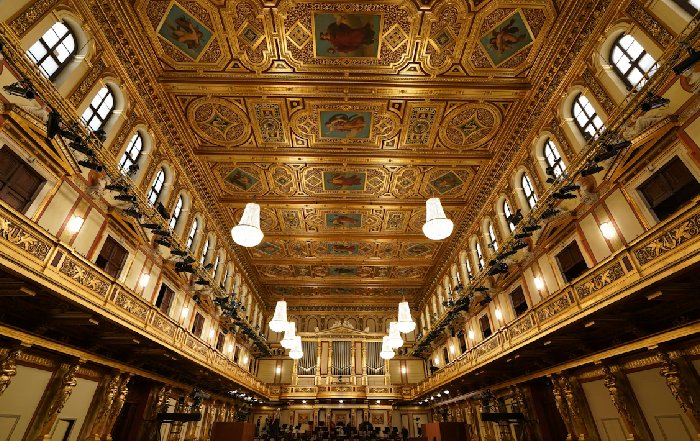
If painting and architecture define much of Vienna's visual identity, music forms the city's emotional and spiritual core. In 2026, Vienna still proudly claims its title as the "City of Music," a place where the legacies of Mozart, Beethoven, Schubert, Brahms, and Mahler are not merely commemorated but actively performed, studied, and reinterpreted. The Vienna State Opera, the Musikverein, and the Konzerthaus host world-class performances that attract audiences from across Europe, North America, and Asia, while the Vienna Philharmonic remains one of the most prestigious orchestras in the world, its New Year's Concert broadcast globally and chronicled by outlets such as the BBC and The New York Times.
For families and younger travelers, Vienna's music education infrastructure, from children's concerts to interactive museum experiences like the Haus der Musik, offers accessible pathways into classical traditions that might otherwise seem intimidating. Parents planning intergenerational trips can consult WorldWeTravel Family Travel to design itineraries that balance formal performances with playful learning, ensuring that children and teenagers engage with Vienna's musical heritage in ways that are both memorable and developmentally enriching. Corporate groups and conference attendees, meanwhile, increasingly incorporate musical events into their programs, using private concerts, opera evenings, or backstage tours as sophisticated alternatives to conventional entertainment, aligning with the growing emphasis on experiential travel highlighted by organizations like the World Travel & Tourism Council.
Contemporary Art, Digital Culture, and Creative Industries
While Vienna's historical assets are formidable, its contemporary art scene and creative industries are equally significant in defining the city's cultural profile in 2026. Districts such as Neubau and Leopoldstadt host galleries, artist-run spaces, and design studios that showcase emerging talents from Austria, Germany, Italy, Spain, the Netherlands, and far beyond, reflecting Vienna's role as a crossroads between Western and Eastern Europe. Institutions like Kunsthalle Wien and MAK - Museum of Applied Arts foreground experimental practices in design, digital media, and architecture, while the city's universities and art schools collaborate with technology firms and research institutes to explore the intersection of art, artificial intelligence, and immersive media.
This convergence of culture and technology has positioned Vienna as an appealing base for creative entrepreneurs, start-ups, and remote workers in fields ranging from digital design and gaming to cultural analytics and virtual production. Professionals considering a longer stay in the city can explore insights on global work trends at WorldWeTravel Work & Mobility, where Vienna often appears alongside hubs such as Berlin, Amsterdam, Singapore, and Seoul as a model for integrating cultural amenities with high-quality infrastructure and a strong social safety net. For those interested in how digital tools are transforming cultural institutions, organizations such as Europeana and the European Commission's culture portal provide case studies and policy frameworks that illuminate Vienna's role in broader European cultural strategies.
Cafés, Everyday Rituals, and the Social Fabric of Culture
Beyond its grand institutions and headline events, Vienna's cultural life is woven into the everyday rituals of its residents, most famously embodied in the city's café culture. The traditional Kaffeehaus, with its marble tables, newspapers on wooden racks, and slow-paced service, remains a key setting for intellectual exchange, artistic reflection, and quiet observation. Writers, students, businesspeople, and travelers share the same spaces, blurring the boundaries between work and leisure and reinforcing Vienna's identity as a city that values contemplation as much as productivity. This culture of lingering has been recognized by organizations such as UNESCO as part of the city's intangible heritage, underscoring the importance of social practices in sustaining cultural ecosystems.
For visitors planning extended stays, whether for work, study, or creative projects, understanding these informal cultural codes can be as important as booking museum tickets or concert seats. Guides such as WorldWeTravel Tips offer practical advice on navigating local customs, from ordering in traditional cafés to engaging respectfully with residents in shared public spaces. In an era when many global cities prioritize speed and constant connectivity, Vienna's café culture offers a counter-model that resonates with wellness-oriented travelers, remote workers seeking humane work rhythms, and families looking for environments that encourage conversation rather than distraction.
Wellness, Retreat, and the Cultural Dimensions of Health
Art and culture in Vienna are closely linked to emerging concepts of urban health and wellbeing, reflecting a broader global trend in which travelers increasingly seek destinations that support both mental and physical balance. The city's parks, riverside promenades along the Danube, and extensive cycling infrastructure provide calming counterpoints to the intensity of its concert halls and galleries, while its historic spas and nearby thermal regions invite restorative excursions that complement cultural itineraries. Health-conscious travelers from Scandinavia, the United States, Japan, and South Korea often combine museum visits and performances with wellness-focused activities, recognizing that cultural engagement can itself be a powerful contributor to psychological resilience and cognitive vitality.
Organizations such as the World Health Organization and the OECD have increasingly emphasized the role of culture and the arts in promoting public health, a discourse that resonates strongly in Vienna, where cultural participation is widely supported through public funding and community programming. Visitors interested in the intersection of culture and wellbeing can explore related themes on WorldWeTravel Health & Wellness and WorldWeTravel Retreats, where Vienna is frequently cited as an example of how cities can integrate cultural infrastructure into broader strategies for healthy urban living. This holistic perspective encourages travelers to view their time in Vienna not merely as a series of cultural "checklists" but as an opportunity to recalibrate their own relationships to time, attention, and creativity.
Sustainability, Eco-Culture, and Responsible Travel
In 2026, sustainability has become a central concern for both travelers and host cities, and Vienna has positioned itself as a leader in environmentally conscious urban planning and cultural management. The city's efficient public transport network, extensive green spaces, and commitment to renewable energy align closely with the expectations of eco-minded visitors from countries such as Sweden, Norway, Denmark, Finland, and New Zealand, who increasingly evaluate destinations based on their environmental performance. Cultural institutions in Vienna have begun integrating sustainability into their operations, from energy-efficient building renovations to climate-conscious exhibition design and waste reduction initiatives at festivals and events.
Travelers looking to align their cultural experiences with environmental values can consult frameworks and best practices from organizations such as the Global Sustainable Tourism Council and the United Nations Environment Programme, which highlight Vienna as part of a network of cities working toward more responsible tourism models. On WorldWeTravel Eco Travel, readers can learn more about sustainable business practices and how to incorporate them into their own travel decisions, whether by choosing eco-certified hotels, prioritizing public transport and cycling, or supporting cultural institutions that demonstrate clear commitments to environmental stewardship. In this context, art and culture are not isolated from ecological concerns but are key vehicles for raising awareness, fostering dialogue, and modeling alternative futures.
The Economic and Business Dimensions of Culture
Vienna's cultural sector is not only a matter of heritage and identity; it is also a significant economic engine that interacts with global markets, trade networks, and investment flows. Cultural tourism contributes substantially to the city's GDP, while creative industries in design, music production, film, and digital media generate employment and innovation. International organizations such as the World Bank and the International Monetary Fund have increasingly recognized the importance of cultural and creative sectors in diversifying economies and supporting inclusive growth, a trend that can be clearly observed in Vienna's strategic planning and policy frameworks.
For business travelers and corporate decision-makers, understanding Vienna's cultural economy can offer insights into broader shifts in how value is created and perceived in the twenty-first century. Companies hosting conferences or client events in the city often leverage its cultural assets to enhance brand narratives, attract talent, and foster cross-cultural understanding, recognizing that partnerships with museums, theaters, and festivals can yield reputational and relational benefits that go beyond traditional marketing metrics. Resources such as WorldWeTravel Economy & Markets help contextualize Vienna's position within global economic trends, comparing its cultural strategies with those of other major hubs in Europe, Asia, North America, and South America, and offering guidance for organizations that wish to integrate cultural intelligence into their international operations.
Vienna in the Global Cultural Network
In an increasingly interconnected world, Vienna's cultural influence extends far beyond its geographic boundaries, as its artists, institutions, and ideas circulate through global networks of collaboration, exchange, and digital dissemination. Partnerships with museums and universities in the United States, the United Kingdom, France, Italy, Spain, China, Japan, Singapore, and Brazil have resulted in traveling exhibitions, joint research projects, and artist residencies that position Vienna as both a source and a recipient of cultural innovation. International festivals, biennials, and conferences hosted in the city attract participants from across Europe, Asia, Africa, and the Americas, reinforcing its role as a platform for dialogue on issues ranging from decolonization and restitution to digital ethics and climate justice.
Travelers interested in the global dimensions of Vienna's cultural life can consult platforms such as Art Basel and Biennial Foundation to track major events and collaborations, while using WorldWeTravel Global Perspectives to situate Vienna within a broader map of cultural capitals. This global framing is particularly relevant for readers who travel frequently for work, who manage international teams, or who seek to cultivate a cosmopolitan mindset that is informed by diverse artistic and intellectual traditions. For such audiences, Vienna is not merely another stop on a European itinerary but a node in a worldwide conversation about how culture can help societies navigate rapid technological change, demographic shifts, and geopolitical uncertainty.
Planning a Culturally Rich Stay with WorldWeTravel
For travelers considering Vienna, the key to a deeply rewarding experience lies in approaching the city not just as a collection of famous sites but as an interconnected cultural ecosystem that touches every aspect of urban life, from business and technology to family routines and personal wellbeing. A thoughtfully designed itinerary might combine visits to the Kunsthistorisches Museum and the Belvedere with an evening at the Vienna State Opera, a morning spent working remotely from a traditional café, an afternoon cycling along the Danube, and a day exploring contemporary galleries and design studios in emerging districts. Families can weave together child-friendly museum experiences, music workshops, and outdoor play in the city's parks, while corporate groups can integrate cultural programming into conferences and retreats to foster creativity and cross-cultural understanding.
Readers of WorldWeTravel.com are uniquely positioned to craft such nuanced journeys, drawing on the platform's integrated coverage of Travel, Hotels, culture, economy, technology, health, and work. By combining practical logistics with in-depth cultural insight, WorldWeTravel encourages visitors to see Vienna not merely as a destination to be consumed but as a partner in their own ongoing exploration of art, identity, and global citizenship. As travelers from around the world continue to seek places that offer both historical depth and contemporary relevance, Vienna's art and culture stand out as a powerful reminder that cities can be at once guardians of memory and laboratories of the future, inviting every visitor to participate, however briefly, in their unfolding story.