

Best Hotel Features for Families Traveling With Children
Family travel has evolved from a niche segment into one of the most influential forces shaping the global hospitality industry, and parents are increasingly selective about where they stay, what services they receive, and how safe and supported they feel when traveling with children of different ages. As WorldWeTravel engages with families across continents, it is clear that the most successful hotels are those that blend thoughtful design, child-centered amenities, and genuine hospitality into a seamless, stress-reducing experience. In an era when multi-generational trips, work-from-anywhere lifestyles, and wellness-focused vacations are all converging, the definition of a "family-friendly hotel" is expanding rapidly and becoming more sophisticated.
This article explores the hotel features that matter most to families, drawing on best practices from leading global brands and independent properties, and highlighting how parents can identify accommodations that support safe, enjoyable, and memorable journeys. Throughout, it reflects the values of worldwetravel, where inspiration is grounded in practical guidance, cultural respect, and a commitment to sustainable and healthy travel.
Space, Layout, and Privacy: The Foundation of a Family-Friendly Stay
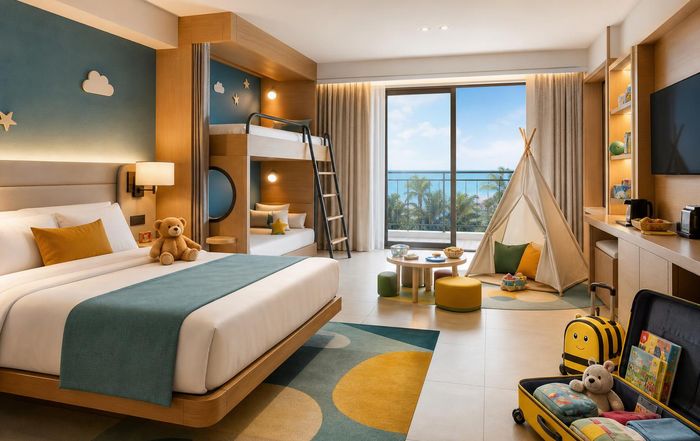
For most families, the first and often most decisive factor in choosing a hotel is the room configuration. Parents traveling with infants, toddlers, or teenagers rarely find a standard single room ideal, and hotels that recognize this are rethinking both layout and flexibility. Many brands now prioritize interconnecting rooms, family suites with separate sleeping areas, and apartment-style units with kitchenettes, which can transform a stay from cramped and chaotic into relaxed and functional.
Organizations such as Marriott International and Hilton have expanded family-oriented room categories in major destinations, while independent hotels in cities like London, New York, and Singapore increasingly advertise family suites with sliding partitions or dedicated children's bedrooms. On booking platforms and hotel websites, families can often filter specifically for interconnecting rooms or suites; understanding how to interpret these options is an important part of planning, and resources like the accommodation insights at WorldWeTravel Hotels can help families compare configurations across regions.
Privacy is not just a luxury; it is a practical necessity for parents who need quiet space to work remotely or rest after a long travel day while children sleep. Properties that offer blackout curtains, sound-insulated walls, and flexible bedding arrangements, such as sofa beds or rollaway cots that meet safety standards, are particularly appreciated. In destinations with high demand from families, such as Orlando, the Algarve, or Bali, the most popular resorts often combine multi-room layouts with access to separate living areas, dining tables, and outdoor terraces, which allow families to spend time together without feeling confined.
Safety and Child-Focused Design: Peace of Mind for Parents
Safety remains the most fundamental concern for families, and hotels that proactively address it earn long-term loyalty. The World Health Organization and national tourism bodies stress that child safety in accommodation settings is an essential part of responsible tourism, particularly when families are traveling to unfamiliar environments. Parents are increasingly attentive to details such as balcony railings, window locks, secure pool fencing, and clearly marked emergency exits, and reputable properties are responding with more transparent communication about their safety features.
Many leading hotel groups publish safety guidelines and training protocols on their websites, and parents can cross-check these with independent travel advisories from organizations like the U.S. Centers for Disease Control and Prevention or the UK Foreign, Commonwealth & Development Office when planning family trips. Hotels that offer childproofing kits, including outlet covers and corner guards, or that can remove potentially hazardous items from rooms on request, demonstrate a deeper understanding of the needs of families with young children.
Water safety is a particular focus. Resorts in the United States, Europe, and Asia increasingly employ certified lifeguards at main pools, post clear depth markings, and enforce rules around children's use of slides and deep-water zones. Parents can look for properties that follow recognized standards from organizations such as the Royal Life Saving Society UK or similar bodies in their region. When combined with clearly communicated policies on balcony safety, supervised kids' clubs, and secure check-in procedures, these measures help families feel confident even in large, busy properties.
Families planning travel across continents can benefit from the destination-specific advice and curated recommendations available through WorldWeTravel Destinations, which highlight regions and hotels that prioritize safety and family-friendly infrastructure.
Location and Connectivity: Balancing Convenience and Calm
Location is another decisive factor, particularly for families with limited time or young children who tire easily. Properties situated close to major attractions, public transport, or family-oriented neighborhoods can significantly reduce transit stress and costs. In cities such as Paris, Tokyo, and New York, hotels that are within walking distance of parks, playgrounds, and child-friendly restaurants are especially valuable, as they allow families to alternate between sightseeing and rest without lengthy commutes.
At the same time, families often seek a balance between convenience and tranquility. Resorts on the outskirts of busy urban centers or theme parks may offer quieter environments and more space, while still providing shuttle services to key attractions. Major destinations like Orlando, Anaheim, and the Gold Coast have developed robust networks of family hotels that coordinate with local transport providers, and parents can research these options through regional tourism boards such as Visit Orlando or Tourism Australia.
Reliable connectivity is now a non-negotiable feature, especially as many parents combine work with travel and older children rely on streaming and online learning. Hotels that offer fast, secure Wi-Fi throughout the property, including pool and lounge areas, support the growing trend of "workations" and extended family stays. The work-and-travel guidance at WorldWeTravel Work reflects how families increasingly look for accommodations that allow parents to join a video meeting while children attend a virtual class or relax with digital entertainment, all without network interruptions.
Dining for All Ages: Nutrition, Flexibility, and Cultural Discovery
Food is a central part of the travel experience, and for families it can be both a joy and a logistical challenge. The most family-friendly hotels understand that children's tastes and dietary needs vary widely, and they create dining options that are flexible, nutritious, and inclusive. Many properties now offer all-day menus with child-sized portions, easily understandable labeling for allergens, and the ability to customize dishes for vegetarian, vegan, gluten-free, or other dietary requirements, aligning with guidance from organizations such as the Academy of Nutrition and Dietetics.
Buffet restaurants in resorts from Spain to Thailand frequently include dedicated children's sections with familiar foods alongside local specialties, helping young travelers expand their palates gradually. In urban boutique hotels, chefs increasingly design "mini menus" that mirror adult dishes with milder flavors, allowing families to share a culinary experience rather than ordering entirely separate meals. Room service with healthy options, grab-and-go snacks, and access to small kitchenettes or microwaves can make a significant difference for parents managing nap schedules or jet lag.
Breakfast, often included in room rates, is particularly important for families who plan full days of sightseeing. Properties that accommodate early departures with takeaway options or flexible hours are highly valued, especially in destinations where attractions open early or queues form quickly. Families can explore broader cultural and culinary contexts through resources such as WorldWeTravel Culture, which highlight how local food traditions can be integrated into child-friendly dining experiences.
Kids' Clubs, Activities, and Educational Experiences
One of the most distinctive features of a truly family-oriented hotel is a well-designed kids' club or activity program that blends play with learning and cultural immersion. Large resort brands, including Club Med, Four Seasons, and Hyatt, have invested heavily in supervised children's spaces staffed by trained professionals, offering age-segmented programs that might include arts and crafts, outdoor games, language lessons, or nature exploration. These programs not only entertain children but also give parents valuable time to rest, enjoy spa treatments, or explore local attractions independently.
The quality and safety of kids' clubs vary widely, so parents are encouraged to review hotel descriptions carefully, check for staff-to-child ratios, and verify whether staff have background checks and first-aid training. Independent reviews on platforms such as Tripadvisor and family travel communities can provide additional insight, although they should be read critically and compared across multiple sources. Hotels that allow parents to tour kids' club facilities upon arrival and maintain open-door policies foster trust and transparency.
Increasingly, hotels are incorporating educational themes into their children's programming, reflecting a broader shift toward meaningful travel. In coastal regions, this might include marine conservation workshops developed in consultation with organizations like the World Wildlife Fund, while urban hotels may partner with local museums or cultural institutions to offer art, history, or science activities tailored for younger audiences. WorldWeTravel encourages families to seek out these enriching experiences, which can be discovered through curated guides such as WorldWeTravel Travel that emphasize learning and connection alongside leisure.
Pools, Water Play, and Active Recreation
For many children, the hotel pool is the highlight of any trip, and properties that invest in safe, engaging water facilities are often rewarded with high family satisfaction. The most family-friendly hotels offer shallow splash areas for toddlers, moderate-depth pools for school-age children, and clear separation from deeper sections intended for adults or confident swimmers. Some resorts feature water slides, lazy rivers, or interactive splash pads, while urban hotels may compensate for smaller pools with rooftop terraces, indoor play zones, or nearby park partnerships.
Beyond water, families increasingly look for broader recreational options such as playgrounds, sports courts, and organized activities that encourage movement and social interaction. Hotels in destinations like the Alps, the Rockies, or Scandinavian countryside regions often provide hiking maps, bike rentals, and nature trails suitable for children, sometimes in collaboration with local outdoor organizations or park services such as the U.S. National Park Service. In urban environments, access to nearby green spaces, which can be identified through city tourism portals like NYCgo or Visit London, helps families balance museum visits and cultural attractions with open-air play.
The wellness-focused content at WorldWeTravel Health underscores that active recreation is not only enjoyable but also supports children's physical and mental well-being during travel, especially when they are adjusting to new time zones or routines.
Family-Centric Services: From Baby Gear to Laundry
Parents often describe the difference between a stressful trip and a smooth one in terms of small, practical details. Hotels that anticipate these needs earn strong loyalty from families who return year after year. Essential services include the availability of cribs or cots that comply with safety standards, high chairs in restaurants, and access to bottle warmers or sterilizers for infants. Some properties go further by offering stroller rentals, baby monitors, or partnerships with local childcare agencies that provide vetted babysitters, often following guidelines similar to those promoted by organizations like the American Academy of Pediatrics.
Laundry facilities, whether self-service machines or reasonably priced hotel laundry, can be transformative for families on longer trips or traveling with young children prone to spills and accidents. In many destinations, extended-stay hotels and serviced apartments, such as those operated by Residence Inn by Marriott or Adina Apartment Hotels, integrate laundry into room amenities, which is particularly attractive to families combining multiple cities or countries in one itinerary. Parents planning such complex journeys can benefit from the logistical insights at WorldWeTravel Tips, which help them prioritize services that reduce packing needs and simplify daily routines.
Flexible housekeeping schedules are another appreciated feature, allowing families to coordinate room cleaning around nap times or remote work commitments. Some hotels now offer digital tools or apps that let guests choose preferred cleaning windows or request extra towels and amenities without needing to call the front desk, reflecting broader trends in hospitality technology and personalization.
Technology, Entertainment, and Work-Friendly Spaces
Technology plays an increasingly central role in family travel, both as a source of entertainment and as an enabler of flexible work and learning. Hotels that provide high-quality in-room entertainment systems, including streaming services or casting capabilities, allow families to access age-appropriate content from their own subscriptions, reducing the need to bring multiple devices loaded with downloaded media. Parental controls and content filters are important for families who want to manage what younger children can access on shared screens.
Digital check-in, mobile keys, and messaging with hotel staff through apps or platforms such as WhatsApp or proprietary systems have become more common, and families often appreciate the ability to request extra blankets, schedule maintenance, or ask questions without leaving the room. These technologies align with broader trends in the hospitality sector tracked by organizations such as the World Travel & Tourism Council, which notes that digital tools can enhance both efficiency and guest satisfaction when implemented thoughtfully.
For parents who need to work while traveling, hotels that offer quiet co-working spaces, business centers, or in-room desks with ergonomic seating are particularly attractive. Some properties now design family suites with separate work nooks or small offices, recognizing that remote work is no longer an exception but a norm for many professionals. The intersection of travel, work, and technology is a core theme at WorldWeTravel Technology, where readers can explore how hotels and destinations are adapting to hybrid lifestyles that blend professional responsibilities with family time.
Sustainability and Eco-Conscious Family Stays
Families are increasingly aware of the environmental impact of their travel choices, and many parents want to model responsible behavior for their children. Hotels that integrate credible sustainability practices, such as energy-efficient systems, water conservation, and waste reduction, resonate strongly with this audience. Certification schemes like Green Key, EarthCheck, and the Global Sustainable Tourism Council provide frameworks and verification for properties that meet specific environmental and social criteria, and families can use these labels as a starting point when evaluating options.
Some hotels go further by incorporating sustainability into family experiences, offering activities like beach clean-ups, tree planting, or educational talks on local ecosystems, sometimes in collaboration with NGOs or environmental organizations such as The Nature Conservancy. These initiatives align with the values promoted at WorldWeTravel Eco, where sustainable travel is presented as both an ethical responsibility and an opportunity for meaningful engagement with destinations.
Parents can also look for practical eco-friendly features such as refillable water stations, elimination of single-use plastics, and options to reuse towels and linens, which not only reduce environmental impact but often create teachable moments for children. When combined with local sourcing of food, support for community businesses, and respect for cultural heritage, these practices contribute to a more holistic and responsible family travel experience.
Wellness, Retreats, and Multi-Generational Harmony
Family travel is not only about entertainment; it is increasingly about wellness and reconnection. Hotels that offer spa and relaxation facilities for adults alongside engaging activities for children create opportunities for parents to recharge while knowing their children are safe and happy. Some resorts design family spa experiences, with gentle treatments for children or parent-child yoga sessions, often guided by wellness professionals who follow evidence-based practices supported by organizations such as the Global Wellness Institute.
Multi-generational travel, involving grandparents, parents, and children, continues to grow in popularity, particularly for milestone celebrations or long-awaited reunions. Properties that provide flexible room configurations, accessible facilities for older guests, and shared spaces where extended families can gather for meals or activities are especially well positioned to serve this segment. The reflective and restorative aspects of such journeys are explored in resources like WorldWeTravel Retreat, where wellness is framed as a shared, intergenerational experience rather than an individual pursuit.
Wellness-oriented hotels may also offer quiet zones, meditation gardens, or guided nature walks that families can enjoy together, supporting mental health and emotional connection as much as physical relaxation. When combined with healthy dining options and opportunities for digital detox, these features help families return home feeling renewed rather than exhausted.
Finding and Booking the Right Family Hotel
With the abundance of options across North America, Europe, Asia, and beyond, selecting the right hotel can feel overwhelming, yet a structured approach can make the process manageable and even enjoyable. Families are encouraged to begin by clarifying their priorities: space and privacy, proximity to attractions, sustainability, budget, or specific amenities such as kids' clubs or kitchenettes. Once these are defined, parents can use trusted resources such as Booking.com, Expedia, and official destination sites like VisitBritain or Destination Canada to shortlist properties, then cross-check information directly on hotel websites and through independent reviews.
Comparing options across different regions and price points is made easier by curated platforms such as WorldWeTravel, where families can explore global travel insights, economic considerations, and detailed guides tailored to family needs at WorldWeTravel Family. By combining this research with clear communication with hotels before arrival-asking about crib availability, safety features, or dietary accommodations-parents can significantly increase the likelihood of a smooth and enjoyable stay.
As hospitality continues to evolve, the best family-friendly hotels are those that listen closely to guests, invest in thoughtful design and training, and embrace a holistic view of travel that values safety, learning, wellness, and sustainability. For families, this means more opportunities than ever to explore the world together, confident that their accommodation will support not only their logistical needs but also their aspirations for connection, growth, and shared adventure.