

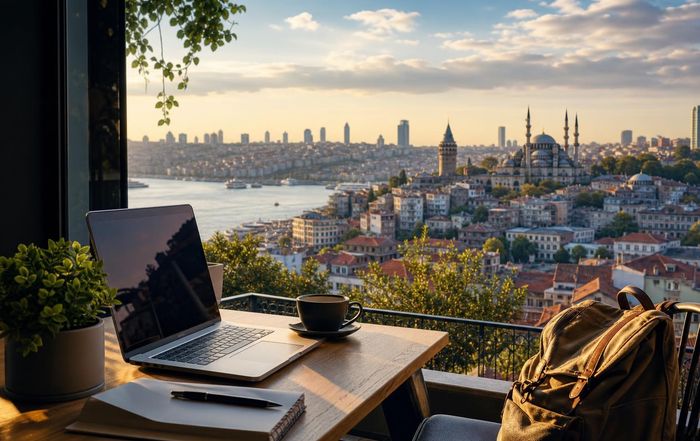
Best Cities for Combining Remote Work and Local Exploration
Remote work is no longer a stopgap solution or a niche lifestyle; it has become a defining feature of how millions of people live, earn, and explore the world. As digital infrastructure improves, borders reopen, and countries refine long-stay and digital-nomad policies, a new kind of traveler has emerged: someone who wants to maintain a serious career while immersing themselves in local culture, food, language, and nature. WorldWeTravel has seen this shift transform how readers choose destinations, evaluate hotels and neighborhoods, and plan longer journeys that blend professional focus with meaningful exploration.
This article examines some of the best cities around the world for combining remote work and local discovery, drawing on recent data, policy changes, and real-world conditions. It focuses on cities that balance connectivity and coworking with walkable neighborhoods, cultural depth, and access to day trips or weekend escapes. While no single city is perfect for every remote worker, certain destinations consistently stand out for their infrastructure, safety, cost of living, and quality of life, and they offer inspiring models for the future of work and travel.
What Makes a City Ideal for Remote Work and Exploration?
For the modern remote professional, choosing a base is less about ticking off tourist attractions and more about designing a sustainable lifestyle. Evaluating a city involves weighing several interrelated factors that directly influence both productivity and enjoyment.
Reliable digital infrastructure remains the foundation. Cities with widespread high-speed broadband and robust 4G or 5G coverage allow workers to join video calls, collaborate in the cloud, and manage time-sensitive projects without constant anxiety about connectivity. Resources such as the Speedtest Global Index and Ookla's country reports help remote workers compare average fixed and mobile internet speeds, while many coworking spaces now publish their bandwidth and redundancy setups to reassure international clients.
Equally important is access to safe, comfortable work environments. Coworking ecosystems have expanded rapidly, with platforms like Coworker and WeWork mapping thousands of spaces from New York to Singapore. Cafés with reliable Wi-Fi, extended opening hours, and a culture that welcomes laptop users complement more formal offices, particularly for travelers who prefer variety in their daily routines. For those planning multi-city journeys, WorldWeTravel's overview of global destinations can be a starting point for aligning work needs with regional travel ambitions.
Cost of living continues to influence where remote workers settle, although broad averages can be misleading. Tools such as Numbeo and Expatistan provide comparative indices for rent, groceries, and transportation, but individual experiences vary widely based on lifestyle and neighborhood. Many professionals are willing to pay higher rent in exchange for safer streets, shorter commutes, and better healthcare, especially when they are traveling with partners or children and using resources like WorldWeTravel's family travel insights.
Safety, healthcare access, and political stability remain non-negotiable for most long-term stays. International benchmarks such as the Global Peace Index and the Numbeo Crime Index provide useful, if imperfect, snapshots, while government travel advisories and reputable local news outlets help travelers monitor changing conditions. For health-related planning, including insurance considerations and local medical standards, remote workers often consult World Health Organization resources alongside WorldWeTravel's health section.
Finally, quality of life and exploration potential set certain cities apart. Walkability, public transit, parks, cultural institutions, and access to nearby nature or small towns all play a role in whether a place feels energizing or draining over months rather than days. Rankings such as the Global Liveability Index by The Economist Intelligence Unit and the Mercer Quality of Living Survey highlight cities that consistently invest in livability, while WorldWeTravel's guides to travel and culture help travelers translate those statistics into everyday experiences.
North America: Work-Friendly Hubs with Deep Local Character
Austin, United States
Among U.S. cities, Austin has become a symbol of the remote-work renaissance. With a strong technology sector, a vibrant music and food scene, and a relatively young population, the Texas capital has attracted both startups and remote professionals from across North America. High average internet speeds, a mature coworking market, and a culture that embraces flexible work norms make it particularly suitable for those who want to blend serious professional commitments with an active social life.
The city's compact downtown area, anchored by the Colorado River and Lady Bird Lake, offers workers the ability to move seamlessly between meetings, coffee shops, and outdoor exercise. Kayaking or paddleboarding after work, listening to live music on a weeknight, and exploring food trucks or local breweries are all realistic parts of a balanced routine. For families, Austin's green spaces and educational institutions, combined with access to broader U.S. travel networks, make it an appealing base that can be explored further through WorldWeTravel's United States destination overviews.
Housing costs have risen in recent years, which multiple housing-market analyses attribute to strong in-migration and limited supply, so remote workers often research neighborhoods carefully and consider co-living or shared housing options. Nonetheless, the city's combination of creative energy, entrepreneurial spirit, and outdoor lifestyle continues to draw those who want both professional growth and local immersion.
Vancouver, Canada
On Canada's west coast, Vancouver consistently appears near the top of global livability rankings, including assessments by the Economist Intelligence Unit and Mercer. For remote workers, the city's appeal lies in its unique blend of urban sophistication and easy access to nature. High-speed internet is widely available, and the city hosts a growing number of coworking spaces as well as a substantial community of remote tech workers, creatives, and entrepreneurs.
Vancouver's compact downtown core, efficient public transit, and extensive cycling infrastructure make it possible to live without a car, an increasingly important factor for environmentally conscious travelers who follow resources such as WorldWeTravel's eco travel section and international climate news from organizations like the IPCC. On weekends, remote workers can explore nearby mountains, islands, and small coastal towns, turning short breaks into restorative mini-retreats that support long-term productivity.
The city's cost of living, especially housing, is high by global standards, a point confirmed by repeated analyses from outlets such as CBC News and The Globe and Mail. However, for those who can command higher remote salaries or share housing, the trade-off often feels worthwhile, particularly when factoring in safety, healthcare quality, and the ability to explore both urban and natural environments without extensive travel.
Europe: Historic Cities Reimagined for Remote Work
Lisbon, Portugal
Lisbon has evolved from a charming but relatively overlooked European capital into one of the most celebrated hubs for digital nomads and remote professionals. Portugal's long-stay visa options, including digital-nomad-oriented pathways, have attracted attention from reputable sources such as Portugal's official immigration portal and international relocation guides, and while specific rules change over time, the general direction has been toward welcoming longer stays for knowledge workers.
The city's appeal rests on a combination of mild climate, relatively affordable costs compared with many Western European capitals, and a lively cultural scene. Cobblestone streets, historic trams, and viewpoints over the Tagus River provide an evocative backdrop for daily life, while modern coworking spaces in neighborhoods like Cais do Sodré and Santos ensure that remote workers can maintain high levels of productivity. Internet connectivity is generally strong, and Portugal's overall infrastructure scores well in European comparisons, according to data from the European Commission's Digital Economy and Society Index.
Lisbon also serves as a gateway to diverse weekend escapes, from the palaces of Sintra to the beaches of the Costa da Caparica and the surf towns of Ericeira and Peniche. For readers of WorldWeTravel who want to design a longer European base, the city's combination of culture, food, and coastal access makes it an ideal anchor point, complemented by broader European insights in WorldWeTravel's global section.
Berlin, Germany
Berlin remains one of Europe's most dynamic cities for remote workers who prioritize creativity, culture, and a strong sense of history. Germany's capital offers fast and reliable internet, extensive public transport, and a large ecosystem of coworking spaces that cater to tech professionals, designers, writers, and social entrepreneurs. The city's relatively large apartments, compared with some other European capitals, and its tradition of mixed-use neighborhoods contribute to a lifestyle in which work, leisure, and local exploration naturally intersect.
Culturally, Berlin offers an unparalleled range of museums, galleries, music venues, and historical sites, many of which are documented by institutions such as the Stiftung Preußischer Kulturbesitz and the Berlin Senate Department for Culture. Remote workers can spend lunch breaks in neighborhood parks, evenings at independent cinemas or experimental theaters, and weekends cycling along the Spree or exploring lakes and forests on the city's outskirts. For those interested in understanding how history shapes contemporary urban life, Berlin provides endless material.
While rental prices have increased over the past decade, multiple German and international analyses note that Berlin can still feel more affordable than cities like London or Paris, particularly for those earning international salaries. The city's openness to alternative lifestyles, combined with its central location in Europe, makes it a strategic base for remote workers who wish to explore neighboring countries while maintaining a stable home office.
Asia-Pacific: High-Tech Connectivity and Rich Cultural Layers
Singapore
Singapore stands out in Asia for its combination of world-class infrastructure, safety, and strategic location. The city-state consistently ranks among the top performers in digital connectivity and logistics, as reflected in reports from organizations such as the World Economic Forum and the International Telecommunication Union. For remote workers whose roles demand flawless connectivity, secure data environments, and proximity to major corporate hubs, Singapore offers an exceptionally reliable base.
Coworking spaces and serviced offices are widespread, catering to both multinational corporations and independent professionals, while cafés and public libraries provide additional work-friendly environments. The city's efficient public transport, strict public-safety standards, and high-quality healthcare system, documented by sources including the Singapore Ministry of Health, make it particularly attractive for families and professionals with health-related concerns. WorldWeTravel's business-focused readers can explore complementary insights through the platform's business travel resources and work and technology sections.
Although Singapore's cost of living is high, many remote workers view this as an investment in stability, safety, and professional networking opportunities. Its location also makes it a convenient launchpad for short trips to neighboring countries like Malaysia, Thailand, and Indonesia, allowing remote professionals to combine periods of intense focus in the city with more relaxed explorations in nearby destinations.
Bangkok, Thailand
In contrast to Singapore's structured environment, Bangkok offers a more informal and eclectic experience while still providing the infrastructure needed for serious remote work. Thailand has introduced various long-stay and digital-nomad-friendly visas over time, and while specific programs evolve, there is clear recognition of the economic value of attracting remote professionals, as reflected in official sources such as the Tourism Authority of Thailand and the Thai Board of Investment.
Bangkok's appeal lies in its vibrant street life, diverse food scene, and comparatively low cost of living, which allow remote workers to enjoy a rich daily experience without excessive expense. Modern coworking spaces, especially in central districts like Sukhumvit and Sathorn, provide reliable internet and professional environments, while countless cafés offer more casual working options. For those who enjoy exploring markets, temples, and riverfront neighborhoods before or after work, the city offers an endless array of possibilities.
The tropical climate, traffic congestion, and air quality can present challenges, and remote workers often choose accommodations close to public transit lines such as the BTS Skytrain or MRT to minimize commuting stress. However, the ability to take short trips to islands, northern highlands, or neighboring countries makes Bangkok a powerful base for regional exploration, particularly for readers of WorldWeTravel who prioritize both cultural immersion and budget-conscious travel.
Melbourne, Australia
Melbourne frequently appears in global rankings of the world's most livable cities, a reputation supported by its strong public transport, cultural diversity, and robust healthcare system. For remote workers, the city's café culture and abundance of coworking spaces create a natural environment for flexible work, while high internet speeds and stable infrastructure ensure reliable connectivity. Reports from the Australian Bureau of Statistics and city planning documents highlight ongoing investments in digital infrastructure and urban amenity.
The city's neighborhoods each offer distinct atmospheres, from the creative hubs of Fitzroy and Collingwood to the bayside calm of St Kilda. Remote workers can structure their days around tram rides, park walks, and visits to galleries or live-music venues, integrating exploration into their routines rather than waiting for rare vacations. For weekend adventures, the Great Ocean Road, Yarra Valley wine region, and Phillip Island provide easy escapes that align well with the restorative travel ideas featured in WorldWeTravel's retreat section.
While living costs are significant, especially for housing and dining, many remote professionals find that Melbourne's cultural richness, safety, and outdoor lifestyle justify the investment. The city's strong educational institutions also make it an appealing base for families who want to balance work, schooling, and travel in a single location.
Latin America and Africa: Emerging Hubs with Distinct Advantages
Mexico City, Mexico
Mexico City has evolved into one of Latin America's most intriguing bases for remote workers, combining deep historical roots with a contemporary creative and culinary boom. High-speed internet is increasingly available in central neighborhoods such as Roma, Condesa, and Polanco, where coworking spaces and cafés cater to a growing community of international professionals. Reports from local telecom regulators and independent speed-test platforms indicate continued improvements in connectivity, although quality can vary by neighborhood and building.
The city's museums, markets, and public squares offer endless opportunities for cultural exploration, from the National Museum of Anthropology to the canals of Xochimilco and the murals of Diego Rivera. Remote workers can balance their schedules with morning walks in Chapultepec Park, afternoon coffee in leafy plazas, and weekend trips to nearby sites such as Teotihuacan or the colonial town of Puebla. For those who follow WorldWeTravel's culture and tips sections at worldwetravel.com/culture.html and worldwetravel.com/tips.html, Mexico City represents an ideal canvas for immersive, responsible travel.
Safety concerns and air quality require careful planning, and most long-stay visitors rely on local advice, official guidance from sources such as the Government of Mexico, and peer communities to choose appropriate neighborhoods and establish sensible routines. Yet for those who take a thoughtful approach, the city offers a uniquely stimulating environment where work and exploration can coexist in a deeply textured cultural landscape.
Cape Town, South Africa
On the African continent, Cape Town has emerged as a favorite among remote workers who value dramatic natural settings, outdoor activities, and a relatively affordable cost of living. The city's location between mountains and ocean provides a daily backdrop that many travelers describe as uniquely inspiring, and its mix of historic districts, modern developments, and diverse communities offers rich opportunities for cultural learning.
Internet infrastructure has improved over the past decade, with fiber connectivity expanding in many urban areas, as reported by South African telecom providers and technology news outlets. Coworking spaces in neighborhoods such as the City Bowl and Woodstock provide structured environments for remote work, while cafés and guesthouses often cater to long-stay visitors. For those interested in the intersection of travel and sustainability, local initiatives in conservation and community tourism, documented by organizations like CapeNature and the City of Cape Town, align with the responsible-travel values promoted in WorldWeTravel's eco and global sections and worldwetravel.com/global.html.
Safety remains a complex issue, and reputable sources, including international travel advisories and South African crime statistics, highlight the importance of situational awareness and local guidance. Many remote workers address these concerns by choosing secure accommodation, relying on trusted transport options, and integrating into local networks that share up-to-date information. For those who take these precautions, Cape Town offers a rare combination of world-class scenery, creative energy, and genuine opportunities to engage with local communities and social-impact projects.
Designing a Remote-Work Life that Encourages Exploration
Choosing a city is only the first step; crafting a sustainable routine is equally important for remote workers who want to avoid burnout and maintain enthusiasm for both their careers and their surroundings. Cities that support healthy work-life integration tend to offer not only strong digital and physical infrastructure but also environments that make it easy to move, connect, and rest.
Health and wellness considerations are increasingly central to remote-work planning. Long hours at a laptop can lead to physical strain and mental fatigue, so many professionals deliberately choose cities with abundant parks, walkable streets, and access to fitness facilities or yoga studios. Guidance from organizations such as the World Health Organization, combined with practical advice from WorldWeTravel's health and retreat sections and worldwetravel.com/retreat.html, encourages travelers to integrate movement, sleep, and nutrition into their daily routines just as intentionally as they plan their work.
Cultural curiosity also shapes how remote workers experience their chosen cities. Learning even a few phrases of the local language, attending neighborhood events, and supporting independent businesses can transform a long stay from a series of workdays in a new setting into a genuinely enriching chapter of life. Resources such as Cultural Survival and UNESCO offer broader perspectives on cultural preservation and respectful engagement, which complement the destination-specific insights provided by WorldWeTravel and its travel and culture guides.
Sustainability is another key dimension, especially as climate concerns become more prominent in travel decisions. Remote workers often stay longer in each city, which can reduce the environmental impact associated with frequent flights. Many also prioritize public transport, cycling, and walking, and seek out accommodations and tour operators that follow recognized sustainability standards, such as those promoted by the Global Sustainable Tourism Council. WorldWeTravel's eco-focused content at worldwetravel.com/eco.html helps travelers evaluate their choices and find destinations and experiences that align with lower-impact living.
Finally, long-term planning around finances and career development plays a central role in making this lifestyle viable. Understanding local taxation rules, visa conditions, and employment regulations is essential, and many remote workers consult official government portals, international tax advisors, and reputable financial publications such as the OECD and IMF for guidance. For those who blend employment, freelancing, and entrepreneurship, the business and economy sections at worldwetravel.com/business.html and worldwetravel.com/economy.html offer context on global trends that influence where and how remote work opportunities emerge.
Remote Work as a Catalyst for Better Cities?
As of this decade, remote work has moved from experiment to expectation in many sectors, and cities are responding. Urban planners, tourism boards, and economic-development agencies increasingly recognize that attracting remote professionals can support local economies, encourage knowledge exchange, and help diversify tourism beyond short, high-impact visits. Some governments have launched digital-nomad visas or long-stay residency options, while others are investing in broadband expansion, public spaces, and cultural programming that make their cities more attractive for long-term stays.
For travelers and professionals who follow us, this evolution offers unprecedented freedom. Rather than choosing between career advancement and meaningful exploration, it is increasingly possible to design a life that integrates both, moving between cities that align with personal values, family needs, and professional ambitions. Whether one is drawn to the tech-driven energy of Austin, the coastal calm of Vancouver, the historic charm of Lisbon, the creative edge of Berlin, the high-tech efficiency of Singapore, the sensory richness of Bangkok, the cultural depth of Mexico City, or the natural drama of Cape Town, the world now offers a growing array of cities where remote work and local exploration can coexist in a sustainable, inspiring way.
As this landscape continues to evolve, this site remains committed to providing top, experience-rich guidance that helps people choose destinations, hotels, and travel strategies that support both their work and their well-being. By combining careful research, respect for local communities, and a spirit of curiosity, remote workers can turn the cities they choose into more than just backdrops for video calls; they can become places of genuine connection, growth, and memorable journeys.