

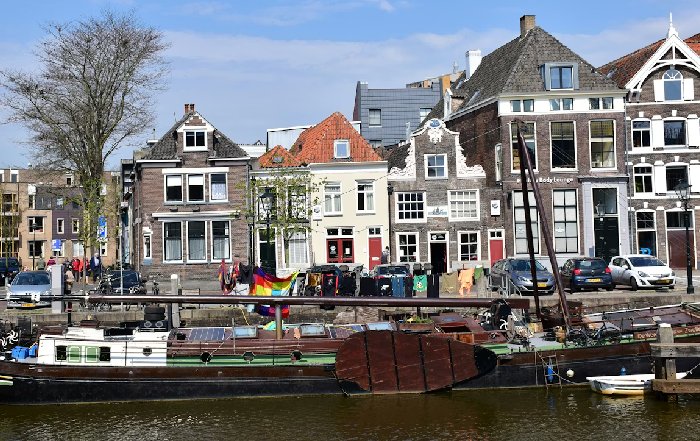
The Enduring Charm of Dutch Canals in a Connected World
Dutch Canals as a Global Benchmark for Livable Cities
As cities across the world compete to become more livable, sustainable, and economically resilient, the historic canal networks of the Netherlands stand as a compelling benchmark for integrated urban design, cultural preservation, and tourism strategy. The canals of Amsterdam, Utrecht, Leiden, Haarlem, and countless smaller towns are no longer viewed simply as picturesque waterways for postcards and leisure cruises; rather, they are increasingly recognized by urban planners, business leaders, and policy makers from the United States, the United Kingdom, Germany, Canada, Australia, and across Asia and Africa as a living laboratory for how heritage infrastructure can support modern mobility, climate adaptation, and high-value tourism. For the growing online community of WorldWeTravel.com, whose interests span destinations, business, family travel, and sustainable eco-experiences, the Dutch canal story offers a rich intersection of culture, commerce, and innovation that resonates far beyond Europe.
The Netherlands has long been studied as a case of "water management as destiny," and the canal belts of cities such as Amsterdam, recognized by UNESCO as a World Heritage Site, illustrate how centuries-old engineering still supports twenty-first-century urban life. Cities from Singapore to New York increasingly look to Dutch models when exploring how to integrate blue-green infrastructure into their own urban cores, and organizations such as UN-Habitat and OECD frequently highlight Dutch practices in discussions of resilient cities. In this context, Dutch canals are not just a charming backdrop for leisure; they are a strategic asset that aligns cultural heritage with contemporary goals in climate resilience, tourism diversification, and knowledge-driven economic development.
Historical Foundations: Engineering, Trade, and Urban Identity
The charm of Dutch canals is deeply rooted in the country's history as a maritime trading power, and the story of these waterways is inseparable from the rise of Amsterdam as a global commercial hub during the seventeenth-century Dutch Golden Age. The concentric canal rings, or "grachtengordel," were not conceived primarily as tourist attractions but as a sophisticated urban expansion project designed to facilitate trade, control water levels, and create orderly residential districts for merchants and artisans. Historical analyses from institutions such as the Rijksmuseum and the Amsterdam City Archives emphasize how canals functioned as both infrastructure and identity, shaping the city's economic and social fabric while supporting the operations of powerful trading organizations like the Dutch East India Company (VOC), whose global networks extended from Asia to South America.
This blend of engineering pragmatism and commercial ambition is visible in many Dutch cities, from the wharf cellars of Utrecht's Oudegracht, where goods were once loaded directly from boats into storage spaces, to the defensive and transport canals of Leiden and Delft. Scholars at Delft University of Technology and other leading research institutions continue to explore how these historical systems can inform contemporary water management and urban design, particularly as rising sea levels and extreme weather patterns challenge low-lying regions around the world. For international visitors, understanding this historical context adds depth to a canal cruise or a stroll along the water's edge, transforming a scenic experience into a living lesson in how trade, technology, and geography shaped a nation.
Canals as Modern Urban Infrastructure and Climate Strategy
In an era where climate resilience has become a central concern for cities from London and Hamburg to Tokyo and Bangkok, Dutch canals are increasingly recognized as a critical component of a broader water management system rather than merely heritage assets. The Netherlands' national water authority, Rijkswaterstaat, and knowledge platforms such as the Delta Programme have developed integrated approaches that use canals, dikes, and floodplains to manage excess water, reduce flood risk, and maintain navigability, and these strategies are closely monitored by urban planners and environmental agencies worldwide who seek to learn more about sustainable water management models.
The canal systems of Amsterdam and Rotterdam are now part of advanced digital monitoring networks that integrate weather forecasting, sensor data, and hydraulic controls, and organizations such as Deltares and KNMI provide research and climate modeling that supports real-time decision-making. For business travelers and policy professionals visiting the Netherlands, guided technical tours and executive briefings increasingly focus on these aspects, positioning the canals as a bridge between heritage and innovation. Readers exploring technology and innovation in travel on WorldWeTravel.com will find that Dutch canals exemplify how legacy infrastructure can be upgraded with smart systems, enabling cities to adapt to climate risks while preserving their historic character.
Tourism, Hospitality, and the Canal Economy
The economic impact of Dutch canals extends far beyond ticket sales for boat tours. They form the backbone of a diversified visitor economy that supports hotels, restaurants, cultural institutions, and conference venues, and in Amsterdam alone, canal-related tourism contributes significantly to the city's GDP and employment. Reports from the Netherlands Board of Tourism & Conventions (NBTC) highlight how canal districts attract high-spending travelers from the United States, the United Kingdom, Germany, China, and other major markets, and these visitors often combine leisure experiences with business meetings, cultural events, and educational activities, creating a multifaceted tourism profile that cities worldwide seek to emulate.
For hospitality professionals and frequent travelers, the canal-side hotel experience has become a distinctive market segment, featuring boutique conversions of former merchant houses, contemporary design hotels with water views, and serviced apartments that cater to extended stays and remote workers. Those planning canal-focused stays can explore curated accommodation options and travel strategies through resources such as WorldWeTravel's hotel insights and broader travel planning guides, which increasingly emphasize the importance of location, walkability, and access to cultural amenities when selecting where to stay. International rating organizations such as Forbes Travel Guide and Condé Nast Traveler frequently highlight canal districts in their rankings of Europe's most desirable urban neighborhoods, reinforcing their appeal to discerning travelers.
Family Travel and Educational Experiences on the Water
For families from Canada, Australia, Singapore, South Africa, and beyond, Dutch canals offer a rare combination of safety, accessibility, and educational value that makes them particularly attractive for multi-generational trips. The compact historic centers of cities like Amsterdam, Haarlem, and Utrecht allow parents and children to explore on foot or by bicycle, while canal cruises provide a low-stress way to see major sights, learn about history, and enjoy time together without the logistical challenges that often accompany urban travel. Museums such as NEMO Science Museum in Amsterdam and the Maritime Museum connect directly with the narrative of water, trade, and technology, offering interactive exhibits that align with school curricula and foster curiosity about engineering, sustainability, and global history.
Families planning itineraries can benefit from combining canal experiences with cultural and nature-based activities, drawing on advice and inspiration from WorldWeTravel's family travel section and practical travel tips. Educational organizations and cultural institutions, including UNESCO and the European Network of National Heritage Organizations, frequently emphasize the value of exposing younger generations to living heritage sites where history is still visible in the urban fabric. In this sense, a day spent exploring Dutch canals becomes more than a leisure outing; it becomes an immersive classroom that connects European history with global themes such as trade routes, migration, and environmental stewardship.
Business Travel, Conferences, and Canal-Side Workspaces
The canal districts of Dutch cities have also evolved into highly desirable locations for business events, corporate retreats, and flexible work arrangements. With the rise of hybrid and remote work models, professionals from the United States, the United Kingdom, Germany, and the Nordic countries increasingly seek destinations that blend productive environments with cultural richness and high quality of life. Amsterdam's canal belt, along with emerging hubs in Utrecht and Rotterdam, offers co-working spaces, boutique meeting venues, and executive accommodation that capitalize on the appeal of water views and historic architecture while providing high-speed connectivity and modern amenities. Organizations such as Amsterdam Convention Bureau and Holland Travel Trade promote these assets to international corporations, associations, and event planners, emphasizing the ease of access from major global hubs and the Netherlands' reputation for openness and innovation.
For readers exploring business travel and work-oriented journeys on WorldWeTravel.com, Dutch canals exemplify how a destination can support both productivity and well-being. Canal-side cafés and hotel lounges often function as informal meeting spaces where entrepreneurs, researchers, and investors connect, while structured programs offered by universities such as University of Amsterdam and Erasmus University Rotterdam provide executive education and study-abroad experiences that leverage the urban setting as a teaching tool. As global competition for talent intensifies, cities that can offer this blend of heritage, infrastructure, and business-friendly environments are likely to remain attractive to internationally mobile professionals and their families.
Health, Well-Being, and the Psychology of Water
Beyond their economic and historical significance, Dutch canals contribute meaningfully to urban health and well-being, a topic that has gained heightened attention in the wake of global public health challenges and the mental health impacts of rapid urbanization. Research from organizations such as the World Health Organization (WHO) and leading universities indicates that access to blue and green spaces can reduce stress, enhance mood, and encourage physical activity, and the canal networks of Amsterdam, Leiden, and other Dutch cities provide exactly this combination of visual calm and active mobility. Walking or cycling along the water, taking a morning jog on a canal-side path, or simply pausing on a bridge to watch boats pass by can become part of daily routines for residents and travelers alike, contributing to a sense of balance amid busy schedules.
Wellness-focused retreats and slow-travel itineraries increasingly incorporate canal environments, blending yoga sessions, mindfulness practices, and gentle exploration with the soothing presence of water. Visitors interested in integrating health and relaxation into their trips can find inspiration in WorldWeTravel's health and wellness features and its dedicated retreat experiences, which often highlight European and global destinations where natural or urban landscapes support restorative travel. Dutch initiatives such as the Healthy Cities programs in Amsterdam and Utrecht, often referenced by organizations like EuroHealthNet, underscore how integrating water, cycling infrastructure, and public spaces can support population health in ways that are both measurable and experiential.
Sustainability, Eco-Travel, and Responsible Canal Experiences
As travelers from Europe, North America, and Asia become more conscious of their environmental impact, Dutch canals offer a useful lens through which to examine the possibilities and challenges of sustainable urban tourism. Municipal authorities in Amsterdam and other cities have introduced regulations to manage canal traffic, limit noise and emissions, and encourage the transition to electric or hybrid tour boats, aligning with broader climate goals and commitments under frameworks such as the Paris Agreement. Visitors who wish to align their travel choices with environmental values can seek out operators certified by labels such as Green Key or Blue Flag, which indicate adherence to recognized sustainability standards and practices.
For readers interested in eco-conscious itineraries, WorldWeTravel's sustainability and eco-travel insights offer context and guidance that complement local information from municipal tourism boards and environmental organizations. International platforms such as the Global Sustainable Tourism Council (GSTC) provide additional frameworks for evaluating destinations and experiences, helping travelers understand how canal cruises, cycling tours, and heritage visits can be part of a lower-impact travel strategy. By choosing off-peak travel times, supporting local businesses, and respecting residential neighborhoods, visitors contribute to the long-term viability of canal districts as places where people live, work, and thrive, rather than merely as tourist backdrops.
Cultural Life Along the Water: Art, Festivals, and Everyday Scenes
The cultural life of Dutch canal cities is as compelling as their physical infrastructure, and it is in the interplay between water, architecture, and everyday activity that their true charm emerges. Annual events such as Amsterdam's Grachtenfestival (Canal Festival), the Amsterdam Light Festival, and the King's Day celebrations transform canals into stages for music, art, and communal gatherings, attracting visitors from across Europe, Asia, and the Americas. Institutions such as the Rijksmuseum, Van Gogh Museum, and Anne Frank House are often just a short walk from canal banks, allowing visitors to weave cultural visits, café stops, and scenic walks into a single fluid experience.
For culturally curious travelers, resources like WorldWeTravel's culture-focused content and broader global destination coverage can help contextualize these experiences within wider European and international trends. Organizations like Europa Nostra and the Council of Europe regularly highlight Dutch canal districts as exemplary cultural landscapes where tangible and intangible heritage coexist, from historic façades and bridges to local traditions, markets, and neighborhood rituals. Observing residents commuting by bicycle along the water, children feeding ducks, or neighbors chatting on canal-side benches provides insight into the social fabric that underpins the postcard-perfect views, reminding visitors that these are living communities with their own rhythms and priorities.
Comparative Perspectives: Lessons for Global Cities and Travelers
In a global context, Dutch canals invite comparison with other iconic waterfronts and riverfronts, from London's Thames and Paris's Seine to Singapore's Marina Bay and the reclaimed waterfronts of cities such as Hamburg and Copenhagen. International bodies like the World Bank and UNESCO often reference Dutch urban water management in case studies that explore how cities can revitalize historic waterfronts, integrate flood protection, and create attractive public spaces. For business leaders, urban strategists, and frequent travelers, these comparisons highlight the strategic value of water as a catalyst for urban regeneration and place branding, demonstrating how investments in public realm and heritage conservation can yield returns in tourism, real estate, and talent attraction.
Travelers who follow WorldWeTravel.com for insights into global economic trends and urban development will recognize that Dutch canals fit within broader shifts toward experience-driven economies, where authenticity, walkability, and cultural depth are key differentiators. Cities in Asia, Africa, and South America are increasingly exploring how to adapt similar principles to their own contexts, whether through river clean-up projects, creation of waterfront promenades, or restoration of historic port districts. While each context is unique, the Dutch example underscores the importance of long-term planning, cross-sector collaboration, and public engagement in shaping water-centric urban futures that are both economically vibrant and socially inclusive.
Planning a Canal-Focused Journey with WorldWeTravel
For travelers considering a journey to the Netherlands, Dutch canals offer a versatile foundation for itineraries that can be tailored to diverse interests, from family vacations and romantic getaways to corporate retreats and solo workations. Starting with Amsterdam's canal belt and then extending to secondary cities such as Utrecht, Leiden, Haarlem, and Delft allows visitors to experience different scales and atmospheres, from bustling capital to quieter university towns and historic centers. Integrating canal experiences with visits to museums, markets, parks, and nearby countryside or coastal areas creates a balanced trip that reflects the multifaceted character of the Netherlands as a modern, outward-looking society rooted in its relationship with water.
Readers can use the broader resources of WorldWeTravel.com to align canal experiences with their specific priorities, whether that means focusing on destinations and route planning, optimizing business travel logistics, or designing family-friendly, culturally rich itineraries. By combining trusted external information from organizations such as UNESCO, NBTC, OECD, and the World Health Organization with the practical, traveler-centered perspective of WorldWeTravel.com, visitors gain a holistic understanding of what makes Dutch canals not only charming but also strategically important in a world where cities must balance growth, sustainability, and quality of life.
In the end, the enduring charm of Dutch canals lies in their ability to connect past and present, local and global, leisure and work, aesthetics and resilience. For the international audience that turns to WorldWeTravel.com for awesome expert guidance and inspiration, they represent both a compelling travel experience and a powerful symbol of how thoughtful design and long-term stewardship can create places that continue to captivate, inform, and sustain people from all corners of the world.