

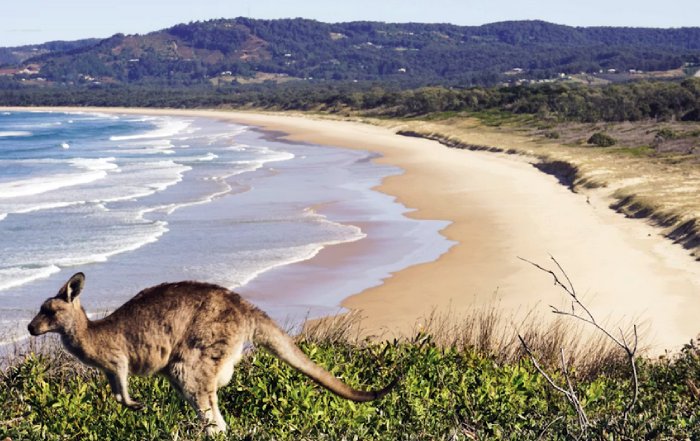
Health and Outdoor Tourism Across Australia in 2026: A Strategic View for Global Travelers and Businesses
Health and outdoor tourism across Australia has moved into a more mature and strategically significant phase by 2026, shaped by post-pandemic behavioral shifts, rapid advances in digital health, heightened awareness of climate risk, and a sustained global focus on mental wellbeing and work-life balance. For the international audience of WorldWeTravel.com-decision-makers, travel planners, mobile professionals, and globally minded families-Australia now stands out not only as a long-haul leisure destination, but as a high-value hub where wellness, nature, and business travel converge in ways that directly support performance, resilience, and long-term health. As organizations in the United States, United Kingdom, Germany, Canada, Singapore, and across Europe and Asia rethink travel through the lenses of risk management, sustainability, and employee wellbeing, understanding Australia's evolving health and outdoor tourism landscape has become a strategic necessity rather than a lifestyle curiosity.
Australia's proposition is anchored in a combination of vast and diverse geography, a sophisticated and tightly regulated healthcare system, and a culture that has long celebrated outdoor living and sport. From the wellness retreats of New South Wales and Queensland to the adventure and nature therapy hubs of Western Australia and Tasmania, the country offers a continuum of experiences that align with the global shift toward preventive health, mental resilience, and responsible travel. For readers of WorldWeTravel.com, who increasingly expect travel to serve professional performance, family cohesion, and personal growth simultaneously, Australia's model provides a compelling case study in how destinations can integrate health, nature, and culture into coherent, trustworthy travel offerings. Those beginning to map itineraries can explore broader regional options through the site's curated destinations and experiences, where health-oriented journeys are framed in a global context.
Australia's Strategic Health Advantage for Travelers
A defining element of Australia's appeal in 2026 is its ability to combine world-class natural environments with a health system that inspires confidence among risk-aware travelers and corporate travel managers. The country's universal healthcare framework, underpinned by Medicare and supported by a dense network of private hospitals, specialists, and allied health providers, offers a safety net that many international visitors consider essential in an era of heightened health consciousness. The Australian Government Department of Health and Aged Care provides transparent information on system structure, regulation, and public health programs, while the World Health Organization continues to benchmark Australia favorably on indicators such as life expectancy, quality of care, and health security, giving travel planners data to support destination selection.
Health tourism in Australia, however, extends far beyond hospital-level care or medical procedures. Over the past several years, wellness travel, nature-based retreats, outdoor fitness programs, and evidence-based mental health getaways have become mainstream components of the tourism offer. Iconic locations such as the Great Barrier Reef, the Blue Mountains, the Margaret River region, and the Tasmanian wilderness are increasingly marketed not only as scenic attractions, but as environments for structured health improvement, recovery from burnout, and long-term lifestyle change. International travelers who once arrived for sightseeing now seek itineraries that integrate guided physical activity, restorative landscapes, and scientifically grounded wellbeing practices, a shift that aligns closely with the expectations of WorldWeTravel.com readers who approach travel planning as part of a broader strategy for sustainable high performance.
Outdoor Wellness as a Primary Travel Motivator
Across Australia's states and territories, outdoor wellness has evolved from a niche to a primary driver of both domestic and inbound travel. National parks, coastal trails, and marine reserves are being repositioned as wellness corridors, where visitors can move beyond passive observation toward active, health-focused engagement. The Parks Australia network, alongside state agencies such as NSW National Parks and Wildlife Service and Queensland Parks and Wildlife Service, has expanded guided walks, ranger-led programs, and conservation-oriented visitor experiences that encourage longer stays, deeper immersion, and more mindful interaction with local ecosystems. These developments are supported by infrastructure improvements, from upgraded trail networks to accessible viewing platforms, making wellness-oriented outdoor activity viable for a broader demographic, including older travelers and families with young children.
The scientific case for outdoor wellness has only strengthened. Research consolidated by organizations like the Australian Psychological Society and the American Psychological Association continues to demonstrate strong links between time in nature and reduced stress, improved mood, better sleep, and enhanced cognitive performance. For business leaders, consultants, and knowledge workers who operate under sustained cognitive load, this evidence has reframed time in nature as a legitimate component of performance management rather than a discretionary luxury. Corporate travel policies increasingly recognize that hotel selection, access to green space, and opportunities for outdoor exercise can influence productivity and decision quality during business trips, making the wellness capabilities of Australian cities and regions highly relevant to travel buyers who also rely on insights from WorldWeTravel's hotel coverage when setting preferred supplier lists.
Regional Hubs of Health and Outdoor Tourism
Australia's size and ecological diversity mean that health and outdoor tourism offerings differ markedly between regions, allowing travelers from Europe, North America, and Asia to match destinations to specific wellbeing goals, climate preferences, and trip durations. In New South Wales, the Blue Mountains and the Byron Bay hinterland have consolidated their reputations as wellness hubs, with retreats that integrate yoga, meditation, breathwork, nutrition-focused cuisine, and guided nature immersion. Many of these programs draw on research from The University of Sydney, UNSW Sydney, and other leading institutions, which have contributed to global scholarship on mindfulness, sleep, and stress reduction, giving these retreats a level of credibility that appeals to executive clients and health-conscious families alike.
Queensland's Sunshine Coast and Gold Coast have evolved into dual-purpose destinations that serve both traditional leisure markets and a rapidly growing segment of travelers explicitly seeking health benefits. Coastal walks, surf therapy programs, integrated wellness resorts, and nature-based rehabilitation services coexist alongside theme parks and beach tourism, creating layered itineraries that can satisfy mixed-interest groups. Families planning multi-generational travel increasingly combine child-friendly attractions with structured wellness activities, using resources like WorldWeTravel's family travel hub to balance entertainment, safety, and restorative time for adults.
Western Australia's Margaret River region and the Ningaloo Coast continue to attract visitors looking for a synthesis of physical challenge, culinary excellence, and restorative seascapes. Multi-day coastal trails, whale shark and manta ray encounters, and vineyard-based wellness programs emphasize both activity and relaxation, with many operators adopting conservation and low-impact practices. Tasmania, meanwhile, has deepened its positioning as a sanctuary for slow travel and immersive wilderness experiences, with multi-day hikes, luxury lodges, and minimalist eco-retreats that capitalize on the island's relatively intact ecosystems. Conservation frameworks articulated by Tasmania Parks and Wildlife Service and supported by organizations such as WWF-Australia give travelers confidence that their presence can align with, rather than undermine, environmental objectives, a concern that resonates strongly with the WorldWeTravel.com audience focused on long-term destination health.
Business Travel, Work Culture, and Wellbeing Integration
By 2026, the intersection between health tourism and business travel in Australia has become more pronounced, reflecting global shifts in work culture and corporate responsibility. Organizations headquartered in Sydney, Melbourne, Brisbane, Perth, and increasingly in regional innovation corridors are redesigning travel policies to incorporate wellbeing criteria alongside cost and risk considerations. Hotel programs are evaluated not only on negotiated rates and loyalty benefits, but also on access to parks, running routes, high-quality gyms, nutritious food options, and quiet spaces suitable for recovery after long-haul flights. The result is a more holistic view of duty of care, in which travel is treated as a potential health intervention rather than a purely logistical function.
Australian cities are responding with urban planning strategies that support this approach. Authorities such as the City of Sydney and City of Melbourne have expanded cycling networks, river and bayfront promenades, and urban green corridors, making it easier for business travelers to incorporate walking meetings, early-morning runs, or outdoor reflection into packed schedules. Corporate offsites and leadership programs are increasingly held in regional wellness destinations, where agendas deliberately alternate between strategic work sessions and structured outdoor activities. Readers exploring how travel, collaboration, and organizational culture intersect can reference WorldWeTravel's business insights and complementary work-focused content, which examine how organizations in North America, Europe, and Asia are using Australia as a test bed for healthier models of corporate mobility.
Parallel to this, the "work from anywhere" trend has matured into more formalized remote and hybrid work arrangements, with professionals from the United States, United Kingdom, Germany, the Netherlands, Singapore, and beyond basing themselves for extended periods in Australian locations that offer both robust connectivity and immediate access to nature. Coastal towns and regional centers in New South Wales, Queensland, South Australia, and Western Australia now actively market themselves as remote work hubs, supported by high-speed broadband, coworking facilities, and nearby outdoor experiences. Tourism Australia, in collaboration with state economic development agencies, has developed targeted campaigns and visa information to support this segment, while global research from McKinsey & Company and Deloitte continues to link flexible work, mental health, and productivity, reinforcing the strategic logic of health-oriented remote work locations.
Digital Health, Data, and the Outdoor Experience
Technology and digital health are reshaping how travelers design, monitor, and refine health-focused journeys across Australia. Wearable devices, advanced fitness trackers, and mental health apps now allow visitors to track heart rate variability, sleep stages, stress markers, and activity levels in real time as they hike, swim, cycle, or simply spend time in natural settings. For many WorldWeTravel.com readers, this data-driven approach has become an integral part of travel planning, enabling them to align itineraries with specific goals such as cardiovascular improvement, weight management, burnout recovery, or cognitive optimization. Digital platforms promoted by Healthdirect Australia and international clinical leaders like the Mayo Clinic provide travelers with reliable information on preventive health, telehealth access, and symptom management, which is especially important in remote regions where in-person medical services may be limited.
Australian tourism operators are integrating these tools into their service design. Wellness retreats increasingly offer pre-arrival health assessments, app-based coaching, and post-retreat follow-up programs that extend the benefits of a stay into everyday life. Some national parks and conservation areas are experimenting with augmented reality and digital interpretation to deepen understanding of local ecosystems and Indigenous knowledge, while still encouraging device-free time for mental rest. For those interested in the broader technological forces reshaping global travel, WorldWeTravel's technology section examines how AI-based itinerary planning, digital identity, and smart infrastructure intersect with health and sustainability objectives in destinations like Australia.
Mental Health, Retreats, and Restorative Journeys
The global mental health conversation has intensified through 2025 and into 2026, and Australia's tourism sector has responded with a more sophisticated and clinically informed approach to retreats and restorative travel. Beyond spa-style wellness, many programs now focus explicitly on stress management, anxiety, burnout prevention, and emotional resilience, often designed in consultation with psychologists, psychiatrists, and organizational wellbeing specialists. Institutions such as Beyond Blue and Black Dog Institute remain influential in shaping public understanding of mental health in Australia, and their frameworks are widely referenced by retreat operators who wish to ground programs in evidence rather than trend.
Retreats range from rainforest sanctuaries in Queensland and the Northern Rivers region to minimalist coastal properties in Victoria, South Australia, and Western Australia that emphasize digital detox, solitude, and contemplative outdoor time. Many are tailored to specific cohorts: senior executives facing decision fatigue, healthcare professionals recovering from pandemic-era strain, entrepreneurs managing volatility, or parents seeking to reset family dynamics. The design of these programs increasingly acknowledges cultural diversity, with offerings adapted for travelers from Asia, Europe, and North America who may have different expectations around privacy, group work, and spirituality. On WorldWeTravel.com, dedicated retreat content helps readers evaluate facilitator credentials, program structures, and integration of nature and culture, supporting more informed selection in a rapidly expanding market.
Eco-Conscious Health Tourism and Climate-Aware Travel
Sustainability has become inseparable from discussions of health and outdoor tourism in Australia, as travelers and organizations recognize that personal wellbeing depends on the stability of climate, ecosystems, and communities. Eco-certified lodges, low-impact adventure operators, and conservation-focused tour providers are now central to the wellness offer rather than peripheral. Ecotourism Australia's ECO Certification framework, aligned with global standards from the Global Sustainable Tourism Council, helps travelers identify operators that genuinely prioritize environmental stewardship, community benefit, and cultural respect. At the same time, reports from the Intergovernmental Panel on Climate Change (IPCC) have made clear the vulnerability of key Australian environments, from coral reefs to alpine regions, prompting more climate-aware travel planning.
For the WorldWeTravel.com audience, many of whom are frequent flyers and corporate influencers, aligning health travel with eco-conscious practice is both an ethical and reputational imperative. Learning how to embed eco principles into travel decisions might involve choosing reef operators that participate in coral restoration, supporting Indigenous-owned enterprises that combine cultural education with land rehabilitation, or selecting itineraries that favor rail and coach over multiple short-haul flights where feasible. In Australia, regenerative tourism initiatives are emerging in regions such as the Great Barrier Reef, the Daintree Rainforest, and parts of Western Australia, giving visitors opportunities to contribute directly to conservation projects during their stay, thereby linking personal renewal with tangible environmental outcomes.
Family Health, Outdoor Learning, and Intergenerational Experiences
Health and outdoor tourism in Australia has a strong family dimension, appealing to parents and caregivers who view travel as a vehicle for physical activity, emotional resilience, and environmental education for children. Multi-generational trips that combine hiking, wildlife encounters, cultural experiences, and age-appropriate wellness practices are increasingly popular among visitors from the United States, United Kingdom, Germany, the Netherlands, Scandinavia, and across Asia. These journeys reflect a broader global trend toward experiential learning and shared milestones, where time in nature is seen as a counterbalance to screen-heavy urban lives.
Australian destinations have responded by designing family-friendly trails, coastal walks, and wildlife experiences that prioritize safety, accessibility, and educational value. Organizations such as Taronga Conservation Society Australia and Zoos Victoria have repositioned traditional zoo visits as conservation and wellbeing experiences, integrating behind-the-scenes programs, citizen-science projects, and messaging around climate change and biodiversity. Many national parks now offer junior ranger programs and interactive interpretation that encourage children to connect physical activity with curiosity and responsibility. Families planning these experiences can draw on WorldWeTravel's family travel guidance, which emphasizes health, safety, and cultural sensitivity while highlighting practical considerations such as pacing, hydration, and sun protection in Australia's sometimes extreme conditions.
Culture, Indigenous Knowledge, and Holistic Wellbeing
A distinctive strength of Australia's health and outdoor tourism offer in 2026 is the growing integration of Indigenous knowledge systems, which approach land, health, and community as inseparable. Many wellness and nature-based experiences now incorporate Indigenous perspectives on balance, connection, and responsibility, offering visitors a more holistic understanding of wellbeing. Indigenous-owned and led tourism enterprises in the Northern Territory, Western Australia, Queensland, and other regions invite travelers to learn about bush foods, traditional healing practices, and cultural protocols that have supported physical and spiritual health for tens of thousands of years.
National bodies such as the Indigenous Tourism Council of Australia and institutions like the National Museum of Australia help frame these experiences within broader historical and cultural narratives, encouraging respectful engagement and long-term support for community priorities. For international travelers and organizations seeking to embed cultural respect into their health-focused itineraries, participation in Indigenous-led programs offers both ethical alignment and deeper insight into place. On WorldWeTravel.com, culture-focused content encourages travelers to approach such experiences with humility, to prioritize Indigenous ownership and leadership, and to understand wellness not only as an individual pursuit, but as a communal and ecological relationship.
Economic and Global Context of Australia's Health Tourism
The evolution of health and outdoor tourism in Australia cannot be separated from its economic and geopolitical context. As markets in North America, Europe, and Asia continue to prioritize wellbeing and experience over material consumption, demand for destinations that combine strong health infrastructure, natural assets, and political stability is expected to grow. Analyses from the World Travel & Tourism Council (WTTC) and the Organisation for Economic Co-operation and Development (OECD) highlight wellness and nature-based tourism as high-value segments that can support regional development, diversify visitor economies, and create skilled employment in areas ranging from allied health to digital services.
Australian federal and state agencies, including Austrade and state tourism boards, have recognized this opportunity and are investing in infrastructure, training, and marketing to position the country as a premium wellness and outdoor destination. Economic modeling suggests that health and nature-based tourism can help smooth seasonality, support Indigenous and regional communities, and attract longer-stay, higher-yield visitors who are less price-sensitive and more values-driven. For readers tracking these developments in a broader macroeconomic context, WorldWeTravel's global and economy sections provide analysis of how wellness tourism interacts with labor markets, healthcare costs, and corporate strategy across regions, from North America and Europe to Asia-Pacific.
Safety, Health Preparedness, and Practical Planning
For health-focused travelers, families, and corporate planners, careful attention to safety and logistics remains essential when engaging with Australia's outdoor environments. The country's vast distances, variable climate, and diverse ecosystems-from tropical reefs and deserts to alpine regions-require thoughtful preparation. Government resources such as Smartraveller, the Bureau of Meteorology, and state emergency services offer real-time updates on weather, fire danger, marine conditions, and other risk factors that can influence itinerary design and on-the-ground decisions. These tools are particularly important for visitors from Europe and North America who may underestimate the scale and remoteness of certain regions.
Health guidance from organizations such as the Centers for Disease Control and Prevention (CDC) and the World Health Organization continues to inform vaccination, hygiene, and general travel health advice for visitors to Australia, while local health departments provide region-specific updates. For planners seeking a structured approach, WorldWeTravel's travel tips and general travel guidance offer frameworks for building itineraries that balance ambition with recovery time, incorporate contingency planning, and respect local regulations and cultural norms. By combining official advisories, clinical expertise, and local operator knowledge, travelers can design outdoor experiences that are both safe and genuinely restorative.
Looking Ahead: Australia as a Living Laboratory for Wellbeing-Centered Travel
As the world moves deeper into the second half of the 2020s, health and outdoor tourism in Australia is poised to become even more integrated with healthcare, technology, environmental stewardship, and cultural understanding. Advances in digital health, biometric monitoring, and AI-driven travel planning are enabling more personalized and adaptive itineraries, where activities, rest periods, and even locations can be fine-tuned to individual health data and environmental conditions. Partnerships between hospitals, universities, tourism operators, and technology firms such as CSL, Telstra, and leading global digital health providers are likely to produce new models of preventive care and rehabilitation that explicitly use nature as a therapeutic asset, blurring traditional boundaries between clinical settings and outdoor environments.
For the global audience of WorldWeTravel.com, the key opportunity is to view Australia not simply as a distant leisure destination, but as a living laboratory for how travel can support healthier ways of living and working. Whether designing a family journey that combines outdoor learning and wellness, a corporate retreat that aligns strategic work with nature immersion, or an individual sabbatical focused on recovery and reinvention, travelers can leverage Australia's unique combination of health infrastructure, natural diversity, and cultural depth to support long-term wellbeing. By engaging thoughtfully with the country's landscapes, communities, and knowledge systems, and by drawing on expert resources across the WorldWeTravel global platform, health and outdoor tourism in Australia becomes more than a personal benefit; it becomes a contribution to a more sustainable, resilient, and wellbeing-centered travel future for regions worldwide.