

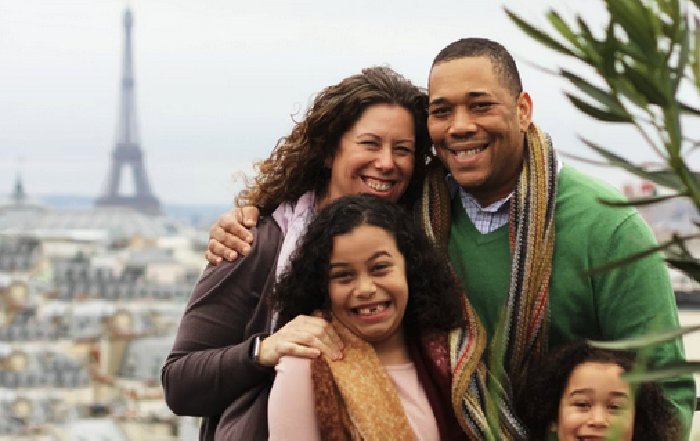
Family Travel in France Beyond the Big Cities
Family travel in France has entered a new phase by 2026, one in which globally minded parents, professionals and children are increasingly looking past the traditional magnets of Paris, Lyon and Marseille toward smaller towns, coastal villages and rural regions that better reflect their evolving priorities. For the audience of WorldWeTravel.com, whose interests span destinations, business, technology, health, eco-travel, family life and modern work, regional France now represents a sophisticated laboratory for rethinking how families travel, learn, work and recharge together. Rather than treating a French holiday as a brief escape, many families from the United States, United Kingdom, Germany, Canada, Australia, Japan, Singapore and across Europe, Asia, Africa and the Americas are building longer, more intentional journeys that combine cultural immersion, wellness, education and hybrid work routines, supported by the platform's curated guidance on travel trends and planning.
Why Families in 2026 Are Looking Beyond Paris, Lyon and Marseille
The shift away from France's largest cities is rooted in a decade of changing travel behaviors, accelerated first by the pandemic years and then reinforced by longer-term structural trends in work, technology and sustainability. Families balancing demanding careers with the needs of children and often aging parents increasingly seek destinations that offer breathing room, lower crowd density and closer contact with local communities, without sacrificing infrastructure, healthcare quality or digital connectivity. For many readers of WorldWeTravel.com, especially those working remotely in sectors such as technology, finance, consulting and creative industries, regional France offers the rare combination of tranquil environments and reliable services that make it possible to maintain professional commitments while traveling. They draw on curated overviews like WorldWeTravel's destinations hub to identify lesser-known regions that align with school calendars, project timelines and budget constraints.
At the same time, the global debate on sustainable tourism has matured significantly by 2026, and families are increasingly aware of their responsibility to avoid contributing to overtourism in iconic urban centers. Organizations such as the UN World Tourism Organization have continued to advocate for dispersing visitor flows and supporting rural economies, while cities themselves have introduced measures to manage visitor numbers and protect residents' quality of life. Parents planning a French journey now routinely consult policy guidance and data from the UN World Tourism Organization and similar bodies, then translate those principles into practical choices by favoring mid-sized towns, coastal villages and rural heartlands where tourism revenue supports local development instead of straining fragile urban ecosystems. This shift dovetails with a growing focus on wellness, outdoor recreation and experiential learning, which are often easier to integrate into daily life in regional France than in its dense metropolitan areas.
The New Geography of Family Travel in France
When families think beyond the well-known circuits of Provence and the Loire Valley, they encounter a more intricate geography that can be finely tuned to different ages, interests and working patterns. In the northwest, Brittany and Normandy offer rugged coastlines, historic towns and maritime cultures; in the southwest, the Dordogne, Lot and Atlantic coast present river valleys, prehistoric sites and relaxed surf communities; in the northeast, Alsace and the Jura blend Franco-German heritage with forested landscapes; and in the east and south, the Alps and Pyrenees provide mountain environments that are now genuinely four-season destinations. This mosaic allows families to create itineraries that might, for example, alternate a week of remote work and local exploration in a Dordogne farmhouse with a digital-light hiking retreat in the Pyrenees, or combine a cultural stay in Alsace with a coastal interlude in Brittany. To align these options with global context and regional comparisons, readers often start with WorldWeTravel's global perspective on travel, then refine their search according to seasonality, travel time from major hubs and the specific needs of each family member.
The evolution of France's transport network has been a critical enabler of this decentralization. High-speed rail lines continue to link Paris, Lyon, Bordeaux, Rennes, Strasbourg and Marseille, while regional trains and improved bus services extend access to secondary cities and rural gateways. Families can increasingly plan car-light or even car-free itineraries that move seamlessly from international flights to TGV trains and then onward via regional connections, supported by integrated platforms such as SNCF Connect and pan-European rail services from organizations like Rail Europe. This infrastructure, combined with France's consistently strong performance in health system rankings from the OECD and World Health Organization, reassures parents from North America, Asia-Pacific and Africa that even when they are far from the big cities, they remain within reach of quality care and reliable services.
Coastal Retreats: Brittany, Normandy and the Atlantic Coast
France's Atlantic and Channel coasts have grown into sophisticated alternatives to the Mediterranean Riviera for families who seek sea air, cultural depth and manageable prices without the intensity of the Côte d'Azur. In Brittany, fortified towns such as Saint-Malo and Dinan, harbors like Vannes and Concarneau, and smaller fishing villages offer a distinctive blend of Celtic heritage, maritime history and contemporary creativity. Families often choose self-catering apartments, guesthouses or small hotels and use them as bases for coastal walks, sailing lessons, beach days and excursions to islands and lighthouses. When evaluating accommodation standards and local services, many parents cross-reference the editorial curation on WorldWeTravel's hotels and lodging section with official regional information from Atout France, the national tourism development agency, which details certified labels, accessibility and seasonal offerings.
Normandy provides a different but equally rich coastal narrative, combining sweeping beaches and dairy landscapes with some of the most significant Second World War sites in Europe. Multi-generational families, in particular, find that visiting the D-Day landing beaches, the Normandy American Cemetery and Memorial at Colleville-sur-Mer and local museums can create powerful intergenerational conversations about history, democracy and peace. Institutions overseen by the American Battle Monuments Commission maintain carefully curated visitor centers designed to help children and teenagers grasp complex events in an age-appropriate way, and many parents prepare beforehand by exploring digital collections from the Imperial War Museums and the National WWII Museum in New Orleans. These resources allow families to weave together classroom learning, personal family stories and on-the-ground experiences into a coherent educational journey that extends well beyond a single trip.
Further south, the Atlantic coastline from La Rochelle down to Biarritz and the Basque Country has developed a distinct identity as a hub for relaxed, outdoor-oriented family travel. Islands such as Île de Ré, with their extensive cycling paths, salt marshes and oyster farms, appeal to families from Netherlands, Sweden, Norway and Denmark who value safe, car-light environments where children can gain independence. Surf towns along the Landes coast attract active families from Germany, Switzerland and Canada, who are drawn by consistent waves, pine forests and a strong culture of environmental stewardship. Organizations like Surfrider Foundation Europe monitor water quality and coastal protection efforts, enabling eco-conscious travelers to make informed choices about where to swim, surf and support local initiatives. Many readers deepen this perspective with WorldWeTravel's eco-travel guidance, using it as a framework for selecting operators, avoiding fragile dunes and contributing to beach clean-up or citizen science projects.
Rural Heartlands: Dordogne, Lot and the Quiet Charms of Southwest France
The rural heartlands of southwest France, notably the Dordogne and Lot regions, have long attracted visitors from the United Kingdom, Netherlands and Belgium, but by 2026 they are firmly on the radar of families from North America, Asia and Australasia who seek a slower pace and deeper immersion. Rolling hills, walnut groves, vineyards, river valleys and fortified hilltop villages create a landscape that functions as an open-air classroom for subjects ranging from geology and prehistory to medieval architecture and agricultural economics. Sites such as Lascaux IV, a meticulously crafted replica of the original prehistoric cave, are managed under strict conservation principles and supported by interpretive centers that help children understand both the scientific and cultural significance of the paintings. Parents often introduce these themes beforehand through resources from the UNESCO World Heritage Centre, which situates French prehistoric and medieval sites within a broader global narrative of human creativity and adaptation.
These regions lend themselves particularly well to extended stays that blend daily life, work and exploration. Many families now rent farmhouses or gétes for several weeks or even months, structuring their days around remote work, online schooling, language learning and late-afternoon excursions to markets, castles or river beaches. The steady expansion of broadband into rural areas, tracked in part by the European Commission's Digital Economy and Society Index, has made it increasingly feasible for professionals in sectors like software, consulting and design to maintain full workloads while based in a small French village. Readers planning such arrangements often turn to WorldWeTravel's work and travel insights, which address time-zone management, workspace design in temporary homes and strategies for preserving family routines when professional and leisure spheres overlap.
Culinary experiences are central to the appeal of southwest France, where weekly markets, farm visits, truffle hunts and cooking classes offer hands-on opportunities for children to understand food systems and regional identity. Families may visit walnut oil mills, duck farms or organic vegetable producers, using principles promoted by Slow Food International to guide their choices toward operations that prioritize biodiversity, animal welfare and fair labor practices. These encounters often spark broader conversations about climate change, soil health and sustainable consumption, themes that resonate strongly with the eco-conscious values of many WorldWeTravel.com readers. By linking these local experiences to global frameworks and practical advice on eco-conscious travel, parents can help children see how everyday decisions about what to eat and where to stay connect to planetary-scale challenges.
Mountain Adventures: Alps, Jura and the Pyrenees Across All Seasons
France's mountain regions have evolved in the 2020s from predominantly winter-focused ski destinations into genuinely year-round environments for family adventure, wellness and digital recalibration. In the French Alps, many resorts outside the most famous names have repositioned themselves as multi-season bases offering hiking, mountain biking, via ferrata, lake swimming and nature-based learning for children and teenagers. Towns such as Les Gets and smaller villages in the Vercors and Chartreuse massifs have invested in family-friendly infrastructure, including beginner trails, educational nature centers and cultural programming that highlights local traditions and crafts. Families planning alpine stays regularly consult the French Ski Federation and regional tourism boards for safety information, trail conditions and activity options, while also reviewing mountain safety guidance from organizations like the International Commission for Alpine Rescue to ensure that excursions are appropriate for children and older relatives.
The Pyrenees, forming a natural border with Spain, present a wilder and often less commercialized alternative that appeals to families seeking both physical challenge and restorative experiences. National parks and biosphere reserves offer opportunities for multi-day hikes, wildlife observation and stargazing, while historic spa towns such as Cauterets and Ax-les-Thermes have modernized thermal facilities that integrate medical oversight with wellness programming. Parents interested in the evidence behind hydrotherapy, altitude exposure and physical activity in mountain environments often consult clinical overviews from institutions like the Mayo Clinic or Cleveland Clinic, then use WorldWeTravel's health-focused analyses to frame these findings within broader lifestyle and longevity trends. This combination of medical insight and practical travel advice allows families to design mountain stays that are both enjoyable and aligned with individual health profiles.
The Jura mountains, stretching along the border with Switzerland, remain less widely known outside Europe, but by 2026 they are attracting a growing number of families who prefer gentle landscapes, lakes and forests over dramatic peaks. Cross-country skiing, snowshoeing and sledding in winter, combined with hiking, lake swimming and cycling in summer, create low-impact ways for multi-generational groups to stay active together. Environmental education centers and regional parks often collaborate with schools and visiting families to explain forest ecology, wildlife corridors and the local impacts of climate change, drawing on research synthesized by the Intergovernmental Panel on Climate Change. Parents who wish to integrate these themes into their children's learning use these resources as a foundation, then seek out local guides and workshops that translate global climate science into concrete, place-based experiences that are easier for young minds to grasp.
Culture, Heritage and Everyday Life in Smaller Towns
Beyond the natural landscapes, one of the most compelling reasons for families to explore regional France is the chance to participate, however briefly, in the rhythms of everyday life at a human scale. In Alsace, Burgundy, Occitanie and other regions, mid-sized towns and villages host weekly markets, seasonal fairs, music festivals and community events that are deeply rooted in local traditions yet open to international visitors. Cultural centers such as Maisons de la Culture, municipal theaters and local museums frequently organize workshops, storytelling sessions and performances suitable for children, sometimes with bilingual or multilingual components for visitors from United Kingdom, Germany, Italy, Spain, Netherlands and beyond. To understand how these initiatives fit into national strategies for cultural preservation and creative development, families can explore the policies outlined by the French Ministry of Culture, which detail efforts to support regional languages, crafts and artistic experimentation.
For parents who see travel as an extension of their children's education, these smaller settings provide an ideal environment for language practice, intercultural learning and the development of social confidence. Organizations such as the British Council and Goethe-Institut have long emphasized that immersion and informal interaction are crucial for language acquisition, and families can operationalize this insight by choosing locally run guesthouses, enrolling children in short-term sports or music programs and encouraging participation in community activities during their stay. On WorldWeTravel.com, the editorial team's reflections on global culture and travel help readers contextualize these experiences within broader dynamics of globalization, migration and identity, encouraging families to approach encounters with curiosity, humility and respect.
Religious and architectural heritage is often more tangible and less mediated in smaller towns than in major cities, where iconic monuments can be overshadowed by crowds and commercial activity. Romanesque churches, Gothic cathedrals, abbeys and fortified villages across regions such as Auvergne, Burgundy and Occitanie are integrated into daily life, serving as venues for concerts, local ceremonies and quiet contemplation. Families can use digital resources from institutions like the Musée du Louvre and Musée d'Orsay to introduce children to key artistic and architectural concepts before visiting these sites, then reinforce learning through observation and conversation on the ground. This layered approach, combining authoritative online materials with in-person exploration, aligns strongly with the Experience and Expertise values that underpin WorldWeTravel.com's editorial philosophy.
Sustainable and Eco-Conscious Family Travel in Regional France
By 2026, sustainability has become a baseline expectation rather than a niche interest for many traveling families, and regional France is particularly well positioned to meet this demand. Many rural communities and mid-sized towns have embraced eco-labels for accommodations, invested in soft mobility infrastructure and strengthened local supply chains in food, crafts and services. Families who wish to ensure that their travel choices support rather than undermine these efforts often begin by familiarizing themselves with global frameworks from the Global Sustainable Tourism Council, which defines standards for sustainable destinations and tourism businesses. They then apply these standards in concrete ways, for example by choosing eco-certified lodgings, prioritizing train travel over short-haul flights where feasible, and supporting local producers rather than importing familiar brands. Editorial features on WorldWeTravel's eco-travel hub translate these high-level concepts into practical checklists and decision frameworks tailored to family realities.
Protected areas across France, including national parks, regional nature parks and marine reserves, offer structured opportunities for families to engage with conservation work and citizen science. Organizations such as WWF France and the French Biodiversity Agency collaborate with local partners to protect habitats and species while providing visitors with guidelines on minimizing ecological impact. Families may participate in bird counts, beach clean-ups or guided walks that highlight the interconnectedness of ecosystems and human activity. For parents who also have a professional interest in sustainability, resources from entities like the World Economic Forum help connect these localized experiences to broader conversations about sustainable business models, green finance and the transition to low-carbon economies, reinforcing the idea that responsible travel is part of a larger economic and social transformation.
Practical Considerations: Health, Safety and Connectivity for Families
For globally mobile families, particularly those combining travel with remote work or extended stays, practical considerations around health, safety and connectivity are as important as landscapes and cultural attractions. France continues to perform strongly in international health system comparisons, with accessible emergency services, pharmacies and specialist care available even in many smaller towns. Parents planning trips from United States, Canada, Brazil, South Africa, China, India or Australia typically consult the World Health Organization for baseline health information, then review country-specific travel advisories from agencies such as the U.S. Centers for Disease Control and Prevention and the UK Foreign, Commonwealth & Development Office to understand vaccination requirements, seasonal risks and insurance recommendations. On WorldWeTravel.com, these official sources are complemented by health-focused travel guidance that translates technical recommendations into user-friendly planning tools and family checklists.
In terms of personal safety, smaller French towns generally experience lower levels of petty crime than major cities, though standard precautions regarding valuables, digital devices and children's supervision remain important. As more parents work remotely while traveling, cybersecurity has become a critical dimension of safety. Families increasingly rely on guidance from the European Union Agency for Cybersecurity (ENISA) to implement best practices around secure Wi-Fi use, VPNs, password management and device protection, integrating these habits into their children's digital education. For professionals who must handle sensitive data while on the move, WorldWeTravel's work and business insights provide additional frameworks for balancing connectivity needs with privacy and compliance obligations.
Connectivity itself has improved markedly in regional France thanks to national initiatives such as the France Très Haut Débit program, which aims to extend high-speed internet across the country. Nevertheless, coverage remains variable in some remote valleys and mountainous areas, making it essential for families who depend on video conferencing or online schooling to verify actual conditions with accommodation providers and, where possible, independent reviews. By combining official infrastructure maps with on-the-ground feedback and technology-focused commentary from WorldWeTravel's technology section, readers can select destinations that support both their digital and lifestyle requirements.
Integrating Business, Economy and Family Life Through Travel
For many readers of WorldWeTravel.com, travel is not only a leisure pursuit but also a lens through which to understand economic change, regional development and the future of work. Regional France offers a particularly rich environment for this kind of integrated observation. Local economies in Brittany, Normandy, Alsace, Occitanie and other regions are navigating transitions in agriculture, manufacturing, tourism and services, often experimenting with new models that blend heritage with innovation. Business leaders and professionals from Singapore, Japan, South Korea, Finland, Norway and New Zealand, among others, find value in observing how French regions manage issues such as depopulation, renewable energy deployment, rural entrepreneurship and digitalization. To situate these observations within a broader macroeconomic context, they frequently consult analyses from the OECD and World Bank, then compare these data-driven narratives with the lived realities encountered in towns, markets and industrial zones.
Families traveling with older children and teenagers can turn these observations into informal but impactful lessons in economic geography and civic literacy. Visits to agricultural cooperatives, renewable energy installations, artisan workshops or start-up incubators in mid-sized cities provide concrete examples of how global trends in technology, sustainability and demographics manifest at the local level. Editorial content in WorldWeTravel's economy section helps families frame these encounters, highlighting how travel can cultivate not just personal memories but also a nuanced understanding of globalization, inequality and regional resilience.
Designing Personalized Family Itineraries with WorldWeTravel.com
By 2026, the sheer volume of online information about travel can be as much a burden as a benefit, especially for busy families juggling careers, school schedules and financial planning. In this environment, WorldWeTravel.com positions itself as a trusted, expert-driven partner that helps readers cut through noise and design itineraries in France that are both inspiring and realistic. Rather than promoting one-size-fits-all lists, the platform emphasizes Experience, Expertise, Authoritativeness and Trustworthiness, drawing on a combination of on-the-ground reporting, collaboration with reputable organizations and continuous monitoring of developments in destinations across Europe, Asia, Africa, North America and South America.
For families considering regional France, the site's integrated structure makes it possible to move from high-level inspiration to granular planning. A reader might begin with the main WorldWeTravel portal, explore regional overviews on destinations, then refine ideas through thematic lenses such as family travel, business and work, health and wellness and retreat-style experiences. Practical advice on travel tips and best practices supports the final stages of planning, from packing and budgeting to managing expectations across different generations.
Ultimately, regional France offers families an invitation to experience a side of the country that is quieter but no less sophisticated than its great cities: coasts where children learn about tides and maritime history, rural valleys where food systems and prehistory come alive, mountains where wellness and adventure coexist, and small towns where culture is woven into everyday life rather than concentrated in a handful of world-famous institutions. By approaching these journeys with the guidance, analytical depth and ethical focus that define WorldWeTravel.com, families from every continent can design French experiences that are not only memorable but also aligned with their values, their professional realities and their aspirations for their children's futures.