

Norway's Natural Powerhouse: How a Rugged Landscape Shapes Modern Travel, Business, and Wellbeing
Norway's reputation as a land of fjords, mountains, and northern lights is well deserved, yet in 2026 the country stands for far more than postcard-perfect scenery. It has become a global benchmark for sustainable development, a testbed for green technology, and a quietly powerful influence on how the world thinks about travel, work, family life, and long-term wellbeing. For readers of WorldWeTravel.com, Norway offers not only an extraordinary destination, but also a living case study in how landscapes, policy, and culture can align to create a high-trust, high-performance society that remains deeply connected to nature.
Norway in 2026: Landscape as Strategy
Situated on the northwestern edge of Europe, Norway stretches from the temperate Skagerrak coast near Denmark to the Arctic Ocean and the Russian border. This geography, carved by ice over millions of years, has produced the dramatic fjords, glaciers, and mountain plateaus that continue to define how the country builds its economy, its infrastructure, and its identity. In the last decade, Norway has used this natural capital to position itself at the forefront of sustainable tourism, low-carbon transport, and nature-based experiences that appeal to travelers, investors, and globally mobile professionals alike.
The Norwegian model is underpinned by a high level of trust in institutions, a strong social safety net, and a long tradition of outdoor life known as "friluftsliv," a cultural value that encourages people to spend time in nature in all seasons. Organizations such as Innovation Norway and Visit Norway have worked with public and private partners to align tourism growth with environmental protection, while the government's sovereign wealth fund, managed by Norges Bank Investment Management, has become a global symbol of long-term stewardship. Learn more about Norway's broader economic context through resources like the World Bank country overview and the OECD country reports, which illustrate how natural landscapes and prudent policy interact.
For travelers, business leaders, and families planning meaningful journeys, the country's distinct regions offer complementary experiences that can be explored in depth through the curated destination insights on World We Travel's destinations hub.
Fjords as Economic, Cultural, and Experiential Engines
The Norwegian fjords are more than scenic backdrops; they are working landscapes that support communities, shape infrastructure, and attract high-value tourism. Sognefjord, Geirangerfjord, are world-renowned, yet what distinguishes them in 2026 is how carefully they are being managed to balance visitor demand with environmental thresholds.
Sognefjord, the longest and deepest fjord in Norway, reaches far into the interior, connecting coastal communities with inland valleys and high mountain areas. This corridor has enabled a mix of traditional industries such as fishing and farming to coexist with modern services, boutique hotels, and knowledge-based businesses that rely on digital connectivity and quality of life rather than proximity to major urban centers. For corporate teams designing off-site retreats or leadership programs, fjord-side villages now host sophisticated facilities that integrate meeting spaces with guided hikes, kayaking, and farm-to-table dining. Companies can explore how to align such experiences with broader business objectives through resources like World We Travel's business travel insights.
In Geirangerfjord and Nærøyfjord, both recognized as UNESCO World Heritage Sites, the shift toward greener cruise and ferry operations has accelerated. Norway has introduced regulations that favor low-emission vessels in its most sensitive fjords, encouraging shipbuilders and operators to adopt electric and hybrid technologies. Those interested in the policy and environmental science behind these changes can explore the UNESCO World Heritage Centre and the research published by the Norwegian Environment Agency. For travelers, these policies translate into quieter, cleaner experiences on the water, where the sound of waterfalls and the sight of small farms clinging to steep slopes are no longer overshadowed by diesel engines.
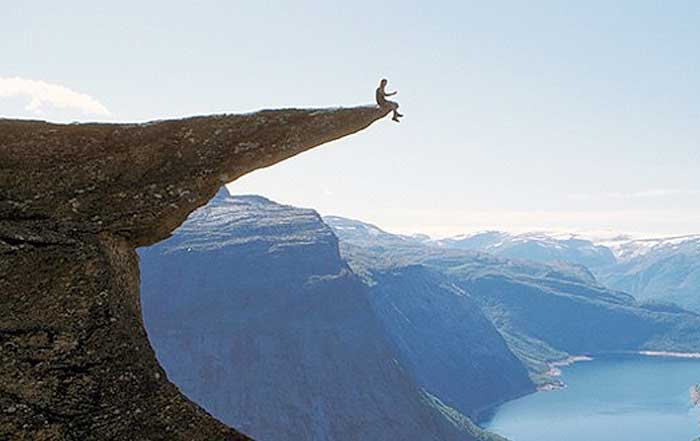
The iconic hikes above the fjords, such as Trolltunga and Preikestolen, have also evolved. Increased visitation has prompted investment in trail maintenance, safety infrastructure, and visitor management systems, including timed entry and digital information platforms. These measures are not simply about crowd control; they reflect a broader commitment to preserving the sense of remoteness and personal achievement that makes these routes so compelling. Readers planning active itineraries will find complementary guidance on World We Travel's travel section, where route planning, seasonal timing, and safety considerations are explored in depth.
Northern Norway: Arctic Experiences, Science, and Indigenous Knowledge
Northern Norway encompasses some of the most distinctive experiences available anywhere on the planet: the midnight sun, the polar night, and the aurora borealis. Yet in 2026, the region is equally notable as a frontline for climate research, a center of maritime innovation, and a place where the rights and knowledge of the Sami people are increasingly recognized in policy and practice.
UiT The Arctic University of Norway collaborates with international institutions on topics ranging from marine ecosystems to satellite monitoring of ice and weather systems. Professionals and students interested in the intersection of technology and climate can explore related developments via organizations like the Norwegian Polar Institute and the European Space Agency, both of which maintain strong links to the region.
For travelers, the draw of the Northern Lights remains powerful. In recent years, improved forecasting tools and data from agencies such as NOAA's Space Weather Prediction Center have made it easier to plan aurora-focused trips, while local operators have refined their offerings to emphasize small groups, photography guidance, and cultural storytelling. Learn more about how solar activity influences aurora visibility on the NOAA SWPC site. At the same time, whale-watching and wildlife experiences have become more regulated to protect vulnerable species and to ensure that visitor activity does not disrupt feeding or migration.
The Sami communities of Finnmark and Troms bring an essential human dimension to the Arctic landscape. Their traditions of reindeer herding, handicrafts, and storytelling are not presented as tourist curiosities but as living practices that must adapt to changing snow patterns, grazing conditions, and economic pressures. Visitors increasingly seek experiences that are co-designed with Sami organizations, ensuring that cultural interpretation, land use, and revenue sharing are handled with respect. Those interested in indigenous rights and governance can explore global perspectives through the UN Permanent Forum on Indigenous Issues.
For families and multigenerational groups, Northern Norway offers a powerful blend of education and adventure. Dog sledding, snowshoeing, and coastal voyages can be tailored to different ages and fitness levels, while museums and science centers provide context on polar history, climate change, and local culture. Planning such complex itineraries benefits from the practical guidance available in World We Travel's family travel section, which emphasizes safety, pacing, and age-appropriate experiences.
Southern Norway: Coastal Quality of Life and Accessible Nature
The south of Norway, from Kristiansand along the Skagerrak coast to the charming towns of Grimstad, Mandal, offers a softer, more temperate expression of the Norwegian landscape. Here, white wooden houses, sheltered harbors, and archipelagos of small islands create an atmosphere that appeals to families, remote workers, and travelers seeking a balance between cultural amenities and easy access to nature.
Southern Norway's maritime culture remains central to its identity, yet in recent years the region has diversified into creative industries, technology services, and education. The growth of high-speed internet and co-working spaces has made it viable for professionals to base themselves in smaller coastal towns while remaining globally connected. Those considering extended stays or "work-from-anywhere" arrangements can explore broader guidance on flexible careers and location-independent work via World We Travel's work and lifestyle insights.
Outdoor life in the south is shaped by sailing, coastal hiking, and cycling, complemented by access to inland valleys such as Setesdal, where traditional farmsteads, rivers, and granite walls offer opportunities for climbing and river sports. The milder climate and good transport links from Oslo make this region an attractive entry point for travelers from the United Kingdom, Germany, the Netherlands, and other European markets. For those comparing coastal destinations globally, organizations like the UN World Tourism Organization provide valuable data on sustainable seaside tourism, which can be contrasted with Norway's relatively low-density, high-value approach.
Jotunheimen and the High Mountains: Performance, Resilience, and Retreat
The central mountain region of Jotunheimen, home to peaks such as Glittertind, is where Norway's alpine character is most pronounced. For decades, this area has attracted climbers, hikers, and skiers, but in 2026 it is also recognized as a powerful setting for personal and organizational transformation. Companies, professional networks, and executive education providers increasingly use mountain environments to explore resilience, decision-making under pressure, and long-term strategy.
Hikes such as Besseggen Ridge have become case studies in route planning, risk assessment, and group dynamics, with guides integrating experiential learning into the physical journey. The growing body of research on the mental health benefits of time spent in nature, including work published by institutions like Harvard T.H. Chan School of Public Health, supports this shift. Learn more about how green environments support wellbeing through resources from the World Health Organization and other health agencies.
For individual travelers, Jotunheimen offers a spectrum of experiences, from demanding multi-day treks between mountain lodges to gentler valley walks and lake-side stays. The hut network managed by the Norwegian Trekking Association (DNT) has embraced digital booking systems and sustainability upgrades, including renewable energy and waste management improvements. Readers interested in wellness-oriented journeys, whether solo or in groups, can explore complementary perspectives on World We Travel's retreat section, where nature-based programs and holistic travel are examined in detail.
Lofoten and Vesterålen: Where Nature, Culture, and Innovation Converge
The Lofoten and Vesterålen archipelagos, with their sharp peaks rising directly from the sea, have become global icons of dramatic coastal scenery. Yet behind the viral images lies a complex interplay between fishing, tourism, heritage, and new industries such as marine research and creative entrepreneurship. In 2026, these islands represent a microcosm of how remote regions can leverage both physical and digital connectivity.
Traditional rorbuer, once simple fishermen's cabins, have been carefully converted into high-quality accommodation that respects the scale and aesthetics of historic settlements. This approach has allowed local communities to capture more value from tourism while preserving the character that visitors seek. At the same time, Lofoten has become a focal point in debates about offshore energy, fisheries management, and marine conservation, topics followed closely by organizations such as the Norwegian Institute of Marine Research and the International Council for the Exploration of the Sea.
Wildlife experiences in Lofoten and Vesterålen, including sea eagle safaris, puffin colonies, and seasonal whale migrations, are increasingly framed within a science-based understanding of carrying capacity and animal behavior. For travelers who wish to align their choices with best practice, learning about responsible wildlife tourism through resources like the World Wildlife Fund can be helpful. On WorldWeTravel.com, the eco-travel section provides further guidance on minimizing impact while maximizing the depth and authenticity of nature encounters.
Glaciers and Climate Reality: Jostedalsbreen and Beyond
Norway's glaciers, including Jostedalsbreen, Folgefonna, and Svartisen, are visually striking, but in 2026 they are also widely recognized as indicators of rapid climate change. Retreating ice fronts, changing meltwater patterns, and shifting avalanche risks have prompted both scientific monitoring and adjustments in how guided tours are conducted. Operators now work closely with glaciologists and safety experts to adapt routes, timing, and equipment, ensuring that visitors experience these environments without unnecessary risk.
Jostedalsbreen National Park illustrates how protected areas can function as open-air classrooms. School groups, university researchers, and international visitors come not only to walk on the ice, but also to understand how glaciers shape landscapes and influence downstream ecosystems. Global context on cryosphere change can be found through organizations such as the Intergovernmental Panel on Climate Change and the World Glacier Monitoring Service, which document trends that are visible in real time on Norway's mountains.
For business leaders and investors, the visible transformation of glaciated regions underscores the urgency of climate risk management and adaptation planning. Norway's own transition away from fossil fuel dependency, even as it remains an energy exporter, is closely watched by analysts and policymakers worldwide. Readers can explore how these macro-trends intersect with travel, infrastructure, and global value chains in the economy section of World We Travel, which examines tourism not as an isolated industry but as part of a broader economic system.
Forests, National Parks, and Everyday Nature
Beyond its dramatic fjords and glaciers, Norway is a country of forests, wetlands, and mountain plateaus. National parks such as Rondane, Hardangervidda, and Femundsmarka protect large, relatively intact ecosystems that are home to wild reindeer, wolverines, and a variety of bird species. These landscapes are less crowded than the famous fjord viewpoints, yet they are central to how Norwegians experience "everyday nature," whether through weekend cabin trips, cross-country skiing, or berry picking.
The governance of these areas reflects a balance between conservation, traditional land uses, and recreational access. Reindeer herding, hunting, and fishing coexist with hiking and tourism, supported by zoning regulations, visitor infrastructure, and community involvement. Those interested in how protected areas contribute to biodiversity and climate resilience can explore global frameworks such as those developed by the International Union for Conservation of Nature and the UN Environment Programme.
For visitors seeking quieter, more contemplative journeys, Norway's national parks provide ideal settings for slow travel and digital detox. Combining such experiences with stays in locally run lodges or cabins can distribute tourism revenue more evenly across regions and seasons. Practical advice on planning such itineraries, including transportation logistics and seasonal considerations, can be found in World We Travel's practical tips section, which emphasizes preparation, safety, and respect for local regulations.
Health, Technology, and the Future of Travel in Norway
By 2026, Norway has leveraged its strong digital infrastructure and public health system to create a travel environment where safety, reliability, and transparency are central. Electronic health records, robust emergency services, and well-maintained rescue systems in mountain and coastal areas contribute to traveler confidence, particularly among families, older travelers, and corporate groups. International benchmarks from organizations such as the World Health Organization and the World Economic Forum consistently place Norway among the countries with high resilience and quality of life.
Technology also shapes the visitor experience more directly. Real-time weather and avalanche information, digital trail maps, and booking platforms for transport and accommodation allow travelers to make informed decisions and adapt plans quickly. Norway's leadership in electric mobility, including widespread EV charging networks and electric ferries, reinforces its image as a forward-looking, environmentally conscious destination. Readers interested in how technology is transforming global travel can explore broader trends in the technology section of World We Travel, where Norway often appears as a case study.
At the same time, there is a growing recognition that technology should enhance, not replace, direct engagement with nature and local communities. Many Norwegian operators now emphasize "digital balance," encouraging guests to use devices for safety and navigation while protecting space for undistracted immersion in landscapes and human interactions. This philosophy aligns with the increasing demand for travel that supports mental health, work-life balance, and long-term wellbeing, themes explored across World We Travel's health and wellness content.
Norway and the Global Traveler: A Trusted, High-Value Choice
For travelers from the United States, United Kingdom, Germany, Canada, Australia, and across Europe and Asia, Norway in 2026 represents a compelling combination of natural drama, institutional reliability, and cultural authenticity. It is a destination where families can feel secure exploring remote landscapes, where businesses can host retreats that genuinely shift perspectives, and where solo travelers can find both solitude and connection.
From the perspective of WorldWeTravel.com, Norway exemplifies the kind of place where experience, expertise, and trustworthiness converge. Its tourism sector is informed by rigorous environmental science, supported by strong governance, and animated by a population that values both innovation and tradition. Whether the focus is a fjord-side strategy workshop, a multi-generation Arctic adventure, a wellness-oriented mountain retreat, or a slow journey through coastal villages, Norway offers depth and diversity that reward careful planning and thoughtful engagement.
Readers who wish to explore how Norwegian experiences fit into a broader global travel strategy can start with the main World We Travel homepage, then dive into specialized sections on global travel perspectives and hotels and accommodation strategies. As travel patterns continue to evolve and sustainability becomes a non-negotiable criterion for destinations worldwide, Norway's landscapes and policies provide a living blueprint for how nature's grandeur can coexist with economic vitality and human wellbeing.