

Navigating US National Parks with Kids: A Friendly Guide for Families and Business Travelers
Family travel to United States national parks has evolved significantly by 2026, shaped by digital innovation, heightened awareness of sustainability, and a renewed global focus on health, safety, and work-life balance. For the international audience of WorldWeTravel.com, which includes families, business travelers, remote workers, and globally mobile professionals, US national parks now represent more than picturesque landscapes; they are strategic destinations where leisure, learning, wellness, and even work can intersect in a carefully planned itinerary. As organizations and families seek meaningful experiences that deliver both personal enrichment and professional resilience, understanding how to navigate these vast natural assets with children has become a critical component of modern travel planning.
Why US National Parks Matter for Modern Families and Professionals
By 2026, the US National Park System has solidified its role as a cornerstone of experiential travel, particularly for families balancing school schedules, remote work, and budget constraints. The diversity of parks-from the geothermal wonders of Yellowstone National Park to the desert ecosystems of Joshua Tree National Park-offers a living classroom that complements formal education and supports global-minded parenting. For international visitors from the United Kingdom, Germany, Canada, Australia, and across Europe and Asia, US national parks are increasingly integrated into longer itineraries that combine urban business hubs with restorative nature-based stays, creating a more holistic approach to travel that aligns with the values of WorldWeTravel.com readers.
The National Park Service provides an authoritative overview of the system, its history, and its current management priorities, and families planning cross-country itineraries often begin by exploring the official park directory to understand seasonal conditions, accessibility, and educational opportunities. At the same time, macroeconomic trends and evolving travel patterns, which are frequently analyzed in the context of the global travel economy, influence how families allocate time and resources when choosing between iconic destinations like Yosemite, Grand Canyon, and Acadia.
Planning Strategy: From Vision to Itinerary
Successful navigation of US national parks with children begins long before arrival at a trailhead. In 2026, families are increasingly approaching park visits with the same rigor they apply to business travel, using digital tools, verified information sources, and structured planning frameworks. Many start with curated destination overviews such as the Destinations hub on WorldWeTravel.com, then cross-reference with official resources like the National Park Service website to align expectations with on-the-ground realities, including reservation systems, shuttle operations, and trail closures.
Parents and guardians now routinely consult educational platforms such as National Geographic Kids and Smithsonian resources to introduce children to geology, wildlife, and Indigenous histories before departure, transforming the trip into a multi-stage learning journey rather than a stand-alone vacation. Those traveling from Europe, Asia, or South America often integrate national park visits into broader global travel plans, coordinating flight schedules, jet lag management, and school calendars to ensure that children are engaged rather than exhausted upon arrival.
Modern itinerary design increasingly incorporates hybrid objectives: a few days of immersive hiking and ranger programs, combined with reliable connectivity periods for remote work or virtual schooling. This shift reflects the reality that many professionals, particularly in sectors such as technology, consulting, and finance, cannot fully disconnect for extended periods. As a result, more families are selecting gateway towns and park-adjacent accommodations that allow them to maintain productivity while children participate in structured outdoor activities.
Choosing the Right Parks for Different Ages and Interests
Not all national parks are equally suited to all age groups, and families now approach park selection with a nuanced understanding of children's developmental stages, attention spans, and physical capabilities. For those traveling with younger children, parks with accessible boardwalks, short loop trails, and comprehensive visitor centers-such as Bryce Canyon, Zion, or Everglades-often provide a better entry point than more rugged destinations. Parents can review accessibility and family-focused programming through the National Park Service's official pages as well as through reputable travel and outdoor organizations like the American Hiking Society, which provides guidance on trail difficulty and safety.
Older children and teenagers, particularly those accustomed to digital engagement, may be more motivated by parks that offer distinctive "wow" factors, such as the geothermal features of Yellowstone, the granite walls of Yosemite, or the night skies in certified dark sky parks recognized by the International Dark-Sky Association, where families can explore astronomy together. For international visitors, integrating a mix of high-profile parks and lesser-known units-such as national monuments, seashores, and historical parks-can diversify the experience and reduce crowd fatigue, a topic often discussed in travel planning insights on WorldWeTravel.com.
Cultural and historical interests also influence park selection. Families from Japan, South Korea, France, or Italy may be particularly drawn to sites that highlight Indigenous heritage, civil rights history, or early US exploration. Resources from institutions such as the Library of Congress and the Smithsonian National Museum of the American Indian help parents frame these narratives in age-appropriate ways, connecting park visits to broader global discussions about culture, identity, and stewardship.
Logistics, Reservations, and the New Reality of Park Access
By 2026, many of the most visited US national parks have adopted timed-entry systems, day-use reservations, or parking quotas to manage overtourism and protect fragile ecosystems. This shift has transformed park access into a logistical exercise that rewards early, informed planning. Families now regularly study reservation windows and procedures months in advance, often using official government resources such as Recreation.gov to secure entry permits, campground spots, and specific activity reservations, from guided cave tours to backcountry permits.
For international travelers and business families who cannot always commit to fixed dates far in advance, this system requires strategic flexibility. Some opt for shoulder-season travel in spring or autumn, when demand is lower and entry systems may be less restrictive, while others build contingency plans that include nearby state parks and national forests as alternatives if reservations are unavailable. Economic analyses from organizations like the U.S. Travel Association and the World Travel & Tourism Council provide context on how these systems impact travel patterns, helping families understand why certain parks feel more crowded and expensive than others.
Accommodation logistics are equally important. Families who wish to stay inside park boundaries must often book lodges or campgrounds up to a year ahead, whereas those combining work and travel may prioritize reliable connectivity in gateway towns. The Hotels and accommodation guidance on WorldWeTravel.com is frequently used alongside mainstream booking platforms and park concessionaire sites to evaluate lodging options that balance proximity, comfort, price, and infrastructure. For those traveling with extended family or in multi-generational groups, the ability to secure adjoining rooms, cabins, or vacation rentals becomes a key success factor in maintaining harmony during high-intensity travel days.
Health, Safety, and Risk Management with Children
The post-pandemic era has redefined how families think about health, safety, and risk management in outdoor environments. Navigating US national parks with children now involves a layered approach that accounts for physical safety on trails, environmental risks such as heat, altitude, and wildlife, and public health considerations. Authoritative sources such as the Centers for Disease Control and Prevention (CDC) and the World Health Organization (WHO) provide guidance on vaccinations, water safety, and emergency preparedness, which parents can adapt to specific park conditions.
Heat-related illness, particularly in desert parks like Death Valley or Saguaro, remains a significant concern, and families are encouraged to plan hikes during cooler parts of the day and to monitor hydration carefully. In mountainous parks, altitude acclimatization becomes relevant, and parents are advised to recognize early signs of altitude sickness in children. Many families also consult the American Red Cross for basic first-aid training and emergency response protocols, equipping themselves with the skills and supplies needed to manage minor injuries far from urban medical facilities.
Mental and emotional well-being is another dimension of health that has gained prominence. Children who are accustomed to constant digital stimulation may initially struggle with long hikes or limited connectivity, and parents must balance ambition with realistic expectations. Resources on family dynamics and child psychology from organizations such as the American Academy of Pediatrics help caregivers understand how to frame outdoor challenges as growth opportunities rather than sources of stress. Within the WorldWeTravel.com ecosystem, the Health and wellness section increasingly highlights how nature exposure supports resilience, attention, and emotional regulation in both children and adults.
Technology, Connectivity, and the Hybrid Work-Travel Model
For many readers of WorldWeTravel.com, travel is no longer a clean break from professional responsibilities. The rise of hybrid and remote work has made it possible for families to extend national park trips by integrating working days into their itineraries, but this flexibility depends heavily on technology and connectivity. In 2026, coverage maps from major telecom providers and independent testing organizations such as Ookla or OpenSignal are commonly consulted alongside park maps, as parents identify where mobile data is reliable enough for video calls and where offline days must be scheduled.
The Technology insights on WorldWeTravel.com often emphasize the importance of digital preparedness: downloading offline maps from AllTrails or Gaia GPS, saving key documents in cloud storage, and ensuring that children have access to educational materials that can be used without an internet connection. For business travelers, portable power solutions, secure VPNs, and clear communication with colleagues about availability windows are critical to avoiding conflicts between work obligations and family activities.
At the same time, many parents see national park visits as an opportunity to reset children's relationship with screens. Rather than banning devices outright, families increasingly adopt intentional use strategies, such as allowing photography, star-gazing apps, or offline nature guides while discouraging passive entertainment. Educational content from organizations like NASA, particularly regarding night sky interpretation and space science, can transform evening hours into engaging, low-tech learning experiences that align with school curricula.
Education, Culture, and the Junior Ranger Experience
One of the most distinctive strengths of US national parks as family destinations lies in their formal and informal educational programs. The Junior Ranger program, operated by the National Park Service, continues to be a central pillar of child engagement, offering activity booklets, ranger-led talks, and badges that reward curiosity and stewardship. Families who value structured learning often plan itineraries around these programs, consulting park calendars in advance to ensure that they arrive in time for specific talks, walks, or evening programs.
Beyond natural history, many parks now emphasize cultural heritage, Indigenous perspectives, and historical context. Partnerships with tribes and local communities have led to more inclusive storytelling, and parents can supplement these on-site experiences with materials from institutions such as the National Museum of the American Indian and the National Archives, helping children connect park landscapes to broader narratives of migration, conflict, conservation, and identity. For globally mobile families, this multidimensional approach resonates strongly with the cultural curiosity highlighted in the Culture and heritage section of WorldWeTravel.com, where travel is framed as an opportunity to build empathy and cross-cultural understanding.
Families from Singapore, Norway, Netherlands, or New Zealand often compare US park management models with those in their home countries, encouraging children to think critically about governance, public land, and environmental ethics. This comparative lens turns a family vacation into an informal civics lesson, particularly relevant for children growing up in international schools or bilingual environments.
Sustainability, Eco-Conscious Travel, and Future Stewardship
In 2026, sustainability is no longer an optional add-on but a core expectation for responsible travel. US national parks face mounting pressure from climate change, visitor numbers, and infrastructure demands, and families are increasingly aware that their choices-transportation, lodging, food, and activity selection-have tangible impacts. Authoritative resources on climate science from organizations such as the Intergovernmental Panel on Climate Change (IPCC) and NASA Climate provide context on how rising temperatures, changing precipitation patterns, and wildfire risks are reshaping park ecosystems.
Within this framework, eco-conscious families seek to minimize their footprint by choosing lower-emission transport options where feasible, supporting local businesses that prioritize sustainability, and adhering strictly to Leave No Trace principles promoted by the Leave No Trace Center for Outdoor Ethics. Many of these practices are discussed in the Eco and sustainable travel guidance on WorldWeTravel.com, which aligns closely with the values of younger generations who are acutely aware of environmental challenges.
Parents also recognize that involving children in sustainability decisions-such as selecting reusable gear, learning about recycling and waste management in parks, or participating in organized clean-up events-helps cultivate a sense of stewardship. This mindset extends beyond the US context; families traveling onward to South Africa, Brazil, Thailand, or Malaysia often apply the same principles when visiting protected areas worldwide, reinforcing a global ethic of responsible tourism.
Balancing Retreat, Work, and Family Dynamics
For many professionals, US national parks offer a unique setting for personal and corporate retreats, blending strategic reflection with nature-based restoration. The Retreat-focused content on WorldWeTravel.com reflects a growing trend in which executives, entrepreneurs, and remote teams incorporate family travel into broader well-being and performance strategies. In this model, a week near Rocky Mountain National Park or Great Smoky Mountains might combine structured work sessions, solo hiking time, and shared family adventures, creating a layered experience that supports both productivity and connection.
Balancing these competing demands, however, requires deliberate communication and expectation management. Families must agree on when work takes priority and when devices are put away, how children's needs will be met during longer work blocks, and what rituals-such as daily debrief walks or shared campfire reflections-will anchor the experience. Parenting and relationship experts, including those featured by organizations like the Gottman Institute, emphasize that clarity and empathy are essential to preventing resentment when one or both adults must remain partially "on call" during a trip.
The Work and travel insights on WorldWeTravel.com increasingly highlight case studies of globally mobile families who have successfully integrated national park visits into a broader lifestyle design, demonstrating that with thoughtful planning, it is possible to honor professional commitments while giving children rich, memorable experiences in nature.
Practical Tips and Some Takeaways
As families and business travelers look ahead to future years, navigating US national parks with kids will continue to demand a blend of logistical precision, cultural sensitivity, and adaptability. Weather patterns are becoming less predictable, reservation systems more complex, and international air travel more intertwined with digital identity and health documentation. Platforms such as IATA's travel advisories and government portals like USA.gov help visitors stay informed about regulatory changes, visa requirements, and safety alerts, particularly important for travelers from China, Sweden, Denmark, or South Korea planning multi-country itineraries that include US park visits.
Within this evolving landscape, WorldWeTravel serves as a top companion, synthesizing destination intelligence, family-focused advice, and global context. Families can begin by exploring the Family travel section for age-specific guidance, then move to Travel planning resources and practical tips that address packing strategies, budgeting, and risk management. For those interested in the macro trends shaping tourism, the Economy and global travel analysis provides valuable background on how park access, pricing, and infrastructure are likely to evolve over the coming decade.
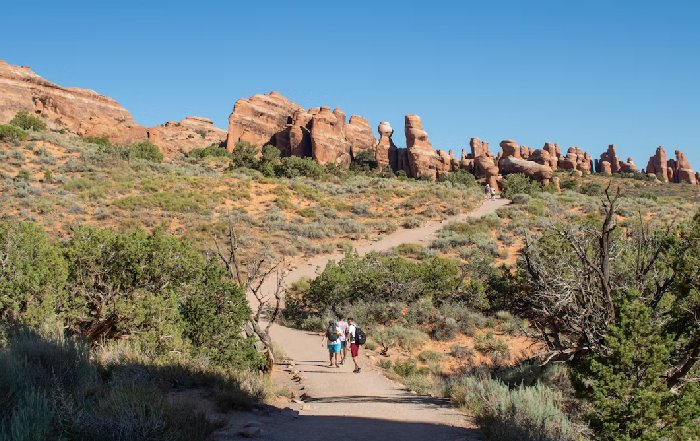
Ultimately, navigating US national parks with children in 2026 is less about ticking off a list of famous viewpoints and more about designing an experience that aligns with a family's values, constraints, and long-term goals. Whether a parent is leading a remote team from a lodge near Glacier National Park, a grandparent is introducing grandchildren to the red rocks of Arches, or an international family is weaving Grand Canyon into a broader North American itinerary, success depends on informed preparation, respect for the land and its communities, and a willingness to let children's curiosity shape the journey. In this sense, US national parks become not only destinations but catalysts-helping families and professionals alike reimagine how they live, work, and connect with the wider world.