

South Africa's Cultural Mosaic in 2026: The Rainbow Nation Through a Global Business Lens
South Africa's position in the global imagination has evolved significantly by 2026, but its defining characteristic remains the same: an extraordinary cultural diversity that continues to shape how the country lives, works, travels and does business. Often referred to as the "Rainbow Nation," South Africa stands at the southernmost tip of the African continent, bridging the worlds of Africa, Europe and Asia through its history, its people and its strategic role in global trade, tourism and innovation. For the international audience of WorldWeTravel.com, which spans executives in New York, families in London, digital nomads in Berlin, entrepreneurs in Singapore, and culture seekers in Sydney, South Africa has become not only a compelling destination but also a revealing case study in how culture, economy, technology and sustainability intersect in a rapidly changing world.
In 2026, as global organizations reassess travel, investment and work patterns, South Africa's blend of ancient heritage, modern infrastructure and evolving policy landscape offers a nuanced environment for both leisure and business travelers. The country's eleven official languages, complex colonial legacy and transformative democratic journey continue to influence everything from its hospitality sector and corporate culture to its creative industries and wellness retreats. For readers planning multi-generational vacations, corporate offsites, cross-border projects or long-stay workations, understanding South Africa's cultural fabric is essential to making informed decisions about destinations, business travel, family trips and long-term work arrangements abroad.
Indigenous Heritage and Deep Time: Foundations of a Modern Nation
Any serious exploration of South Africa's culture in 2026 begins with its indigenous heritage, which predates modern borders and global markets by thousands of years. The San and Khoikhoi peoples, collectively known as Khoisan, are among the oldest continuous cultures on earth, and their legacy remains visible in rock art across the Drakensberg and Cederberg ranges. These paintings and engravings, meticulously studied by institutions such as the University of the Witwatersrand and documented by organizations like the UNESCO World Heritage Centre, reveal complex cosmologies, hunting narratives and spiritual practices that continue to inform contemporary understandings of land, identity and conservation.
For travelers who come to South Africa from the United States, United Kingdom, Germany or Japan with an interest in heritage tourism and responsible travel, indigenous traditions offer a framework for viewing the country not simply as a safari destination but as a living cultural landscape. The Zulu, Xhosa, Sotho, Tswana, Venda and other communities contribute distinct languages, rituals and social structures, and in many rural and peri-urban areas, traditional leadership and customary law still coexist with democratic institutions. Visitors who engage with local guides, craft cooperatives and community-owned lodges can better understand how ancestral reverence, communal land use and oral storytelling continue to shape social cohesion and conflict resolution, particularly in regions where land reform and resource rights remain pressing policy issues.
For readers of WorldWeTravel.com who are designing culturally sensitive itineraries or corporate social responsibility programs, learning how these indigenous perspectives relate to modern conservation models and community-based tourism is essential. Organizations such as the South African Heritage Resources Agency and the South African National Parks system offer frameworks that align heritage preservation with sustainable tourism, helping travelers and businesses contribute meaningfully rather than extractively.
Colonization, Migration and the Making of a Complex Society
South Africa's cultural landscape cannot be understood without examining the centuries of colonization, forced migration and economic exploitation that reshaped the region and left enduring legacies in law, language, architecture and social stratification. The arrival of Dutch settlers in the 17th century, followed by British rule and waves of European, Asian and African migration, created a layered society in which identities have long been negotiated and contested. Today, this history is visible not only in iconic Cape Dutch farmhouses around Stellenbosch and Franschhoek, but also in the urban fabric of Cape Town, Durban and Johannesburg, where Victorian, Art Deco, apartheid-era modernism and cutting-edge contemporary design sit side by side.
The Indian community in South Africa, many descended from indentured laborers brought to work on sugar plantations in the 19th century, has had a profound influence on the country's cuisine, commerce and politics. Durban, home to one of the largest Indian populations outside of India, offers visitors a sensory immersion in spice markets, temples and family-run eateries that have helped make dishes such as bunny chow global culinary icons. For business travelers from India, Singapore and Malaysia, this cultural familiarity can ease market entry, while for European and North American visitors, it highlights how South Africa has long been a node in the Indian Ocean trading world rather than an isolated outpost.
At the same time, the legacy of apartheid, formally dismantled in the 1990s, continues to shape residential patterns, education, access to healthcare and wealth distribution. International organizations tracking inequality, such as the World Bank, still rank South Africa among the most unequal societies in the world, even as the country remains one of Africa's most diversified economies. For the global audience of WorldWeTravel.com, this dual reality underscores the importance of choosing travel partners, hotels and experiences that align with inclusive growth and ethical employment, themes explored in more detail in our coverage of the global economy and travel.
Language as Strategy: Navigating Eleven Official Languages
In an era where international business and travel rely heavily on English, South Africa offers a striking counterpoint with its eleven official languages, including isiZulu, isiXhosa, Afrikaans, Sesotho, Setswana and others. English serves as the dominant language of business, higher education and government communication, but for organizations and travelers seeking deeper connection and credibility, even a basic understanding of local greetings and cultural nuances can significantly enhance trust and rapport.
In corporate settings, especially in Johannesburg's financial district of Sandton, Cape Town's tech corridors and Durban's logistics hubs, meetings and negotiations typically unfold in English, yet informal conversations, team dynamics and customer interactions often switch fluidly among multiple languages. Understanding this code-switching, and recognizing when to use formal versus informal address, can be crucial for executives from Canada, France, Netherlands or South Korea who are building partnerships or managing local teams. Resources such as the Pan South African Language Board and academic programs at University of Cape Town and Stellenbosch University provide language and cultural training that can be integrated into relocation and onboarding programs.
For travelers, multilingual signage, media and entertainment enrich the experience of moving through South Africa's cities and regions. Streaming platforms, radio stations and newspapers in multiple languages offer insights into regional priorities and social debates, while also reflecting broader trends in African media and creative industries. For digital nomads and remote workers considering long stays, especially in Cape Town or the Garden Route, this linguistic diversity can be both a learning opportunity and a reminder that integration into local communities requires more than simply importing a laptop and a global mindset. Readers planning extended stays can explore our guidance on working abroad and cultural adaptation to better prepare for these nuances.
Music, Dance and the Creative Economy in 2026
South Africa's music and dance traditions have always been central to its cultural identity, but by 2026 they are also core drivers of its creative economy and global brand. From the choral harmonies of isicathamiya and gospel to the global rise of genres like amapiano and gqom, South African sounds have moved from local shebeens and township streets to international festivals and streaming charts. Platforms such as Spotify and Apple Music now feature curated South African playlists that attract listeners from Europe, North America and Asia, while artists collaborate with global stars, reinforcing South Africa's role as a cultural exporter.
Traditional dance forms, including Zulu warrior dances, Xhosa initiation-related performances and Venda ceremonial dances, coexist with contemporary choreography showcased in venues like the Market Theatre in Johannesburg and at events such as the National Arts Festival in Makhanda. The gumboot dance, born in the oppressive conditions of mining compounds, has evolved into a powerful performance art seen on international stages and in corporate team-building sessions, where it is used as a metaphor for communication, resilience and solidarity. Companies organizing leadership retreats or incentive travel in South Africa increasingly integrate such experiences into their programs, not as superficial entertainment but as structured opportunities for cross-cultural learning and reflection on labor history and social justice.
For readers of WorldWeTravel.com interested in the intersection of culture, business and innovation, South Africa's creative sector offers case studies in how local traditions can be leveraged for global markets without losing authenticity. Reports from organizations like UNESCO's Culture Sector and the International Federation of the Phonographic Industry highlight the growing importance of African music in global revenue streams, inviting investors, labels and promoters from London, Los Angeles, Berlin and Seoul to view South Africa as both a partner and a gateway to broader African markets.
Cuisine, Hospitality and the Evolving Travel Experience
Food has always been one of the most immediate and engaging ways to experience South Africa's cultural mosaic, and in 2026 its culinary scene reflects both continuity and change. The traditional braai remains a social ritual that transcends class and ethnicity, bringing families, colleagues and communities together around open flames and shared plates. At the same time, South African chefs and restaurateurs are increasingly recognized on international lists and in guides from organizations like The World's 50 Best Restaurants and Michelin Guide, with Cape Town, Johannesburg and the Cape Winelands emerging as gastronomic destinations in their own right.
Cape Malay cuisine, shaped by the descendants of enslaved people and exiles from Southeast Asia, continues to define the identity of Cape Town's Bo-Kaap neighborhood, where spice-laden dishes like bobotie, denningvleis and koesisters are prepared in homes and community kitchens that have become essential stops on cultural food tours. Indian and African influences blend in Durban's street food and family restaurants, while contemporary fine-dining venues experiment with indigenous ingredients such as fynbos herbs, rooibos, sorghum and wild game in ways that speak to global trends in sustainability and terroir-driven cuisine. Travelers seeking deeper context can explore research and commentary from organizations like Slow Food that document how local food systems intersect with biodiversity and community resilience.
For visitors deciding where to stay, South Africa's accommodation landscape in 2026 ranges from globally branded business hotels and luxury safari lodges to boutique guesthouses, eco-lodges and community-run homestays. The country's hospitality sector has had to navigate economic volatility, energy constraints and evolving health and safety standards, particularly in the wake of the COVID-19 pandemic and subsequent global disruptions. As travelers from Canada, Australia, Netherlands and Singapore return in greater numbers, they are increasingly attentive to hygiene protocols, environmental impact and social responsibility. Our guides to hotels and lodging choices and eco-conscious travel provide frameworks for selecting properties that align with these values, including those certified by initiatives such as Green Key and the Global Sustainable Tourism Council.
Urban Culture, Innovation and the Future of Work
South Africa's major cities-Johannesburg, Cape Town, Durban and Pretoria-are not only cultural and political centers but also laboratories for new forms of work, mobility and urban living that resonate with global audiences. Johannesburg, long known as the economic engine of Africa, has seen significant growth in fintech, media and professional services, attracting entrepreneurs and remote workers from across Africa, Europe and North America. Neighborhoods like Maboneng and Braamfontein showcase a blend of co-working spaces, galleries, design studios and performance venues that appeal to a generation of mobile professionals who seek both productivity and cultural immersion.
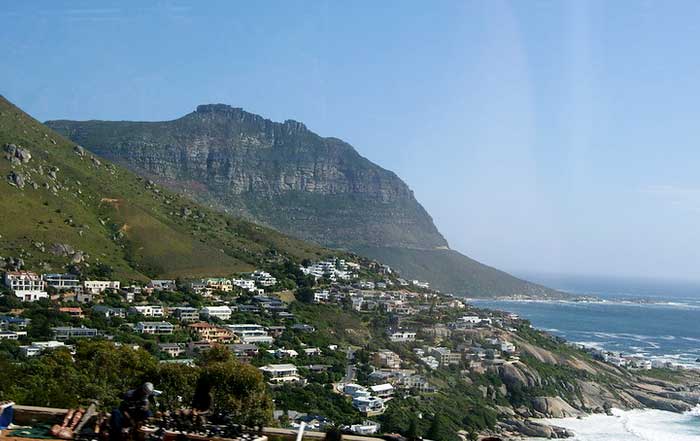
Cape Town, with its mountain-ocean backdrop and Mediterranean climate, continues to be a magnet for digital nomads and creative industries, even as debates intensify around gentrification, housing affordability and water security. The city's integration of cycling lanes, public transport upgrades and mixed-use developments reflects broader global conversations on sustainable urbanism, mirrored in policy discussions at organizations such as UN-Habitat. For readers considering Cape Town or Johannesburg as bases for medium-term stays, our coverage of technology and remote work trends and practical travel tips highlights connectivity, safety, cost of living and neighborhood dynamics.
As hybrid work models become entrenched in multinational companies headquartered in London, New York, Frankfurt, Toronto and Singapore, South Africa's time zone alignment with Europe, English proficiency and relatively competitive costs make it an attractive location for regional hubs, shared services centers and innovation labs. However, executives must also account for challenges related to power reliability, infrastructure disparities and regulatory complexity. Insights from organizations such as the World Economic Forum and the International Monetary Fund can help contextualize these risks within broader macroeconomic trends, while on-the-ground experience and local partnerships remain indispensable.
Health, Wellness and Retreat Culture
By 2026, wellness travel has become a mainstream consideration for many of WorldWeTravel.com's readers, and South Africa is increasingly recognized as a destination where health, nature and culture intersect. From luxury spa resorts in the Cape Winelands and KwaZulu-Natal's Midlands to yoga and mindfulness retreats along the Garden Route and in the Drakensberg, the country offers settings that combine scenic beauty with opportunities for physical and mental restoration. Many properties integrate local healing traditions, herbal knowledge and community engagement into their programs, reflecting a global shift toward more holistic and culturally grounded wellness experiences.
For travelers concerned about healthcare infrastructure and medical access, particularly families and older travelers from United States, United Kingdom, Switzerland or Japan, South Africa's major cities host private hospitals and clinics that meet international standards, with some accredited by bodies such as Joint Commission International. At the same time, public health challenges and disparities persist, especially in rural areas, making travel insurance, reputable providers and informed planning essential. Our dedicated health and wellness section at WorldWeTravel Health offers up-to-date guidance on vaccinations, emergency care and wellness-focused itineraries, while broader health data can be reviewed through resources like the World Health Organization.
Corporate groups and leadership teams are increasingly combining strategy sessions with wellness components, choosing South Africa for offsites that blend executive workshops with safaris, hiking, cultural immersion and reflective practices. This trend aligns with the growth of regenerative travel and conscious leadership, where the purpose of travel is not only to transact or relax but to reset, learn and build more resilient organizations. Readers interested in designing such programs can explore our features on retreat planning and destinations, which highlight South Africa alongside other emerging hubs in Europe, Asia and South America.
Sustainability, Culture and the Global Traveler's Responsibility
As climate change, biodiversity loss and social inequality dominate global agendas, South Africa's cultural and ecological richness places particular responsibility on travelers, investors and policymakers. The country's national parks, marine protected areas and private reserves host iconic wildlife and fragile ecosystems that are central to international conservation efforts coordinated by organizations like the World Wildlife Fund and the International Union for Conservation of Nature. At the same time, communities living adjacent to these landscapes often grapple with limited economic opportunities, human-wildlife conflict and the legacies of exclusionary land policies.
For the global audience of WorldWeTravel.com, this means that decisions about where to stay, which operators to use and how to structure itineraries can have tangible impacts on local livelihoods and environmental outcomes. Choosing lodges that prioritize community ownership, fair employment and low-impact operations, supporting cultural experiences that are co-created with local partners rather than staged for outsiders, and understanding the carbon implications of long-haul travel are all part of a more informed and ethical approach to exploring South Africa. Readers can learn more about sustainable business practices and integrate those principles into both corporate travel policies and personal choices, while our dedicated eco-travel hub curates examples of best practice across continents.
South Africa and the World: A Continuing Conversation
In 2026, South Africa's cultural diversity, economic potential and social complexities make it a mirror and a microcosm for many of the challenges and opportunities facing the global community. For travelers from North America, Europe, Asia, Africa and South America, the country offers more than scenic landscapes and iconic wildlife; it presents an invitation to engage with questions of identity, memory, justice and innovation in a setting where these issues are lived every day. For businesses, it provides a testing ground for inclusive growth, cross-cultural management and sustainable development in an emerging market context that is both demanding and rewarding.
As WorldWeTravel.com continues to track trends in global travel, cross-border work, family mobility and cultural exploration, South Africa remains a focal point for understanding how destinations can honor their past while shaping a more equitable future. Whether readers are planning a family holiday along the Garden Route, a corporate conference in Cape Town, a remote working season in Johannesburg, or a wellness retreat in the Drakensberg, approaching South Africa with curiosity, humility and informed intention will unlock richer experiences and more meaningful connections.
The Rainbow Nation's story is still being written, and those who visit, invest and collaborate there in 2026 become part of that evolving narrative. By engaging deeply with its cultures, supporting its communities and respecting its environments, travelers and businesses alike can help ensure that South Africa's extraordinary diversity remains not only a source of national pride but a global asset for generations to come.