

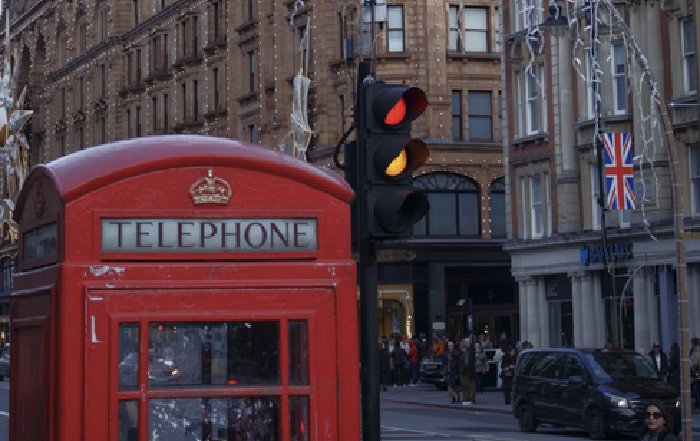
United Kingdom Destinations in 2026: Where Living History Meets Intelligent Travel
In 2026, the United Kingdom occupies a distinctive position in the global travel landscape, standing at the intersection of living history, advanced technology, and increasingly sophisticated expectations from business and leisure travelers. For the global audience of WorldWeTravel.com, which includes senior executives managing international operations, families seeking meaningful and educational journeys, and professionals designing flexible, location-independent work lives, the UK has evolved into a mature, resilient, and strategically important destination. It is no longer defined solely by royal pageantry or iconic landmarks; instead, it presents a complex ecosystem where medieval streets sit alongside quantum computing labs, heritage hotels incorporate AI-enabled guest services, and centuries-old universities collaborate with industry to shape the future of mobility, sustainability, and work.
As the travel industry continues to adjust to post-pandemic realities, climate imperatives, and digital transformation, the United Kingdom offers an instructive case study in how a country can leverage its deep cultural capital while re-engineering infrastructure, regulations, and visitor experiences. For readers planning multi-country itineraries, the regularly updated overviews at WorldWeTravel Destinations frame the UK not just as a standalone trip, but as a strategic anchor within broader journeys that connect North America, Europe, Asia, Africa, and South America. This dual lens-treating the UK as both a destination and a hub-has become essential for organizations and individuals who must balance cost, time, sustainability, and cultural value in every travel decision.
The UK in 2026: A Connected, Regulated, and Resilient Hub
By 2026, the United Kingdom has consolidated its role as one of the most connected and regulated travel hubs in the world, with a transport system and policy environment that, while occasionally complex, offers clarity and predictability prized by corporate travel managers and sophisticated independent travelers. London Heathrow, London Gatwick, and increasingly Manchester and Edinburgh continue to rank among the most important international gateways, supported by rail networks that link England, Scotland, Wales, and Northern Ireland more efficiently than at any time in recent decades. Enhanced digital border systems, biometric verification, and streamlined e-visa processes have reduced friction at entry points for many nationalities, even as security and compliance standards have tightened.
For decision-makers responsible for regional offices, project teams, or cross-border client engagements, this infrastructure translates into a reliable base for multi-market operations. It is common, for example, for executives to schedule a week in London for board meetings and investor briefings, then connect by rail or short-haul flights to Paris, Frankfurt, Amsterdam, or Zurich for follow-on engagements. The ability to coordinate such complex itineraries is supported by authoritative guidance from bodies such as the International Air Transport Association, which tracks capacity and regulatory changes, and by macroeconomic analysis from organizations like the OECD, which helps contextualize pricing, demand, and currency trends.
For readers of WorldWeTravel.com, the UK's role as a strategic node is best understood in tandem with the analytical perspectives at WorldWeTravel Economy, where shifts in airline networks, hotel investments, and regional development are translated into practical implications for timing, budgeting, and destination selection. This combination of external data and curated insight enables travelers from the United States, Canada, Germany, Singapore, and beyond to treat the UK as a stable, informed base in an otherwise volatile global environment.
London in 2026: A Global Capital of Heritage, Finance, and Digital Intelligence
London in 2026 remains one of the world's most influential cities, but its narrative has expanded from finance and monarchy to include climate-conscious urbanism, AI-driven services, and a renewed focus on liveability. The City of London, still framed by remnants of Roman walls, hosts global banks, insurance markets, and an increasingly sophisticated fintech ecosystem, while Canary Wharf has diversified beyond traditional financial tenants to accommodate technology firms, legal services, and innovation labs experimenting with digital currencies, regtech, and sustainable finance.
Architectural icons such as the Tower of London, Westminster Abbey, St Paul's Cathedral, and Buckingham Palace continue to draw visitors, yet they sit within a skyline that now includes the Shard, the Gherkin, and a growing number of energy-efficient, low-carbon buildings that conform to standards promoted by organizations such as the World Green Building Council. Urban planners and travel professionals alike monitor how London's approach to congestion charging, low-emission zones, and public transport integration aligns with frameworks developed by the United Nations World Tourism Organization and the UNESCO World Heritage Centre, ensuring that heritage conservation and visitor flows remain compatible with environmental goals.
For business travelers, London's status as a global financial and professional services hub is anchored by institutions such as the Bank of England, London Stock Exchange Group, and a dense cluster of law firms and consultancies. At the same time, organizations like Innovate UK and the Alan Turing Institute reinforce the city's leadership in AI, data science, and advanced analytics, which increasingly shape everything from dynamic hotel pricing to predictive maintenance of transport networks. Executives designing high-stakes visits routinely combine boardroom sessions in the City with curated cultural or client engagement experiences in the West End, where world-class theatre and dining reinforce London's soft power. To align these experiences with business objectives, planners often reference the structured frameworks and case studies available at WorldWeTravel Business, where issues such as duty of care, sustainability, and return on travel investment are addressed in a practical manner.
At the same time, London has become a reference point for how technology reshapes the traveler journey. Contactless payments, multimodal journey planners, integrated mobility apps, and personalized recommendations powered by machine learning have become standard, building on research from institutions such as Imperial College London, University College London, and the Francis Crick Institute. Readers who wish to understand how these technologies affect privacy, pricing, and user experience can explore broader trends through WorldWeTravel Technology, which connects developments in London and other innovation hubs to actionable insights for both corporate and leisure travelers.
Scotland and Edinburgh: Intellectual Capital, Festivals, and Immersive Landscapes
Moving north, Scotland demonstrates how a nation can leverage intellectual heritage, natural beauty, and cultural events to create a differentiated and resilient tourism and business ecosystem. Edinburgh, with its Old Town and New Town jointly recognized as a UNESCO World Heritage Site, continues to balance medieval street patterns, Enlightenment-era planning, and contemporary creativity. Edinburgh Castle, the Royal Mile, and institutions such as the National Museum of Scotland offer a dense concentration of historical narratives, while the city's universities and research centers contribute to global debates in climate science, informatics, and public policy.
The Edinburgh International Festival and Edinburgh Festival Fringe have further evolved into platforms where performing arts, digital media, and creative entrepreneurship intersect, attracting investors, producers, and remote professionals from Europe, North America, and Asia. Many visitors now structure extended stays that combine project work during the day with festival attendance in the evenings, effectively turning Edinburgh into a seasonal laboratory for blended work and leisure. For those designing such itineraries, the practical guidance at WorldWeTravel Work helps align connectivity requirements, time zones, and productivity habits with the realities of festival schedules and urban logistics.
Beyond Edinburgh, the Scottish Highlands and islands remain among the UK's most compelling landscapes. Destinations such as Isle of Skye, Glencoe, Loch Ness, and Orkney offer opportunities for hiking, wildlife observation, and immersion in Gaelic culture, while sites like Skara Brae provide rare insights into Neolithic life. VisitScotland and conservation organizations collaborate to ensure that increased visitor numbers are managed responsibly, drawing upon best practices documented by the International Union for Conservation of Nature and environmental agencies across Europe. For travelers and companies that prioritize alignment between travel and corporate ESG commitments, resources from the UN Environment Programme help them learn more about sustainable business practices and translate those principles into concrete decisions about transport, accommodation, and activity selection.
England Beyond London: Regenerating Cities and Diversified Travel Patterns
While London remains a dominant magnet, the story of UK travel in 2026 is increasingly shaped by regional cities in England that have repurposed industrial infrastructure into cultural, educational, and innovation assets. Manchester, Birmingham, Leeds, Liverpool, Bristol, and Newcastle exemplify how former manufacturing and port cities can reposition themselves as centers of creative industries, advanced manufacturing, digital services, and sports-based tourism.
In Manchester, repurposed mills and canals now house creative agencies, co-working spaces, and tech firms clustered around MediaCityUK and the city center. The global appeal of Manchester United and Manchester City, supported by venues such as Old Trafford and the Etihad Stadium, continues to attract international visitors from Asia, North America, and the Middle East, many of whom combine match attendance with corporate hospitality or networking. Organizations such as the Global Business Travel Association analyze how these patterns influence hotel demand, pricing, and risk management, information that is increasingly important for travel managers coordinating incentive trips or client events.
Birmingham, positioned at the heart of England's rail and road networks, has capitalized on infrastructure enhancements linked to HS2-related projects, even as timelines and scopes have evolved. The National Exhibition Centre, major conference venues, and a growing gastronomic scene rooted in the city's multicultural communities have made Birmingham a credible alternative to London for large-scale events. Economic and sector-specific trends are closely monitored by institutions such as the Bank of England and professional services firms including PwC UK and KPMG UK, whose reports provide valuable context for organizations deciding where to host conferences, establish satellite offices, or pilot new services.
For readers of WorldWeTravel.com, understanding these regional dynamics is essential when designing cost-effective and differentiated itineraries. The insights at WorldWeTravel Travel and WorldWeTravel Tips help travelers compare London-centric trips with multi-city journeys that incorporate Manchester, Birmingham, or Bristol, balancing factors such as travel time, hotel rates, local culture, and access to nature.
Wales and Northern Ireland: Distinct Identities, Deep Heritage, and Emerging Confidence
Wales and Northern Ireland, often overshadowed by London and Edinburgh in global marketing, have emerged by 2026 as distinctive destinations for travelers seeking authenticity, heritage, and less congested environments. In Wales, Cardiff has matured into a confident capital with a redeveloped waterfront, national cultural institutions, and a strong sporting identity anchored by rugby. Coastal and rural regions, including Pembrokeshire, Snowdonia (Eryri), and the castles of Caernarfon and Conwy, reflect a long history of conflict, trade, and cultural resilience, curated in part by Cadw, the Welsh Government's historic environment service. For families and educational travelers, these areas offer a rare combination of outdoor activity and historical depth, an intersection explored in greater detail at WorldWeTravel Family.
In Northern Ireland, Belfast continues its transformation from a city associated with political conflict to a hub of innovation, film production, and tourism. The Titanic Belfast experience connects local shipbuilding heritage to global narratives of migration and maritime trade, while the Giant's Causeway, a UNESCO World Heritage Site, attracts visitors intrigued by both geological formations and Celtic mythology. Academic work from institutions like Queen's University Belfast and policy discussions within the Council of Europe's cultural routes initiative highlight how heritage and tourism can support reconciliation and economic regeneration. For visitors from Germany, France, Italy, Spain, and beyond, these narratives add a layer of contemporary relevance to the region's natural and cultural attractions.
Hospitality in 2026: Heritage Elegance Meets Smart, Sustainable Stays
The UK's accommodation sector in 2026 mirrors global shifts in hospitality, combining heritage properties, branded chains, and new-generation lifestyle hotels that prioritize sustainability, technology, and wellbeing. Iconic establishments such as The Savoy, Claridge's, and The Ritz London continue to represent traditional luxury, yet they have integrated digital enhancements ranging from app-based concierge services to personalized in-room environments. In regional cities and historic towns such as Bath, York, Oxford, and Cambridge, boutique hotels and converted townhouses offer character-rich stays that appeal to travelers seeking a sense of place rather than standardized experiences.
International groups including Marriott International, Hilton, and IHG Hotels & Resorts have accelerated their adoption of sustainability frameworks, drawing upon guidance from bodies such as the World Travel & Tourism Council and the Global Sustainable Tourism Council. Many properties now publish environmental performance metrics, adopt science-based emissions targets, and design buildings that meet or exceed standards promoted by the UK Green Building Council. For business travelers, these developments intersect with a growing emphasis on hybrid work, wellness, and collaboration spaces, leading hotels to incorporate co-working lounges, flexible meeting rooms, and enhanced fitness and recovery facilities.
For readers of WorldWeTravel.com, choosing the right property is no longer just a matter of location and price; it also involves evaluating connectivity, ESG credentials, and the ability to support concentrated work or family needs. The curated comparisons and frameworks at WorldWeTravel Hotels help travelers in United States, Canada, Australia, Singapore, and beyond navigate these options in London and across the UK's regional markets.
Health, Wellbeing, and Retreat Travel: From Spa Towns to Structured Recovery
Health and wellbeing have moved from peripheral concerns to central pillars of travel planning, and by 2026 the UK offers a mature ecosystem of wellness-focused experiences. Historic spa towns such as Bath, Harrogate, and Royal Tunbridge Wells have modernized their offerings, integrating medical expertise, nutrition, and mindfulness into programs that once focused primarily on thermal waters. National parks in the Lake District, Peak District, Cairngorms, and coastal areas in Cornwall and Northumberland host retreats that combine guided hiking, digital detox, and coaching for executives facing decision fatigue or burnout.
At a systemic level, the National Health Service (NHS) and leading research institutions have contributed to evidence-based guidance on travel health, mental wellbeing, and long-term impacts of frequent flying. International organizations such as the World Health Organization and the Centers for Disease Control and Prevention continue to provide authoritative frameworks on vaccination, disease monitoring, and safe mobility, which are translated into practical advice for travelers by platforms like WorldWeTravel Health. This integration of public health science and travel planning has become particularly important for corporate programs, where duty of care obligations require more robust risk assessments and support mechanisms.
For those seeking more intensive recovery or personal transformation, the UK now hosts a variety of structured retreats that blend psychological coaching, leadership development, and nature immersion, often located in converted monasteries, estates, or coastal properties. The design and evaluation of such experiences are explored at WorldWeTravel Retreat, where case studies and methodologies help individuals and organizations frame travel not as an interruption to life and work, but as a deliberate intervention in long-term wellbeing and performance.
Culture, Creativity, and the UK's Evolving Soft Power
Cultural capital remains one of the UK's most powerful assets, and in 2026, the country's influence extends from traditional institutions to digital-native creative industries. The British Museum, Tate Modern, National Gallery, Victoria and Albert Museum, and regional museums continue to offer world-class collections, many with expanded digital access and reinterpreted exhibits that address questions of provenance, representation, and global interconnection. Organizations such as the British Council and Arts Council England play a central role in shaping cultural diplomacy and supporting creative ecosystems that reach well beyond the UK's borders.
At the same time, film and television production in London, Cardiff, Belfast, Glasgow, and Manchester has turned many locations into recognizable backdrops for global audiences, with streaming platforms such as Netflix, Amazon Prime Video, and BBC iPlayer amplifying their visibility. This has accelerated the growth of screen tourism, where fans from Japan, South Korea, Brazil, Thailand, and New Zealand visit filming locations associated with popular series and films, often integrating them into broader itineraries focused on literature, music, or design. For travelers seeking to align trips with festivals, exhibitions, and niche interests, WorldWeTravel Culture offers curated narratives that translate the UK's cultural complexity into coherent, experience-rich journeys.
Sustainability and Eco-Conscious Travel: Rail, Regulation, and Responsible Choices
By 2026, climate considerations have become embedded in both public policy and corporate travel strategies, and the UK has positioned itself as a relatively advanced market for sustainable mobility and tourism. Investments in rail infrastructure, including high-speed routes and upgraded regional services, have made train travel a compelling alternative to domestic flights on routes linking London, Manchester, Birmingham, Edinburgh, and Glasgow. Operators such as LNER, Avanti West Coast, and ScotRail, working within a framework coordinated by Network Rail, have introduced more energy-efficient rolling stock, improved onboard digital connectivity, and integrated ticketing systems that simplify multimodal journeys.
Cities across the UK have expanded low- and ultra-low-emission zones, cycling infrastructure, and electric vehicle charging networks, drawing upon guidance and benchmarking from the European Environment Agency and other environmental bodies. National parks and coastal regions, including the Lake District National Park, Eryri (Snowdonia), and Cairngorms National Park, have strengthened visitor management strategies to protect fragile ecosystems, often in collaboration with conservation organizations and local communities. Travelers seeking to align their choices with best practices can draw upon resources from Sustainable Travel International and the Global Sustainable Tourism Council, then operationalize those principles through the destination-specific advice and checklists available at WorldWeTravel Eco.
For corporate travel programs, these developments create opportunities to reduce emissions without sacrificing effectiveness, particularly when combined with virtual collaboration tools and more intentional trip design. For individual travelers, they enable more meaningful engagement with places and communities, as slower, lower-impact journeys often lead to deeper connections and more memorable experiences.
Strategic Planning for UK Travel in 2026: A Portfolio Approach
For the diverse readership of WorldWeTravel.com-from families in United States, Canada, and Australia, to executives in Germany, Netherlands, Sweden, Norway, Denmark, and Singapore, to leisure travelers from France, Italy, Spain, Switzerland, China, Japan, South Africa, Brazil, Malaysia, and New Zealand-unlocking the full value of UK travel in 2026 requires a portfolio mindset. Rather than treating a trip as a single-purpose event, sophisticated travelers increasingly design itineraries that combine multiple objectives: strategic meetings, cultural immersion, wellness, family education, and remote work.
This approach begins with understanding entry requirements, security advisories, and regulatory frameworks, which are best tracked through official sources such as the UK Government's foreign travel advice. It continues with careful selection of primary hubs-often London or Edinburgh-supplemented by secondary destinations aligned with specific interests, whether that be hiking in the Highlands, exploring industrial heritage in Manchester, or engaging with contemporary art in Bristol. Currency movements, event calendars, and seasonal weather patterns all influence timing and budgeting, and are increasingly integrated into planning tools used by both individuals and corporate travel teams.
Within this context, the integrated resources at WorldWeTravel.com-spanning WorldWeTravel Global, WorldWeTravel Business, WorldWeTravel Travel, and WorldWeTravel Tips-provide a coherent, experience-driven framework for decision-making. They enable travelers to connect high-level trends in economy, technology, health, and sustainability with on-the-ground realities in destinations across the UK, ensuring that each journey is not only enjoyable, but also strategically sound, ethically informed, and resilient in the face of ongoing global change.
In this way, the United Kingdom in 2026 serves not only as a compelling destination, but as a model for how countries can blend history, innovation, and responsibility to meet the evolving expectations of global travelers.