

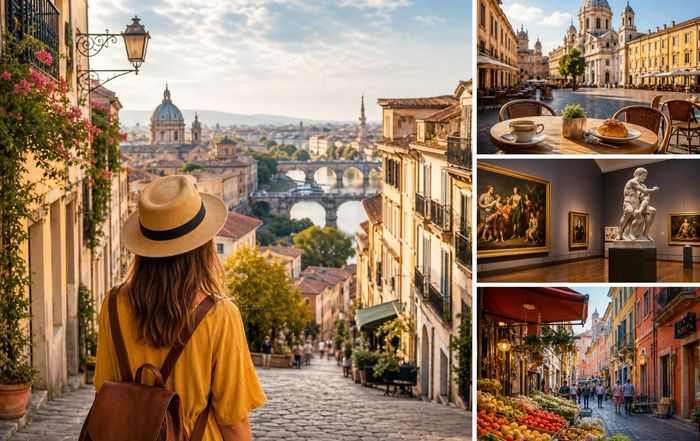
Best European City Breaks for Culture and Local Experiences
European cities have long captivated travelers with their layered histories, vibrant arts scenes, and distinctive neighborhoods where daily life unfolds in cafés, markets, and public squares. For positive thinking community coming, here, city breaks are not merely about ticking off landmarks; they are opportunities to immerse in local culture, connect with residents, and return home with a deeper understanding of place. From grand capitals to compact regional hubs, cities across Europe are investing in cultural institutions, sustainable mobility, and community-based tourism, making short trips richer and more responsible than ever.
This article explores some of the most rewarding European city breaks for culture and local experiences, drawing on recent developments in urban regeneration, museum expansions, and creative districts. It also highlights how travelers can use resources on WorldWeTravel's destinations guide and travel inspiration hub to shape itineraries that balance iconic sights with authentic encounters.
Paris: Neighborhood Culture Beyond the Icons
Paris remains one of the world's most visited cities, yet much of its cultural vitality lies beyond the instantly recognizable silhouettes of the Eiffel Tower and Notre-Dame. In recent years, the French capital has undergone a notable cultural and urban shift, with new pedestrian zones, expanded cycling infrastructure, and revitalized neighborhoods on the eastern and northern edges.
The reopening of Notre-Dame de Paris to the public, following the devastating 2019 fire and an extensive restoration effort documented by outlets such as France 24 and Le Monde, has renewed interest in the Île de la Cité not only as a religious and historical site but as a symbol of collective craftsmanship and heritage preservation. Nearby, the transformation of the banks of the Seine into largely car-free promenades has created a linear cultural corridor connecting the Musée du Louvre, the Musée d'Orsay, and contemporary galleries on the Left Bank; visitors can explore these spaces while moving on foot or by bike, reflecting the city's broader environmental ambitions highlighted by Paris City Hall.
For travelers seeking more localized experiences, the eastern arrondissements offer a compelling counterpoint to the grand boulevards. In Belleville and Ménilmontant, street art, independent theaters, and multicultural eateries sit alongside traditional Parisian cafés, illustrating the city's evolving identity. Organizations such as Atelier des Lumières have popularized immersive digital art exhibitions, while smaller venues and artist-run spaces continue to anchor the city's creative ecosystem. Those planning a cultural weekend can consult WorldWeTravel's culture section for deeper insights into Parisian arts, food, and neighborhood life, and pair it with practical travel tips for navigating the metro, securing museum reservations, and finding locally owned hotels.
Berlin: Creative Energy and Living History
Few European cities embody the intersection of contemporary creativity and twentieth-century history as vividly as Berlin. The German capital's cultural landscape is shaped by its divided past, its role as a hub for artists and technologists, and a municipal strategy that recognizes culture as both a social asset and an economic driver. According to Visit Berlin and analyses by Deutsche Welle, the city hosts hundreds of museums and galleries, from major institutions like the Pergamon Museum and the Jewish Museum Berlin to small project spaces in former industrial buildings.
While Museum Island remains essential, many of the most engaging local experiences unfold in neighborhoods such as Kreuzberg, Neukölln, and Prenzlauer Berg, where Turkish markets, vegan bakeries, and independent bookshops coexist with long-established pubs and community centers. The open-air East Side Gallery, a preserved stretch of the Berlin Wall covered in murals, is both a historical monument and a living canvas, regularly inspiring discussions about memory, gentrification, and public art. Travelers can augment this with visits to sites like the Topography of Terror documentation center, whose exhibitions are supported by extensive research and are frequently referenced by institutions such as the United States Holocaust Memorial Museum.
Berlin's reputation as a startup and technology hub also shapes its cultural offering, with media, gaming, and design festivals attracting global audiences. For readers of WorldWeTravel interested in blending leisure with professional exploration, the city's co-working spaces, innovation centers, and conferences listed on WorldWeTravel's business travel page and work-focused content provide opportunities to network while experiencing local life. Choosing family-run guesthouses or design-forward boutique hotels, researched via WorldWeTravel's hotel guide, can further support Berlin's diverse hospitality sector.
Barcelona: Architecture, Urban Life, and the Mediterranean
Barcelona offers one of Europe's most distinctive blends of architecture, urban beaches, and Catalan culture. The city's enduring appeal is anchored by the work of Antoni Gaudí, whose Sagrada Família, Park Güell, and Casa Batlló form a trilogy of UNESCO-listed landmarks. Progress on the Sagrada Família's construction, documented by sources such as La Vanguardia and the official Sagrada Família website, has reached advanced stages, reshaping the skyline and prompting renewed debates about heritage and modernization.
Yet Barcelona's cultural richness extends well beyond Gaudí. The revitalized waterfront, the labyrinthine streets of the Gothic Quarter, and the grid-like Eixample district each offer different atmospheres, from late-night tapas bars to contemporary design stores. The city has also become a leading reference in urban planning, with its "superblocks" program, described by The Guardian and BBC Future, aiming to reclaim streets for pedestrians and cyclists and reduce pollution. For visitors, this means more walkable neighborhoods and lively public spaces where local residents gather, reinforcing the sense of being in a lived-in city rather than a backdrop for tourism.
Barcelona's cultural calendar is dense, featuring music festivals, human tower (castells) events, and major exhibitions at institutions like the Museu d'Art Contemporani de Barcelona (MACBA). Travelers can explore these offerings through official resources such as Turisme de Barcelona and then tailor their plans with the help of WorldWeTravel's eco-conscious travel insights, which emphasize responsible visitation, respect for residential neighborhoods, and support for local businesses over short-term rental platforms that have contributed to housing pressures.
Lisbon: Atlantic Light and Neighborhood Traditions
Lisbon has emerged as one of Europe's most sought-after city break destinations, combining a historic core with a vibrant contemporary scene and relatively mild prices compared with some larger capitals. The Portuguese capital's signature elements-its tram-lined hills, azulejo-tiled facades, and sweeping views over the Tagus River-create a distinctive visual identity that has been widely documented by outlets such as National Geographic and Condé Nast Traveler.
Culturally, Lisbon is anchored by its fado music tradition, recognized by UNESCO as Intangible Cultural Heritage. Intimate fado houses in neighborhoods like Alfama and Bairro Alto offer visitors a chance to experience this melancholic yet powerful art form in its natural context, often accompanied by regional cuisine. Meanwhile, the Museu Nacional do Azulejo and the Museu Calouste Gulbenkian provide contrasting perspectives on Portuguese decorative arts and international collections, underscoring the city's historical connections to wider trade routes and artistic movements.
Recent years have seen the transformation of waterfront areas and former industrial zones into cultural districts. The MAAT (Museum of Art, Architecture and Technology), designed by AL_A, has become a symbol of Lisbon's contemporary aspirations, hosting exhibitions that intersect design, sustainability, and digital art; its programming is frequently covered by platforms like Designboom and ArchDaily. For travelers planning multi-generational trips, Lisbon's manageable size, tram network, and array of parks make it particularly appealing, and WorldWeTravel's family travel section offers suggestions on balancing museum visits with kid-friendly activities such as river cruises and nearby beach excursions.
Amsterdam: Canals, Culture, and Conscious Travel
Amsterdam's canal ring, cycling culture, and compact historic center have long made it an ideal destination for short cultural breaks. The Dutch capital's major institutions-the Rijksmuseum, the Van Gogh Museum, and the Anne Frank House-remain essential, with ongoing curatorial work and research regularly featured by sources such as The Art Newspaper and The New York Times. Renovations and rehangs in these museums have sought to present more inclusive narratives, incorporating perspectives on colonial history and global exchange.
Beyond the museum quarter, neighborhoods like De Pijp, Oost, and Noord offer a more contemporary view of Amsterdam life. Food halls, creative hubs in former shipyards, and community gardens reflect a city that values experimentation and sustainability. The municipality has taken notable steps to manage tourism's impact, including policies to reduce overtourism in the historic center and restrictions on certain kinds of short-stay accommodations, as reported by Reuters and Euronews. For visitors, this shift encourages exploration of lesser-known districts and supports a more distributed, respectful approach to sightseeing.
Cycling remains central to the Amsterdam experience, and the city's extensive network of bike lanes allows travelers to move between cultural sites, parks, and waterfront areas with ease. Guides from Iamsterdam help visitors understand local cycling etiquette and safety, while WorldWeTravel's health and wellness content highlights the benefits of active travel and low-impact mobility. Choosing canal-side boutique hotels or family-run bed-and-breakfasts, researched through WorldWeTravel's hotel listings, can further enhance the sense of staying within a living neighborhood rather than a tourist enclave.
Florence: Renaissance Heritage and Contemporary Craft
Florence remains one of Europe's most concentrated repositories of art and architecture, yet it is also a city where living traditions of craftsmanship, food, and fashion continue to evolve. The Uffizi Galleries, Galleria dell'Accademia, and the Duomo complex are among the most studied and visited cultural sites in the world, with ongoing research and restoration projects frequently covered by institutions like The Getty Conservation Institute and Italian cultural heritage agencies. Timed ticketing systems and crowd management strategies, documented by ANSA and other Italian news outlets, have been implemented to protect artworks and improve visitor experience.
For travelers seeking local immersion, Florence's Oltrarno district, across the Arno River from the main tourist axis, offers a more intimate view of the city. Workshops producing leather goods, gold jewelry, marbled paper, and bespoke clothing continue centuries-old traditions, often passed down through families. Organizations such as Fondazione Ferragamo and artisan associations work to preserve these skills while adapting them to contemporary markets. Visitors can learn more about these crafts through resources like Italy Magazine and then plan studio visits or short courses, turning a city break into an opportunity for hands-on cultural engagement.
Food culture is another pillar of the Florentine experience, from traditional trattorias serving ribollita and bistecca alla fiorentina to modern wine bars highlighting Tuscan natural wines. Slow Food International frequently references Tuscan producers and markets as examples of regional resilience and biodiversity. Travelers can integrate these experiences into broader itineraries across Italy, using WorldWeTravel's destinations overview and retreat-focused content to combine art-focused city stays with countryside wellness or culinary retreats in nearby Chianti or Val d'Orcia.
Copenhagen: Design, Hygge, and Sustainable Urbanism
Copenhagen has built a global reputation as a city where design, quality of life, and environmental responsibility intersect. The Danish capital's approach to urban planning, cycling infrastructure, and harbor regeneration has been widely analyzed by outlets such as Monocle and The Economist, which frequently cite the city as a model for human-centered development. For visitors, this translates into a city break where cultural exploration is naturally interwoven with everyday local routines.
Design is omnipresent, from the Danish Architecture Center and design-focused museums to the clean lines of cafés, hotels, and public furniture. Classic Danish brands and contemporary studios alike contribute to a culture that values aesthetics, functionality, and sustainability. Travelers can explore this world through guides from VisitCopenhagen and then delve deeper into design history and future trends via WorldWeTravel's technology and innovation pages, which often highlight Scandinavian approaches to smart cities and sustainable living.
Copenhagen's concept of hygge, loosely translated as a sense of coziness and contentment, is best understood in context: candlelit restaurants, waterfront saunas, and communal spaces that encourage lingering. The city's culinary scene, shaped by the New Nordic movement and documented by sources such as Eater and The World's 50 Best Restaurants, emphasizes local, seasonal ingredients and inventive techniques. For travelers, this offers a chance to experience a distinctive food philosophy that aligns with global conversations about sustainability, health, and community. WorldWeTravel's eco travel hub provides additional context on how Copenhagen's practices fit into wider European efforts to reduce emissions and promote responsible consumption.
Vienna: Classical Music, Coffeehouses, and Quiet Excellence
Vienna consistently ranks highly in global liveability indexes compiled by organizations such as Mercer and the Economist Intelligence Unit, and its appeal to travelers is rooted in a combination of imperial heritage, classical music, and a remarkably well-maintained urban fabric. The Austrian capital's grand boulevards, palaces, and concert halls tell the story of the Habsburg Empire, while its coffeehouse culture and wine taverns (Heuriger) reveal more intimate aspects of Viennese life.
Culturally, Vienna remains a powerhouse. The Vienna State Opera, Musikverein, and Konzerthaus host world-class performances, and their programming is regularly reviewed by outlets such as Gramophone and The Guardian's classical music section. Museum institutions such as the Kunsthistorisches Museum and the Belvedere continue to expand their exhibitions and research, with a particular focus on artists like Gustav Klimt and Egon Schiele, whose works are central to the city's identity.
For visitors, one of Vienna's greatest pleasures lies in its slower rhythms. Traditional coffeehouses, recognized by UNESCO as part of Austria's intangible cultural heritage, encourage reading, conversation, and reflection; staying for hours over a single coffee is not only tolerated but expected. Parks and the extensive Wienerwald (Vienna Woods) offer easy access to nature, underscoring the city's balance between urbanity and green space. Families and wellness-focused travelers can use WorldWeTravel's health and retreat resources to design stays that combine cultural immersion with relaxation, from thermal spas in nearby regions to gentle hikes followed by evenings at the opera.
Kraków: Medieval Charm and Emerging Creative Scene
Kraków, one of Poland's most historically significant cities, offers a compelling mix of medieval architecture, academic life, and a growing contemporary arts scene. The Old Town, with its expansive Rynek Główny (Main Market Square) and Wawel Castle, is a UNESCO World Heritage Site and has been carefully preserved, as documented by UNESCO's World Heritage Centre. Yet Kraków is far from a static museum city; its large student population and creative communities ensure a lively atmosphere, particularly in districts like Kazimierz and Podgórze.
Kazimierz, the historic Jewish quarter, has undergone a remarkable transformation since the late twentieth century, evolving from a neglected area into a hub of galleries, cafés, and cultural venues that also honor its complex past. Institutions like the Galicia Jewish Museum and the Oskar Schindler's Enamel Factory museum provide nuanced perspectives on the region's history, with scholarship and exhibitions often referenced by historians and organizations such as Yad Vashem. Visitors are encouraged to approach these sites with sensitivity, recognizing the balance between remembrance and contemporary life.
Kraków's cultural calendar includes film festivals, literary events, and music concerts, many of which are supported by the city's designation as a UNESCO City of Literature. Resources from Poland Travel and local cultural institutes help travelers identify events that align with their interests, whether that means attending a classical concert in a historic church or exploring street art in former industrial zones. For those planning broader regional itineraries, WorldWeTravel's global travel insights and economy-focused coverage can provide context on Central Europe's evolving tourism landscape and infrastructure.
Planning Meaningful City Breaks with WorldWeTravel
Across Europe, city governments, cultural institutions, and local communities are rethinking how tourism fits into the fabric of daily life. Investments in public transport, pedestrianization, and cultural programming are designed not only to attract visitors but to improve quality of life for residents. At the same time, there is growing recognition, reflected in reports from bodies such as the World Tourism Organization (UNWTO) and the OECD, that tourism must be managed carefully to avoid overcrowding, displacement, and environmental degradation. These discussions, widely covered by sources like UNWTO and OECD Tourism, have direct implications for how travelers plan and experience city breaks.
For the WorldWeTravel community, this evolving context presents an opportunity. By combining authoritative information from official tourism boards, cultural institutions, and independent journalism with the curated daily guidance available on WorldWeTravel's main site, travelers can design city breaks that are both enriching and responsible. This might mean visiting major museums during off-peak hours and spending afternoons in local markets; choosing hotels that prioritize sustainability; or seeking out family-owned restaurants and workshops where the economic benefits of tourism are more directly felt.
Whether the destination is Paris, Berlin, Barcelona, Lisbon, Amsterdam, Florence, Copenhagen, Vienna, Kraków, or another European city, the most rewarding experiences often arise from a willingness to look beyond the obvious, listen to local voices, and engage with culture as a living, evolving force. As more cities publish open data on mobility, cultural events, and environmental indicators, and as platforms like WorldWeTravel continue to highlight positive examples and practical advice, travelers are better equipped than ever to turn short European city breaks into journeys of genuine connection and discovery.