

How to Choose a Retreat for Rest, Fitness or Mindfulness
Selecting the right retreat has become one of the most meaningful travel decisions a person can make, blending the desire to see the world with a deeper need for restoration, clarity, and long-term wellbeing. As retreat culture matures and diversifies across continents, travelers are no longer limited to generic spa weekends or one-size-fits-all boot camps; instead, they can align a retreat with specific physical, emotional, and spiritual goals, while still experiencing the rich destinations, cultures, and communities that make global travel so rewarding. For the team here, helping readers choose thoughtfully is not only about recommending beautiful places to go, but also about supporting sustainable, evidence-informed experiences that genuinely enhance quality of life.
This guide explores how to evaluate and choose a retreat for rest, fitness, or mindfulness, drawing on current research, industry developments, and the lived expertise of reputable organizations and practitioners around the world. It is designed for travelers who want to move beyond marketing slogans, understand what truly differentiates one retreat from another, and invest their time and money in experiences that are safe, authentic, and transformative.
Understanding the Three Core Retreat Archetypes
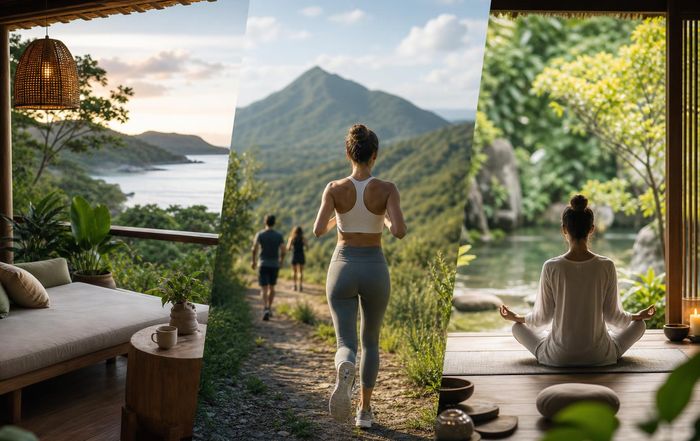
Although many retreats blend elements of rest, fitness, and mindfulness, it is helpful to understand the primary focus of each archetype before comparing specific programs or destinations.
Rest-focused retreats typically prioritize recovery from stress, burnout, or life transitions. They often emphasize sleep hygiene, gentle movement, nourishing food, and unstructured time in a calm environment. Properties may range from countryside inns in the United Kingdom to alpine lodges in Switzerland or coastal wellness resorts in Thailand, yet what unites them is a slower pace and a deliberate reduction in digital and social overload. Research from organizations such as the World Health Organization and OECD has highlighted chronic stress and burnout as rising public health concerns, which helps explain why restorative retreats and "slow travel" have grown in popularity. Travelers can explore broader destination ideas through resources such as the WorldWeTravel destinations guide alongside data from platforms like OECD Better Life Index.
Fitness-focused retreats, by contrast, are built around structured physical activity, whether that means hiking in the Dolomites, surfing in Australia, strength training in the United States, cycling through Spain, or yoga and Pilates on a quiet beach in Costa Rica. These programs frequently include professional coaching, nutritional guidance, and sometimes performance testing. Organizations such as the American College of Sports Medicine and NHS in the United Kingdom provide evidence-based guidelines on physical activity and recovery, which high-quality fitness retreats increasingly incorporate into their programming. Travelers seeking specific sports or training styles can cross-reference retreat offerings with trusted sources like ACSM or NHS physical activity guidance to ensure that advertised programs are aligned with current best practices.
Mindfulness-focused retreats center on mental clarity, emotional resilience, and contemplative practice. These can range from silent meditation retreats in Asia, to secular mindfulness courses in Canada, to compassion-based programs in Europe that integrate psychology and contemplative traditions. The rise of mindfulness in clinical and workplace settings has been supported by research synthesized by organizations such as Harvard Medical School, Mayo Clinic, and American Psychological Association, which have documented benefits for stress, anxiety, and overall wellbeing when practices are taught and applied correctly. Prospective participants can deepen their understanding through resources such as Harvard Health's overview of mindfulness meditation or Mayo Clinic's guide to meditation while comparing these insights with the curricula of specific retreats.
Many of the most compelling programs combine all three elements. A mountain retreat in Switzerland may offer guided hikes (fitness), forest bathing (mindfulness), and spa hydrotherapy (rest). A coastal center in Portugal might blend surf sessions with yoga, breathwork, and nutrition workshops. On WorldWeTravel, readers can explore such hybrid experiences through resources like the travel inspiration hub and the dedicated retreat section, which highlight how different destinations integrate multiple dimensions of wellbeing.
Clarifying Personal Intentions and Outcomes
Before comparing brochures or booking flights, the most important step is to clarify why a retreat is being considered and what outcomes are realistically desired. Vague goals such as "feeling better" or "escaping stress" are understandable but not yet specific enough to guide a wise choice. A more intentional framing might be: recovering from workplace burnout, jump-starting a sustainable fitness routine, processing a major life change, learning meditation skills that can be maintained at home, or reconnecting with family in a healthier way.
Psychological research on goal setting, including work shared by APA and leading universities, indicates that clear, achievable goals tend to support better outcomes and satisfaction. Those who want to explore this science further can consult resources such as American Psychological Association's guidance on goal setting or University of California, Berkeley's Greater Good Science Center, which offers accessible insights on wellbeing, resilience, and habit formation.
Travelers can then match these goals to retreat formats. Someone facing burnout may benefit more from a rest-intensive program with minimal schedules, sleep support, and therapeutic modalities, rather than a high-intensity boot camp. An individual in good health but seeking structure might prefer a fitness retreat that emphasizes progressive training and education on long-term habits. A person navigating grief or transition could look for mindfulness retreats that integrate trauma-sensitive approaches and experienced facilitators. For families, it may be more appropriate to consider retreats that balance adult wellness activities with child-friendly programming, something that can be explored through resources like WorldWeTravel's family travel insights.
Articulating intentions in writing, and even discussing them with a trusted health professional, can help narrow the field and ensure that the chosen retreat aligns with personal needs rather than simply following trends.
Evaluating Credibility, Safety, and Professional Standards
As the global wellness tourism market expands, the quality and credibility of retreats vary widely. Travelers are well served by approaching glossy marketing materials with curiosity and a healthy degree of discernment, especially when programs claim to address serious health conditions, promise dramatic physical changes, or involve intensive psychological work.
Checking the qualifications and backgrounds of retreat leaders is central. In well-established programs, yoga and fitness instructors typically hold certifications from recognized bodies such as Yoga Alliance, ACE, or NASM, while mindfulness teachers may have completed long-term training through institutions like University of Massachusetts Center for Mindfulness or Oxford Mindfulness Foundation. While certification alone does not guarantee excellence, it provides a verifiable baseline. Prospective participants can learn more about standards from organizations such as Yoga Alliance or ACE Fitness and compare them with what retreat providers disclose.
For retreats that include clinical or therapeutic components, such as programs for trauma, depression, or addiction, it is especially important to verify the involvement of licensed health professionals and to understand clearly what is and is not being offered. Health authorities and professional organizations, including National Institutes of Health in the United States and NHS in the United Kingdom, advise that complementary therapies should not replace evidence-based medical care for serious conditions. Travelers can consult resources like NIH's National Center for Complementary and Integrative Health to better understand which practices have supportive evidence and where caution is warranted.
Safety considerations also extend to the physical environment. Fitness retreats should have appropriate safety protocols, emergency plans, and clear information about activity levels, especially for high-altitude hiking, water sports, or intensive training. Mindfulness and silent retreats should provide guidelines on psychological safety, options for support if participants feel overwhelmed, and realistic expectations of what extended silence entails. Reading independent reviews on platforms such as Booking.com, Tripadvisor, or wellness-focused media, and then cross-checking patterns in feedback, can help confirm whether a retreat's marketing claims match the experiences of previous guests.
On WorldWeTravel, readers interested in the broader intersection of health, safety, and travel can explore the health and wellness section, which emphasizes informed decision-making, responsible participation, and collaboration with qualified professionals.
Choosing the Right Destination and Cultural Context
The location of a retreat is not merely a backdrop; it often shapes the experience as deeply as the curriculum. A mindfulness program in a Japanese temple, a yoga retreat in India, a Nordic spa escape in Finland, or a surf and fitness camp in Australia each reflects local landscapes, traditions, and cultural expectations. Choosing a destination thoughtfully involves considering climate, travel time, language, cultural norms, and personal comfort.
For travelers seeking rest, quieter rural or coastal settings can provide a sense of spaciousness and disconnection from daily demands. Mountain regions in Switzerland, Italy, or Canada, as well as countryside retreats in France or the United Kingdom, are popular for their natural beauty and slower pace, although accessibility and seasonality should be taken into account. Fitness-focused travelers might prioritize destinations that naturally support their chosen activities, such as cycling routes in Spain, hiking trails in New Zealand, or urban fitness hubs in the United States where studios, parks, and healthy dining options are abundant. Those drawn to mindfulness and contemplative practices often look to regions with long-standing traditions, including parts of Asia such as Thailand, Japan, and South Korea, where meditation, tea ceremony, and contemplative arts are woven into local culture.
Cultural sensitivity is essential. Well-designed retreats respect local communities and traditions rather than appropriating them superficially. Reputable programs in places with strong spiritual lineages often work in partnership with local teachers and institutions, are transparent about the origins of their practices, and encourage participants to engage respectfully with local culture. Travelers can deepen their understanding through resources such as UNESCO's cultural heritage portal and by reading about local customs before arrival.
For those planning multi-stop journeys that combine retreat time with broader exploration, WorldWeTravel offers guidance on global travel planning and cultural experiences, helping readers integrate wellness-focused stays into longer itineraries that might include major cities in Europe, nature in North America, or cultural hubs across Asia and Africa.
Weighing Accommodation, Amenities, and Design
Accommodation style can significantly influence the restorative potential of a retreat. Some travelers feel most at ease in minimalist, monastic settings with simple rooms and shared spaces, while others benefit from the comfort of high-quality bedding, private bathrooms, and thoughtfully designed communal areas. The key is not luxury for its own sake, but alignment between environment and intention.
Wellness-focused hotels and resorts increasingly integrate biophilic design principles, using natural materials, ample daylight, and indoor-outdoor transitions to support relaxation and circadian rhythms. Studies shared by organizations such as International WELL Building Institute and various architectural research centers suggest that such design features can positively affect mood and sleep quality. Those interested can learn more through resources like IWBI's WELL Building Standard or research summaries from World Green Building Council.
Amenities such as spa facilities, saunas, hydrotherapy circuits, and dedicated meditation rooms can enhance rest and recovery, provided they are not overused or scheduled so tightly that they become another source of pressure. For fitness retreats, access to safe outdoor spaces, high-quality equipment, and flexible training areas matters more than aesthetic flourishes. Mindfulness retreats benefit from quiet, acoustically considered spaces where participants can practice without constant interruptions.
On WorldWeTravel, the hotels and stays section highlights properties that integrate comfort, design, and wellness-minded services, allowing readers to compare how different accommodations support rest, movement, and reflection across regions such as North America, Europe, and Asia-Pacific.
Considering Nutrition, Sustainability, and Local Impact
Food is central to the retreat experience, both as a source of pleasure and as a practical foundation for physical and mental wellbeing. Many programs now emphasize whole foods, plant-forward menus, and reduced ultra-processed ingredients, trends that reflect recommendations from organizations such as the World Health Organization and national dietary guidelines in countries including Canada, Australia, and the United States. Travelers can review these guidelines through sources such as WHO's nutrition advice or Canada's Food Guide and evaluate whether retreat menus are consistent with broadly accepted principles of balanced nutrition.
Transparency is important. Reputable retreats share sample menus, accommodate common dietary needs when possible, and avoid extreme or unverified dietary claims. Programs that promise rapid weight loss or dramatic detoxification should be approached with caution, especially when such claims are not supported by mainstream medical organizations. Resources like Academy of Nutrition and Dietetics and British Nutrition Foundation can help travelers distinguish between evidence-based nutrition and fads.
Sustainability is another key consideration, especially for travelers who want their retreat to align with environmental and social values. Many wellness properties now highlight eco-certifications, renewable energy use, water conservation, and local sourcing of food and materials. Third-party frameworks such as Global Sustainable Tourism Council criteria or B Corp certification provide reference points, though they are not yet universal. Those wishing to understand sustainable tourism more deeply can consult resources like GSTC or learn how businesses integrate sustainability through B Lab's overview of B Corps. On WorldWeTravel, the eco travel section explores how retreats and destinations around the world are working to reduce environmental impact while supporting local communities.
Budget, Value, and Economic Considerations
Retreats can range from modest, community-based programs to ultra-luxury resorts, and price alone does not determine quality or transformative potential. Evaluating value involves looking carefully at what is included: accommodation, meals, activities, transportation, one-on-one sessions, and any follow-up support. It is also helpful to consider the cost of traveling to the destination, especially for long-haul flights from regions such as North America to Asia or Europe.
Travelers may benefit from comparing retreat costs with the price of booking similar accommodation and activities independently, recognizing that curated programs also offer intangible value in the form of structure, community, and reduced decision fatigue. Transparent pricing, clear cancellation policies, and straightforward communication are indicators of professionalism. For those who travel for work or combine retreats with professional obligations, it can be useful to explore whether certain elements, such as leadership training or stress management workshops, align with employer-supported wellness or professional development initiatives.
Macroeconomic factors such as currency fluctuations and regional cost-of-living differences can also influence where and when a retreat represents good value. For instance, some travelers from Western Europe or North America may find that their currency stretches further in parts of Southeast Asia or South America, while others may prioritize shorter flights and lower travel fatigue over marginal savings. Readers interested in the broader economic context of travel can explore the WorldWeTravel economy section, which examines how global trends intersect with personal travel decisions.
Digital Boundaries, Technology, and Post-Retreat Integration
In an era of constant connectivity, many retreats now explicitly address the role of technology in wellbeing. Some programs encourage or require partial digital detoxes, limiting device use to specific times or areas, while others integrate technology thoughtfully through wearable fitness trackers, sleep monitoring, or guided meditation apps. The key question is whether technology is being used to support awareness and health, or whether it risks reintroducing distraction and stress.
Research on digital overload and mental health, shared by organizations such as Pew Research Center, World Economic Forum, and leading universities, suggests that intentional breaks from constant connectivity can support attention, mood, and sleep, particularly when combined with time in nature and face-to-face social connection. Travelers can explore these topics further through resources like Pew's reports on digital life or WEF's insights on mental health and technology. On WorldWeTravel, the technology and travel section discusses how to balance digital tools with genuine presence on the road.
Equally important is what happens after the retreat ends. Programs that offer post-retreat resources, such as recorded classes, follow-up group calls, or written guidance on integrating new habits, can significantly increase the long-term impact of a short stay. Travelers are encouraged to ask providers about aftercare and to set realistic expectations for how they will maintain practices such as daily stretching, meditation, or improved sleep routines once they return to their usual environments. The WorldWeTravel tips hub offers practical advice on sustaining healthy travel habits and integrating retreat lessons into everyday life, whether at home or on future journeys.
Retreats for Families, Professionals, and Diverse Travelers
While many retreats are designed for individuals or couples, there is growing interest in experiences tailored to families, professionals, and specific communities. Family-friendly retreats might combine adult yoga or mindfulness sessions with outdoor activities, creative workshops, and cultural exploration for children, creating shared memories and healthier family rhythms. Professionals may seek leadership or resilience retreats that integrate evidence-based stress management, communication training, and time in nature, sometimes supported by employers as part of wellbeing initiatives. Others may look for retreats that are explicitly inclusive of diverse identities and life stages, including programs for women, men, LGBTQ+ communities, or people navigating midlife transitions.
When evaluating such retreats, travelers can look for evidence of genuine inclusion and expertise rather than superficial branding. This might include facilitators with relevant professional backgrounds, partnerships with credible organizations, and clear policies on accessibility and safety. For families and working travelers, WorldWeTravel provides dedicated daily resources such as family travel guidance, business travel insights, and work and travel balance, which can help align retreat choices with broader life responsibilities and aspirations.
Making a Confident, Values-Aligned Choice
Choosing a retreat for rest, fitness, or mindfulness ultimately involves weaving together practical considerations, personal goals, and values. By clarifying intentions, evaluating the credibility of providers, considering cultural and environmental context, and reflecting on budget and long-term integration, travelers can move beyond impulse decisions toward experiences that are both restorative and responsible.
For some, the ideal retreat may be a quiet, eco-conscious lodge in Scandinavia offering sauna rituals, cold plunges, and forest walks; for others, a dynamic fitness camp in California or a mindfulness immersion in a historic monastery in Italy may resonate more deeply. Across these diverse options, what matters most is that the program is grounded in trustworthy expertise, respects local culture and environment, and invites participants to reconnect with themselves in a way that can be carried forward long after the suitcase is unpacked.
As wellness travel continues to evolve worldwide, WorldWeTravel remains committed to highlighting responsible well-known retreats and destinations that honor both individual wellbeing and the places and communities that host travelers. By approaching retreat selection with curiosity, discernment, and a sense of possibility, travelers can transform time away from routine into a meaningful investment in health, resilience, and a more mindful way of exploring the world.