

Adventure in New Zealand's Landscapes: A Worldly Guide for the Global Traveler
New Zealand in 2026: Why the World's Executives and Families Are Looking South
New Zealand has consolidated its reputation as one of the world's most compelling destinations for travelers who seek a rare blend of adventure, safety, environmental stewardship and high-quality infrastructure. For the incredibly loyal subscribers and readers of worldwetravel, who increasingly combine business, family, wellness and remote work in a single itinerary, the country offers an unusually strategic choice: it is a place where a board-level strategy retreat can be followed by alpine trekking, where a family holiday can integrate sustainability education, and where digital professionals can work across time zones while immersed in some of the most dramatic landscapes on Earth.
New Zealand's appeal is not accidental; it rests on decades of policy decisions, destination management and investment in conservation, tourism infrastructure and digital connectivity. Organizations such as Tourism New Zealand and the Department of Conservation (DOC) have positioned the country as a model of nature-based tourism, while the government's broader economic and environmental frameworks have supported a resilient visitor economy. For global executives evaluating travel decisions through the lens of risk, return and long-term value, New Zealand's landscapes are more than a backdrop; they are a strategic asset that can enhance corporate culture, personal wellbeing and family cohesion.
Readers planning complex itineraries that span multiple continents can begin with a broad overview of regional options at worldwetravel.com destinations, but New Zealand stands out as a case study in how a small, advanced economy can convert natural capital into sustainable, high-value travel experiences.
The Geography of Adventure: From Fiords to Volcanic Plateaus
New Zealand's adventure proposition is anchored in the extraordinary diversity of its landscapes compressed into a relatively small geographic area. Within a few hours' travel, visitors can move from subtropical beaches to snow-covered peaks, from geothermal fields to glacial valleys. This geographic concentration allows time-poor professionals and families to orchestrate itineraries that deliver high experiential value without the logistical complexity often associated with multi-country trips.
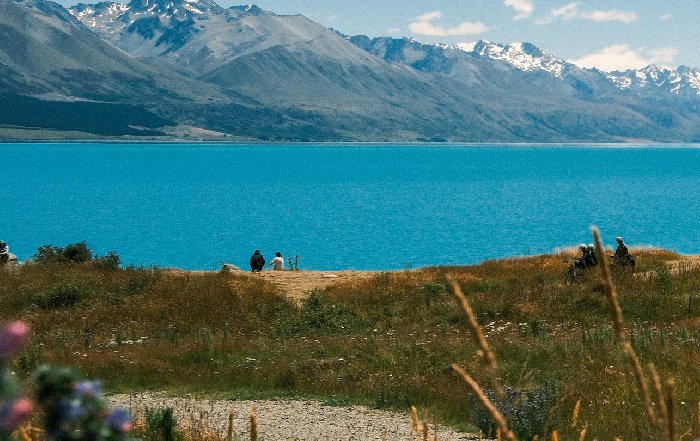
The South Island's Southern Alps, including Aoraki/Mount Cook National Park, offer world-class alpine trekking, glacier experiences and scenic flights that appeal to both seasoned mountaineers and first-time adventure travelers. The Fiordland region, home to Milford Sound and Doubtful Sound, delivers a sense of remoteness that is increasingly rare in a crowded world, with deep fiords, waterfalls and rainforest ecosystems that have been carefully protected. Visitors seeking more detail on these protected areas can consult the official information from the New Zealand Department of Conservation.
On the North Island, the Tongariro National Park volcanic plateau, a dual UNESCO World Heritage site, provides a dramatic setting for the renowned Tongariro Alpine Crossing, while the geothermal fields of Rotorua combine natural spectacle with Māori cultural experiences. The UNESCO World Heritage Centre provides a useful global context for understanding how New Zealand's protected landscapes compare with other iconic sites worldwide.
For travelers designing multi-destination journeys that incorporate New Zealand alongside other global hubs such as Singapore, London or Los Angeles, the country's geographic isolation is mitigated by strong air connectivity and a tourism sector that understands the needs of international visitors. Strategic trip planning can be supported by the broader travel intelligence available on worldwetravel.com travel, which helps align long-haul itineraries with work schedules, school calendars and corporate events.
Adventure for Families: Building Resilience and Shared Memories
For families, New Zealand's landscapes offer more than entertainment; they provide a platform for education, resilience-building and intergenerational connection. In an era when parents are increasingly concerned about screen time and fragmented attention, outdoor adventure has become a deliberate strategy for strengthening family bonds and teaching practical skills.
The country's well-marked walking tracks, such as the Abel Tasman Coast Track or shorter sections of the Queen Charlotte Track, allow families with children to experience multi-day journeys without the high risk profile associated with more extreme expeditions. Safety standards, clear signage and the presence of managed accommodation such as DOC huts and reputable lodges reduce uncertainty, while still preserving a sense of challenge and discovery. More information on family-appropriate outdoor safety and planning can be found through the New Zealand Mountain Safety Council.
Adventure activities such as ziplining in Rotorua, dolphin watching in the Bay of Islands, or beginner-friendly skiing in Queenstown and Wānaka provide varied experiences that can be tailored to different ages and comfort levels. Families interested in integrating educational components into their trips often draw on resources from organizations like National Geographic, which offers extensive content on ecosystems, geology and wildlife; exploring their materials at National Geographic Travel can help parents frame each landscape as a living classroom.
For readers of worldwetravel.com, family travel is not an afterthought but a central pillar of decision-making, often balanced against professional obligations. The editorial team's curated guidance at worldwetravel.com family supports this by aligning destination choices, including New Zealand, with school-age learning, safety considerations and the differing needs of multi-generational groups.
The Business Case for Adventure: Leadership, Teams and Strategy
New Zealand's landscapes have also become a preferred stage for executive offsites, leadership development programs and incentive travel, particularly for organizations in the United States, United Kingdom, Germany, Singapore and Australia that seek high-impact experiences in stable, well-governed environments. The country's political stability, strong rule of law and advanced infrastructure make it an attractive choice for businesses seeking to combine strategic work with meaningful adventure.
Leadership consultancies and executive coaches increasingly design programs that use physical challenge as a metaphor for organizational transformation. Trekking in the Southern Alps, sailing in the Bay of Islands, or group mountain biking in Central Otago can be integrated with facilitated workshops that focus on decision-making under uncertainty, cross-cultural communication and resilience. Research from institutions such as Harvard Business School has long highlighted the value of experiential learning for senior leaders; executives exploring these themes can review insights at Harvard Business Review to better understand how adventure-based programs support long-term performance.
New Zealand's major centers, including Auckland, Wellington, Christchurch and Queenstown, offer high-quality conference facilities, reliable connectivity and a sophisticated hospitality sector capable of serving global corporate clients. Incentive travel planners and HR leaders often reference the benchmarking and data available from the World Travel & Tourism Council to assess the resilience and economic contribution of destinations, and New Zealand consistently performs strongly in terms of safety, sustainability and quality.
For business-focused readers, worldwetravel.com maintains dedicated analysis at worldwetravel.com business, where New Zealand frequently appears as an example of how to integrate offsite strategy work with restorative nature experiences, thereby improving both productivity and employee engagement.
Accommodation and Hospitality: From Alpine Lodges to Eco-Luxury
Adventure in New Zealand does not require sacrificing comfort or service quality. The country's accommodation ecosystem spans luxury lodges, boutique hotels, eco-retreats, serviced apartments and well-managed campgrounds, allowing travelers to calibrate their experience according to budget, privacy needs and sustainability preferences.
High-end properties such as Huka Lodge, Blanket Bay and The Farm at Cape Kidnappers have long attracted global executives, celebrities and high-net-worth families seeking privacy, fine dining and curated outdoor experiences. These lodges typically offer concierge-level access to activities such as heli-hiking, fly fishing, vineyard tours and private yacht charters, while maintaining strong environmental credentials. Prospective guests can benchmark luxury standards and trends by consulting resources like Condé Nast Traveler and the Relais & Châteaux network at relaischateaux.com.
At the same time, a growing number of eco-lodges and sustainable stays reflect New Zealand's commitment to responsible tourism. Properties that participate in the Qualmark sustainable tourism certification scheme, supported by Tourism New Zealand, provide assurance on environmental and social practices. Travelers who wish to align their accommodation choices with global best practice can explore frameworks and case studies from the Global Sustainable Tourism Council.
For a structured overview of hotel and lodging options, including how to integrate city stays with remote retreats, readers can draw on the curated recommendations at worldwetravel.com hotels, which highlight properties suitable for business travelers, families and wellness-focused guests across New Zealand and other key markets.
The Global and Economic Context: New Zealand in a Shifting World
By 2026, the global travel landscape has been reshaped by evolving health considerations, geopolitical tensions, climate awareness and digital transformation. New Zealand's position as a geographically remote yet globally connected nation has proven advantageous in this context. The country's robust public health system, transparent governance and data-driven policy responses have reinforced its image as a safe and predictable environment for international visitors.
From an economic perspective, tourism remains a significant contributor to New Zealand's GDP and employment, but there has been a deliberate shift towards higher-value, lower-impact visitation. This aligns with broader debates in international economic forums such as the Organisation for Economic Co-operation and Development (OECD) and the World Bank, where policy makers examine how to balance visitor numbers with environmental and social resilience. Executives and investors who wish to understand these macroeconomic dynamics can consult the OECD tourism policy pages and the World Bank's data on tourism and development.
For global travelers, this shift translates into more curated experiences, greater emphasis on quality over volume, and a regulatory environment that privileges conservation. New Zealand's approach can be seen as a microcosm of broader trends that are also visible in parts of Europe, Asia and North America, where destinations are rethinking carrying capacity and destination management. Readers seeking a comparative lens can explore broader analyses at worldwetravel.com global, which situates New Zealand within global tourism, economic and policy trends.
Technology-Enabled Adventure: Connectivity, Safety and Remote Work
Technological infrastructure has become a decisive factor for many travelers, particularly those who blend adventure with remote work or who rely on digital tools for navigation, safety and content creation. New Zealand's investment in broadband, 5G networks and digital services has materially improved the feasibility of "work-from-anywhere" lifestyles, even in relatively remote regions.
While not every alpine valley or fiord offers continuous high-speed connectivity, most towns, resorts and major tourist regions provide sufficient bandwidth for video conferencing, cloud-based collaboration and digital content production. This allows professionals to schedule demanding outdoor activities around key meetings or deadlines, rather than having to disconnect entirely. For those designing distributed work strategies, technology and workplace insights from sources such as McKinsey & Company at mckinsey.com can help frame New Zealand not just as a leisure destination, but as part of a broader portfolio of global work locations.
Safety technologies, including advanced weather forecasting, GPS navigation, avalanche monitoring and emergency locator beacons, have also become more accessible. Agencies like MetService New Zealand provide detailed weather data at metservice.com, which is critical for planning alpine and marine activities. At the same time, tourism operators increasingly integrate digital briefings, online waivers and real-time communication into their operations, raising overall safety and service standards.
Readers of worldwetravel.com who are particularly focused on the intersection of travel and digital innovation can explore further analysis at worldwetravel.com technology, where New Zealand often appears as a reference point for how advanced economies can combine outdoor adventure with modern connectivity.
Health, Wellbeing and Retreats in Nature
Adventure in New Zealand is not limited to adrenaline-oriented experiences; it increasingly intersects with global trends in health, wellbeing and mental resilience. The idea of "retreat" has evolved from simple spa weekends to more comprehensive programs that integrate physical activity, nutrition, mindfulness and nature immersion.
New Zealand's landscapes are particularly well-suited to this evolution. Coastal walks, forest bathing in native bush, thermal hot springs in Rotorua and Hanmer Springs, and yoga retreats in rural settings provide a spectrum of options that can be calibrated to individual or corporate wellness objectives. The emerging field of nature-based therapies is supported by a growing body of research from organizations such as the World Health Organization (WHO), which has explored links between green spaces, mental health and chronic disease prevention; interested readers can review relevant material at who.int.
Wellness-oriented properties and programs often collaborate with nutritionists, physiotherapists and mental health professionals to design integrated experiences that go beyond superficial relaxation. These can be especially valuable for executives facing burnout, teams recovering from intense project cycles, or families seeking to recalibrate after periods of disruption. For structured guidance on combining adventure with wellness, readers can turn to worldwetravel.com health and worldwetravel.com retreat, where New Zealand is frequently profiled as a benchmark for nature-based wellbeing journeys.
Culture, Community and Indigenous Perspectives
Any serious engagement with New Zealand's landscapes must also acknowledge the cultural and historical narratives that shape them. The relationship between Māori communities and the land, articulated through concepts such as kaitiakitanga (guardianship), has significantly influenced contemporary approaches to conservation and tourism. For discerning travelers, understanding these perspectives adds depth and meaning to adventure experiences.
Many tourism operators now integrate Māori storytelling, language and protocols into their offerings, whether through guided walks, cultural performances, marae visits or interpretive experiences at geothermal sites. Organizations such as Te Puni Kōkiri and the Waitangi Tribunal provide broader context on Māori rights, land settlements and cultural revitalization, while the New Zealand History portal offers accessible background for international visitors seeking to understand the country's bicultural foundations.
Cultural immersion also extends to contemporary creative industries, including film, design, food and wine. The global success of New Zealand's screen sector, anchored by studios such as Wētā FX and supported by government policy, has helped project the country's landscapes into global consciousness. For a broader view of cultural and creative industries worldwide, readers may consult the UNESCO Culture Sector at unesco.org.
For those who follow worldwetravel.com for its cultural insights, the editorial coverage at worldwetravel.com culture helps frame New Zealand not only as a place of natural beauty, but also as a dynamic society whose cultural narratives enrich every journey through its forests, mountains and coasts.
Sustainability and Eco-Leadership in the Southern Hemisphere
Sustainability is no longer a niche concern; it is a central criterion for destination choice among globally aware travelers, corporations and families. New Zealand has positioned itself as a leader in eco-conscious tourism, with policies and practices designed to protect fragile ecosystems while enabling high-quality visitor experiences.
The Tiaki Promise, a national initiative encouraging visitors to care for the land, sea and nature, exemplifies how New Zealand translates environmental values into practical guidance. Visitors are increasingly expected to understand and respect local protocols, including waste management, wildlife protection and responsible use of backcountry areas. International standards and best practices in sustainable tourism are further articulated by bodies such as the United Nations Environment Programme (UNEP) and the United Nations World Tourism Organization (UNWTO), whose resources at unep.org and unwto.org can help travelers and businesses benchmark their own behaviors.
Eco-adventure offerings, including low-impact hiking, cycling, kayaking and wildlife watching, are designed to minimize emissions and habitat disturbance. Increasingly, operators are investing in electric or hybrid transport, regenerative planting programs and community partnerships. For travelers who prioritize environmental performance in their decision-making, the editorial focus at worldwetravel.com eco provides a curated view of destinations such as New Zealand that align adventure with climate-conscious practice.
Practical Intelligence and Strategic Tips for 2026 Travelers
In 2026, planning an adventure in New Zealand requires a more strategic approach than in previous decades, reflecting evolving entry requirements, climate patterns, demand cycles and digital working realities. While traditional guidebooks remain useful, sophisticated travelers increasingly rely on a combination of official information, expert analysis and peer-reviewed platforms.
Entry and visa requirements, biosecurity rules and safety advisories are best confirmed through official channels such as Immigration New Zealand and the New Zealand Ministry of Foreign Affairs and Trade, while international travelers should also consult their own governments' travel advisories, including the U.S. Department of State, the UK Foreign, Commonwealth & Development Office and equivalent agencies in Canada, Germany, France and other origin markets. Climate and seasonal planning are influenced by increasingly variable weather patterns; long-range forecasts and climate data from agencies like NIWA (National Institute of Water and Atmospheric Research) at niwa.co.nz can help travelers align their adventure activities with more predictable windows.
For readers of worldwetravel.com, practical guidance is integrated into broader strategic thinking about travel, work and lifestyle. The editorial team's consolidated advice at worldwetravel.com tips and worldwetravel.com work supports decisions on topics such as blending remote work with trekking, choosing between North and South Island routes, optimizing stopovers in Asia or North America, and coordinating family schedules with corporate obligations.
Conclusion: New Zealand as a Strategic Choice for the Next Era of Travel
As global travelers, executives and families reassess their priorities today, New Zealand's landscapes offer more than postcard beauty; they provide a framework for reimagining how adventure, work, family and wellbeing can coexist. The country's combination of environmental stewardship, advanced infrastructure, cultural depth and economic stability makes it an unusually robust choice in a world characterized by volatility and rapid change.
For the audience of worldwetravel.com, which spans decision-makers in the United States, United Kingdom, Germany, Canada, Australia, Singapore and beyond, New Zealand represents a destination where every journey can be designed with intentionality: a place where a leadership team can align strategy amidst alpine peaks, where children can learn resilience on coastal tracks, where remote professionals can maintain global connectivity from lakeside towns, and where all visitors are invited to participate in a shared commitment to care for the land.
By approaching New Zealand not merely as a distant holiday spot but as a strategic node in a global portfolio of destinations, travelers can unlock deeper value from every trip. The editorial and analytical resources of worldwetravel.com are designed to support that process, ensuring that when readers choose to adventure in New Zealand's landscapes, they do so with clarity, confidence and a long-term perspective on both personal and planetary wellbeing.