

Business Travel Destinations That Balance Work and Leisure
The Maturing Era of Bleisure in a Hybrid-First World
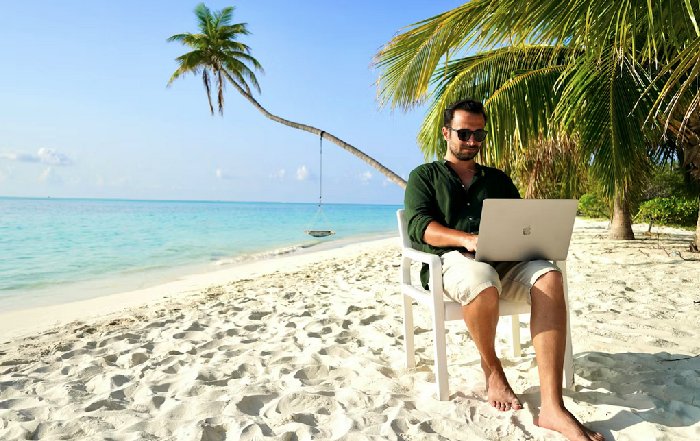
Now the convergence of work and travel has moved from an emerging trend to an established pillar of global business culture. What began as an opportunistic extension of business trips into short holidays has matured into a deliberate strategy that many organizations now embed into their talent, mobility and well-being policies. This integrated approach, often described as "bleisure," reflects a deeper structural shift in how companies operate, how professionals manage their careers and how destinations position themselves in an increasingly competitive global marketplace. For WorldWeTravel.com, which serves a sophisticated audience of executives, entrepreneurs, remote professionals and internationally mobile families, this evolution is not simply about adding leisure to business trips; it is about helping people design travel that sustains performance, nurtures health and builds long-term professional and personal value.
The normalization of hybrid and remote work has accelerated this transformation. Cloud-based platforms, secure collaboration suites and enterprise-grade communication tools from organizations such as Microsoft and Google have made it feasible for professionals to remain fully engaged with their teams from almost any location with robust connectivity. Companies across the United States, United Kingdom, Germany, Canada, Australia and beyond have responded by rethinking their travel and mobility strategies, increasingly aligning them with broader frameworks such as the United Nations Sustainable Development Goals and with internal commitments around employee well-being, diversity and inclusion, and climate responsibility. Within this context, WorldWeTravel.com has refined its editorial focus to guide readers toward destinations and experiences that respect both their professional ambitions and their need for meaningful, restorative time away from their primary base.
What Business Travelers Expect in 2026
The expectations of business travelers in 2026 are markedly higher than they were even a few years ago. Professionals no longer view a reliable internet connection and a comfortable bed as differentiators; they regard them as baseline requirements. For readers of WorldWeTravel.com Travel, the destinations that stand out are those that combine enterprise-grade digital infrastructure, flexible work environments and high safety standards with rich cultural, culinary and wellness offerings that can be accessed without adding excessive friction to already demanding schedules.
Executives and knowledge workers now expect resilient broadband, widespread 5G, secure public and private networks and workspace options that range from hotel business centers and executive lounges to design-led co-working hubs and serviced apartments configured for longer stays. At the same time, health and well-being have moved from optional extras to central decision factors. The guidance of organizations such as the World Health Organization has heightened awareness of health security, preventive care and mental health on the road, and business travelers increasingly seek destinations where they can maintain exercise routines, access green spaces and find nutritious, diverse food options. This perspective is reflected in the coverage on WorldWeTravel.com Health, where the emphasis is on environments that support sustainable performance rather than encourage cycles of burnout and recovery.
Core Criteria for High-Value Work-Leisure Destinations
In 2026, the destinations that successfully attract discerning business travelers share a set of clearly identifiable characteristics. First, connectivity and infrastructure remain paramount. Countries that have invested in fiber networks, 5G coverage, modern airports and efficient urban transport systems, as tracked by resources such as the OECD's digital economy analysis, consistently outperform their peers in attracting mobile talent and hosting high-value business events. Business travelers prioritize locations where they can move smoothly from airport to hotel to meeting venue, and where their digital tools function with the same reliability they enjoy at their home base.
Second, accommodation quality and diversity have become decisive. The properties highlighted on WorldWeTravel.com Hotels increasingly feature ergonomic in-room workstations, soundproofing suitable for video calls, integrated wellness amenities and frictionless digital services, from mobile check-in to smart-room controls. Industry bodies such as the World Travel & Tourism Council have documented how hotels and serviced residences across Europe, Asia, North America and Oceania are redesigning their spaces to serve as temporary offices, collaboration hubs and wellness retreats, rather than merely places to sleep.
Third, the most attractive destinations offer a dense ecosystem of leisure experiences that can be accessed in the margins of a workday or during an extended stay. For readers exploring WorldWeTravel.com Destinations, cities and regions that combine world-class museums, performing arts, gastronomy, outdoor recreation and wellness retreats with safe, walkable neighborhoods and intuitive digital services stand out as locations where a single trip can deliver both professional outcomes and enduring personal memories.
North America: Productivity Hubs with Nature at the Doorstep
In North America, the balance between high-intensity business environments and restorative leisure opportunities is especially visible. In the United States, New York City remains an anchor for finance, media, law and consulting, supported by global air connectivity through JFK, LaGuardia and Newark. Business travelers can conduct meetings in Midtown or Lower Manhattan and, within minutes, immerse themselves in cultural institutions such as the Metropolitan Museum of Art or the Museum of Modern Art, or attend performances at Carnegie Hall and Lincoln Center, turning even short stays into experiences that extend beyond the boardroom.
On the West Coast, San Francisco, Seattle and Los Angeles continue to attract technology, entertainment and venture capital professionals, supported by sophisticated innovation ecosystems and thriving startup communities. Travelers interested in climate technology, artificial intelligence or clean energy often combine their trips with site visits or events connected to initiatives overseen by the U.S. Department of Energy. At the same time, proximity to national parks, coastal trails and wine regions allows business visitors to add weekend escapes that reflect the work-life integration philosophy that WorldWeTravel.com regularly explores across its Global and Economy sections.
In Canada, cities such as Toronto, Vancouver, Montreal and Calgary have solidified their reputations as places where high quality of life, political stability and progressive urban planning intersect. The Government of Canada continues to emphasize digital innovation, immigration pathways for skilled workers and climate resilience, factors that make Canadian cities particularly appealing to international companies building regional hubs. Business travelers benefit from efficient airports, multicultural dining scenes and ready access to waterfronts, mountains and parks, allowing them to decompress quickly after demanding days. For leadership teams planning offsites or retreats, Canada's combination of modern conference facilities and dramatic landscapes aligns closely with the integrated experiences that WorldWeTravel.com advocates for its corporate readership.
Europe: Historic Depth and Modern Work Ecosystems
Across Europe, the interplay between history, culture and advanced business infrastructure creates a diverse portfolio of destinations for 2026. London remains a preeminent global city, with dense clusters of corporate headquarters in the City and Canary Wharf, a thriving technology scene around Shoreditch and King's Cross, and a powerful professional services ecosystem. The expansion of the Elizabeth Line has further streamlined movement between central London and major airports, while free cultural institutions such as the British Museum and the Tate Modern ensure that even short visits can be culturally enriching.
Elsewhere in Western Europe, Paris, Berlin, Amsterdam, Madrid, Barcelona, Milan and Zurich each offer distinctive combinations of business specialization and lifestyle appeal. Paris blends corporate gravitas with haute cuisine and world-leading art; Berlin remains a magnet for startups, creative industries and remote workers drawn by its cultural dynamism; Amsterdam and Rotterdam leverage their logistics and innovation strengths; Zurich and Geneva provide stability, financial expertise and access to Alpine leisure. Policy frameworks around digitalization, mobility and sustainability, as developed by the European Commission, continue to shape these cities' evolution into smart, resilient hubs attractive to international business travelers and long-stay professionals.
In Northern Europe, the reputations of Sweden, Norway, Denmark and Finland for work-life balance, social trust and environmental performance have become powerful differentiators. Cities such as Stockholm, Oslo, Copenhagen and Helsinki combine advanced digital services, efficient public transport and widespread English proficiency with immediate access to water, forests and outdoor recreation. The World Economic Forum regularly highlights these countries' leadership in innovation, education and sustainability, making them natural choices for companies organizing leadership retreats, innovation labs or strategy offsites. For readers of WorldWeTravel.com Business, these destinations illustrate how macroeconomic stability and social cohesion can coexist with ambitious business agendas and demanding global roles.
Asia-Pacific: High-Tech Gateways and Restorative Retreats
In the Asia-Pacific region, the interplay between hyper-efficient urban hubs and slower-paced coastal or rural retreats is especially compelling for business travelers in 2026. Singapore continues to stand out as one of the world's most business-friendly cities, with a strategic geographic position, robust legal framework and integrated digital infrastructure. The Monetary Authority of Singapore underscores the city-state's role as a financial and fintech hub, while Changi Airport sets global benchmarks for traveler experience. Visitors can transition seamlessly from meetings in the Central Business District to evening walks along Marina Bay, dining in hawker centers or exploring green spaces such as Gardens by the Bay, demonstrating how a compact urban environment can support both high-intensity work and meaningful leisure.
In Japan, Tokyo, Osaka and regional centers such as Fukuoka and Nagoya offer a unique combination of advanced technology, meticulous service standards and deep cultural heritage. High-speed rail networks and punctual public transportation enable efficient multi-city itineraries, while onsen towns, temple complexes and regional food cultures provide restorative experiences that many business travelers now consider essential to longer stays. The Japan National Tourism Organization has placed increasing emphasis on experiences tailored to international visitors who blend work with wellness, design and culinary exploration, making Japan a natural choice for professionals from Europe, North America and Southeast Asia seeking a deeper engagement with the region.
South Korea's capital, Seoul, has consolidated its role as a technology, media and design powerhouse. Global companies such as Samsung and Hyundai continue to attract investors and partners, while districts like Gangnam and Yeouido provide modern office towers, co-working spaces and luxury hotels configured for extended business stays. The Korea Trade-Investment Promotion Agency outlines the country's innovation agenda, which resonates strongly with executives in electronics, gaming, entertainment and mobility. At the same time, neighborhoods such as Hongdae, Itaewon and traditional markets offer nightlife, culture and street food that help transform a demanding work trip into a memorable journey.
For professionals seeking a more relaxed environment without sacrificing connectivity, Thailand, Malaysia, Australia and New Zealand continue to rise in prominence. Cities such as Bangkok, Chiang Mai and Phuket, as well as Kuala Lumpur and Penang, combine affordable, high-quality accommodation with dynamic co-working communities and a well-developed tourism infrastructure. The Tourism Authority of Thailand has increasingly targeted longer-stay visitors who mix work with wellness, culinary exploration and beach or mountain retreats. Further south, Sydney, Melbourne, Brisbane, Auckland and Wellington offer sophisticated business environments framed by beaches, vineyards and hiking trails, a lifestyle that aligns closely with the themes explored on WorldWeTravel.com Retreat and WorldWeTravel.com Eco. Organizations such as the Australian Trade and Investment Commission continue to position these cities as ideal bases for regional headquarters, conferences and long-stay professionals.
Middle East and Africa: Strategic Gateways and Emerging Retreats
In the Middle East, cities such as Dubai, Abu Dhabi and Doha have matured into global aviation and business hubs that connect Europe, Asia, Africa and North America. Their state-of-the-art airports, extensive conference facilities and broad range of hotels-from ultra-luxury resorts to business-focused brands-make them natural meeting points for multinational corporations, investors and government delegations. The World Bank has documented how these economies have leveraged infrastructure investments, free zones and pro-business regulatory frameworks to attract international capital and talent, including both short-term visitors and longer-stay knowledge workers. Business travelers can move from high-stakes negotiations in glass towers to desert experiences, waterfront promenades or cultural districts, integrating moments of leisure into otherwise intense schedules.
In Africa, South Africa remains a key anchor for business travel. Johannesburg functions as a financial and corporate hub, while Cape Town combines a growing technology and creative ecosystem with iconic natural landscapes. The South African Tourism portal highlights how the country is promoting both business events and extended leisure stays, encouraging visitors to explore vineyards, coastal drives and mountain trails. For readers following frontier and emerging market developments on WorldWeTravel.com Global, cities such as Nairobi, Lagos and Accra are also increasingly relevant, despite varying infrastructure and security conditions. For experienced global travelers, these markets offer significant opportunities, rich cultural experiences and the chance to engage with rapidly evolving innovation ecosystems.
Latin America: Culture, Cost Efficiency and Growing Connectivity
Across South America, the balance of culture, cost and connectivity is drawing more international business travelers than in previous decades. Rio de Janeiro, Buenos Aires, Santiago and Lima have become important centers for finance, energy, agriculture, technology and creative industries. São Paulo offers extensive corporate infrastructure, a sophisticated dining scene and a growing startup community, while Rio de Janeiro combines business activity with beaches, mountains and a globally recognized cultural identity. The Inter-American Development Bank has documented how regional economic integration, digitalization and infrastructure investments are reshaping business opportunities, making these cities increasingly relevant for investors and multinational companies.
For business travelers, Latin American destinations often provide a compelling value proposition: rich cultural and gastronomic experiences, relatively lower costs compared to many North American or Western European hubs and improving connectivity. Professionals can conclude a week of negotiations or site visits by exploring historic neighborhoods, music scenes or nearby natural attractions, experiences that resonate with the cultural narratives featured on WorldWeTravel.com Culture. As co-working spaces, boutique hotels and serviced apartments expand, and as governments and private operators invest in safety and digital infrastructure, these cities are becoming more suitable bases for extended business-leisure stays.
Technology as the Backbone of Integrated Travel
The ability to integrate work and leisure during travel in 2026 rests fundamentally on technology. Secure video conferencing, cloud-based productivity suites and sophisticated project management platforms enable teams to collaborate seamlessly across continents, allowing professionals to extend trips, relocate temporarily or attend in-person events without losing touch with their core responsibilities. The International Telecommunication Union tracks global progress in connectivity and digital infrastructure, showing how countries that invest in broadband, mobile networks and cybersecurity gain a structural advantage in attracting mobile, high-value talent.
For the audience of WorldWeTravel.com Technology, the intersection of travel and digital innovation is central to destination choice. Smart hotels, digital concierge services, biometric border controls and integrated travel management platforms are streamlining journeys from booking to return, reducing friction that previously made frequent business travel exhausting. At the same time, concerns around data privacy and cyber risk have become more acute, prompting companies and individuals to adopt more disciplined security practices when working from airports, hotels and co-working spaces. In this environment, destinations that combine advanced digital services with strong regulatory frameworks and clear privacy standards are increasingly favored by both corporate travel managers and individual professionals.
Health, Well-Being and Sustainable Performance on the Road
The experience of the early 2020s has left a lasting imprint on how organizations and individuals think about health and travel. There is now a broader understanding that frequent business travel can have cumulative effects on sleep, stress levels, immune function and mental health if not managed thoughtfully. Institutions such as the Centers for Disease Control and Prevention provide detailed guidance on vaccinations, disease prevention and safe travel practices, while corporate wellness programs increasingly address jet lag management, nutrition, exercise and psychological resilience.
Destinations that genuinely balance work and leisure make it easy for travelers to maintain healthy routines. They offer accessible fitness facilities, running and cycling routes, wellness-oriented accommodation and dining options that cater to a wide range of dietary needs. This aligns closely with the editorial stance of WorldWeTravel.com Work, which emphasizes that sustainable professional performance depends on environments that support recovery, reflection and connection as much as productivity and output. Companies that recognize this link are re-evaluating their travel policies, encouraging employees to build recovery time into itineraries, supporting longer but less frequent trips and, in many cases, enabling family members to join for part of a stay to reduce the personal cost of extended travel.
Practical Strategies for Maximizing Bleisure Value
As bleisure has matured, professionals have become more intentional about designing trips that deliver maximum value. Many now plan itineraries that include buffer days at the start or end of a journey to adjust to time zones, explore neighborhoods and establish routines, rather than compressing everything into the narrowest possible window. They choose flights that align with their circadian rhythms, select hotels with proven workspaces and wellness amenities and schedule meetings in clusters that leave space for cultural visits, local networking or time in nature. Macro-level data from the World Tourism Organization on travel flows and seasonality help companies and individuals choose destinations and timing that avoid the most congested periods, improving both productivity and experience.
Within this context, many readers rely on WorldWeTravel.com Tips for practical guidance on loyalty strategies, travel insurance, digital tools, risk management and family considerations. Whether planning a board meeting in London, a product launch in Singapore, a client roadshow across Germany and France, or a remote work month in Thailand or Spain, the most effective travelers in 2026 approach business trips as integrated projects that encompass work outcomes, health, learning and personal fulfillment.
How WorldWeTravel.com Curates Trusted Work-Leisure Guidance
For WorldWeTravel.com, the rise of integrated business and leisure travel has reinforced the importance of Experience, Expertise, Authoritativeness and Trustworthiness across all content verticals, from Destinations and Family to Business, Eco and Travel. The platform's editorial approach combines on-the-ground reporting, data-driven analysis and a nuanced understanding of global economic, technological and cultural trends, ensuring that recommendations remain relevant to readers in North America, Europe, Asia, Africa, South America and the Pacific.
By focusing on destinations that offer robust infrastructure, strong health and safety standards, rich cultural and natural assets and clear progress on sustainability, WorldWeTravel.com helps its audience make informed choices about where to invest their time and attention. Whether a reader is an executive in New York, a consultant in London, a founder in Berlin, a technology specialist in Singapore, an investor in Zurich, or a remote professional planning a work month in Italy, Spain, Netherlands, Switzerland, China, Japan, South Korea, Thailand, Brazil, Malaysia, New Zealand or South Africa, the guidance available on WorldWeTravel.com is designed to support decisions that respect both professional priorities and personal well-being.
As 2026 progresses, the destinations that thrive will be those that understand business travelers as whole individuals, not just as transient visitors. They will invest in infrastructure that supports seamless work, cultivate cultural and natural assets that enrich downtime and adopt policies that align with global expectations around sustainability, inclusion and health. In this evolving landscape, WorldWeTravel.com remains a trusted partner, curating insights and recommendations that help its global audience identify and experience business travel destinations where work and leisure are not competing demands but mutually reinforcing dimensions of a fulfilling, modern professional life.