

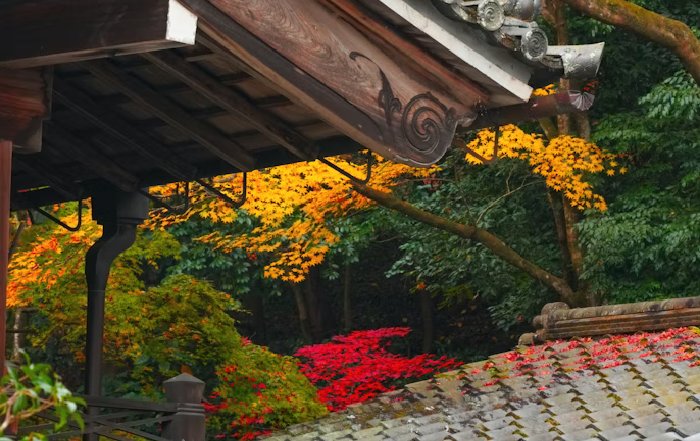
A Guide to Japanese Ryokans: Tradition, Comfort, and Strategic Travel Value
The Enduring Appeal of the Ryokan Experience
Ok as global travel resumes its steady growth and international visitors return to Japan in record numbers, the traditional Japanese ryokan stands out as one of the most distinctive forms of accommodation available to discerning travelers. Unlike standard hotels that emphasize uniformity and brand consistency, the ryokan offers an immersion into Japanese culture, design, and hospitality that is difficult to replicate elsewhere, and for the audience of WorldWeTravel.com, which values destinations, culture, wellness, and business-ready experiences, understanding how ryokans work has become essential travel knowledge rather than a niche curiosity.
A ryokan is more than a place to sleep; it is a curated environment where architecture, cuisine, etiquette, and landscape are orchestrated into a single, coherent experience, and where the relationship between host and guest follows the deeply rooted principles of omotenashi, the Japanese philosophy of anticipatory, unobtrusive service. For travelers planning itineraries across Japan's major hubs such as Tokyo, Kyoto, Osaka, Sapporo, Fukuoka, and regional destinations from Hokkaido to Okinawa, choosing when and how to incorporate a stay at a ryokan can change the tone of an entire trip, whether it is a family holiday, a corporate retreat, or a solo wellness journey. As more international guests research their options using digital resources, from Japan National Tourism Organization guidance to curated destination insights on WorldWeTravel's destinations hub, the ryokan has evolved into a strategic accommodation choice that combines cultural authenticity with modern expectations of comfort and connectivity.
Defining a Ryokan: Architecture, Atmosphere, and Ritual
A ryokan is traditionally a Japanese inn featuring tatami-matted rooms, sliding shoji or fusuma doors, low wooden furniture, and, in many cases, access to hot spring baths known as onsen. The architectural language of a ryokan is intentionally minimal yet warm, with natural materials such as wood, paper, and stone used to create a sense of calm and continuity with the surrounding environment, and this design ethos aligns closely with the broader aesthetic principles of wabi-sabi and Japanese garden culture described by institutions like The Metropolitan Museum of Art, where visitors can explore the roots of Japanese design to better understand the visual vocabulary they encounter on arrival.
Guests typically remove their shoes at the entrance and change into indoor slippers, a small but meaningful transition that signals a move from the outside world into a semi-private, contemplative space. Inside the room, futon bedding is laid directly on the tatami floor, usually prepared in the evening by staff while guests are at dinner, and the same room functions as a living and sleeping area, with low tables and zabuton cushions used for tea, reading, or work during the day. This dual-purpose layout is not only traditional; it also reflects a flexible approach to space that many architects and designers in Japan, including those profiled by ArchDaily, have helped popularize globally as travelers learn more about contemporary Japanese architecture and its roots in vernacular forms such as the ryokan.
For travelers accustomed to Western-style hotels, the absence of a large bed, thick carpeting, and heavy furniture can be disorienting at first, yet many seasoned visitors to Japan report better sleep quality on futons and a heightened sense of restfulness due to the uncluttered design and quiet surroundings. In 2026, as wellness and mental health continue to influence travel decisions, the ryokan's emphasis on simplicity, natural materials, and slow rhythms aligns directly with trends highlighted by organizations like the World Health Organization, where travelers can review current guidance on mental well-being and rest and see why such environments have become attractive to stressed professionals and families alike.
Regional Diversity: From Hokkaido to Kyushu and Beyond
Japan's geography and climate shape the ryokan experience in profound ways, and for travelers exploring multiple regions, understanding these differences is critical to designing an itinerary with variety and depth. In Hokkaido, where winters are long and snowy, ryokans often emphasize outdoor onsen framed by snow-covered landscapes, with cuisine built around seafood, dairy, and hearty local specialties. In contrast, ryokans in Kyoto focus on intimate gardens, refined kaiseki cuisine, and a sense of historical continuity that resonates with visitors familiar with the city's many temples and heritage sites, many of which are introduced by UNESCO as part of the Historic Monuments of Ancient Kyoto.
For travelers using WorldWeTravel's global travel insights on worldwetravel.com/global.html, the comparison between ryokan-rich regions in Japan and other heritage accommodations worldwide, such as riads in Morocco or pousadas in Portugal, highlights how regional climate, building materials, and local economies influence hospitality traditions. In Kyushu, for instance, volcanic activity has created some of Japan's most famous hot spring towns, including Beppu and Yufuin, where ryokans integrate geothermal bathing, local agriculture, and scenic mountain views into a single package that appeals both to domestic visitors and to international tourists from countries such as the United States, Germany, France, Australia, and Singapore.
Travelers planning multi-country itineraries across Asia can benefit from comparing regional hospitality norms using resources such as UNWTO's tourism data, where it is possible to review regional arrival trends and accommodation patterns and see how Japan's ryokan sector fits within broader patterns of experiential and cultural travel. For WorldWeTravel.com readers interested in destinations across Europe, North America, and emerging markets in Africa and South America, the ryokan offers a benchmark for what deeply rooted, place-specific hospitality can look like when it is allowed to evolve without losing its core identity.
Onsen Culture and Wellness: Health, Etiquette, and Comfort
One of the defining features of many ryokans is the presence of onsen baths, which draw on naturally heated, mineral-rich spring water regulated under Japan's strict hot spring laws. The experience of bathing in an onsen is both physical and cultural, involving specific etiquette that foreign travelers should understand before arrival. Guests typically wash thoroughly at shower stations before entering the communal bath, and most traditional onsen require full nudity, with small towels used only for modesty outside the water. Men and women usually bathe separately, although some ryokans offer private family baths or mixed-gender options.
The health benefits of hot spring bathing, such as improved circulation, muscle relaxation, and stress reduction, are widely discussed in Japanese medical and wellness literature, and international visitors can consult organizations like the National Institutes of Health to explore research on hydrotherapy and thermal bathing as part of broader wellness strategies. For travelers balancing demanding work schedules, jet lag, and cross-continental flights, the combination of hot spring bathing, quiet surroundings, and traditional meals can create a restorative break in the middle of an otherwise intense itinerary, a factor that many business travelers now consider when reviewing accommodation options, especially those planning longer stays in Japan or combining meetings in Tokyo or Osaka with short leisure segments.
In the post-pandemic era, hygiene and safety standards have become non-negotiable for international travelers, and ryokans have responded by reinforcing cleaning protocols, ventilation, and crowd management in communal areas. Health-conscious guests can cross-reference local conditions and public health advisories using resources such as the U.S. Centers for Disease Control and Prevention, where they can review travel health notices and country-specific guidance before confirming bookings. For those who prefer a more private wellness experience, many ryokans now offer rooms with attached open-air baths, allowing couples, families, or solo travelers to enjoy the benefits of hot springs without using shared facilities, a feature that aligns with the privacy expectations of travelers from countries such as the United Kingdom, Canada, and the Netherlands.
Kaiseki Dining: Culinary Art and Local Sourcing
A stay at a traditional ryokan is inseparable from its culinary component, and in many cases, the cost of the room includes elaborate dinner and breakfast services known as kaiseki ryori. This multi-course meal emphasizes seasonal, locally sourced ingredients, artful presentation, and a carefully choreographed sequence of dishes that reflect both regional identity and the chef's personal style. Guests may encounter sashimi, grilled fish, simmered vegetables, tempura, tofu, pickles, and rice, as well as specialty items such as wagyu beef, mountain vegetables, or local sake, all served in the intimacy of the guest room or a dedicated dining area.
For travelers seeking to understand Japanese food culture beyond sushi and ramen, kaiseki offers a structured introduction to flavor profiles, textures, and cooking techniques that have influenced chefs worldwide, including those recognized by organizations such as The World's 50 Best Restaurants, where readers can explore how Japanese culinary techniques shape global fine dining. The emphasis on seasonality aligns with broader sustainability and farm-to-table movements, and many ryokans now highlight their relationships with local farmers, fishers, and artisans, reflecting a commitment to regional economies that resonates with WorldWeTravel.com readers who follow global economic and sustainability trends via worldwetravel.com/economy.html.
Dietary restrictions and preferences, including vegetarian, vegan, halal, and gluten-free needs, are increasingly recognized by ryokans that cater to international guests; however, communication remains crucial, and travelers are advised to clarify requirements in advance. Organizations such as Japan National Tourism Organization (JNTO) provide multilingual resources to help visitors navigate dietary needs in Japan, and proactive planning can ensure that the ryokan dining experience remains both enjoyable and culturally authentic while accommodating health and religious considerations. For families traveling with children, simpler meal options can often be arranged, making the ryokan a viable choice for multi-generational trips that balance adult-focused culinary experiences with child-friendly dishes.
Business, Remote Work, and the Ryokan in 2026
The global shift toward hybrid work and flexible business travel has transformed how professionals think about accommodation, and ryokans, once associated primarily with leisure and domestic tourism, have begun to position themselves as venues for corporate retreats, executive offsites, and focused work sessions. While traditional ryokans may not offer the extensive meeting facilities of large convention hotels, many provide small conference rooms, high-speed internet, and quiet communal spaces suitable for workshops, strategy sessions, or creative brainstorming, and this positioning aligns with the interests of WorldWeTravel.com readers who explore business travel trends and work-life integration via worldwetravel.com/business.html and worldwetravel.com/work.html.
For remote workers and digital nomads, the ryokan can serve as a short-term retreat that combines productive workdays with restorative evenings in onsen and traditional surroundings, although it is important to recognize that not all ryokans are optimized for extended laptop use, with low tables and floor seating that may challenge ergonomic comfort over long sessions. Travelers can mitigate this by choosing properties that explicitly advertise business amenities or by alternating ryokan stays with more conventional hotels, a strategy that can be refined using comparative accommodation insights on WorldWeTravel's hotels section, where readers evaluate how different property types support their professional obligations.
From a corporate perspective, hosting a leadership retreat or client meeting at a ryokan can send a powerful signal about respect for Japanese culture and a commitment to meaningful engagement with local partners, especially for companies based in the United States, United Kingdom, Germany, or Singapore that maintain strategic operations in Japan. Organizations such as JETRO (Japan External Trade Organization) provide guidance on doing business in Japan, and for executives seeking to deepen relationships with Japanese counterparts, understanding the subtleties of ryokan etiquette, dining protocols, and gift-giving customs can enhance trust and rapport in ways that extend far beyond the stay itself.
Technology, Connectivity, and Modernization
In 2026, the intersection of tradition and technology is one of the defining features of Japan's broader hospitality landscape, and ryokans are no exception. While the core experience remains analog in many respects, with paper screens, handwritten welcome notes, and low-tech room layouts, most modern ryokans now offer robust Wi-Fi, digital booking systems, and online customer support in multiple languages. Travelers who follow technology and travel innovation through WorldWeTravel's technology channel will recognize that the ryokan sector has adopted digital tools selectively, focusing on areas that improve convenience without eroding the atmosphere of calm and disconnection that many guests seek.
Online platforms such as Japan's official tourism portal and global booking engines have made it easier for first-time visitors to compare ryokan options, read reviews, and understand pricing structures, yet some of the most traditional or exclusive properties still rely on more direct communication channels, reflecting a preference for curated bookings and personal introductions. Travelers who value privacy and bespoke service may find this reassuring, while those accustomed to instant online confirmation should be prepared for slightly more complex reservation processes, especially when dealing with high-end ryokans in Kyoto, Hakone, or Ise-Shima.
The integration of technology also extends to sustainability, with many ryokans adopting energy-efficient systems, smart climate control, and digital monitoring of water usage to align with national and international climate goals. Organizations such as the International Energy Agency offer insights into energy efficiency trends in buildings, and for environmentally conscious travelers, these efforts underscore the compatibility of heritage hospitality with modern sustainability imperatives. Guests interested in eco-conscious travel can deepen their understanding of these themes through WorldWeTravel's eco and sustainability section, where ryokans often feature as exemplary models of low-impact, culturally grounded accommodation.
Family Travel, Culture, and Intergenerational Learning
For families traveling to Japan from Canada, Australia, the United States, or European countries such as France, Italy, and Spain, a ryokan stay can become one of the most memorable components of a trip, offering children and teenagers a tangible introduction to Japanese customs that goes beyond museums and city sightseeing. Sleeping on futons, wearing yukata robes, and participating in shared meals and baths can create shared experiences that families discuss long after returning home, and this aligns with the interests of WorldWeTravel.com readers who look for meaningful family experiences via worldwetravel.com/family.html.
Parents should, however, choose properties that explicitly welcome children, as some high-end or very traditional ryokans prioritize a quiet, adult-oriented atmosphere and may limit bookings for younger guests. When properly selected, a family-friendly ryokan can offer spacious rooms, flexible dining options, and private baths that make it easier to manage different ages and comfort levels. Cultural institutions such as The British Museum provide educational resources that help families explore Japanese history and art before their trip, enabling parents and children to contextualize what they see and experience during their stay, from calligraphy in the lobby to seasonal flower arrangements and regional crafts.
For intergenerational groups, including grandparents and older relatives, considerations such as mobility, bathing preferences, and dietary needs become even more important. Some ryokans feature Western-style beds in addition to futons, elevators instead of only stairs, and barrier-free baths designed for guests with limited mobility, reflecting a broader trend toward inclusive design. Families can cross-check these features via direct communication with the property and by consulting practical travel advice on WorldWeTravel's tips hub, ensuring that the chosen ryokan aligns with the physical and cultural comfort levels of all members of the group.
Retreats, Mindfulness, and the Ryokan as Sanctuary
Beyond standard leisure and business travel, ryokans have increasingly positioned themselves as venues for retreats focused on mindfulness, creative work, or physical wellness, especially in regions with strong natural landscapes such as the Japanese Alps, Tohoku, and the islands of Shikoku and Okinawa. Writers, artists, and entrepreneurs from countries like Sweden, Norway, Denmark, and New Zealand are drawn to these environments for their quiet, slow pace, and limited digital distractions, and the ryokan's structured routines-set meal times, bathing rituals, and early nights-can support focused work and mental reset in ways that urban hotels may not.
The global rise of wellness tourism, documented by organizations such as the Global Wellness Institute, where travelers can review data on wellness travel trends, has intersected with Japan's own traditions of meditation, tea ceremony, and nature appreciation, making the ryokan a natural anchor point for retreats that combine physical rest with introspection. For WorldWeTravel.com readers exploring wellness and retreat options worldwide via worldwetravel.com/retreat.html, Japanese ryokans offer a compelling alternative to spa resorts in Europe or beach retreats in Southeast Asia, providing a structured yet gentle environment for personal reset.
Mindfulness practices, whether rooted in Zen Buddhism, Shinto nature worship, or secular approaches to mental clarity, find a supportive backdrop in ryokan gardens, tatami rooms, and quiet corridors. Travelers interested in the health implications of such practices can consult organizations like Harvard Medical School, where they can learn more about the benefits of mindfulness and meditation. For individuals navigating demanding careers, family responsibilities, and global mobility, a carefully chosen ryokan stay can function as a short but meaningful intervention in long-term well-being.
Practical Considerations: Booking, Budget, and Etiquette
For many international travelers, the most challenging aspect of incorporating a ryokan into their itinerary is not interest but logistics. Pricing structures can be confusing at first glance, as rates often include dinner and breakfast, and seasonal variations are significant, with peak times during cherry blossom season, autumn foliage, and major holidays such as Golden Week and New Year. Planning ahead, especially for popular regions like Kyoto, Hakone, and Kanazawa, is essential, and travelers can use a combination of official tourism sites, global booking platforms, and curated resources on WorldWeTravel's travel overview page to compare options and understand what is included in each rate.
Etiquette is another key consideration, and while ryokan staff are typically gracious and understanding with foreign guests, a basic grasp of customs enhances mutual comfort. Guests should arrive within the designated check-in window, as dinner is often served at a fixed time; they should handle yukata robes, towels, and room amenities respectfully; and they should observe quiet hours to maintain the tranquil atmosphere. Resources such as Japan Guide provide detailed introductions to ryokan etiquette and customs, and reviewing these guidelines before arrival can make the experience smoother and more rewarding.
Budget-wise, ryokans range from modest, family-run inns to ultra-luxury properties that rival five-star hotels in price and exclusivity. Travelers can align their choices with their broader financial strategy for a trip by consulting macroeconomic and currency information from institutions like the International Monetary Fund, where they can track exchange rate trends and economic outlooks that may influence travel budgets. For many visitors, a single night at a mid-range or high-end ryokan, balanced with more conventional hotels elsewhere, offers the optimal combination of cultural immersion and financial prudence, a strategy that can be refined using cross-category insights on WorldWeTravel's main portal.
Ryokans in a Global Travel Landscape
As of 2026, Japanese ryokans occupy a distinctive position within the global hospitality ecosystem, standing at the intersection of heritage, wellness, design, and experiential travel. For the international connected and respected audience of WorldWeTravel.com, whose content interests jumps around destinations, family travel, business needs, eco-conscious choices, and cultural depth across regions from North America and Europe to Asia, Africa, and South America, understanding ryokans is not simply about adding an exotic element to an itinerary; it is about recognizing how accommodation itself can become a core part of the travel narrative.
In a world where standardized hotel experiences are available in almost every major city, the ryokan offers something fundamentally different: a carefully maintained continuity with local history and landscape, combined with a willingness to adapt selectively to modern expectations of comfort, connectivity, and inclusivity. Whether approached as a family adventure, a corporate retreat, a wellness escape, or a cultural deep dive, a well-chosen ryokan stay can anchor a journey through Japan with memories that extend far beyond the physical space, reinforcing the broader mission of WorldWeTravel.com to connect travelers with new content experiences that are not only enjoyable but also meaningful, informed, and enduring.