

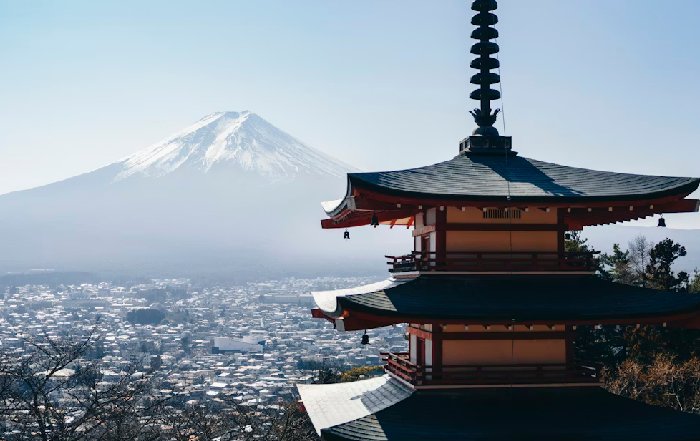
The Art of Slow Travel in Japan: A New Guide for Global Professionals
Slow Travel as a Strategic Choice in a Hyper-Connected World
As global business leaders, remote professionals, and frequent flyers recalibrate their relationship with time, the concept of slow travel has evolved from a niche philosophy into a strategic lifestyle choice. Nowhere does this approach reveal its full potential more clearly than in Japan, where centuries-old traditions of contemplation, craftsmanship, and hospitality intersect with some of the world's most advanced technology infrastructures. For the international audience of WorldWeTravel.com, which spans corporate travelers, families, digital nomads, and sustainability-minded explorers from the United States, United Kingdom, Germany, Canada, Australia, France, Italy, Spain, Netherlands, Switzerland, China, and beyond, slow travel in Japan offers more than a vacation; it provides a framework for better decision-making, deeper cultural understanding, and healthier work-life integration.
As organizations reexamine travel budgets and carbon footprints, and as professionals seek destinations that support both productivity and wellbeing, the slow travel model aligns closely with emerging global trends. Readers exploring global travel trends and economic shifts increasingly recognize that extending a trip, focusing on fewer locations, and embedding into local rhythms can create greater long-term value than a series of rushed, transactional visits. Japan, with its combination of efficient transport networks, rich regional diversity, and strong safety record, has become a preferred laboratory for this new way of moving through the world.
Understanding Slow Travel in the Japanese Context
Slow travel is often described as staying longer, moving less, and engaging more; in the Japanese context, it also means approaching travel with the same intentionality that underpins concepts such as ikigai (a sense of purpose), omotenashi (deep hospitality), and mono no aware (an awareness of impermanence). Rather than attempting to "do" Tokyo, Kyoto, and Osaka in a single frantic week, slow travelers deliberately narrow their itineraries, sometimes basing themselves in one region for an extended period and using it as a hub for local exploration. This approach encourages visitors to explore curated destination insights that emphasize depth over breadth.
Japan's regional diversity makes this strategy particularly rewarding. From the coastal towns of the Seto Inland Sea to the forests of Nagano, the islands of Okinawa, and the art-rich communities of Naoshima and Teshima, each area offers distinct culinary traditions, dialects, crafts, and seasonal festivals. By slowing down, travelers gain the time to understand how a small sake brewery in Niigata, a family-run ryokan in Ishikawa, or a community-led eco-project in Shikoku fits into the broader story of Japan's demographic shifts, rural revitalization, and post-pandemic tourism strategies. For those managing international teams, this deeper understanding can translate into more informed cross-cultural collaboration and more nuanced market insights, particularly in sectors like hospitality, retail, and technology.
For a foundational understanding of Japan's culture and its regional contrasts, many travelers combine local experiences with background reading from resources such as the Japan National Tourism Organization at japan.travel and cultural analyses from institutions like the Asia Society at asiasociety.org. These sources, combined with on-the-ground experiences and the curated perspectives of WorldWeTravel's culture coverage, help slow travelers frame what they see not as isolated attractions but as part of a larger societal narrative.
Designing a Slow Travel Itinerary for Japan's Key Regions
A slow travel itinerary in Japan often begins by choosing one or two anchor regions rather than attempting to cover the entire archipelago. For many international visitors, starting in Tokyo or Osaka is inevitable due to flight connections, but the slow traveler quickly moves from treating these cities as checklists of landmarks to viewing them as living ecosystems. In Tokyo, this might mean spending several days in a single neighborhood such as Shimokitazawa, Kagurazaka, or Kiyosumi-Shirakawa, observing the interplay between independent businesses, residential life, and urban green spaces rather than rushing from Shibuya Crossing to Asakusa and back. Business travelers who extend their stays often find that this neighborhood-based approach supports both productivity and recuperation, particularly when combined with access to quiet cafés, co-working spaces, and well-connected transit.
From these major hubs, slow travelers can plan multi-day stays in regions aligned with their interests. Those drawn to traditional craftsmanship and historical architecture may base themselves in Kyoto, Kanazawa, or Takayama, while travelers prioritizing nature and wellness might choose Hakone, Kusatsu, or Yakushima. Families planning intergenerational trips can consult WorldWeTravel's family travel guidance to identify destinations that balance cultural immersion with accessibility and child-friendly amenities. Meanwhile, remote professionals and corporate teams increasingly design "workations" in areas like Karuizawa and Fukuoka, where strong digital infrastructure and comfortable accommodations make extended stays practical.
To make informed regional choices, travelers often review practical information from Japan Guide at japan-guide.com and transportation details from JR Group via japanrailpass.net, then layer on more experiential content from WorldWeTravel's travel section. Combining these perspectives enables them to design itineraries that respect local capacity, avoid overtouristed hotspots at peak times, and align with personal or corporate sustainability commitments.
Business, Work, and the Rise of the Japanese "Workation"
The shift to hybrid and remote work models has made Japan an increasingly attractive base for extended professional stays, especially for visitors from Singapore, South Korea, Denmark, Sweden, Norway, and other digitally advanced economies. The Japanese government and regional authorities have actively promoted "workation" programs, encouraging professionals to spend weeks or months in less congested regions while maintaining full connectivity to their global teams. For the business-oriented readers of WorldWeTravel's work and business channels, slow travel intersects with strategic considerations such as talent retention, burnout prevention, and innovation culture.
Professionals choosing Japan for workations typically prioritize destinations with reliable high-speed internet, comfortable long-stay accommodation, and convenient access to both nature and urban centers. Cities like Fukuoka and Sapporo, as well as regions like Nagano and Shizuoka, have positioned themselves as remote work hubs, offering co-working spaces, multilingual support services, and in some cases local incentive programs. Organizations that encourage employees to adopt slow travel workations in Japan often report increased creativity, improved mental health, and stronger cross-cultural fluency, particularly when employees are encouraged to integrate local experiences such as language classes, volunteer activities, or traditional arts workshops into their schedules.
For corporate decision-makers evaluating such programs, resources from organizations like the OECD at oecd.org and the World Economic Forum at weforum.org provide broader context on the future of work and the economic impact of distributed teams. At the same time, practical advice on structuring workations, managing time zones, and ensuring compliance with local regulations can be found through professional networks and curated insights in WorldWeTravel's work-focused coverage, which increasingly highlight Japan as a case study in combining productivity with immersive cultural experience.
Hospitality, Ryokan Culture, and the Slow Hotel Experience
Slow travel in Japan naturally leads to a reconsideration of where and how to stay. While international hotel brands in Tokyo, Osaka, and Yokohama offer familiar comforts and loyalty programs, the heart of the slow travel experience often lies in smaller-scale accommodations, particularly traditional ryokan and minshuku. These family-run or locally managed properties, found in regions such as Hakone, Yufuin, Kinosaki Onsen, and the Japanese Alps, provide an immersive introduction to Japanese hospitality, from multi-course kaiseki dinners to communal onsen bathing and meticulously prepared breakfasts. For readers exploring hotel and accommodation strategies, understanding the ryokan model is essential to designing a truly local experience.
Ryokan stays demand a different pace and mindset. Guests are encouraged to arrive early, ideally in the afternoon, to enjoy the full arc of the experience: changing into yukata, bathing before dinner, savoring seasonal dishes that showcase local ingredients, and rising early to repeat the bathing ritual before breakfast. This sequence naturally slows the traveler's tempo and creates space for reflection. For business travelers accustomed to back-to-back meetings and late-night emails, the enforced rhythm of a ryokan stay can be a powerful reset, particularly when integrated into a longer itinerary that includes more conventional hotels for workdays.
International visitors can deepen their understanding of Japanese hospitality standards and safety protocols by referencing organizations such as the Japan Hotel Association at j-hotel.or.jp and reviewing health and travel advisories from bodies like the World Health Organization at who.int. Combined with destination-specific insights from WorldWeTravel's hotel and retreat coverage, these resources help travelers select accommodations that align with their expectations around service, privacy, wellness, and cultural authenticity.
Health, Wellbeing, and the Onsen-Centered Lifestyle
Slow travel in Japan is closely linked to wellbeing, both physical and mental. The country's extensive network of hot spring resorts, or onsen towns, provides natural focal points for restorative travel, particularly for visitors from high-stress professional environments in North America, Europe, and Asia-Pacific. Towns such as Beppu, Noboribetsu, Gero, and Kurokawa Onsen invite guests to spend multiple days soaking, walking, and eating locally sourced food, often in settings where digital distractions are minimized. For readers focused on health-conscious travel, these destinations illustrate how traditional practices can support modern wellness goals.
The health benefits of hot springs have been studied in various contexts, with research suggesting potential advantages for circulation, muscle relaxation, and stress reduction, though outcomes vary by individual and water composition. Institutions like the National Institutes of Health at nih.gov and the Mayo Clinic at mayoclinic.org offer general perspectives on hydrotherapy and stress management that can help travelers make informed decisions about onsen use, especially if they have pre-existing conditions. At the same time, the psychological benefits of stepping out of routine, spending time in nature, and engaging in unhurried rituals are widely recognized in contemporary psychology and organizational behavior.
For slow travelers, integrating wellness into their Japanese itinerary does not require an exclusive focus on onsen towns. Urban parks such as Shinjuku Gyoen in Tokyo, Nara Park with its historic temples and deer, and the riverside paths of Kyoto's Kamogawa also provide daily opportunities for walking, reflection, and light exercise. By intentionally scheduling unscripted time for these activities, travelers can maintain energy levels, support immune function, and return to their professional responsibilities with renewed clarity and focus.
Technology, Connectivity, and the Infrastructure of Slowness
Japan's appeal for slow travelers is amplified by its robust technology and transport infrastructure, which paradoxically supports a slower, more deliberate style of movement. The Shinkansen network allows travelers to move quickly between regions and then slow down once they arrive, while local trains, buses, and ferries provide access to rural areas without requiring car rentals. For readers exploring technology's role in global travel, Japan demonstrates how high-speed connectivity and digital services can coexist with, and even enable, analog experiences.
From a practical perspective, slow travelers rely on tools such as eSIMs, mobile Wi-Fi routers, and transit apps to stay connected while maintaining a flexible itinerary. Digital platforms from companies like JR East, ANA, and JAL allow for efficient booking and rebooking, while mapping and translation tools reduce friction in navigating non-English-speaking areas. At the same time, many slow travelers deliberately limit their screen time, using technology primarily for logistics, safety, and essential communication while allowing themselves to be more present in their surroundings.
Organizations tracking digital infrastructure, such as the International Telecommunication Union at itu.int and the World Bank at worldbank.org, provide comparative data that help global professionals understand why Japan consistently ranks as a favorable environment for remote work and digital nomadism. This strong foundation allows visitors to adopt a slower rhythm without sacrificing professional commitments, making Japan a compelling choice for those who want to blend extended stays with ongoing work.
Sustainability, Local Economies, and the Ethics of Slow Travel
Slow travel in Japan is not only a personal choice; it also carries significant implications for local economies and the environment. By staying longer in fewer places, travelers can reduce the carbon intensity of their trips, support smaller businesses, and avoid contributing to overcrowding in fragile destinations. For the sustainability-minded audience of WorldWeTravel's eco-focused coverage, Japan offers numerous examples of community-driven tourism initiatives, from rural guesthouses in Tohoku to art islands in the Seto Inland Sea that emphasize low-impact, high-value visitation.
Global frameworks from organizations like the United Nations World Tourism Organization at unwto.org and the United Nations Environment Programme at unep.org underscore the importance of aligning tourism with climate goals, biodiversity protection, and social equity. In Japan, this alignment often takes the form of programs that encourage visitors to use public transportation, participate in local festivals respectfully, purchase regional crafts directly from artisans, and explore lesser-known areas that benefit from diversified tourism flows. Travelers who wish to learn more about sustainable business practices can also look to institutions such as the Harvard Business School at hbs.edu, which analyze how companies can integrate sustainability into their travel policies and partner with responsible suppliers.
By choosing slow travel, visitors help distribute economic benefits more evenly, particularly in regions facing depopulation and aging demographics. Long-stay guests are more likely to frequent neighborhood cafés, independent bookstores, and local markets, building relationships that transform them from anonymous tourists into recognized members of the community, even if only temporarily. For business leaders, these relationships can lead to new partnerships, market insights, and innovation opportunities that would be impossible to access during a brief, transactional visit.
Practical Strategies and Cultural Intelligence for Slow Travelers
Effective slow travel in Japan requires a blend of planning and openness. Travelers benefit from understanding basic etiquette, such as the importance of punctuality, quiet behavior on public transport, and respect for religious sites, as well as more nuanced cultural norms around hierarchy, indirect communication, and group harmony. Resources from organizations like BBC Travel at bbc.com/travel and Lonely Planet at lonelyplanet.com provide accessible introductions to these topics, while more specialized intercultural training materials are available through corporate learning providers and academic institutions.
In practice, slow travelers often adopt a few core strategies: limiting the number of bases to two or three locations over a two-week period; scheduling "white space" days with no fixed agenda; learning key Japanese phrases to facilitate everyday interactions; and using local services such as community centers, libraries, and small museums as anchors for daily life. For families, integrating educational elements-such as visits to science museums, historic sites, and nature reserves-can transform a trip into a living classroom, a theme explored in depth in WorldWeTravel's family-focused guidance. For professionals, aligning slow travel with quarterly planning cycles or sabbatical programs can turn a personal journey into a structured opportunity for reflection and strategic thinking.
Readers seeking actionable frameworks, packing strategies, and on-the-ground navigation advice can explore WorldWeTravel's practical tips section, which increasingly incorporates case studies from Japan and other destinations where slow travel is gaining momentum. As more travelers share their experiences, best practices continue to evolve, from how to balance digital detox with necessary connectivity to how to set boundaries that protect both personal time and local communities.
Japan, Slow Travel, and the Future of Global Mobility
By 2026, slow travel in Japan has moved beyond trend status to become a meaningful component of how global citizens think about mobility, work, and wellbeing. For the diverse readership of WorldWeTravel.com, which spans multiple continents and professional sectors, Japan serves as both a destination and a model: a place where advanced infrastructure, deep cultural heritage, and strong safety standards enable travelers to move more slowly without sacrificing efficiency or ambition. Whether a reader is a senior executive from Switzerland planning a reflective retreat in Kyoto, a software engineer from India designing a two-month workation in Fukuoka, a family from Brazil exploring rural Nagano, or a sustainability consultant from New Zealand studying community-led tourism in Shikoku, the principles of slow travel offer a way to derive greater value-from a human, economic, and environmental perspective-from every journey.
As organizations refine their travel policies, many are beginning to prioritize fewer, longer trips, encourage employees to combine business and leisure responsibly, and partner with suppliers who share their commitment to sustainability and cultural respect. Japan's evolving tourism landscape, supported by national and regional initiatives, provides fertile ground for these experiments. For those looking to align personal aspirations with corporate objectives, the country's blend of tradition and innovation illustrates how travel can be both a catalyst for growth and a vehicle for balance.
WorldWeTravel.com, with its integrated independent thinking media of destinations, economy, technology, culture, and travel strategies, continues to track how slow travel in Japan reshapes expectations across the global travel ecosystem. As readers plan their next journey-whether for work, family, or personal renewal-Japan invites them to consider not only where they will go, but how they will move, how they will connect, and how they will return home changed by the deliberate art of traveling slowly.