

Global Festivals: Immersive Experiences for the Modern Traveller
Experiencing global festivals in 2026 offers business leaders, families, and independent travellers a strategic and deeply human way to understand how societies express identity, manage change, and build community. For the team at WorldWeTravel.com, these celebrations are not simply spectacular events to photograph; they are living case studies in culture, economics, technology, sustainability, and wellbeing, unfolding in real time across continents. As travel resumes at full scale after years of disruption, festivals from India to Brazil and from Spain to Japan are evolving, integrating digital tools, environmental standards, and new expectations around safety and inclusion, while still preserving the traditions that make them distinctive. For globally minded professionals and families planning their next journeys, these festivals provide a powerful framework to connect leisure with learning, personal enrichment with business insight, and adventure with responsibility.
In 2026, the most successful travellers are approaching festivals with the same diligence they apply to business decisions: understanding local regulations, monitoring global health guidance, assessing economic impact, and planning logistics with precision. At WorldWeTravel.com, editorial teams and destination specialists increasingly see festivals as focal points around which to design integrated itineraries that combine cultural immersion, executive retreats, family experiences, and sustainable exploration. Travellers who consult resources such as our dedicated destinations hub and travel insights section are better positioned to turn a single festival visit into a multi-layered journey spanning regional culture, nature, cuisine, and business networking opportunities.
Holi, India: Color, Community, and a New Era of Responsible Celebration
Holi, India's famed "Festival of Colors," remains one of the most vivid expressions of joy and social equality anywhere in the world, and by 2026 it has also become a touchstone for responsible cultural tourism. Celebrated each March, Holi marks the arrival of spring and the symbolic victory of good over evil, yet for many international visitors it is also an introduction to India's complex social fabric, where barriers of age, class, and profession seem to dissolve in clouds of colored powder. Travellers who plan thoughtfully discover that Holi is not just a single day of revelry, but a sequence of rituals, from the Holika Dahan bonfires to temple visits and family gatherings, that reveal how tradition and modernity coexist in Indian life and business.
For global families and executives alike, Holi has become a preferred anchor for itineraries that combine festival participation with visits to emerging technology hubs, wellness retreats, and heritage sites. Those seeking a holistic view of India's transformation often combine Holi in cities such as Jaipur, Delhi, or Mathura with meetings in Bengaluru's innovation corridors, or with Ayurvedic wellness stays that align with global interest in preventive health and wellbeing. The Ministry of Tourism, Government of India provides up-to-date guidance on regional celebrations and best practices for visitors, and travellers increasingly consult the official Incredible India portal to align their plans with local customs and safety recommendations.
In parallel, Holi has become a case study in sustainable tourism. Many cities now promote herbal and eco-friendly colors, encourage water conservation, and work with hospitality partners to reduce waste. Travellers who wish to align their values with their experiences can learn more about sustainable business practices through organizations like the United Nations World Tourism Organization, whose resources on responsible travel help shape how corporates and individuals structure their festival journeys. At WorldWeTravel.com, our eco travel section increasingly highlights Indian operators who blend cultural authenticity with environmental stewardship, allowing visitors to experience Holi as an inspiring, ethical, and insight-rich encounter.
Carnival in Rio de Janeiro, Brazil: Creativity, Economy, and Community in Motion
The Carnival of Rio de Janeiro continues in 2026 to be one of the world's most influential cultural events, combining artistic excellence, community identity, and significant economic impact. Held annually before Lent, Carnival's samba parades, neighborhood blocos, and citywide celebrations showcase the extraordinary creative capacity of Rio's samba schools, which operate as community institutions, training centers, and cultural incubators throughout the year. For many international travellers, Carnival is their first exposure to how Brazilian communities mobilize artistic expression to address themes ranging from social justice to national pride.
From a business and economic perspective, Carnival offers a live demonstration of how major events drive employment, tourism revenue, and urban infrastructure investment. The Brazilian Tourism Board and the City of Rio de Janeiro publish regular analyses on visitor numbers, hotel occupancy, and spending patterns, which global executives use to benchmark event-driven city strategies. Those planning to attend can consult the official Rio tourism portal for updated schedules, security guidelines, and recommendations on how to engage respectfully with local communities during both formal parades and informal street parties.
For travellers designing complex itineraries, Carnival can serve as the centerpiece of a broader exploration of South American markets and cultures. Many visitors now integrate Rio with visits to São Paulo's financial district, eco-tours in the Amazon, or wine and tech hubs in Chile and Argentina, building a multi-country view of the region's evolving business landscape. At WorldWeTravel.com, the global travel and business travel sections and business insights hub increasingly feature case studies on how Carnival's organizational models and community-led creativity offer lessons for leadership, branding, and team culture worldwide.
Oktoberfest, Germany: Tradition, Hospitality, and Precision Planning
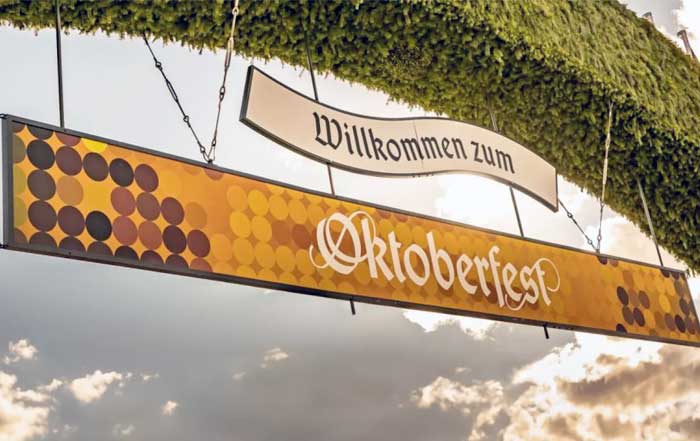
Oktoberfest in Munich, which continues to attract millions of visitors each autumn, represents a distinctive fusion of Bavarian tradition, world-class hospitality, and German organizational precision. Originating in 1810, the festival has evolved into an internationally recognized showcase of regional culture, where traditional breweries, music, and cuisine are presented at scale, yet with remarkable attention to detail. For business travellers and corporate groups, Oktoberfest has become a preferred setting for client hospitality, team-building, and informal networking, particularly among European and transatlantic partners.
By 2026, digital tools and sustainability standards have reshaped how visitors experience Oktoberfest. The City of Munich and the Official Oktoberfest organizers have introduced more sophisticated crowd management technologies, mobile booking systems, and environmental initiatives aimed at reducing waste and energy consumption. Travellers who wish to understand these innovations can explore resources from the German National Tourist Board, which highlights how the country's events sector integrates technology and green practices. Those planning their stay benefit from early reservation of accommodation through specialized platforms and by consulting hotel-focused content on WorldWeTravel.com, where editors track emerging hospitality trends in Munich and other major German cities.
For families and cultural travellers, Oktoberfest offers far more than beer tents. Traditional costume parades, fairground attractions, and regional music performances create an environment where generations come together, making it an appealing option for multi-generational trips. Combining Oktoberfest with visits to Munich's museums, the Bavarian Alps, or nearby innovation hubs such as Munich's technology clusters allows travellers to experience both heritage and cutting-edge industry, reflecting Germany's broader role in the European economy. Those interested in the macroeconomic context can deepen their understanding through institutions such as the European Central Bank, which provides data and analysis on regional economic trends that shape travel and hospitality demand.
La Tomatina, Spain: Play, Logistics, and Local Governance
La Tomatina in Buñol, Spain, remains one of the world's most unconventional festivals, transforming a small town into the stage for a massive tomato-throwing event each August. While the spectacle is playful and seemingly chaotic, by 2026 the festival also exemplifies how local governments manage capacity, safety, and environmental concerns in the face of global attention. Participation is now tightly regulated through ticketing systems, crowd controls, and coordinated clean-up operations, turning La Tomatina into a sophisticated exercise in event logistics and municipal planning.
For travellers, the experience is both light-hearted and instructive. Understanding how a community of modest size receives thousands of visitors in a single day offers insights into resilience, governance, and the economic impact of niche tourism. The Valencian regional authorities and the Buñol town council provide official guidance on permits, transport, and safety, which are essential reading for visitors who want to participate responsibly. Those seeking to combine La Tomatina with broader Spanish cultural experiences often design itineraries that include Valencia, Barcelona, and Madrid, accessing high-speed rail networks and exploring Spain's diverse culinary and artistic landscapes.
From a sustainability standpoint, La Tomatina has prompted ongoing debate about food use, water consumption, and waste management. In response, local authorities have implemented measures to ensure that the tomatoes used are already unfit for consumption and that water usage is optimized during cleanup. Travellers interested in the intersection of culture and environmental responsibility can explore best-practice frameworks from organizations like the UN Environment Programme, and then apply those insights when choosing operators and accommodations. At WorldWeTravel.com, editorial coverage in the tips and planning section increasingly emphasizes preparation for high-intensity events like La Tomatina, from appropriate clothing and health precautions to ethical considerations.
Lantern Festival, China: Light, Heritage, and Urban Futures
China's Lantern Festival, which marks the close of Lunar New Year celebrations, continues in 2026 to illuminate cities and towns with intricate lantern displays, cultural performances, and family gatherings. For international travellers, it offers a refined and contemplative contrast to more exuberant festivals, highlighting aesthetics, symbolism, and intergenerational connection. Lanterns bearing riddles, historical motifs, and aspirational messages create a visual narrative of China's evolving identity, linking ancient cosmology with contemporary aspirations in technology, urbanization, and global engagement.
Key urban centers such as Beijing, Shanghai, Guangzhou, and Xi'an now integrate Lantern Festival programming into broader initiatives around night-time economies, smart city lighting, and cultural tourism. Organisations like China's Ministry of Culture and Tourism and municipal cultural bureaus provide curated routes, museum tie-ins, and performance schedules, which help visitors experience the festival as part of a larger story about China's modernization. Those interested in the country's technological trajectory can complement festival visits with time in innovation zones and financial districts, using resources from the World Bank and OECD to contextualize China's role in the global economy.
Families and wellness-oriented travellers often find the Lantern Festival particularly appealing because it emphasizes reflection, harmony, and culinary traditions such as tangyuan, the sweet rice dumplings symbolizing unity. At WorldWeTravel.com, editorial teams frequently recommend combining the Lantern Festival with cultural and wellness retreats, drawing on our retreat and wellness content to design journeys that balance urban intensity with restorative experiences in regions such as Guilin or Yunnan. This integrated approach enables travellers to see the Lantern Festival not only as a visual spectacle but as an entry point into Chinese philosophies of balance, family, and long-term planning.
Mardi Gras, New Orleans, USA: Identity, Resilience, and Creative Economies
Mardi Gras in New Orleans has, by 2026, solidified its status as a global reference point for how cities use cultural heritage to drive resilience and economic renewal. Rooted in French and Creole traditions, the festival extends over weeks of parades, music, and community events, culminating on Fat Tuesday. For international visitors, Mardi Gras offers a unique opportunity to observe how New Orleans krewes, neighborhood organizations, and artists collaborate to sustain a complex cultural ecosystem that has survived natural disasters, economic shocks, and public health crises.
From a business and policy perspective, Mardi Gras is closely studied for its role in supporting the city's hospitality, music, and creative industries. The New Orleans & Company tourism organization and the Louisiana Office of Cultural Development provide insights into how festival-related activities generate employment, foster small business growth, and preserve intangible heritage. Visitors planning to attend can also consult the U.S. Centers for Disease Control and Prevention for the latest public health guidance, reflecting a post-pandemic travel environment in which safety protocols remain an integral part of event planning.
For travellers who engage deeply with the city, Mardi Gras becomes more than a party; it is an extended lesson in American regional culture, race relations, and the economics of tourism. Many visitors now design itineraries that include civil rights museums, jazz heritage tours, and culinary experiences, using resources like the Smithsonian Institution and National Park Service to better understand the historical context of what they see on the streets. At WorldWeTravel.com, our culture and work sections and work and lifestyle hub increasingly highlight New Orleans as a destination where remote professionals, creative teams, and families can blend festival experiences with learning, collaboration, and reflection.
Diwali, India: Light, Finance, and Global Indian Networks
Diwali, the "Festival of Lights," remains in 2026 a central event not only in India but across the global Indian diaspora, from the United Kingdom and Canada to Singapore and the United States. For travellers, Diwali provides an unparalleled window into how spiritual narratives, family structures, and economic aspirations intersect in contemporary Indian life. Homes and streets illuminated by lamps and lanterns, fireworks displays, and temple ceremonies create an atmosphere of renewal and optimism, while the festival's association with Lakshmi, the goddess of prosperity, aligns closely with financial planning and business cycles in many sectors.
International visitors who time their travel to coincide with Diwali gain access to both intimate family rituals and large-scale public events, though they must also plan carefully around holiday closures and peak travel demand. The Reserve Bank of India, financial institutions, and corporate calendars often align product launches, investment cycles, and marketing campaigns with the Diwali season, making it a critical period for understanding consumer behavior in one of the world's fastest-growing markets. Those interested in the global footprint of Diwali can explore how cities such as London, Toronto, and Singapore host their own celebrations, supported by organizations like VisitBritain and Destination Canada, which highlight multicultural festivals as key pillars of their tourism strategies.
At WorldWeTravel.com, Diwali coverage often bridges cultural and economic perspectives, guiding readers to consider how festival travel can double as an opportunity for market research, professional networking, or diaspora engagement. Our economy and markets section frequently references Diwali when discussing seasonal patterns in retail, travel, and hospitality, while our family travel hub emphasizes the festival's suitability for intergenerational trips centered on storytelling, values, and shared experiences.
Songkran, Thailand: Renewal, Wellness, and Regional Connectivity
Songkran, Thailand's water-soaked New Year celebration each April, has in 2026 become a flagship event for Southeast Asia's tourism recovery and regional integration. While widely known for exuberant water fights in Bangkok, Chiang Mai, and Phuket, Songkran is at its core a festival of purification, respect for elders, and spiritual renewal. Mornings devoted to temple visits, merit-making, and gentle water-pouring rituals contrast with afternoons of street-level celebration, offering travellers a nuanced view of Thai society's balance between reverence and play.
For wellness-focused travellers and corporate retreat planners, Songkran presents a compelling opportunity to combine cultural immersion with health-oriented experiences. Thailand's leadership in wellness tourism, supported by organizations like the Tourism Authority of Thailand and the Global Wellness Institute, has led to the development of retreats that integrate meditation, spa therapies, and nutritional programs with festival participation. Visitors can deepen their understanding of holistic wellbeing by combining Songkran with stays in wellness resorts and by consulting resources in WorldWeTravel.com's health and retreat sections and retreat hub, which profile programs across Asia.
From a regional perspective, Songkran also symbolizes the growing connectivity of Southeast Asia. Many travellers now design multi-country itineraries that link Thailand with neighboring destinations such as Singapore, Malaysia, and Vietnam, leveraging improved air routes and digital visa systems. Institutions like the Association of Southeast Asian Nations (ASEAN) provide background on regional integration efforts that make such travel more seamless. For globally mobile professionals, Songkran can thus serve as both a cultural highlight and a gateway to exploring emerging markets and business ecosystems across the broader Asian region.
St. Patrick's Day, Ireland: Soft Power, Diaspora, and Global Branding
St. Patrick's Day, celebrated each March 17, has by 2026 evolved into one of the world's most successful examples of national branding, projecting Irish culture and identity across continents. While parades and festivities take place worldwide, experiencing the celebration in Ireland itself offers a deeper understanding of how a small nation leverages history, storytelling, and diaspora networks to achieve outsized cultural influence. Cities such as Dublin, Cork, and Galway host multi-day festivals featuring traditional music, contemporary arts, and educational programs that reveal the complexity behind the familiar green imagery.
For business travellers and policy observers, St. Patrick's Day provides a lens into Ireland's strategic use of culture in attracting investment, talent, and tourism. Organizations like Tourism Ireland and the Industrial Development Authority (IDA) Ireland often coordinate messaging around the festival period, emphasizing the country's strengths in technology, pharmaceuticals, and financial services. Visitors who combine festival attendance with meetings in Dublin's tech corridors or with tours of research hubs gain a first-hand view of how culture and innovation reinforce each other in Ireland's national narrative.
At WorldWeTravel.com, coverage of St. Patrick's Day frequently intersects with analysis of global Irish communities, particularly in the United States, Canada, Australia, and the United Kingdom. Our global travel section explores how Irish pubs, music, and festivals abroad function as nodes of connection for travellers and expatriates, while our culture-focused content examines how literature, film, and music continue to shape perceptions of Ireland. For families and professionals planning trips, St. Patrick's Day becomes not just a festive moment, but a structured opportunity to explore themes of migration, identity, and belonging.
Cherry Blossom Season, Japan: Ephemerality, Design, and Urban Calm
Japan's cherry blossom season, known as Hanami, remains in 2026 one of the most anticipated natural and cultural events in the global travel calendar. The brief flowering of sakura trees across cities and countryside creates an atmosphere of shared contemplation, where office workers, families, and visitors gather under blossoms to eat, talk, and reflect. For international travellers, Hanami offers an introduction to Japanese concepts of impermanence, aesthetic restraint, and social harmony, which in turn influence everything from product design to corporate culture.
As climate patterns shift, the timing of cherry blossoms has become less predictable, prompting travellers to rely more heavily on forecasts from the Japan Meteorological Agency and on guidance from the Japan National Tourism Organization. This uncertainty has led to more flexible, multi-destination itineraries that might include Tokyo, Kyoto, Osaka, and northern regions such as Tohoku or Hokkaido, increasing travellers' exposure to regional diversity. Those interested in urban design and public space management can observe how Japanese cities accommodate large crowds while preserving cleanliness, order, and tranquility, lessons that urban planners worldwide increasingly study.
For business travellers and remote professionals, Hanami also offers a chance to experience Japan's work-life balance in practice, as companies organize picnics and informal gatherings that blur the boundaries between colleagues and friends. At WorldWeTravel.com, our technology and work sections and work-life content often reference Japan when discussing hybrid work models and the role of nature in urban wellbeing. Travellers who plan carefully can integrate cherry blossom viewing with meetings in Tokyo's innovation districts, factory tours in manufacturing hubs, or visits to traditional craft workshops, creating a multi-dimensional understanding of Japan's blend of heritage and modernity.
Festivals as Strategic Journeys: How WorldWeTravel.com Guides the Next Generation of Travellers
Across continents and cultures, global festivals in 2026 offer far more than entertainment. They function as immersive classrooms where travellers can study leadership, community organization, economic cycles, sustainability, technology adoption, and personal wellbeing, all through the lens of celebration. For the editorial and advisory teams at WorldWeTravel.com, the mission is to translate these complex, dynamic experiences into practical guidance that empowers readers to travel with clarity, respect, and purpose.
By combining destination expertise with insights into business, family travel, wellness, and sustainability, WorldWeTravel.com helps travellers design festival journeys that are both memorable and meaningful. Our core site and dedicated sections on destinations, travel strategy, family experiences, business travel, eco-conscious choices, and more provide a coherent framework for planning. Whether a reader is preparing to stand under the colored skies of Holi, listen to samba rhythms in Rio, raise a stein at Oktoberfest, or sit quietly beneath Japan's cherry blossoms, the focus remains consistent: to approach every festival not just as a spectator, but as an informed, responsible participant in a shared global story.
In this sense, the world's great festivals are no longer isolated events on a calendar; they are touchpoints in an ongoing conversation about how humanity celebrates, cooperates, and adapts. Travellers who engage with them thoughtfully, supported by reliable resources and expert guidance, return not only with photographs and souvenirs, but with insights that influence how they lead, work, and live.