

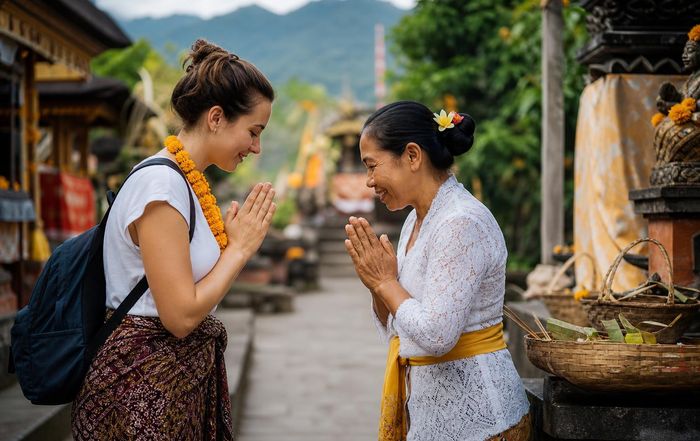
How to Respect Local Customs When Visiting New Countries
Travel has never been more accessible, and as borders reopen and global connections deepen, respectful cultural engagement has become one of the most important skills a traveler can cultivate. For readers of WorldWeTravel, who often move between continents, cultures, and time zones, understanding local customs is no longer a courtesy reserved for diplomats; it is a foundation for safe, meaningful, and inspiring journeys.
This loving article explores how travelers can prepare for and navigate local customs across different regions, how to respond when cultural mistakes inevitably occur, and how to transform every trip into a respectful exchange rather than a one-sided experience. While the focus is global, many examples reference popular destinations in North America, Europe, and Asia, reflecting the interests of the WorldWeTravel community.
Why Cultural Respect Matters More Than Ever
Respecting local customs is partly about good manners, but it is also about safety, ethics, and shared humanity. As international travel rebounds, destinations from Japan to Italy are reexamining how tourism affects everyday life. Cities such as Amsterdam and Barcelona have introduced stricter codes of conduct for visitors, and countries like Japan have launched public awareness campaigns to explain etiquette in temples, on public transport, and in residential neighborhoods.
Organizations such as the United Nations World Tourism Organization highlight that responsible and respectful travel supports cultural preservation and reduces the risk of conflict between visitors and residents. Travelers who take time to understand local norms are less likely to offend, more likely to be welcomed, and often gain access to deeper cultural experiences that hurried or careless visitors never see. For many readers exploring new destinations with WorldWeTravel through resources like WorldWeTravel Destinations, this respectful mindset becomes part of their identity as global citizens.
Preparing Before Departure: Research as a Sign of Respect
The most reliable way to respect local customs is to begin long before boarding a plane. Preparation is not only about booking flights and hotels; it is about learning how daily life works in the places being visited.
Many travelers start with official tourism sites or cultural institutions in the destination country. For example, VisitBritain provides guidance on British social norms, tipping practices, and public behavior, while Japan National Tourism Organization explains etiquette in shrines, hot springs, and on trains. Government travel advisories, such as the U.S. Department of State or the UK Foreign, Commonwealth & Development Office, often include cultural notes alongside safety information, helping visitors avoid behavior that may be misinterpreted.
Travelers who turn to educational platforms like BBC Travel, National Geographic Travel, or UNESCO's World Heritage pages gain broader context on the history and cultural significance of places they plan to visit. Learning why a site is sacred, why a festival matters, or how a community has preserved its traditions through adversity can transform a casual visit into an act of appreciation rather than consumption.
Readers of WorldWeTravel frequently combine such external research with in-depth guidance from WorldWeTravel Travel and WorldWeTravel Tips, creating a personal code of conduct that can be adjusted for each new country. This preparation demonstrates humility and signals to hosts that their culture is taken seriously.
Learning Key Phrases and Non-Verbal Etiquette
Language is one of the clearest ways to show respect. Even in destinations where English is widely spoken, learning a few phrases in the local language-such as "hello," "thank you," "please," and "excuse me"-often creates an immediate sense of goodwill. Basic greetings in Italian, French, Spanish, German, Japanese, or Thai can be practiced through reputable platforms such as Duolingo, Babbel, or open-course materials from universities, and they do not need to be perfect to be appreciated.
Non-verbal communication, however, can be even more culturally sensitive. Gestures that are harmless in the United States or the United Kingdom may be rude or offensive elsewhere. For example, pointing with a single finger can be considered impolite in parts of Asia, where people often gesture with an open hand. In many European and Asian countries, maintaining moderate volume in public spaces is a sign of respect, while loud conversations on trains or in restaurants may be frowned upon.
Reliable cultural guides, including Culture Crossing and Commisceo Global, provide overviews of body language norms, personal space expectations, and greeting styles in dozens of countries. Travelers interested in deeper cross-cultural understanding can explore resources from Hofstede Insights, which, while academic in tone, offer insight into how different societies view hierarchy, individualism, and uncertainty, all of which influence etiquette.
On WorldWeTravel, articles under Culture complement such resources by translating theory into practical advice: how to greet a host family in Germany, how to behave in a South Korean business meeting, or how to join a community festival in Brazil without intruding.
Dress Codes and Modesty: Navigating Expectations
Dress is one of the most visible ways in which travelers communicate respect-or disrespect-for local customs. Expectations differ widely between a beach in Australia, a cathedral in Spain, a temple in Thailand, and a mosque in the United Arab Emirates. In many religious or historical sites across Europe and Asia, shoulders and knees are expected to be covered, and some locations provide shawls or wraps for visitors who arrive unprepared.
Organizations such as UNESCO and national heritage boards often publish guidelines for visiting sacred or protected sites, including dress recommendations. In predominantly Muslim countries, modest clothing that covers arms and legs is often the norm, and women may be asked to cover their hair in certain religious spaces. In parts of Southeast Asia, such as Thailand or Malaysia, removing shoes before entering temples or private homes is both a hygiene practice and a sign of respect.
Travelers can verify local expectations through official tourism websites and respected travel publications like Lonely Planet and Rough Guides, which regularly update etiquette sections as norms evolve. For those planning multi-country itineraries, WorldWeTravel's Hotels and Destinations sections often highlight accommodations that provide clear cultural guidance to guests, ensuring that visitors are not left guessing about what is appropriate.
By packing a flexible wardrobe-lightweight layers, scarves, and clothing that can be adapted for both urban and rural settings-travelers can move confidently between different cultural environments without causing offense.
Religious and Sacred Spaces: Entering with Humility
Religious sites are among the most visited attractions worldwide, from the Vatican in Italy and Notre-Dame de Paris in France to the Grand Mosque of Mecca (for Muslims) and temples across Japan, Thailand, and India. These locations are not only architectural marvels but also living places of worship, and visitors are guests in spaces that hold deep spiritual meaning for local communities.
Common expectations include modest dress, quiet voices, and refraining from disruptive behavior such as eating, drinking, or using flash photography. In many temples and mosques, shoes must be removed before entry; in some cases, separate areas are designated for men and women. Travelers should follow posted signs, observe how worshippers behave, and when in doubt, ask a staff member or guide for clarification.
Trusted organizations such as Historic England, Centre des Monuments Nationaux in France, and Agency for Cultural Affairs in Japan offer online information about visiting major religious and cultural sites with respect. Interfaith organizations and academic institutions sometimes publish etiquette guides that explain the significance of rituals, helping visitors appreciate rather than merely observe.
For readers of WorldWeTravel, integrating this awareness into trip planning-through resources like WorldWeTravel Eco and WorldWeTravel Retreat-allows them to approach sacred spaces not as attractions to be consumed but as opportunities for reflection and learning.
Family Travel and Teaching Children Cultural Respect
Families traveling with children face a unique opportunity and responsibility: they can model and teach cultural respect from an early age. When parents explain in advance why certain behaviors are expected-such as speaking softly on trains in Switzerland, queuing patiently in the United Kingdom, or removing shoes in a Japanese home-children are more likely to understand that these are not arbitrary rules but expressions of local values.
Educational resources for children, including materials from UNICEF, National Geographic Kids, and reputable children's travel books, can introduce cultural diversity in an engaging way. Many museums and cultural centers in cities like London, Berlin, Toronto, and Singapore now offer family-friendly programs that explain local history and customs through interactive exhibits.
On WorldWeTravel, the Family section often highlights itineraries and activities that help children connect with local cultures respectfully, whether through cooking classes in Italy, indigenous cultural experiences in Canada, or language workshops in Spain. By involving children in simple tasks such as learning basic greetings, choosing modest outfits for temple visits, or practicing respectful photography, families can turn cultural respect into a shared adventure rather than a set of restrictions.
Photography, Privacy, and the Ethics of Sharing
In an era of social media and instant sharing, photography has become one of the most sensitive aspects of travel etiquette. While public landmarks are generally safe to photograph, individuals and private spaces require more caution. In many cultures, taking a person's photo without permission is considered intrusive or disrespectful, particularly when it involves children, religious rituals, or economically disadvantaged communities.
Ethical guidelines from organizations such as UNESCO, UNICEF, and responsible tourism bodies stress the importance of consent and dignity. Travelers are encouraged to ask before photographing people, to avoid images that stereotype or exploit, and to refrain from sharing photos that might embarrass or endanger the subjects. Some countries, including parts of the Middle East and Europe, have specific laws regarding photography of government buildings, security installations, and even certain public spaces, and these laws are enforced.
Reputable travel journalism outlets like BBC Travel and The Guardian's travel section regularly discuss the ethics of travel photography and storytelling, reminding visitors that images are not just souvenirs but representations of real lives. For WorldWeTravel readers, this aligns with a broader commitment to responsible storytelling, where sharing travel experiences online is done with the same respect that would be shown in person.
Sustainable and Eco-Conscious Customs: Respecting Land and Community
Respecting local customs increasingly includes respecting local ecosystems and sustainable practices. Many communities in Europe, Asia, Africa, and the Americas have long traditions of living in balance with their environment, and modern sustainable tourism initiatives often draw on these customs.
Organizations such as the Global Sustainable Tourism Council (GSTC) and the World Wildlife Fund (WWF) promote guidelines that help travelers reduce their environmental footprint, from minimizing plastic use to supporting locally owned businesses. In Nordic countries like Sweden, Norway, and Finland, the concept of "allemannsretten" or the right to roam comes with responsibilities: travelers may access nature but must avoid damaging it. In New Zealand, the Tiaki Promise, supported by the government and tourism sector, invites visitors to care for people, place, and culture.
On WorldWeTravel, the Eco and Global sections frequently highlight destinations and operators that prioritize community-based tourism, indigenous leadership, and conservation. By choosing such experiences, travelers are not only following local customs but actively supporting the continuation of those customs in the face of global change.
Business Travel and Professional Etiquette Across Borders
For many readers of WorldWeTravel, travel is not only leisure but also work, and professional interactions can be especially sensitive to cultural norms. Business etiquette varies widely: in Germany and Switzerland, punctuality and formality are highly valued, while in some parts of Latin America and the Middle East, relationship-building and flexible time management play a more central role.
Trusted sources like Harvard Business Review, Forbes, and intercultural training organizations provide detailed insights into how different societies approach hierarchy, negotiation, decision-making, and communication. For example, bowing in Japan, exchanging business cards with both hands in South Korea, or using formal titles in France can signal respect and professionalism. In North America, a firm handshake and direct eye contact are common, but in other regions, softer greetings and more indirect communication may be preferred.
The Business and Work sections of WorldWeTravel often translate such insights into practical advice for travelers attending conferences, meeting clients, or relocating abroad, helping them avoid misunderstandings that could harm both relationships and reputations.
Health, Personal Boundaries, and Public Behavior
Public health events in recent years have drawn attention to another dimension of local customs: norms surrounding personal space, hygiene, and mask-wearing. Some societies, such as Japan and South Korea, had established customs of wearing masks when ill long before global health crises, and these practices are deeply connected to social responsibility. In parts of Europe and North America, attitudes toward personal space, physical greetings, and public affection can vary significantly even between neighboring countries.
Organizations like the World Health Organization (WHO) and national health agencies provide guidance that sometimes intersects with cultural expectations, such as when and where masks are recommended, how to behave when feeling unwell, and what constitutes acceptable crowding in public spaces. Travelers who stay informed through official channels and adapt their behavior accordingly demonstrate both health awareness and cultural sensitivity.
On WorldWeTravel, the Health section helps travelers navigate vaccination requirements, local healthcare systems, and wellness practices around the world, encouraging a holistic approach to respectful travel that includes caring for one's own well-being and that of others.
Responding Gracefully When Mistakes Happen
Even the most careful traveler will occasionally misunderstand a custom, mispronounce a word, or inadvertently behave in a way that seems rude. What distinguishes a respectful traveler is not perfection but the willingness to learn and to apologize sincerely when necessary.
Intercultural communication experts often emphasize three simple steps: acknowledging the mistake without defensiveness, expressing genuine regret, and asking how to do better next time. A brief apology in the local language, accompanied by a respectful demeanor, usually goes a long way. Most hosts understand that visitors cannot know every nuance and appreciate visible efforts to adapt.
Trusted cross-cultural training organizations note that humility and curiosity are more important than encyclopedic knowledge. Travelers who ask questions, observe carefully, and remain open to correction often find that locals respond with warmth, guidance, and sometimes even friendship. For WorldWeTravel readers, this mindset turns potential embarrassment into a bridge of understanding.
Technology as a Tool for Cultural Understanding
Digital tools now make it easier than ever to access reliable cultural information while on the move. Translation apps from Google, Microsoft, and other providers can help bridge language gaps, though travelers should be aware that nuance may be lost and should still strive to learn key phrases. Mapping services often include user reviews that mention etiquette expectations in restaurants, cafes, and attractions, though these should be cross-checked with more authoritative sources when possible.
Educational platforms like Coursera, edX, and FutureLearn host courses on intercultural communication, world religions, and global history, allowing travelers to deepen their understanding before or during trips. Podcasts from respected media outlets such as NPR, BBC, and Deutsche Welle offer on-the-ground perspectives from locals, giving listeners insight into how communities view tourism and cultural change.
The Technology section often explores how such tools can enhance travel without replacing human connection, encouraging readers to use technology as a bridge rather than a barrier. By combining digital resources with real-world observation and conversation, travelers can navigate local customs with confidence and care.
Building a Personal Code of Respectful Travel
Ultimately, respecting local customs is not about memorizing an endless list of rules for every country on earth. It is about developing a personal code that can be adapted to any environment, grounded in curiosity, humility, and empathy. Many experienced travelers adopt a few guiding principles: dress slightly more modestly than they think is necessary, observe before acting in unfamiliar situations, ask permission before photographing people, listen more than they speak when discussing sensitive topics, and prioritize local voices when learning about a culture.
For the community here, this personal code is supported by a wide ecosystem of resources, from WorldWeTravel Travel and WorldWeTravel Destinations to WorldWeTravel Tips, WorldWeTravel Eco, and WorldWeTravel Global. Together with trusted external sources such as UNWTO, UNESCO, WHO, National Geographic, and national tourism boards, these platforms empower travelers to move through the world with awareness and respect.
As international journeys continue to connect people from the United States to Japan, from Germany to South Africa, and from Brazil to New Zealand, the travelers who stand out are not those who collect the most passport stamps, but those who leave behind the most goodwill. By taking local customs seriously, listening to host communities, and approaching every new country as both a guest and a learner, visitors can ensure that their presence is not only welcomed but genuinely appreciated. For those planning their next journey, we hope to remain a key companion, helping transform every trip into a respectful dialogue with the world.