Impact of Technology on Travel and Tourism Economies

Last updated by Editorial team at worldwetravel.com on Tuesday 20 January 2026
Impact of Technology on Travel and Tourism Economies

How Technology is Re-Engineering Global Travel and Tourism in 2026

A New Digital Foundation for the World's Journeys

By 2026, technology is no longer a supporting function in travel and tourism; it has become the infrastructure on which the entire global travel economy runs. From the way a family in Canada chooses a summer retreat in Italy, to how a business traveler in Singapore manages a week of meetings across Europe, digital tools shape every stage of the journey. For readers of WorldWeTravel.com, who look at travel through the lenses of destinations, business, families, health, culture, sustainability, and work, this transformation is not abstract-it is visible in every search, booking, check-in, and experience on the road.

The travel and tourism sector remains a cornerstone of the global economy, contributing trillions of dollars to GDP and supporting millions of jobs across North America, Europe, Asia, Africa, and South America. According to organizations such as the World Travel & Tourism Council, technology-enabled growth has been a defining feature of the industry's recovery and expansion after the disruptions of the early 2020s. Digital platforms, artificial intelligence, big data, immersive reality, and frictionless payments have collectively reshaped how value is created and distributed among travelers, destinations, and service providers.

For WorldWeTravel.com, which serves travelers from the United States, United Kingdom, Germany, Canada, Australia, France, Italy, Spain, the Netherlands, Switzerland, China, Sweden, Norway, Singapore, Denmark, South Korea, Japan, Thailand, Finland, South Africa, Brazil, Malaysia, New Zealand and beyond, this evolution is central to how the site curates insights on destinations, travel, business journeys, family trips, and global trends. The focus is increasingly on how technology enhances experience, safeguards trust, and drives sustainable economic impact in every region of the world.

Digital Travel Planning as a Strategic Ecosystem

The New Role of Online Platforms

Online travel agencies and meta-search engines have moved far beyond their origins as simple booking portals. Global platforms such as Booking.com, Expedia, and Tripadvisor sit at the center of a vast data-driven ecosystem that connects airlines, hotels, vacation rentals, local tour operators, and ground transport providers. They aggregate inventory across continents, apply sophisticated analytics, and surface options that match not only price and availability, but also traveler intent and behavior.

For travelers using WorldWeTravel.com as a starting point to explore new hotels and stays, these platforms function as operational backbones, offering real-time room inventory in New York, boutique riads in Marrakech, or mountain lodges in Switzerland. At the same time, they channel demand to small and medium-sized tourism businesses that previously lacked access to global markets. The result is a more liquid and transparent marketplace, where a family-run guesthouse in rural Spain or a design-forward hotel in Seoul can compete for attention alongside major international brands.

This digital intermediation has measurable economic implications. It increases occupancy rates, smooths seasonal demand, and makes it easier for emerging destinations in Africa, South America, and Southeast Asia to attract international visitors. Organizations such as the UN World Tourism Organization highlight that digital distribution has helped diversify tourism flows, easing pressure on over-visited cities while stimulating growth in secondary and tertiary destinations. Learn more about how global tourism patterns are evolving on resources like the UNWTO.

Personalization Powered by Artificial Intelligence

Artificial intelligence has become the silent architect of modern travel planning. Where early online tools focused on static search and filter functions, today's platforms employ machine learning models that continuously refine recommendations based on a traveler's previous trips, stated preferences, real-time behavior, and even macro trends such as fuel prices or exchange rate shifts.

Services such as Google Travel and airline and hotel loyalty apps use AI to predict what a traveler is most likely to value: a nonstop flight over a cheaper connection for a busy executive from London, a kid-friendly hotel with a pool for a family from Melbourne, or a wellness-oriented retreat for a health-conscious traveler from Stockholm. These systems analyze millions of data points, from historic booking patterns to local event calendars, to present options that feel intuitive and timely.

For WorldWeTravel.com, which publishes in-depth guidance on travel tips and strategies, this personalization trend is central to how readers now expect to research their journeys. Instead of generic lists, they look for itineraries that align with their personal health goals, cultural interests, work schedules, or environmental values. AI-driven planning tools, when designed transparently and responsibly, can enhance trust by reducing information overload and highlighting genuinely relevant choices.

Frictionless Payments and the Digital Travel Wallet

Cross-Border Transactions Without Friction

Payment technology has historically been a pain point in international travel, with foreign exchange fees, ATM limits, and security concerns complicating even simple purchases. By 2026, digital wallets and cross-border payment platforms have significantly reduced this friction. Services like PayPal, Apple Pay, Google Pay, and region-specific solutions such as Alipay and WeChat Pay allow travelers from the United States, China, Europe, or Brazil to pay seamlessly for hotels, transport, and local experiences in multiple currencies.

This shift enables travelers to manage their budgets more effectively and reduces the reliance on cash, which is particularly important in regions where security or access to ATMs can be challenging. Businesses-from boutique hotels in Paris to eco-lodges in Costa Rica-benefit from lower cash-handling costs, faster settlement, and improved fraud protection. Central banks and regulators, including the European Central Bank and the Bank of England, have supported this evolution through frameworks that promote secure digital payments, open banking, and interoperability. Learn more about evolving payment infrastructure from institutions such as the Bank for International Settlements.

Enabling the Sharing and Experience Economies

Digital payments have also underpinned the rise of peer-to-peer and platform-mediated travel services. Companies such as Airbnb and Vrbo connect hosts and guests across continents, while experience platforms like GetYourGuide and Viator allow local guides in Bangkok, Cape Town, or Rio de Janeiro to reach a global audience. Secure, automated payment processing-often coupled with identity verification and review systems-enables these marketplaces to function at scale.

For travelers who come to WorldWeTravel.com seeking authentic cultural immersion or eco-friendly stays, this ecosystem offers unprecedented access to local communities and unique properties, from countryside farm stays in Germany to urban lofts in Toronto. At the same time, it creates new income streams for households and small businesses, particularly in regions where traditional tourism infrastructure is limited. International bodies such as the OECD have noted that the sharing economy can support inclusive growth when accompanied by clear regulatory frameworks and consumer protections. Learn more about how digital platforms are reshaping services on resources like the OECD's work on the digital economy.

Intelligent Mobility and Connected Transportation

Ridesharing, Micro-Mobility, and Integrated Journeys

Technology-enabled mobility services have transformed the way travelers move within and between cities. Ridesharing platforms such as Uber, Lyft, Grab, and Didi provide on-demand transport in many of the world's major urban centers, while micro-mobility services-e-bikes, scooters, and shared bicycles-have become common in destinations from Amsterdam to Los Angeles. These services rely on GPS, real-time traffic data, and dynamic pricing algorithms to match supply and demand efficiently.

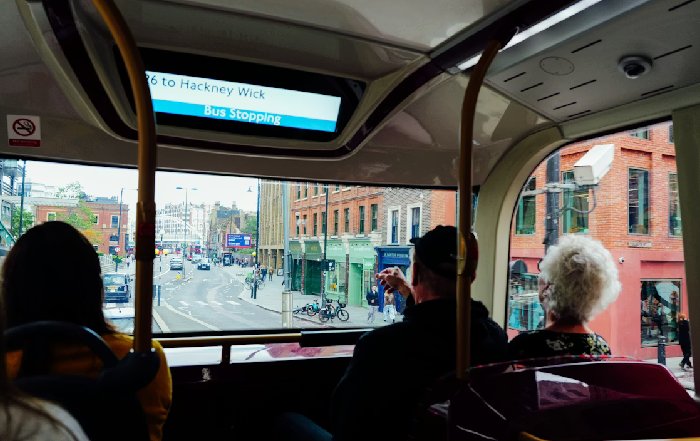
For business travelers using WorldWeTravel.com to plan multi-city itineraries or for families organizing urban sightseeing, the ability to coordinate flights, trains, rideshares, and micro-mobility through a single smartphone interface significantly enhances convenience. In many cities, public transport agencies now integrate with these platforms, providing real-time information on subway, tram, and bus networks. Organizations such as Transport for London and Singapore's Land Transport Authority have become global benchmarks for integrated digital mobility, offering apps that help residents and visitors navigate complex networks with ease. Learn more about smart transport systems from resources like the International Transport Forum.

Smart Infrastructure and Airport Innovation

Behind these consumer-facing services lies a rapidly evolving layer of smart infrastructure. Airports in hubs such as Singapore, Doha, Dubai, Frankfurt, and Atlanta increasingly use Internet of Things (IoT) sensors, biometric identification, and AI-enabled security screening to streamline passenger flows. Many have adopted one-ID concepts, allowing travelers to move from check-in to boarding using facial recognition or digital identity credentials stored in secure wallets.

These innovations reduce queues, enhance security, and improve the overall passenger experience, which is critical for hubs competing for global connectivity. For travelers focused on efficiency and health-topics regularly covered in the health and wellness section of WorldWeTravel.com-reduced crowding and touchless processes also contribute to a safer and less stressful journey. Aviation authorities and organizations such as the International Air Transport Association (IATA) and Airports Council International (ACI) have published extensive guidance on how biometric and digital identity solutions can be deployed while protecting privacy. Learn more about these standards on IATA's digital transformation resources.

Technology-Enhanced Experiences at the Destination

Virtual and Mixed Reality as Pre- and In-Trip Tools

Immersive technologies have moved from novelty to practical tools in the travel decision process. Virtual reality and high-fidelity 3D imaging allow travelers to explore hotel rooms, conference venues, and destination neighborhoods before committing to a booking. Platforms such as Matterport and Google Earth VR provide detailed visualizations of interiors and landscapes, helping travelers assess suitability for family needs, accessibility requirements, or corporate event standards.

For WorldWeTravel.com, which highlights both leisure escapes and corporate retreats, these tools support better alignment between expectations and reality. A company planning a leadership offsite in the Swiss Alps can virtually walk through meeting spaces and wellness facilities; a family from the United Kingdom can preview a resort in Thailand to ensure it offers the right mix of children's activities and quiet zones. This reduces booking risk, increases satisfaction, and supports higher-value travel decisions.

On-site, augmented reality (AR) layers digital information onto physical environments, turning city walks in Rome, Tokyo, or Chicago into interactive learning experiences. Museums and cultural institutions-from the Louvre in Paris to the British Museum in London-use AR to provide multilingual narratives, reconstructions of historical artifacts, and personalized thematic tours. Learn more about how cultural organizations are using digital tools on platforms like Europeana.

Always-On Customer Support through AI

Customer service in travel has undergone a parallel transformation. AI-powered chatbots and virtual assistants embedded in airline apps, hotel websites, and messaging platforms now handle a significant share of routine inquiries, from boarding gate changes to late check-out requests. Companies such as Skyscanner, Kayak, and many global carriers use natural language processing to provide 24/7 support in multiple languages, which is particularly important for international travelers crossing time zones.

For travelers who rely on WorldWeTravel.com for guidance on working while traveling or managing complex itineraries, this level of instant support can be decisive. A remote professional in Berlin needing to rebook a flight to New York or a family in Tokyo dealing with a hotel issue late at night can often resolve problems without waiting in call center queues. When these systems are integrated with human agents for escalated cases, they not only reduce operational costs for providers but also enhance trust by offering both speed and accountability.

Data, Analytics, and the Intelligent Destination

Predictive Insights for Tourism Strategy

The volume of data generated by digital travel activity-from search queries and bookings to mobility patterns and social media posts-has turned analytics into a core competency for destinations. Tourism boards, hotel groups, and city authorities increasingly use advanced analytics platforms to understand who is visiting, when, and why. Tools such as Tableau, Power BI, and specialized tourism intelligence systems help visualize trends and support evidence-based decisions.

Destinations across Europe, Asia, and the Americas use these insights to tailor marketing campaigns, optimize event calendars, and benchmark performance against competitors. For example, a city in Scandinavia might identify rising interest from travelers in South Korea and adjust its promotional strategy accordingly, while a coastal region in Portugal could use occupancy and flight data to extend its season beyond traditional summer peaks. Organizations like the World Economic Forum have emphasized that data-driven tourism management is essential to maintaining competitiveness in an increasingly digital global economy. Learn more about digital competitiveness and travel on the World Economic Forum's travel and tourism insights.

Sustainability, Capacity Management, and Eco-Tourism

Analytics are equally critical to managing environmental impact and advancing sustainable tourism. Popular destinations from Venice to Phuket have experienced the pressures of overtourism, prompting authorities to adopt smart monitoring systems that track visitor flows, congestion, and environmental indicators. These systems support dynamic pricing for attractions, timed entry to heritage sites, and real-time communication with visitors about alternative routes or less crowded areas.

For readers of WorldWeTravel.com interested in eco-conscious travel, this intersection of technology and sustainability is particularly relevant. Digital tools can steer travelers toward lesser-known but equally rewarding locations, distribute demand more evenly across regions, and support local conservation efforts. International standards bodies and NGOs, including the Global Sustainable Tourism Council, provide frameworks that destinations and companies can use to measure and improve their sustainability performance. Learn more about sustainable tourism criteria on the GSTC website.

Marketing, Storytelling, and the Digital Traveler

Social Media, Influencers, and Authentic Narratives

Marketing strategies in travel have shifted decisively toward digital storytelling and user-generated content. Platforms such as Instagram, TikTok, and YouTube remain powerful channels through which destinations and brands reach global audiences, but the focus has moved from polished advertising to authentic, experience-driven narratives. Travelers from Toronto to Tokyo increasingly rely on the lived experiences of peers and creators when choosing where to go and what to do.

For WorldWeTravel.com, which curates cultural and experiential content in its culture and lifestyle coverage, this trend underscores the importance of trust and transparency. Destinations that succeed in 2026 are those that align their digital messaging with the reality on the ground, highlight local voices, and demonstrate respect for communities and environments. Academic research from institutions such as Harvard Business School and London Business School has shown that authenticity and social proof significantly influence consumer decision-making in travel and hospitality. Learn more about digital consumer behavior from resources like Harvard Business Review.

Hyper-Targeted and Privacy-Aware Campaigns

At the same time, advances in ad technology allow tourism boards, airlines, and hotels to run extremely targeted campaigns based on inferred interests, previous travel history, and contextual signals. A potential visitor in Chicago interested in wellness might see tailored messaging about retreats in Bali, while a London-based executive could receive content on conference facilities in Singapore.

However, this precision targeting must now operate within stricter privacy and data protection frameworks, especially in jurisdictions governed by regulations such as the EU's General Data Protection Regulation (GDPR) and similar laws in the United Kingdom, California, Brazil, and other markets. Responsible organizations balance personalization with clear consent mechanisms and data minimization practices. Resources such as the European Commission's data protection portal offer guidance on these evolving standards.

Future Trajectories: From Blockchain to Autonomous Travel

Blockchain, Identity, and Trust Infrastructure

Blockchain and distributed ledger technologies are moving from experimental pilots to targeted applications within travel. Several airlines, hotel groups, and technology consortia are exploring decentralized loyalty programs, tamper-proof ticketing, and secure identity verification systems that allow travelers to control their own data while simplifying interactions with multiple providers.

For example, a traveler from the Netherlands might one day store verified identity credentials, visas, and frequent flyer memberships in a secure wallet, using them to authenticate with airlines, hotels, and border agencies without repeatedly sharing sensitive information. Industry collaborations, often highlighted by organizations such as the Linux Foundation and Hyperledger, are working on standards that could make such interoperable ecosystems viable. Learn more about these initiatives on Hyperledger's project pages.

Autonomous and Connected Vehicles

Autonomous vehicles (AVs) and advanced driver-assistance systems are progressing steadily, with pilot deployments in cities across the United States, China, Germany, and the United Arab Emirates. While fully autonomous tourism at scale is still emerging, the trajectory is clear: self-driving shuttles for airport transfers, autonomous tour vehicles in controlled environments, and AI-supported navigation for rental cars are likely to become more common in the coming decade.

For travel planners, including the audience of WorldWeTravel.com who follow technology trends in travel, AVs represent both an opportunity and a strategic consideration. They could redefine long-distance road trips, enable more accessible travel for elderly or disabled travelers, and create new forms of sightseeing where vehicles dynamically adjust routes based on real-time data and traveler preferences. Research institutions and industry alliances, such as the Society of Automotive Engineers (SAE International), continue to refine standards and safety frameworks for autonomous mobility. Learn more about AV standards on SAE International's website.

Building a Trusted, Human-Centered Digital Travel Economy

Across all these developments, one theme stands out: technology in travel is most successful when it reinforces, rather than replaces, the human essence of exploration. The most innovative platforms and services are those that respect local cultures, support fair economic participation, protect privacy, and prioritize traveler well-being.

For WorldWeTravel.com, the mission in 2026 is to help travelers, families, and businesses navigate this increasingly complex landscape with clarity and confidence. By connecting readers to authoritative insights on the global economy of travel, highlighting trustworthy organizations, and showcasing destinations that combine digital innovation with cultural depth, the platform aims to be a reliable partner in planning journeys across the United States, Europe, Asia, Africa, and the Americas.

As artificial intelligence becomes more pervasive, payments more invisible, and mobility more autonomous, the competitive edge will lie not only in adopting new technologies but in doing so with integrity, transparency, and a commitment to sustainable growth. Travelers will continue to seek experiences that are safe, efficient, and tailored, yet also authentic, enriching, and respectful of the places and people they encounter. In this environment, the organizations, destinations, and digital platforms that embody experience, expertise, authoritativeness, and trustworthiness will define the next chapter of global travel-and WorldWeTravel.com intends to remain at the center of that conversation.

Global Volunteer Opportunities for Travelers

Last updated by Editorial team at worldwetravel.com on Tuesday 20 January 2026
Global Volunteer Opportunities for Travelers

Volunteering Abroad in 2026: How Purpose-Driven Travel Is Redefining the Global Journey

Meaningful Travel in a Changed World

By 2026, international travel has moved far beyond the traditional pursuit of leisure, with a growing number of travelers now seeking experiences that combine exploration, personal growth, and social impact. For the global audience that turns to WorldWeTravel.com for guidance on destinations, business travel, family trips, and responsible tourism, volunteering abroad has become one of the most compelling ways to experience the world with intention. From North America and Europe to Asia, Africa, and South America, individuals and organizations are rethinking what it means to travel well, placing greater emphasis on ethical engagement, sustainability, and long-term community benefit.

This evolution has been shaped by several converging trends: heightened awareness of global inequality, increased visibility of climate and biodiversity crises, the rise of remote and hybrid work, and a renewed appreciation for authentic cultural exchange after years of disrupted mobility. As a result, volunteer travel-once perceived as a niche activity for students or gap-year travelers-has matured into a structured, multi-stakeholder ecosystem involving NGOs, social enterprises, universities, corporations, and specialist travel providers. Platforms such as GoAbroad and Volunteer World now act as global marketplaces for vetted volunteer projects, enabling travelers to search programs by region, skill set, and impact area, while also setting clearer expectations about costs, responsibilities, and outcomes. Travelers who begin their planning with broad destination research on resources like the WorldWeTravel destinations hub increasingly narrow their choices based on where their time, expertise, and values can create the greatest positive effect.

The New Geography of Volunteer Travel

Southeast Asia: Community, Culture, and Conservation

Southeast Asia continues to be one of the most dynamic regions for international volunteers, attracting participants from the United States, United Kingdom, Germany, Canada, Australia, and across Asia and Europe. Countries such as Thailand, Vietnam, and Cambodia have developed robust frameworks for hosting volunteers, particularly in education, community development, and environmental protection. Specialized providers like Plan My Gap Year have helped professionalize these experiences, offering structured placements that balance hands-on engagement with cultural immersion, language exposure, and safety standards appropriate for both younger volunteers and experienced professionals.

In Thailand, the shift toward ethical wildlife experiences has been especially notable. Following years of criticism of exploitative elephant tourism, a new generation of sanctuaries and conservation centers-guided by best practices promoted by organizations like the World Wildlife Fund-now focus on habitat restoration, veterinary care, and public education rather than entertainment. Travelers who once might have booked a short elephant ride now increasingly seek to understand the broader ecosystem, contributing to data collection, reforestation, and responsible tourism initiatives. Those planning such experiences often combine them with broader regional itineraries using resources like the WorldWeTravel travel overview, integrating leisure, cultural discovery, and volunteer service into a single journey.

In Cambodia and Vietnam, education-focused programs remain central, yet the model has evolved. Volunteers are more likely to support local teachers, help develop curriculum resources, or contribute to after-school enrichment rather than take over classrooms entirely. This aligns with guidance from global education bodies such as UNESCO, which emphasize capacity-building and local ownership. In rural areas, volunteers may assist with digital literacy, STEM clubs, or English conversation practice, particularly in communities that rely on tourism and international trade, while also learning about local history, religion, and post-conflict reconstruction in ways that deepen their understanding of the region's complexities.

Sub-Saharan Africa: Development, Healthcare, and Biodiversity

Sub-Saharan Africa remains a powerful draw for volunteers motivated by development, healthcare, and conservation. Countries including Kenya, Tanzania, South Africa, and Ghana have become established hubs for structured volunteer programs that emphasize collaboration with local NGOs and government agencies. Organizations such as African Impact have played a key role in setting higher ethical and operational standards, integrating impact measurement, community consultation, and long-term project design.

In East Africa, wildlife conservation projects often operate in partnership with national parks and research institutes, aligning their work with guidelines recommended by bodies like the International Union for Conservation of Nature (IUCN). Volunteers may support anti-poaching units through data entry and mapping, assist with camera trap analysis, or participate in community outreach that links conservation to sustainable livelihoods. Rather than positioning foreign volunteers as "saviors," these programs increasingly frame them as temporary contributors to locally led strategies, echoing the principles of responsible travel promoted in the WorldWeTravel eco and sustainability section.

Healthcare volunteering has also evolved significantly. In Ghana, South Africa, and other countries with strong public health frameworks, volunteers are more likely to participate in health education, administrative support, or non-clinical roles unless they hold appropriate qualifications and are working under local supervision. This shift reflects guidance from organizations such as the World Health Organization, which has warned against unregulated clinical volunteering that can undermine local systems. For professionals in medicine, nursing, or public health, structured partnerships with universities and hospitals now offer more rigorous, ethically grounded opportunities, often tied to research, training, or long-term capacity-building.

Latin America: Education, Ecology, and Indigenous Partnerships

Latin America offers a rich tapestry of volunteer opportunities that blend social impact with environmental stewardship. Countries such as Costa Rica, Peru, and Guatemala have developed reputations as leaders in community-based tourism and conservation, drawing volunteers from across North America, Europe, and Asia. Organizations like Maximo Nivel facilitate placements that emphasize Spanish language immersion, cultural exchange, and close collaboration with local NGOs.

Costa Rica, frequently cited by the UN Environment Programme as a model for conservation and renewable energy, has become a global classroom for volunteers interested in biodiversity and climate resilience. Participants may support sea turtle monitoring on Pacific and Caribbean coasts, assist with reforestation in areas affected by deforestation, or work with community-run eco-lodges that demonstrate how tourism revenue can support both livelihoods and ecosystems. Travelers who first discover Costa Rica as a leisure destination on sites like the WorldWeTravel hotels and stays guide increasingly extend their trips to include structured volunteer components, transforming a standard beach holiday into a more purposeful retreat.

In Peru and Guatemala, education and community development projects remain central, but there is growing sensitivity around working with Indigenous communities. Many organizations now follow principles aligned with the UN Declaration on the Rights of Indigenous Peoples, ensuring that projects are community-initiated, culturally appropriate, and respectful of traditional knowledge. Volunteers might assist with documentation of local languages, support women's cooperatives in marketing fair-trade products, or help develop digital tools that allow communities to tell their own stories to global audiences, reinforcing cultural resilience while expanding economic opportunity.

Why Volunteering While Traveling Matters in 2026

Personal and Professional Development

For many volunteers, the most immediate benefit of international service is personal transformation. Immersing oneself in unfamiliar environments, navigating new languages, and collaborating across cultural and professional boundaries can accelerate the development of adaptability, resilience, and leadership. Business travelers who are accustomed to structured corporate environments often describe their volunteer experiences as a powerful counterbalance, forcing them to operate with limited resources, ambiguous information, and diverse stakeholder expectations.

These experiences can also be strategically valuable for careers. Employers in sectors ranging from consulting and finance to technology and healthcare increasingly recognize international volunteer work as evidence of cross-cultural competence, initiative, and ethical awareness. Resources like the World Economic Forum regularly highlight such skills as critical for the future of work, particularly in globalized industries. For readers of the WorldWeTravel work and careers section, integrating volunteering into professional development plans-through sabbaticals, corporate programs, or remote work arrangements-has become an increasingly viable and respected pathway.

Cross-Cultural Understanding and Global Networks

Volunteering abroad also deepens cross-cultural understanding in ways that traditional tourism rarely achieves. Living with host families, collaborating with local colleagues, and participating in community events enables volunteers to see beyond simplified narratives about countries and regions. This is particularly meaningful in destinations that are often portrayed only through the lens of crisis or exoticism, such as parts of Africa, South Asia, or Latin America.

These relationships frequently outlast the volunteer placement itself, evolving into long-term friendships, professional collaborations, or ongoing support for local initiatives. Alumni networks of programs coordinated through platforms like Idealist and Projects Abroad now span continents, connecting individuals who share a commitment to social impact. For families exploring international experiences with children or teenagers, the WorldWeTravel family travel section often highlights stories of multi-generational volunteering that foster empathy, global awareness, and a shared sense of purpose.

Supporting Sustainable and Inclusive Development

When thoughtfully designed and responsibly managed, volunteer programs can complement local development efforts, particularly in areas such as education, environmental conservation, and social enterprise. The United Nations Sustainable Development Goals (SDGs) have provided a shared framework for many organizations, helping them align volunteer projects with broader national and global priorities, from quality education and gender equality to climate action and reduced inequalities.

For example, volunteers working with community-based tourism initiatives in South Africa, Brazil, or Thailand may help small businesses improve their digital presence, financial management, or customer experience, drawing on their own professional expertise. These contributions, when integrated into long-term strategies and training, can strengthen local resilience to economic shocks and support more inclusive participation in the global tourism economy. Readers who follow the WorldWeTravel economy and global trends coverage increasingly recognize that volunteer travel, when done well, is not a charitable add-on but a component of broader systems of sustainable development and responsible business.

Navigating the Ethics of Volunteer Tourism

Choosing Organizations with Credibility and Accountability

The rapid growth of volunteer travel has also brought significant ethical challenges. Concerns about "voluntourism"-short-term, superficial experiences that prioritize the traveler's satisfaction over community needs-have prompted critical scrutiny from academics, journalists, and development professionals. In response, reputable organizations have introduced more rigorous screening, impact assessment, and transparency measures, while travelers themselves have become more discerning.

Prospective volunteers are now encouraged to evaluate organizations based on their governance, local partnerships, and track record. Resources like Charity Navigator and GuideStar offer insights into the financial health and accountability of NGOs, while sector-specific networks such as Bond in the United Kingdom provide guidance on best practices in international development. For readers of WorldWeTravel, this means that due diligence is no longer optional; it is a core part of responsible trip planning, alongside booking flights or accommodations.

Centering Community Voice and Long-Term Impact

Ethical volunteering in 2026 is defined by one central principle: communities, not volunteers, should determine priorities and define success. This requires organizations to conduct thorough needs assessments, engage local leaders and beneficiaries in project design, and ensure that volunteer roles complement rather than replace local jobs. It also means being honest about what short-term volunteers can realistically achieve and focusing on continuity across multiple cohorts rather than one-off interventions.

In sectors like child welfare and education, this shift has been especially pronounced. Following guidance from bodies such as UNICEF, many countries have moved away from foreign-run orphanage volunteering, which has been linked to harmful institutionalization and perverse incentives. Instead, volunteers are redirected toward community-based support, family strengthening programs, and capacity-building for local educators and social workers. Travelers who consult responsible tourism resources, including the WorldWeTravel tips and advice section, are increasingly aware of these issues and choose programs that explicitly avoid practices that can harm children or vulnerable populations.

Avoiding Performative "Voluntourism"

The term "voluntourism" has become shorthand for experiences that are more about optics than impact: staged photo opportunities, unskilled volunteers performing sensitive tasks, or projects that exist primarily to attract foreign fees. In an era of social media, where images can circulate widely and shape perceptions of entire countries, the risk of reinforcing stereotypes or undermining local dignity is significant.

Responsible organizations now provide clear guidelines on storytelling and photography, encouraging volunteers to seek consent, avoid objectifying images, and amplify local voices rather than centering themselves. They also emphasize reflection, humility, and learning over hero narratives. For travelers who follow global culture and ethics debates through the WorldWeTravel culture insights, this more nuanced approach aligns with a broader shift away from extractive forms of travel toward more reciprocal, respectful engagement.

Preparing for a High-Impact Volunteer Journey

Researching Destinations and Context

In 2026, preparing for a volunteer trip requires more than scanning a brochure or online listing. Travelers are expected to understand the political, economic, and cultural context of their destination, drawing on credible sources such as the World Bank, OECD, and national tourism boards. This research helps volunteers appreciate local strengths and challenges, avoid insensitive behavior, and engage in informed conversations with hosts and colleagues.

For those considering countries like the United States, United Kingdom, Germany, or Japan as volunteer destinations-often in areas such as refugee support, urban community development, or environmental restoration-this means recognizing that "need" is not limited to the Global South. Urban food insecurity in North America, aging populations in Europe, or climate adaptation in coastal cities across Asia all present complex challenges where well-designed volunteer programs can contribute, particularly when coordinated with local authorities and civil society.

Building Relevant Skills and Cultural Competence

Many organizations now expect volunteers to bring specific skills, whether in teaching, healthcare, technology, business, or environmental science. Online learning platforms such as Coursera and edX offer pre-departure training in areas like intercultural communication, project management for development, or basic public health, which can significantly enhance a volunteer's effectiveness. Language preparation, even at a basic level, is also increasingly encouraged, as it signals respect and facilitates deeper connection.

Cultural competence extends beyond etiquette to include awareness of power dynamics, historical legacies, and one's own positionality. Volunteers are urged to approach their roles as learners first, contributors second, acknowledging that local partners possess deep knowledge of their own contexts. For readers who follow technology and innovation coverage on the WorldWeTravel technology section, this mindset parallels emerging best practices in global tech deployment, where solutions are co-created with users rather than imposed from outside.

Managing Health, Safety, and Well-Being

Health and safety planning has become more sophisticated in the wake of global health crises and increased climate-related disruptions. Volunteers are advised to consult official guidance from agencies such as the U.S. Centers for Disease Control and Prevention (CDC) or the European Centre for Disease Prevention and Control (ECDC) for destination-specific vaccination and health advice, and to secure comprehensive travel and medical insurance that covers volunteer activities. Mental health is also receiving greater attention, with organizations offering pre-departure briefings on stress, culture shock, and resilience, as well as post-return debriefing and peer support.

For many volunteers, especially those combining service with wellness or spiritual renewal, integrating rest and reflection into their itinerary is essential. The WorldWeTravel retreat and wellness section increasingly features programs that blend mindful travel, nature immersion, and community engagement, recognizing that sustainable giving requires sustainable self-care.

The Future of Purpose-Driven Travel

As 2026 unfolds, the landscape of international volunteer opportunities continues to evolve, shaped by technological innovation, shifting global power dynamics, and growing expectations around corporate and individual responsibility. Remote volunteering and hybrid models-where participants contribute skills online before or after in-person placements-are expanding access for those unable to travel for extended periods, while also supporting continuity in long-term projects. Corporate volunteer programs, aligned with environmental, social, and governance (ESG) strategies and frameworks such as those promoted by the Global Reporting Initiative, are integrating employee skills into social impact initiatives around the world.

For the global community that relies on WorldWeTravel.com as a trusted guide to destinations, business travel, family experiences, and responsible tourism, volunteering abroad represents more than an optional add-on to a trip. It is part of a broader redefinition of what it means to move through the world with awareness, respect, and purpose. Whether a traveler is supporting marine conservation in Australia, mentoring entrepreneurs in Singapore, assisting with climate adaptation projects in the Netherlands, or contributing to community health initiatives in South Africa, the underlying motivation is the same: to connect more deeply, to learn more humbly, and to leave a positive trace.

Ultimately, the most successful volunteer journeys are those that recognize the limits of what a single trip can accomplish while embracing the possibility of long-term engagement-through ongoing donations, advocacy, skills sharing, or repeat visits. As travelers plan their next purposeful adventure, drawing on the destination insights, practical guidance, and ethical perspectives available across WorldWeTravel and trusted external resources, they participate in a quiet but profound transformation of global travel itself: from consumption to collaboration, from observation to partnership, and from fleeting encounters to enduring, mutually beneficial relationships.

Corporate Retreats: Best Destinations for Team Building

Last updated by Editorial team at worldwetravel.com on Tuesday 20 January 2026
Corporate Retreats Best Destinations for Team Building

Corporate Retreats in 2026: Strategic Destinations that Transform Teams

Corporate retreats in 2026 have moved decisively beyond the era of off-site "perk trips" and are now recognized by leading organizations as deliberate strategic tools for strengthening culture, enhancing collaboration, and aligning global workforces around a shared purpose. In an environment shaped by hybrid work, rapid technological change, and evolving employee expectations across regions from the United States and United Kingdom to Singapore and Australia, the question is no longer whether to invest in retreats, but how to design them and where to host them so they deliver measurable business value.

For WorldWeTravel.com, which supports business leaders and travel planners in navigating destinations, logistics, and cultural nuance, the focus is increasingly on retreats that blend productivity with well-being, innovation with reflection, and global perspective with local authenticity. As organizations in sectors from finance and technology to healthcare and professional services reassess how they bring people together, destination choice has become a central strategic decision rather than a last-minute logistical detail.

Why Destination Choice Shapes Retreat Outcomes

The destination of a corporate retreat now functions as a strategic signal about how a company sees its people, its culture, and its future. When leadership selects a location, they are effectively choosing the emotional and psychological context in which critical conversations, planning sessions, and relationship-building will take place. A retreat in the desert landscapes of Arizona, for example, creates a very different mindset than a program embedded in the innovation corridors of Tokyo or the historic estates of Scotland.

In practice, destination choice influences the energy of participants, the kind of activities that feel natural, and the degree to which people are willing to disconnect from daily routines and engage deeply with colleagues. Research from organizations such as the Harvard Business Review shows that environment can significantly impact creativity, problem-solving, and openness to change; leaders who explore evidence-based approaches to team performance increasingly see retreat destinations as an extension of their talent and culture strategies.

For planners working with WorldWeTravel.com, this means thinking beyond "beautiful" or "fun" locations and instead asking which environment best supports the retreat's objectives, whether that is resetting after a merger, accelerating innovation, integrating new leaders, or addressing burnout and well-being across distributed teams. The right destination can make it easier to design agendas that balance structured strategic work with unstructured time, experiential learning, and meaningful cultural encounters, all of which are crucial for long-term impact.

More broadly, as companies coordinate teams across North America, Europe, Asia, Africa, and South America, destination decisions increasingly reflect considerations such as travel accessibility, visa requirements, environmental impact, and health and safety standards. Organizations that want to understand global travel advisories and risk profiles now routinely incorporate guidance from public health bodies and international organizations into their retreat planning.

Sedona, Arizona: Desert Landscapes for Reflection and Alignment

Sedona, in the United States, has emerged as a preferred destination for leadership and strategy retreats that prioritize reflection, alignment, and mental clarity. Its distinctive red rock formations, expansive skies, and quiet desert environment create a natural sense of distance from day-to-day operational pressures, which can be particularly valuable for executive teams navigating complex transformations or high-stakes decisions.

Corporate groups are drawn to Sedona's combination of outdoor activities and wellness-focused experiences. Guided hikes, sunrise viewpoints, and jeep tours provide informal spaces for candid conversations among colleagues who might rarely meet in person, while wellness offerings ranging from mindfulness sessions to spa programs help participants decompress and reconnect with their own capacity for focus and creativity. Organizations looking to integrate evidence-based mindfulness and resilience practices into their leadership development often find Sedona a compelling setting.

From a practical standpoint, Sedona benefits from proximity to major U.S. hubs while still feeling distinctly removed from urban life. Meeting venues and retreat centers offer modern conferencing facilities, flexible breakout spaces, and reliable connectivity, enabling teams to combine deep work sessions with restorative downtime. For planners using WorldWeTravel.com to compare business-focused travel options, Sedona often appears as a strong candidate for North American organizations seeking a balance of accessibility and retreat-like isolation.

Lake Tahoe, California/Nevada: A Year-Round Arena for Active Team Building

Lake Tahoe, straddling the border of California and Nevada, provides a contrasting model: a retreat environment where physical activity and shared adventure are central to the experience. Its clear alpine lake, mountain backdrop, and four-season climate enable year-round programming, from skiing and snowboarding in winter to hiking, paddleboarding, and sailing in summer.

Companies with younger, highly mobile workforces or teams that have spent years collaborating remotely often find that shared outdoor challenges-whether a guided backcountry excursion or a structured team-building course-accelerate trust-building and break down silos more effectively than traditional workshop formats. Organizations interested in designing experiential leadership programs frequently look to destinations like Lake Tahoe for their ability to combine physical challenge with reflective debriefs and structured learning.

High-end resorts and conference properties around the lake offer sophisticated meeting infrastructure, on-site facilitators, and wellness amenities, allowing planners to create integrated agendas that move fluidly between boardroom sessions and outdoor activities. For global companies bringing participants from Canada, Germany, or the United Kingdom, Tahoe's connectivity through major West Coast airports and its reputation as both a leisure and business destination make it an efficient choice. On WorldWeTravel.com, it is frequently recommended in the context of hotel and resort comparisons for corporate groups.

Tuscany, Italy: Culture, Cuisine, and Strategic Conversation

Tuscany, in Italy, remains one of the most sought-after regions for retreats that seek to blend strategic work with cultural immersion, relationship-building, and appreciation of the "long view." Its vineyards, historic towns, and agriturismo properties provide an environment where time seems to slow down, creating space for thoughtful dialogue, mentoring, and cross-functional connection.

For European and global organizations, Tuscany is especially suited to programs focused on values, culture, and leadership identity. Activities such as vineyard tours, cooking classes with local chefs, and visits to cities like Florence and Siena create shared experiences that foster informal conversation and break down hierarchical barriers. Leaders who study the role of culture in organizational performance increasingly recognize that these informal interactions can be as influential as formal workshops in shaping long-term collaboration.

Many Tuscan estates are now fully equipped for corporate use, offering meeting rooms with modern audiovisual technology, hybrid participation capabilities, and flexible indoor-outdoor spaces. For companies working with WorldWeTravel.com to design culture-focused retreats, Tuscany's blend of heritage, gastronomy, and hospitality provides a compelling backdrop for discussions about brand, purpose, and stakeholder expectations, particularly for teams based across France, Spain, Switzerland, and the wider European market.

Banff, Canada: Nature-Driven Resilience and Innovation

Banff, set in the Canadian Rockies, has become a reference point for nature-driven retreats that aim to cultivate resilience, adaptability, and long-term thinking. Its dramatic mountain landscapes, turquoise lakes, and protected national park setting offer an immediate reminder of scale and perspective, which can be particularly valuable for teams facing constant digital overload and market volatility.

Outdoor activities such as canoeing, guided hikes, and wildlife observation provide organic opportunities to explore themes of risk, interdependence, and sustainability. Organizations interested in embedding environmental and climate considerations into strategy often use Banff as a context for conversations about long-term resource stewardship, stakeholder expectations, and the organization's role in the broader ecosystem.

Banff also benefits from a strong infrastructure for conferences, arts, and education, with venues that combine performance spaces, meeting rooms, and on-site accommodation. This allows retreats to incorporate elements of design thinking, creativity, and cross-disciplinary learning. For companies using WorldWeTravel.com to explore global destination portfolios, Banff is often positioned as a prime location for teams based in North America and Europe who want a retreat that visibly distances them from urban environments without compromising on professional facilities.

Tokyo, Japan: Innovation, Technology, and Cultural Depth

Tokyo represents a different type of retreat destination: an urban, technology-rich environment where innovation, scale, and tradition intersect. For organizations in sectors such as fintech, AI, advanced manufacturing, and digital services, Tokyo provides a living laboratory for exploring the future of work, mobility, and customer experience.

Corporate retreats in Tokyo often combine formal sessions in world-class conference centers with curated visits to technology districts, innovation hubs, and cultural sites. Executives and product teams may schedule sessions with local partners, visit robotics or mobility labs, or attend briefings on emerging technology trends while also experiencing traditional tea ceremonies, temple visits, or culinary workshops. This blend of future orientation and cultural continuity can stimulate fresh thinking about strategy, ethics, and long-term positioning.

Tokyo's transportation network, safety standards, and hospitality infrastructure are among the most advanced in the world, making it highly suitable for complex, multi-country gatherings involving participants from South Korea, China, Singapore, Australia, and beyond. For planners, the challenge is often less about logistics and more about curation: selecting the right mix of experiences to support the retreat's strategic aims. On WorldWeTravel.com, Tokyo frequently appears in the context of technology-focused travel insights for organizations seeking exposure to leading-edge innovation environments.

Costa Rica: Sustainability, Adventure, and Corporate Responsibility

Costa Rica has solidified its reputation as a benchmark destination for sustainability-oriented retreats, particularly for organizations that want to align their internal culture with external commitments to environmental, social, and governance (ESG) performance. Its national approach to conservation, renewable energy, and biodiversity positions it as a real-world example of how economic development and environmental stewardship can coexist.

Retreats in Costa Rica often integrate adventure activities such as zip-lining, rafting, and rainforest treks with structured sessions on sustainability, stakeholder engagement, and responsible growth. Corporate leaders looking to strengthen ESG strategies and reporting frequently use Costa Rica as a backdrop for workshops on climate risk, supply-chain ethics, and community impact, supported by visits to local conservation projects or social enterprises.

Eco-lodges and sustainable resorts provide meeting spaces designed to minimize environmental impact while still offering the connectivity and comfort required for intensive work. For planners working with WorldWeTravel.com on eco-conscious retreat design, Costa Rica is often recommended for organizations with a younger workforce, a strong brand narrative around purpose, or significant exposure to climate-related risk in their operations.

Scotland: Heritage, Storytelling, and Strategic Perspective

Scotland, with its castles, Highlands, and literary and scientific heritage, offers a distinctive setting for retreats that emphasize leadership legacy, governance, and strategic reflection. Its landscapes and historic sites naturally evoke themes of continuity, resilience, and long-term stewardship, which resonate with boards, senior leadership teams, and family-owned enterprises.

Corporate programs in Scotland often include stays at historic estates, visits to universities, and curated experiences such as whisky tastings or guided tours of sites linked to scientific and industrial innovation. These elements provide a narrative frame for discussions about corporate identity, risk, and multi-generational planning. Leaders interested in improving board effectiveness and governance often find that Scotland's atmosphere supports candid, long-horizon conversations.

Modern conference facilities and transport links through cities such as Edinburgh and Glasgow make it practical to host international groups from Germany, Netherlands, Norway, Sweden, and beyond. For organizations using WorldWeTravel.com to plan executive-level retreats, Scotland is frequently positioned as a setting where strategic seriousness and experiential richness can coexist.

Matching Destination to Team, Objectives, and Culture

Choosing the right destination in 2026 requires a structured approach that integrates strategic objectives, team composition, and practical constraints. Organizations that work closely with partners like WorldWeTravel.com typically begin by clarifying the primary purpose of the retreat: whether it is integration after a merger, innovation acceleration, leadership development, cultural renewal, or recovery from a period of intense change.

Once objectives are clear, planners can evaluate destinations through several lenses. Accessibility and travel time remain critical, particularly for teams distributed across Asia, Europe, and North America, as long-haul travel can affect energy levels and engagement. Health, safety, and well-being considerations, informed by resources such as global health guidance, play an increasing role in destination selection. Environmental impact is also rising on the agenda, with more companies seeking to understand and reduce the carbon footprint of business travel.

Internal culture and workforce demographics are equally important. A fast-growing technology company with a predominantly early-career workforce may benefit from active, adventure-oriented destinations like Lake Tahoe or Costa Rica, while a professional services firm focused on client relationships and thought leadership might find greater alignment with Tuscany or Scotland. For companies with significant family participation or multigenerational teams, destinations that offer family-friendly experiences alongside business programming can increase overall satisfaction and engagement.

Finally, the design of the retreat itself-agenda structure, facilitation, and integration with ongoing work-must be tailored to the chosen destination. A nature-focused setting like Banff or Sedona invites longer, reflective sessions and outdoor debriefs, while an urban innovation hub like Tokyo naturally supports shorter, high-intensity workshops interspersed with site visits and external engagements. On WorldWeTravel.com, planners can explore practical travel tips and destination-specific insights to align program design with local conditions.

Long-Term Business Impact of Well-Chosen Retreat Destinations

When thoughtfully designed and anchored in the right destination, corporate retreats can produce benefits that extend far beyond the days spent on-site. Teams often return with renewed trust, clearer alignment around priorities, and a stronger sense of connection to the organization's mission. Cross-functional relationships built during shared experiences in places like Banff, Tuscany, or Tokyo can accelerate decision-making and collaboration long after participants are back in their home offices.

From a performance perspective, organizations that invest in purposeful retreats often see improvements in engagement, retention, and innovation metrics. Research from bodies such as the Society for Human Resource Management suggests that carefully planned off-site experiences can enhance psychological safety and communication, which are key drivers of team performance. For global companies navigating economic uncertainty in markets from Brazil and South Africa to Japan and Finland, these human factors can be as critical as capital and technology in determining resilience.

The choice of destination also communicates something important to employees and stakeholders about what the organization values. Selecting an eco-conscious location like Costa Rica signals commitment to sustainability; choosing a cultural hub like Tuscany or Scotland highlights appreciation for heritage and long-term thinking; opting for a technology-driven environment like Tokyo reflects a focus on innovation and the future. Through WorldWeTravel.com, many organizations now integrate retreat planning into broader strategies around global workforce mobility and ways of working, recognizing that where people gather is inseparable from how they work together.

Looking across 2026 and beyond, the most successful corporate retreats will be those that treat destination as a strategic asset rather than a backdrop, aligning place, purpose, and people in a coherent narrative. Whether in the deserts of Arizona, the mountains of Canada, the cities of Japan, or the countryside of Italy, the right environment can help organizations not only step away from daily pressures, but also step into a clearer, more collaborative, and more sustainable future. For leaders and planners partnering with WorldWeTravel.com, the opportunity lies in using the world's most compelling destinations not merely as travel experiences, but as catalysts for lasting organizational change.

Health and Safety Tips for Traveling Families

Last updated by Editorial team at worldwetravel.com on Tuesday 20 January 2026
Health and Safety Tips for Traveling Families

Family Travel Health and Safety: A Strategic Guide for Confident Global Journeys

Family travel is more ambitious, more global, and more complex than ever before. Families from the United States, United Kingdom, Germany, Canada, Australia, and across Europe, Asia, Africa, and the Americas are no longer limiting themselves to short-haul beach breaks; they are combining work and travel, enrolling children in short-term international programs, experimenting with wellness retreats, and exploring emerging destinations that require a higher level of planning and risk management. For readers of WorldWeTravel.com, this evolution means that health and safety can no longer be treated as an afterthought or a checklist item; they must be integrated into every stage of the travel decision-making process, from destination selection and itinerary design to hotel choice, transportation, and daily routines on the ground.

At the same time, families are increasingly aware that health and safety are not only about avoiding illness or accidents, but also about building resilience, trust, and confidence-both in one another and in the global systems they rely on when they travel. They expect reliable information, robust infrastructure, and transparent standards from airlines, hotels, tour operators, and healthcare providers. They also expect guidance that reflects real-world complexity: multigenerational needs, chronic health conditions, mental wellbeing, digital security, environmental risks, and the realities of traveling with children in a world that is still adapting to the lessons of recent global health crises.

This article explores how traveling families can approach health and safety in 2026 with a strategic, professional mindset, drawing on best practices from global health authorities, travel industry leaders, and the collective experience of families who have successfully navigated destinations from New York to Singapore, from London to Bangkok, and Cape Town. It is written specifically for the WorldWeTravel.com audience, whose interests range from destinations and hotels to family, business travel, eco-conscious travel, and global trends, and who expect guidance grounded in experience, expertise, authoritativeness, and trustworthiness.

Strategic Destination Planning for Family Health and Safety

Choosing where to go is now as much a risk management decision as it is a lifestyle choice. Families are evaluating not only climate and culture, but also healthcare quality, infrastructure resilience, environmental risks, and digital safety. In 2026, this evaluation process is increasingly data-driven, with travelers consulting multiple sources before committing to long-haul trips, particularly to destinations in Asia, Africa, and South America where local conditions can vary significantly by region.

Parents and caregivers are turning to the World Health Organization (WHO) and national public health agencies for up-to-date insights into infectious disease trends, vaccination recommendations, and regional health advisories. Learn more about current global health guidance by consulting resources from the World Health Organization and complementing that with country-specific information from agencies such as the U.S. Centers for Disease Control and Prevention (CDC), available at the CDC Travelers' Health portal. Families planning trips to regions such as Southeast Asia, Sub-Saharan Africa, or parts of South America can use these resources to understand malaria prevalence, dengue risk, food- and water-borne diseases, and seasonal patterns that may affect vulnerable travelers, including young children, pregnant women, and older adults.

Because WorldWeTravel.com's readers often combine leisure with work or study, destination planning also includes assessing the reliability of digital infrastructure and emergency communication. In countries like Japan, Singapore, Denmark, Finland, and South Korea, families can generally rely on robust connectivity and strong public systems, while in more remote regions they must plan for intermittent access and identify backup communication strategies in advance. Families researching broader destination trends can draw on analysis from organizations such as the World Travel & Tourism Council (WTTC), whose reports on tourism resilience and safety can be accessed via the WTTC website.

For those still narrowing down where to go, curated overviews on global destinations at WorldWeTravel.com help align health and safety considerations with interests such as culture, wellness, business, or eco-travel, allowing families to match their risk tolerance and logistical capacity with the realities on the ground.

Medical Readiness and Documentation in a Post-Pandemic World

In 2026, medical preparation for family travel goes beyond a simple pre-trip check-up. Families are increasingly managing chronic conditions, food allergies, neurodiversity, and mental health needs, and they are expecting their travel planning to reflect that complexity. A structured pre-travel consultation with a trusted healthcare provider, ideally one familiar with travel medicine, has become a core element of responsible travel for families traveling from countries such as the United States, United Kingdom, Germany, Canada, and Australia to destinations with different disease profiles or healthcare systems.

Authoritative guidance on vaccinations, antimalarial medications, and region-specific risks continues to be available from the CDC, NHS in the UK, and similar national bodies. Families can review detailed recommendations through resources such as the NHS Fit for Travel site, which provides country-by-country advice that can be discussed with a clinician. For those managing complex medical needs, specialist travel medicine centers and pediatric hospitals often maintain international travel clinics, and many now offer virtual consultations, which can be especially useful for families based in smaller cities or planning multi-country itineraries across Europe, Asia, or Africa.

A comprehensive family medical kit is no longer a generic first-aid box, but a tailored toolkit informed by each traveler's profile and the realities of the destination. In addition to prescription medications, it may include oral rehydration salts, pediatric formulations of pain and fever reducers, antihistamines, topical treatments for insect bites and rashes, and supplies for managing minor injuries. Families with severe allergies or asthma should ensure they have adequate supplies of epinephrine auto-injectors and inhalers, carried in hand luggage and accompanied by clearly written medical letters. Guidance on assembling a robust emergency kit can be supported by educational materials from organizations like the Mayo Clinic, whose health information resources can be explored through the Mayo Clinic website.

Digital documentation has become a critical element of travel readiness. Families are increasingly using secure cloud storage and encrypted apps to store scanned copies of passports, vaccination records, prescriptions, and insurance documents, while also maintaining physical backups in waterproof folders. Parents of children traveling for school, sports, or exchange programs often prepare standardized medical summaries, including diagnoses, medications, allergies, and emergency contacts, which can be shared with schools, camps, or host families. For readers of WorldWeTravel.com, integrating this medical readiness into broader trip planning resources on family travel and travel tips ensures a more seamless, professional approach to risk mitigation.

Travel Insurance as a Core Risk Management Tool

In the business world, risk transfer through insurance is standard practice, and families are increasingly adopting the same mindset for travel. Comprehensive travel insurance in 2026 is expected to cover medical emergencies, evacuation, trip interruption, lost luggage, and, where relevant, adventure activities such as skiing in Switzerland, hiking in New Zealand, or diving in Thailand. Families are also carefully checking coverage for pre-existing conditions, pediatric and geriatric care, and mental health services, recognizing that crises are not limited to physical injury or acute illness.

Comparison platforms such as InsureMyTrip help travelers evaluate policy options from multiple providers. Families can explore different coverage structures and benefit limits through the InsureMyTrip website, but should still cross-check the fine print directly with the insurer, especially when traveling to remote regions or politically unstable areas where medical evacuation and repatriation can be complex and expensive. Business-traveling parents who blend corporate trips with family vacations are increasingly coordinating coverage between corporate travel policies and personal family plans, ensuring that dependents are not inadvertently excluded from key protections.

For families planning extended stays or multi-destination itineraries, especially digital nomad families working remotely across Europe, Asia, and South America, long-term international health plans or expatriate insurance may offer more stability than short-term policies. This aligns with broader trends discussed in WorldWeTravel.com's work and travel coverage, where mobility and flexibility are balanced against the need for robust, portable safety nets.

Healthy Routines on the Road: Nutrition, Hydration, and Daily Habits

Maintaining health during travel is less about perfection and more about consistency. Families who travel frequently recognize that small, sustainable routines are more effective than rigid rules that collapse under the pressures of time zones, unfamiliar foods, and changing schedules. This is particularly true for families visiting culinary-rich destinations such as Italy, France, Spain, Japan, or Thailand, where the desire to explore local cuisine must be balanced with digestive comfort and safety, especially for younger children.

Authoritative guidance on food and water safety remains consistent: when in doubt, choose thoroughly cooked foods served hot, avoid unpasteurized dairy, and be cautious with raw fruits and vegetables unless they can be peeled or washed in safe water. Families traveling to regions where tap water is not reliably potable often rely on bottled water or high-quality filtration systems. Independent evaluations of portable filtration devices and water safety practices can be found through organizations like NSF International, whose consumer resources on water quality are accessible via the NSF website. Parents who want to maintain energy levels and mood stability for children often pack familiar, shelf-stable snacks and use hotel or apartment kitchenettes to prepare simple breakfasts or evening meals, reducing reliance on unpredictable restaurant options.

Hydration, particularly on long flights and in hot, humid climates such as Singapore, Malaysia, or Brazil, is a recurring challenge. Families are increasingly using insulated, reusable bottles, sometimes with integrated filters, and encouraging regular water intake as part of a daily routine. In parallel, they are paying closer attention to sleep hygiene and circadian rhythm management, recognizing that jet lag can significantly affect behavior, decision-making, and immune resilience. Resources from organizations like the Sleep Foundation, accessible via the Sleep Foundation website, provide evidence-based guidance on light exposure, timing of naps, and gradual schedule shifts before departure, which can be integrated into family routines in the days leading up to a long-haul trip.

For readers of WorldWeTravel.com who prioritize wellbeing, integrating these habits into broader health-focused travel planning allows families to treat each trip as an opportunity to reinforce healthy behaviors rather than disrupt them.

Protection Against Common Travel Illnesses and Environmental Risks

Even the most carefully planned trip involves exposure to new pathogens and environmental conditions. Families traveling to tropical or subtropical regions, including parts of Thailand, Brazil, Malaysia, and South Africa, must consider insect-borne diseases such as dengue, malaria, and Zika, as well as heat-related illnesses and high UV exposure. Authoritative, region-specific information on these risks can be accessed through the European Centre for Disease Prevention and Control, which provides detailed maps and outbreak updates relevant to European and global travelers alike.

In practice, families are adopting a layered approach to protection. This includes using insect repellents with proven active ingredients, wearing long sleeves and trousers in high-risk areas, choosing accommodations with screened windows or air conditioning, and, where appropriate, using insecticide-treated bed nets. For sun protection, high-SPF, broad-spectrum sunscreen is combined with physical barriers such as hats, UV-protective clothing, and shade-seeking behavior during peak hours, particularly in destinations like Australia, Spain, and South Africa where UV intensity can be extreme. Reliable, evidence-based advice on sun safety and skin cancer prevention is provided by organizations such as Cancer Research UK, whose public information can be accessed via the Cancer Research UK website.

Families are also increasingly aware of air quality as a health factor, especially when traveling to major urban centers in China, India, and other rapidly developing regions. Portable air quality monitors, masks, and hotel room air purifiers are becoming part of the health toolkit for children and adults with asthma or other respiratory conditions. Air quality data can be monitored through platforms such as IQAir, accessible via the IQAir Air Quality Index, allowing families to adjust outdoor activities on days with high pollution levels.

Road Safety, Mobility, and Child Protection

Road safety remains one of the most significant, and often underestimated, risks for traveling families. In 2026, safety-conscious parents are increasingly bringing their own car seats and booster seats, particularly when traveling to countries where regulations and enforcement around child restraints may be inconsistent. Organizations such as the World Health Organization and the World Bank continue to highlight road traffic injuries as a major global health challenge, and families can review country-level road safety profiles through resources such as the World Bank road safety portal.

When renting vehicles in destinations such as the United States, Canada, Germany, or New Zealand, families are carefully reviewing insurance coverage, checking for modern safety features, and familiarizing themselves with local traffic laws. In dense urban environments like London, Amsterdam, Tokyo, or Singapore, they are more likely to rely on public transportation, ride-hailing services, and walking, but still apply strict rules around seat belts, child supervision, and pedestrian awareness. Teaching children to recognize safe crossing points, understand traffic signals, and stay close in crowded transit hubs is treated as an ongoing educational process rather than a one-time conversation.

Child safety in public spaces has also evolved with technology. Some families now use discreet GPS-enabled devices or smartphone-based location sharing for older children, alongside traditional measures such as ID wristbands with emergency contact details. Authoritative guidance on child safety and abduction prevention is available from organizations such as the National Center for Missing & Exploited Children, whose resources can be explored via the NCMEC website. For WorldWeTravel.com readers, integrating these strategies into broader family travel planning ensures that independence and exploration are balanced with appropriate safeguards.

Emergency Preparedness and Local Health Systems

Trustworthy travel in 2026 requires a clear understanding of what will happen if something goes wrong. Families are increasingly mapping out local emergency numbers, nearest hospitals or clinics, and embassy or consulate contacts before departure, particularly when traveling to destinations outside North America, Western Europe, or East Asia, where familiarity with systems may be lower. Many now save local emergency numbers and hospital addresses in their phones, both online and offline, and identify at least one reputable medical facility in each city on their itinerary.

Tools and apps provided by organizations such as the International Federation of Red Cross and Red Crescent Societies offer practical, scenario-based guidance on first aid and disaster response. Families can download resources such as the Red Cross First Aid app or explore training materials through the American Red Cross website, enabling adults and older teenagers to respond more confidently to minor injuries or acute situations while awaiting professional care. In regions prone to earthquakes, hurricanes, floods, or wildfires, families are also reviewing local disaster preparedness plans and, in some cases, choosing accommodations that meet higher structural and safety standards.

For those traveling on wellness or retreat-focused journeys, particularly in remote areas of Asia, Africa, or South America, due diligence around emergency evacuation routes, onsite medical capabilities, and communication infrastructure is becoming a standard part of responsible planning. This aligns closely with the eco-conscious values of many WorldWeTravel.com readers, who wish to support sustainable, community-based initiatives while still ensuring that their family's safety is not compromised.

Cultural Awareness, Mental Wellbeing, and Family Cohesion

Health and safety in family travel are not purely physical; they also encompass psychological safety, cultural adaptation, and the emotional dynamics of being away from home. Children and teenagers traveling to culturally distinct destinations such as Japan, China, Morocco, or Brazil can experience both excitement and stress as they navigate unfamiliar languages, customs, and social norms. Parents are increasingly preparing their children in advance by introducing them to local history, basic phrases, and etiquette expectations, using resources from organizations such as UNESCO, whose cultural heritage materials can be explored via the UNESCO World Heritage Centre.

Mental wellbeing has also become a central consideration, particularly for families combining work and travel or undertaking extended stays. Managing screen time, maintaining routines, and creating space for downtime are now seen as protective measures against burnout, anxiety, and conflict. Parents are recognizing that overscheduled itineraries can undermine the very benefits they seek from travel-connection, learning, and rest-and are deliberately incorporating unstructured time in parks, cafes, or local neighborhoods. WorldWeTravel.com's coverage of culture and travel tips reflects this more holistic view of travel as a lived experience rather than a checklist of attractions.

For business-traveling parents who bring their families along on trips to global hubs like London, New York, Singapore, or Zurich, mental wellbeing also involves clear communication about expectations, boundaries, and schedules. Children benefit from understanding when a parent will be working, when the family will explore together, and how they can maintain contact with friends and relatives back home. This structured approach supports both professional performance and family cohesion, reinforcing the idea that work and travel can coexist without compromising health or relationships.

Integrating Eco-Consciousness with Health and Safety

Families in 2026 are increasingly concerned with the environmental impact of their travel choices, and this eco-consciousness intersects with health and safety in multiple ways. Choosing destinations and accommodations that prioritize air quality, green spaces, and sustainable food systems can directly support physical and mental wellbeing. At the same time, responsible tourism practices help protect the very ecosystems and communities that make travel meaningful, from coral reefs in Australia and Thailand to mountain environments in Switzerland, Norway, and New Zealand.

Authoritative guidance on sustainable tourism principles is provided by organizations such as the United Nations World Tourism Organization (UNWTO), whose reports and recommendations can be accessed via the UNWTO website. Families who align with these principles are more likely to choose operators and hotels with credible sustainability certifications, support local healthcare and education initiatives, and engage in low-impact activities that respect local cultures and environments. WorldWeTravel.com's eco travel coverage helps families identify options that meet both their ethical standards and their health and safety requirements, creating a more integrated approach to global mobility.

A Professional, Trust-Centered Approach to Family Travel

By 2026, family travel is no longer a simple leisure activity; it is a complex project that requires the same level of foresight, risk management, and stakeholder coordination that business leaders apply to corporate initiatives. Families who travel successfully across North America, Europe, Asia, Africa, and South America are those who treat health and safety not as constraints, but as enabling factors that allow them to explore more confidently, venture further, and engage more deeply with the world.

For the WorldWeTravel.com audience, this means integrating authoritative information from global health organizations, national agencies, and trusted travel industry bodies with the lived experience of families who have navigated everything from jet lag and food allergies to political unrest and natural disasters. It means using platforms like WorldWeTravel.com not only for inspiration, but also for structured guidance across travel, economy, technology, and family, ensuring that every journey is supported by a foundation of experience, expertise, authoritativeness, and trustworthiness.

When families adopt this professional, holistic approach-combining medical readiness, robust insurance, healthy routines, environmental awareness, cultural sensitivity, and clear communication-they transform travel from a source of anxiety into a powerful platform for growth. The result is not only safer trips, but richer ones: journeys where children and adults alike gain confidence, empathy, and a deeper understanding of the interconnected world they inhabit, and where the memories created are not overshadowed by preventable crises, but defined by shared discovery and enduring connection.

An In-Depth Guide to Booking Multi-Destination Trips

Last updated by Editorial team at worldwetravel.com on Tuesday 20 January 2026
An In-Depth Guide to Booking Multi-Destination Trips

Multi-Destination Travel in 2026: How Global Travelers Design Smarter, Richer Journeys

Multi-destination travel has evolved from a niche concept into a central pillar of modern tourism, reflecting the growing desire of travelers to connect multiple cities, countries, and even continents into a single, coherent journey. By 2026, this approach has become especially relevant for business leaders, globally mobile professionals, and families who wish to maximize limited time away from work while still enjoying meaningful, immersive experiences. For the audience of WorldWeTravel.com, multi-stop itineraries are no longer about simply "seeing more," but about crafting purposeful journeys that align with personal values, professional objectives, and long-term lifestyle aspirations.

The New Context of Multi-Destination Travel in 2026

The travel landscape has shifted significantly in the past few years, influenced by advances in digital technology, changing work patterns, evolving health expectations, and a heightened focus on sustainability. Hybrid and remote work models have allowed professionals in the United States, United Kingdom, Germany, Canada, Australia, and beyond to remain productive while traveling, which in turn has blurred the boundaries between business trips, family holidays, and personal retreats. Readers who explore the business-focused insights on WorldWeTravel's work and travel hub increasingly view multi-destination travel as a strategic way to combine client meetings in London, conferences in Singapore, and restorative downtime in Thailand within a single, well-structured itinerary.

In parallel, governments and tourism boards worldwide have invested in digital entry systems, streamlined visa processes, and improved infrastructure, making it easier to cross borders within Europe, Asia, North America, and other regions. Organizations such as the World Tourism Organization (UNWTO) offer regular updates on global tourism trends, and business travelers closely follow these developments to better understand how multi-destination trips can fit into broader corporate travel strategies. Learn more about how international tourism is evolving on the UNWTO website.

Why Multi-Destination Travel Appeals to Modern Travelers

Maximizing Time, Reach, and Experience

For many professionals and families reading WorldWeTravel.com, vacation days and travel budgets remain finite, yet curiosity about the world is expanding. Multi-destination itineraries enable a traveler from New York or Toronto to combine a strategy session in Frankfurt, a cultural weekend in Florence, and a coastal retreat near Barcelona without needing three separate trips. This approach is particularly common among those planning milestone experiences, such as extended sabbaticals, family gap years, or once-in-a-lifetime honeymoons, where it is essential to balance depth and breadth.

From a cultural standpoint, multi-destination travel allows visitors to experience contrasting lifestyles and histories in a single journey. A traveler who consults WorldWeTravel's destination insights might, for example, design a route that moves from the financial districts of London and Zurich to the artistic neighborhoods of Berlin and Barcelona, and finally to the tranquil countryside of Tuscany or the fjords of Norway, thereby gaining a more holistic view of Europe's economic, cultural, and natural diversity.

Financial Efficiency and Smarter Budgeting

Contrary to the assumption that more stops automatically mean higher costs, multi-destination travel can be financially efficient when approached strategically. The rise of fare-search engines and flexible ticketing options allows travelers to compare complex routes and identify combinations that reduce total spending. Tools such as Google Flights and Skyscanner make it possible to test different city sequences, departure dates, and layover locations, revealing scenarios where adding a stop in Reykjavik, Lisbon, or Dubai can actually lower the overall fare between North America and Asia.

At the same time, hotel and accommodation strategies have become more sophisticated. Corporate travelers and families alike increasingly blend traditional hotels with serviced apartments and home-stay options, depending on the nature of each stop. Those planning multi-city itineraries often begin with curated hotel research, using both global booking platforms and specialized guidance like WorldWeTravel's hotel recommendations, to ensure that each leg of the journey offers the right mix of comfort, connectivity, and location. For broader market data on how travel prices are evolving, business readers often refer to organizations such as the OECD, which provides analysis on tourism and economic trends; more information is available on the OECD tourism page.

Personalization and Thematic Journeys

The strongest appeal of multi-destination travel in 2026 lies in its capacity for deep personalization. Instead of following generic "grand tours," travelers now design itineraries around themes that reflect their professional interests, family priorities, and personal passions. A technology executive might link innovation hubs such as San Francisco, Seoul, Tokyo, and Singapore, using insights from WorldWeTravel's technology section to identify conferences, startup ecosystems, and co-working spaces along the way. A family might combine educational stops in Washington, D.C., London, and Berlin with child-friendly nature experiences in Scandinavia or New Zealand, guided by ideas from WorldWeTravel's family travel content.

Similarly, wellness-oriented travelers are increasingly weaving together multi-stop retreats that combine urban culture, nature immersion, and structured health programs. They may begin with a cultural immersion in Kyoto, continue to a wellness resort in Thailand, and conclude with a digital detox in New Zealand or Costa Rica, drawing on evolving best practices in global health and wellness from institutions such as the World Health Organization (WHO), which offers extensive resources on healthy travel and lifestyle.

The Role of Technology and AI in 2026 Trip Design

Smarter Planning with Data-Driven Tools

The complexity of multi-destination trips once discouraged many would-be travelers. Today, artificial intelligence and integrated travel platforms have changed that equation. Services such as Google Flights, Skyscanner, and Kayak leverage large datasets and machine learning to forecast price trends, suggest alternative routes, and highlight cost-efficient multi-city combinations. Professionals and families can now test multiple versions of an itinerary in minutes, comparing total travel time, layover structures, and cabin classes.

Platforms like Kayak and Hopper have become particularly influential because of their predictive analytics, which advise travelers when to book flights or hotels to secure optimal pricing. This capability is especially useful for business travelers who must align with corporate budget policies while still maintaining flexibility in meeting schedules and event dates. Those interested in understanding the broader technological trends underpinning these tools often follow research from organizations such as McKinsey & Company, which publishes analyses on travel and tourism digitization.

Integrated Itinerary Management and On-Trip Support

Beyond booking, modern travelers rely on digital tools to manage the entire journey. TripIt, for example, consolidates flight, hotel, car rental, and activity confirmations into a single, real-time itinerary accessible on any device, while services like Rome2Rio and Omio help map out ground transport connections between cities and regions, especially within Europe and parts of Asia. Rome2Rio is particularly valuable for identifying multi-modal routes, such as combining trains from Amsterdam to Berlin with regional buses and ferries to smaller towns and islands.

In 2026, these tools are increasingly integrated with digital health and safety platforms, enabling travelers to monitor entry requirements, health advisories, and local conditions. For authoritative health-related travel information, many decision-makers consult the Centers for Disease Control and Prevention travel section, which provides country-specific guidance on vaccinations, health risks, and preventive measures, an especially important consideration for itineraries spanning Africa, South America, and Southeast Asia.

Remote Work, Connectivity, and Digital Infrastructure

The continued expansion of remote and hybrid work has made connectivity a central criterion in multi-destination planning. Professionals who consult WorldWeTravel's business travel and work resources often prioritize destinations with reliable broadband, co-working ecosystems, and supportive visa policies. Countries such as Portugal, Estonia, Singapore, and Thailand have experimented with digital nomad or long-stay visas, allowing visitors to remain productive while exploring multiple regions within the country or across neighboring states.

Organizations like the World Bank track digital infrastructure and connectivity as part of broader development indicators, providing valuable context for travelers who need to ensure seamless remote work capabilities across multiple destinations. Learn more about global digital infrastructure trends through the World Bank data portal.

Managing the Challenges of Complex Itineraries

Navigating Logistics and Cross-Border Regulations

Although technology has simplified many aspects of planning, multi-destination travel still requires careful coordination. Each additional border crossing can introduce visa requirements, customs regulations, and transportation variables that must be managed proactively. Travelers moving through Schengen Area countries in Europe, for instance, must understand cumulative stay limits and the interplay between Schengen and non-Schengen stops, especially when combining France, Germany, Spain, and Italy with nearby destinations such as Switzerland or United Kingdom.

Corporate travel managers and informed individuals often monitor guidance from the International Air Transport Association (IATA), which provides detailed information on travel regulations and documentation. This is especially important when designing intricate routes that span Asia, Africa, and South America, where entry rules, transit policies, and vaccination requirements may vary widely from one country to another.

Balancing Ambition with Well-Being

A common pitfall in multi-destination planning is the temptation to over-schedule. Ambitious travelers may attempt to include too many cities in Japan, too many capitals in Europe, or too many coastal regions in Australia and New Zealand, only to discover that constant movement erodes the quality of their experience and their physical and mental well-being. The most effective itineraries, as highlighted across WorldWeTravel's health and retreat content, strike a deliberate balance between activity and rest, allowing time for adjustment to new time zones, climates, and cultural environments.

Health organizations stress that sleep, hydration, and stress management are crucial for travelers undertaking complex journeys, especially those combining high-pressure business commitments with frequent flights. The Mayo Clinic provides practical guidance on jet lag management and travel health, which many frequent flyers consult when planning routes that cross multiple time zones between North America, Europe, and Asia.

Economic and Environmental Considerations

In 2026, multi-destination travelers are increasingly conscious of both economic volatility and environmental impact. Currency fluctuations, inflation, and regional economic conditions can influence the relative affordability of destinations, prompting travelers to adjust their routes or length of stay. To understand macroeconomic conditions and currency dynamics in regions like South Africa, Brazil, Malaysia, and Thailand, many business-oriented readers follow analysis from the International Monetary Fund (IMF), accessible via the IMF country information portal.

At the same time, environmental responsibility has become a core part of trip design. Travelers are more likely to cluster destinations geographically to reduce unnecessary flights, favor rail travel within Europe or Japan, and support eco-certified accommodations and local businesses. Those seeking to align their itineraries with best practices in sustainable tourism often refer to the Global Sustainable Tourism Council (GSTC), which outlines sustainability criteria and frameworks. On WorldWeTravel.com, readers can explore additional guidance on responsible tourism and eco-conscious planning through the dedicated eco travel section.

Strategic Approaches to Designing Multi-Destination Itineraries

Structuring Trips Around Hubs and Corridors

One of the most effective strategies for multi-destination travel is to build itineraries around key hubs and regional corridors. For instance, a traveler might select London, Frankfurt, and Amsterdam as primary hubs in Europe, using high-speed rail and short-haul flights to access nearby cities and cultural regions. Similarly, in Asia, hubs such as Singapore, Bangkok, and Tokyo can serve as gateways to surrounding destinations in Malaysia, Thailand, Japan, and beyond. This hub-and-spoke approach reduces the risk of missed connections and simplifies contingency planning.

Within each hub, travelers can choose accommodations and activities that match their purpose for that leg of the journey. Business-focused stays might prioritize proximity to financial districts and conference venues, while family-oriented segments might focus on walkable neighborhoods, parks, and attractions. Those seeking deeper cultural immersion can explore resources such as WorldWeTravel's culture insights to identify local festivals, museums, and heritage sites that align with their interests.

Aligning Itineraries with Seasonal and Cultural Calendars

Seasonality is a critical factor for multi-destination trips, particularly those crossing both hemispheres or spanning several months. Travelers must consider climate variations, peak tourist periods, and major events, such as festivals, trade shows, or school holidays, which can influence pricing and availability. For example, combining ski resorts in Switzerland, springtime in Japan, and summer coastlines in Spain or Greece requires careful sequencing to ensure optimal conditions in each location.

Cultural and business calendars are equally important. Executives planning multi-stop trips through Asia and Europe must account for holidays such as Golden Week in Japan, Lunar New Year across East and Southeast Asia, and major European public holidays, which can affect meeting availability and local services. For global holiday and observance information, many planners refer to resources such as Timeanddate.com's world calendar, which helps them align travel plans with local realities.

Blending Business, Leisure, and Retreat Elements

The rise of "bleisure" travel-blending business and leisure-has matured into more sophisticated models by 2026. Travelers now consciously design itineraries that combine high-intensity work segments with restorative retreats and family-focused time. A typical journey might begin with meetings in New York and Chicago, continue to a strategy summit in London, and then transition into a wellness retreat in Portugal or Thailand before concluding with a family visit in Sydney or Auckland.

Content on WorldWeTravel's retreat and wellness pages increasingly supports this trend by highlighting destinations and properties that cater to professionals seeking structured recovery from demanding work cycles. As organizations pay closer attention to employee well-being and burnout prevention, multi-destination trips are being reimagined as opportunities not only for commercial outcomes but also for long-term resilience and personal growth.

How WorldWeTravel.com Supports Multi-Destination Planners

For globally minded readers designing complex journeys, WorldWeTravel.com serves as both an inspiration platform and a practical planning companion. Its destination coverage spans North America, Europe, Asia, Africa, and South America, helping travelers compare the cultural, economic, and logistical profiles of cities and regions they may wish to combine. The global travel overview provides a high-level perspective on cross-regional trends, while more specialized sections focus on business travel, family needs, technology, health, and sustainability.

Those planning multi-stop itineraries frequently move between the site's general travel guidance and more focused resources such as practical tips for trip planning or economic context for key markets. By integrating these perspectives, readers can design journeys that are not only logistically sound and financially efficient, but also aligned with their professional commitments, family responsibilities, and long-term lifestyle goals.

In 2026, multi-destination travel is no longer reserved for the most adventurous or experienced travelers. With the right combination of digital tools, authoritative information, and thoughtful strategy, it has become a disciplined, high-value approach to exploring the world. For the community that turns to WorldWeTravel.com for insight and guidance, these journeys represent an opportunity to connect global business, personal development, family experiences, and cultural discovery into a single, coherent narrative-one carefully crafted itinerary at a time.

Scenic Road Trips Through the United States

Last updated by Editorial team at worldwetravel.com on Tuesday 20 January 2026
Scenic Road Trips Through the United States

The World's Great American Road Trips in 2026: A Strategic Guide for Global Travelers

Road Travel in a Changed World

Road travel in the United States has evolved from a romantic ideal into a strategic choice for international and domestic travelers who are balancing flexibility, safety, sustainability, and cost. For the global audience of WorldWeTravel.com, road trips across the United States now sit at the intersection of leisure, business, family life, and remote work, reflecting broader shifts in how people live, work, and move around the world. As travelers from the United Kingdom, Germany, Canada, Australia, France, Italy, Spain, Netherlands, Switzerland, China, Japan, Singapore, and beyond look to the United States for immersive experiences, the country's iconic scenic routes offer more than picturesque views; they provide structured opportunities to connect with local economies, regional cultures, and nature in a way that is both highly personal and operationally manageable.

For organizations planning incentive travel, families designing multi-generational holidays, or professionals combining remote work with exploration, the great American road trip remains one of the most adaptable formats of travel. It offers the ability to design flexible itineraries, control pace and privacy, and integrate wellness, culture, and business needs into a single journey. On WorldWeTravel.com, readers increasingly use road trips as a framework to compare destinations across global travel trends, evaluate regional economic conditions, and align their travel with evolving expectations around health, sustainability, and digital connectivity.

The Enduring Allure of the Open Road

The appeal of a road trip in 2026 is not just about reaching a destination; it is about the continuity of experience from the moment the engine starts to the final stop. Travelers value the gradual transition from urban centers to coastal cliffs, from desert plateaus to mountain passes, and from historic small towns to contemporary hubs of innovation. This continuity allows for a deeper understanding of the geographic and cultural fabric of the United States, particularly for international visitors seeking to go beyond the standard city break in New York, Los Angeles, or Miami.

The open road also supports the global shift toward experiential and transformational travel. Rather than consuming a destination in a series of isolated attractions, travelers use road journeys to engage with regional food systems, indigenous histories, and local creative industries, while maintaining the flexibility to adapt plans in real time. Resources such as National Park Service and Visit The USA make it easier than ever to integrate national parks, heritage corridors, and cultural districts into itineraries that serve both leisure and professional objectives.

On WorldWeTravel.com, readers consistently seek guidance that connects these experiences to practical considerations: where to stay, how to structure days for family comfort, how to work remotely on the road, and how to ensure that travel choices align with modern expectations around wellness, digital access, and environmental responsibility. The following routes, while iconic in their own right, are presented through that lens of experience, expertise, and trust, to support informed decision-making for a global audience.

Pacific Coast Highway, California: Strategy on the Edge of the Continent

The Pacific Coast Highway (PCH), or California Highway 1, remains one of the world's most recognizable coastal drives, stretching along the western edge of the United States and offering a constantly shifting panorama of ocean, cliffs, and coastal communities. For international travelers from Europe, Asia, and Oceania, the PCH often serves as an anchor route in a broader West Coast itinerary that might include San Francisco, Los Angeles, San Diego, and inland excursions to wine regions or national parks.

From a planning perspective, the PCH is particularly well-suited to travelers who value a blend of scenic immersion and access to sophisticated hospitality infrastructure. Coastal hubs such as Santa Barbara, Monterey, and Carmel-by-the-Sea combine boutique accommodations, high-end dining, and cultural institutions with proximity to nature. Executives and remote professionals can structure their journey to alternate between focused workdays in well-equipped coastal hotels and slower days exploring beaches, galleries, and hiking trails. For in-depth comparison of lodging options along the route, the accommodation guidance on WorldWeTravel Hotels can be paired with resources like Booking.com to align expectations on service levels and amenities.

Big Sur remains the emotional and visual centerpiece of the drive, where the Bixby Creek Bridge and the dramatic cliffs create some of the most photographed vistas in North America. Yet the region's popularity also demands careful operational planning, especially during peak seasons. Travelers must monitor route conditions through Caltrans and stay informed about landslides, construction, or seasonal closures that can impact travel time. For families, the PCH offers a valuable framework to introduce children to marine ecosystems, coastal conservation, and California history, which can be reinforced through visits to institutions such as the Monterey Bay Aquarium, supported by educational resources from NOAA.

Blue Ridge Parkway: A Long View of the Appalachian Experience

The Blue Ridge Parkway, connecting Shenandoah National Park in Virginia to Great Smoky Mountains National Park in North Carolina, provides a slower, more contemplative form of road travel that resonates strongly with travelers who prioritize nature, heritage, and wellness. Known as "America's Favorite Drive," this 469-mile route allows visitors from the United Kingdom, Germany, Scandinavia, and beyond to experience the Appalachian region's layered history and biodiversity in a measured, low-intensity way.

The parkway's carefully curated overlooks, visitor centers, and trailheads make it especially attractive to families and multigenerational groups who desire structured access to nature without the complexity of backcountry logistics. Organizations planning corporate retreats or leadership offsites increasingly use this corridor to design immersive experiences that combine hiking, reflective time, and facilitated workshops in nearby lodges and conference-capable properties. On WorldWeTravel.com, the intersection of nature, wellness, and professional development is explored in more depth within the Retreat and Wellness and Work and Travel sections, offering frameworks for integrating the Blue Ridge Parkway into broader organizational strategies.

Cultural institutions such as the Blue Ridge Music Center and historic sites like Mabry Mill serve as touchpoints for understanding Appalachian music, craft, and agricultural traditions. For travelers interested in deeper cultural context, platforms like Smithsonian Folklife and Library of Congress provide extensive digital archives on regional heritage, which can be explored before, during, or after the journey. The route's seasonality, particularly the intense autumn foliage period, requires advance booking and careful timing, especially for international visitors coordinating long-haul flights and car rentals.

Route 66: Navigating Nostalgia and Contemporary Reality

Route 66, the legendary "Mother Road" stretching historically from Chicago to Santa Monica, remains one of the most globally recognized symbols of American road culture. For travelers from Europe, Japan, South Korea, and Brazil, the route offers a curated lens on mid-20th-century Americana, from vintage diners and motels to neon signage and classic car culture. In 2026, however, Route 66 is also a living corridor of economic transition, where small towns along the alignment are actively redefining themselves through heritage tourism, creative industries, and local entrepreneurship.

Driving significant portions of Route 66 allows travelers to observe, in real time, how communities in the American heartland respond to changing economic conditions, demographic shifts, and evolving patterns of domestic and international travel. This makes the route particularly relevant for business travelers, policy professionals, and academics interested in regional development, who can combine leisure exploration with field observation and stakeholder meetings. For comparative context on regional economic performance, resources such as U.S. Bureau of Economic Analysis and Brookings Institution can be reviewed alongside the economic insights provided by WorldWeTravel Economy.

Key segments in New Mexico, Arizona, and Oklahoma provide access to indigenous cultures, historic trading posts, and contemporary art scenes. Destinations such as Santa Fe and the Petrified Forest National Park illustrate how cultural heritage and natural landscapes can be integrated into cohesive visitor experiences, supported by organizations like National Park Service and regional tourism boards. For practical planning, travelers can consult National Scenic Byways and AAA for route updates, roadside services, and safety guidance, while using WorldWeTravel Travel as a strategic reference for aligning Route 66 itineraries with broader North American journeys.

Going-to-the-Sun Road: High-Altitude Insight in Glacier National Park

The Going-to-the-Sun Road in Glacier National Park, Montana, is both an engineering achievement and an intense concentration of alpine scenery, compressing glacial valleys, high passes, and wildlife-rich meadows into a relatively short but powerful journey. For international visitors from Canada, Scandinavia, Switzerland, and New Zealand, the landscape may feel familiar in its glacial forms, yet distinct in its North American wildlife and conservation narratives.

Because of its elevation and climate, the road is highly seasonal, typically open in full only during the summer months, and increasingly subject to climate-related variability. This makes advance planning and real-time monitoring essential. Travelers are strongly advised to use National Park Service Glacier for up-to-date information on opening dates, vehicle reservations, shuttle systems, and trail conditions. For readers of WorldWeTravel.com, integrating this route into a broader North American itinerary often involves coordination with Calgary, Vancouver, or Seattle as gateways, with careful attention to cross-border logistics for those combining U.S. and Canadian national parks.

From a health and wellness standpoint, the combination of high altitude, variable weather, and wildlife encounters requires a more deliberate approach to risk management. Travelers benefit from reviewing guidance on outdoor safety, hydration, and wildlife etiquette through sources such as Centers for Disease Control and Prevention and Glacier National Park Conservancy. For families and older travelers, the route's structured pullouts and visitor centers provide opportunities to experience high-mountain environments without the need for strenuous hikes, while still allowing for more challenging trails for those who seek them. On WorldWeTravel Health at worldwetravel.com/health.html, readers can align these experiences with broader wellness and fitness considerations.

Overseas Highway, Florida: A Linear Island Strategy

The Overseas Highway, connecting mainland Florida to Key West across a chain of islands and bridges, offers a distinctly different road trip experience, characterized by marine vistas, tropical climates, and a strong emphasis on leisure and water-based activities. For travelers from Europe, South America, and Asia, this route often functions as a complementary element to urban stays in Miami or Orlando, allowing a transition from high-intensity city environments to a linear sequence of relaxed island communities.

The highway's design, spanning more than 40 bridges including the iconic Seven Mile Bridge, makes the journey itself a central part of the experience. Coastal engineering, climate resilience, and marine conservation are all visible themes along the way, which may be of particular interest to professionals in infrastructure, environmental science, and public policy. Resources such as Florida Department of Transportation and NOAA Florida Keys provide insight into how the region is adapting to sea-level rise, extreme weather, and tourism pressures.

From a practical standpoint, the Overseas Highway is well-suited to family travel and multi-day itineraries, where stops in Key Largo, Islamorada, and Marathon can be structured around snorkeling, diving, and marine education experiences. Organizations like John Pennekamp Coral Reef State Park and Dry Tortugas National Park offer opportunities to engage with coral reef ecosystems and maritime history, supported by interpretive programming. For travelers who prioritize comfort and convenience, the route's hospitality infrastructure is well-developed, and can be evaluated using WorldWeTravel Hotels alongside platforms like Tripadvisor and Travel + Leisure.

Great River Road: Following the Mississippi Through the American Core

The Great River Road, following the Mississippi River from Minnesota to Louisiana, offers one of the most comprehensive longitudinal views of the United States available to road travelers. It passes through ten states and a wide spectrum of economic, cultural, and environmental contexts, making it particularly relevant for international visitors and professionals seeking to understand the country's internal diversity beyond the coastal metropolises.

This route is uniquely positioned at the intersection of history, trade, agriculture, and music. From the river's modest beginnings at Lake Itasca to the complex delta systems near New Orleans, travelers encounter industrial riverfronts, rural farming communities, historic river towns, and major cities such as St. Louis and Memphis. For those interested in the global food system, river transport, and climate adaptation, the Mississippi corridor is a living classroom, supported by research and policy analysis from institutions like U.S. Army Corps of Engineers and Environmental Protection Agency.

Cultural experiences along the Great River Road are equally compelling. The evolution of blues, jazz, and related musical forms can be traced through venues, museums, and festivals, particularly in Mississippi and Louisiana. Travelers can deepen their understanding of these traditions through resources such as National Museum of African American History and Culture and regional cultural organizations. On WorldWeTravel Culture at worldwetravel.com/culture.html, readers can connect these experiences to broader cultural itineraries across North America, Europe, and Africa, reflecting transatlantic and diasporic linkages.

From a logistical perspective, the Great River Road is highly modular, allowing travelers to focus on specific segments that align with their time and interests. Business travelers attending conferences in Chicago, Minneapolis, Memphis, or New Orleans can easily integrate one- or two-day excursions along the river, while long-haul road travelers may choose to traverse the entire length. The route's diversity of accommodations, from historic inns to modern hotels, can be evaluated through WorldWeTravel Destinations and complementary platforms such as Lonely Planet.

Integrating Technology, Health, and Sustainability into Road Travel

By 2026, effective road trip planning requires thoughtful integration of technology, health considerations, and sustainability principles. Travelers rely heavily on digital tools for navigation, accommodation booking, translation, and remote work, with expectations of reliable connectivity even in relatively remote regions. On WorldWeTravel Technology at worldwetravel.com/technology.html, readers can explore how evolving digital infrastructure, from 5G coverage to in-car connectivity, is reshaping both short- and long-distance travel.

Health remains a central consideration, especially for families and older travelers. Access to healthcare facilities, emergency services, and telemedicine is increasingly factored into route planning, particularly in rural or high-altitude areas. Authoritative guidance from organizations like World Health Organization and Centers for Disease Control and Prevention can be combined with practical advice from WorldWeTravel Health to support informed decisions around vaccinations, insurance, and on-the-road wellness.

Sustainability is equally important for a global audience that is acutely aware of climate impacts and seeking to reduce the footprint of travel. Road trips can align with more responsible travel practices when they prioritize fuel-efficient or electric vehicles, longer stays in fewer locations, and engagement with local businesses and conservation initiatives. Travelers can learn more about sustainable business practices and apply those principles to their own itineraries, choosing eco-conscious accommodations, supporting regional food systems, and respecting protected areas. On WorldWeTravel Eco at worldwetravel.com/eco.html, these themes are explored in the context of destinations across North America, Europe, Asia, Africa, and South America.

Designing Purposeful Road Trips with WorldWeTravel.com

For a global, business-savvy audience, the great American road trip in 2026 is no longer viewed as a purely spontaneous adventure, but rather as a strategic framework for combining leisure, learning, family time, and professional objectives. Whether driving the cliffs of the Pacific Coast Highway, tracing the ridgelines of the Blue Ridge Parkway, exploring the cultural layers of Route 66, crossing the alpine landscapes of Going-to-the-Sun Road, island-hopping along the Overseas Highway, or following the Great River Road down the Mississippi, travelers are seeking curated, trustworthy guidance that aligns with their personal and organizational priorities.

WorldWeTravel.com is structured to support that complexity. The Travel and Tips sections help readers translate broad inspiration into concrete itineraries. Family and Business content address the specific needs of multi-generational groups and corporate travelers. Global and Economy perspectives ensure that each journey is understood within the wider context of shifting travel patterns, regional developments, and emerging opportunities.

For travelers from the United States, United Kingdom, Germany, Canada, Australia, France, Italy, Spain, Netherlands, Switzerland, China, Sweden, Norway, Singapore, Denmark, South Korea, Japan, Thailand, Finland, South Africa, Brazil, Malaysia, and New Zealand, the American road remains an open invitation to explore a vast and varied landscape with intention and insight. By combining authoritative external resources such as National Scenic Byways, Travel + Leisure, and Visit The USA with the integrated, global perspective of WorldWeTravel.com, travelers can design road trips that are not only visually impressive, but also strategically aligned with their values, responsibilities, and long-term goals.

Navigating Travel During Global Health Concerns

Last updated by Editorial team at worldwetravel.com on Tuesday 20 January 2026
Navigating Travel During Global Health Concerns

Navigating Global Travel and Health: A Strategic Guide for Modern Travelers and Businesses

International travel has fully re-emerged as a defining feature of modern life and business, yet it now operates in a far more complex environment than it did prior to the COVID-19 pandemic. The world's renewed mobility, from frequent transatlantic flights between the United States and Europe to rapidly growing regional networks across Asia and Africa, is accompanied by a heightened awareness of health security, regulatory risk, and operational resilience. For the global audience of WorldWeTravel.com, which ranges from families planning annual holidays to executives overseeing multinational travel programs, understanding how to move responsibly and confidently in this environment is no longer optional; it is a core element of personal safety, corporate governance, and long-term strategic planning.

Travelers and organizations are now expected to demonstrate not only logistical competence but also a sophisticated grasp of public health guidance, digital verification systems, and changing expectations around sustainability and duty of care. This new reality touches every dimension of the travel experience, from choosing destinations and hotels to structuring business itineraries and designing wellness-focused retreats. It also requires a level of preparedness that draws on authoritative global sources, practical on-the-ground insights, and a trusted framework for decision-making, which is precisely the role WorldWeTravel.com seeks to play for its worldwide readership.

How Global Health Events Reshape the Travel Landscape

Global health events, whether full-scale pandemics or regionally significant outbreaks, exert an immediate and sometimes dramatic influence on travel patterns, regulatory frameworks, and business activity. In North America and Europe, for instance, temporary entry measures have become more normalized, with authorities in the United States, the United Kingdom, Germany, and other major markets ready to adjust health-related entry rules at relatively short notice. The same is true across Asia, where countries such as Singapore, Japan, South Korea, and Thailand have built sophisticated health-screening infrastructure at airports and ports of entry.

For governments, international travel is a critical vector in managing disease spread. Agencies such as the World Health Organization (WHO) and national bodies like the Centers for Disease Control and Prevention (CDC) now coordinate more closely with aviation regulators and border authorities to align public health advice with travel protocols. Readers can review current global health guidance and emergency declarations through resources such as the WHO official website and CDC travel health notices, which serve as foundational references for both leisure and corporate travel decisions.

The economic implications are equally significant. When health concerns escalate, airlines, hotels, and tour operators can experience rapid shifts in demand, especially in major hubs such as London, New York, Singapore, Frankfurt, and Dubai. Business travel to conferences, trade fairs, and client meetings in key markets like the United States, the United Kingdom, Germany, Canada, Australia, and across Asia can be postponed, restructured as hybrid events, or moved entirely online, affecting not only the travel and hospitality industries but also local economies reliant on visitor spending. Readers interested in understanding the broader macroeconomic context can follow global analysis from organizations such as the International Monetary Fund via the IMF website, which regularly assesses the impact of health shocks on travel, tourism, and trade.

For individual travelers and families, uncertainty remains a defining characteristic of travel during and after health events. Concerns about sudden border closures, quarantine requirements, or the risk of being stranded abroad influence decisions about destination choices, insurance coverage, and even preferred seasons for travel. At WorldWeTravel.com, this is reflected in the way destination coverage, from global overviews to specific travel guides, now integrates health, regulatory, and resilience considerations into every recommendation.

Core Challenges Travelers Face During Health Crises

Although the world has developed better tools and protocols since the early 2020s, travelers still encounter a series of recurring challenges whenever a significant health concern emerges. These challenges affect leisure and business travelers alike, from families flying from Canada to Italy to executives commuting between London, Singapore, and New York.

Evolving Travel Restrictions and Entry Requirements

The most visible challenge is the fluid nature of travel restrictions. Governments throughout Europe, Asia, North America, and beyond have learned to use targeted, often data-driven measures that can be introduced or lifted quickly in response to changing health metrics. Requirements may include proof of vaccination, recent negative tests, digital health declarations, or documentation of prior recovery from specific diseases. Travelers planning trips to the United States can review entry policies via Travel.state.gov, while those heading to the European Union often consult the European Commission's guidance on cross-border travel, available through the EU official portal.

For businesses with staff traveling frequently between regions such as Europe and Asia, or within large domestic markets like the United States, this volatility requires robust internal processes. Corporate travel managers increasingly rely on real-time intelligence, integrated travel management platforms, and partnerships with specialist providers to ensure compliance with current rules. The International Air Transport Association (IATA) offers high-level overviews of regulatory trends and airline policies, which can be explored via the IATA website to understand how carriers adapt operations during health alerts.

Exposure Risk in Transit and at Destination

Transport hubs remain sensitive environments during health events. Major airports in cities such as London, Frankfurt, Amsterdam, Singapore, Tokyo, and Dubai handle millions of passengers per month, which naturally heightens concerns about airborne or contact-based transmission of infectious diseases. While ventilation standards, sanitation protocols, and passenger flow management have improved considerably since 2020, travelers must still make informed choices about flight durations, layover locations, and modes of local transport.

This is particularly relevant for families and older travelers, who may be more vulnerable to complications from respiratory or other infectious diseases. For those planning multi-generational trips or complex itineraries involving several regions, WorldWeTravel.com encourages integrating health risk assessment into the early stages of planning, using both public health resources and practical guidance from dedicated sections such as family travel and health-focused travel insights. For more technical background on disease transmission dynamics in travel settings, readers can explore expert resources such as the European Centre for Disease Prevention and Control, accessible via the ECDC website.

Insurance, Liability, and Financial Uncertainty

Health crises expose gaps in traditional travel insurance models. Policies that once focused on lost luggage and trip delays are now scrutinized for their handling of pandemics, government-imposed quarantines, and medical evacuation from countries with strained healthcare systems. In markets like the United Kingdom, Germany, Canada, and Australia, regulators and consumer advocates have pushed for clearer disclosure and stronger consumer protection, while insurers have introduced specialized "epidemic and pandemic" riders or products.

Corporate travel programs, especially for organizations with staff in high-mobility roles across Europe, Asia, and North America, are under increasing pressure to demonstrate robust duty-of-care frameworks that include medical support, evacuation planning, and clear response protocols. To better understand these obligations, many companies consult best-practice guidance from organizations such as the World Economic Forum, which explores resilience and risk management topics on its travel and tourism pages.

Access to Reliable, Actionable Information

Information overload and misinformation remain persistent risks. During a health crisis, conflicting reports about outbreaks in regions such as Southeast Asia, Southern Europe, or parts of Africa can spread rapidly across social media, complicating decisions for travelers and corporate risk managers. Trustworthy, science-based sources, including the WHO, CDC, and national public health agencies like Public Health England (now part of the UK Health Security Agency) or the Robert Koch Institute in Germany, are essential reference points.

However, raw data and technical reports often require contextualization to be useful to travelers and decision-makers. This is where curated platforms like WorldWeTravel.com play a complementary role, translating public health updates into practical advice on selecting safer destinations, choosing appropriate hotels, or adjusting itineraries to avoid emerging hotspots. For those seeking broader context on global health security, the World Bank provides analysis on health system resilience and its economic implications, accessible through the World Bank health overview.

Strategies for Safe, Responsible, and Efficient Travel in 2026

In the current decade, effective travel planning is as much about risk management and resilience as it is about finding attractive destinations or competitive fares. Travelers who integrate health, regulatory, and operational considerations into their planning are better positioned to protect themselves, their families, and their organizations, while also contributing to global public health efforts.

Building an Information and Monitoring Routine

Modern travelers increasingly adopt a structured approach to information gathering, combining authoritative health sources with travel-specific intelligence. Before booking international trips, especially to regions with varying health system capacities such as parts of Africa, South America, or Southeast Asia, many travelers review destination-specific advisories from the CDC, WHO, and local authorities. For example, those considering trips to Thailand, Brazil, or South Africa may consult national health ministry websites alongside regional travel advisories.

In parallel, they monitor airline and airport updates, often using tools provided by carriers and by organizations such as Airports Council International, whose ACI World website offers insights into global airport operations and health measures. For readers of WorldWeTravel.com, this external information is complemented by editorial coverage that connects global developments to practical planning advice, particularly in sections dedicated to travel tips and business travel strategy.

Planning for Flexibility and Contingency

Flexibility has become a core asset in travel planning. Airlines, hotel groups, and booking platforms in 2026 generally offer more adaptable terms than in the past, but the specifics still vary by carrier, brand, and jurisdiction. Travelers heading from the United States to Europe or from Singapore to Australia often prioritize fares and rates that allow date changes or partial refunds, even at a modest premium, recognizing that health-related disruptions can arise with limited notice.

Corporate travelers and digital nomads, particularly those working across multiple time zones from hubs such as London, Berlin, Toronto, Sydney, or Singapore, frequently maintain contingency plans that include alternative routing options, backup accommodation, and remote work setups. This is closely linked to the broader evolution of work models, where many professionals blend travel with flexible work arrangements, an area explored in depth in the work and travel section of WorldWeTravel.com.

Prioritizing Preventive Health Measures and Personal Responsibility

Behavioral measures remain one of the most effective tools in mitigating travel-related health risks. Even as many countries have relaxed mandatory mask rules and distancing requirements, travelers who move frequently through crowded hubs or attend large events in cities such as New York, London, Paris, Tokyo, often adopt voluntary precautions. These may include mask use in enclosed or poorly ventilated spaces, rigorous hand hygiene, and thoughtful choices about seating, timing of travel, and participation in large indoor gatherings.

Individuals with underlying health conditions, as well as families traveling with young children or older relatives, are encouraged to consult healthcare providers well in advance of trips. The Mayo Clinic offers accessible guidance on travel and health considerations, which can be explored via the Mayo Clinic travel health information. By integrating professional medical advice with destination-specific insights from WorldWeTravel.com, travelers can design itineraries that balance ambition with prudence.

Leveraging Digital Health Tools and Verification Systems

Digital health tools introduced during the early 2020s have matured considerably. Many countries now accept standardized digital vaccination records and test certificates, and some airlines integrate health verification into their mobile apps, enabling smoother boarding and entry processes. While universal interoperability remains a work in progress, travelers on routes between the European Union, the United Kingdom, the United States, and parts of Asia benefit from relatively streamlined systems.

At the same time, concerns about data privacy and cybersecurity have grown. Travelers and corporate IT departments must ensure that health data is shared only through trusted channels and platforms. Organizations such as the Organisation for Economic Co-operation and Development (OECD) have examined the intersection of digitalization, privacy, and trust, and those interested in the policy dimension can explore these themes on the OECD digital economy pages. For individuals, the practical priority is to maintain secure storage of health documents and to verify the legitimacy of any app or portal used for health verification.

Selecting Insurance with Clear Pandemic and Medical Coverage

By 2026, a growing proportion of travel insurance products explicitly address epidemic and pandemic scenarios, yet coverage terms still vary widely across markets and providers. Travelers heading to destinations with less robust healthcare infrastructure, or to remote regions in countries such as New Zealand, Norway, or South Africa, often prioritize policies that include medical evacuation and comprehensive overseas treatment coverage. For business travelers, policies are increasingly integrated into corporate risk frameworks, ensuring consistent protection for staff across multiple geographies.

Consumers can benefit from independent financial and insurance guidance, including resources from regulators and organizations like the Financial Conduct Authority in the United Kingdom or the Consumer Financial Protection Bureau in the United States. For a broader understanding of financial resilience and risk, readers can also consult the Bank for International Settlements, which explores global risk trends on its BIS website.

Long-Term Trends Shaping Post-Crisis Travel and Tourism

The experiences of the last decade have set in motion structural changes that continue to redefine travel in 2026. These changes are visible in the design of airports and hotels, the strategies of multinational companies, and the preferences of leisure travelers across continents.

Expansion of Contactless and Experience-Centric Technology

Contactless technology has evolved from a health-driven necessity into a core component of the modern travel experience. Major hotel groups in markets such as the United States, the United Kingdom, France, Italy, Spain, and Singapore now offer mobile check-in, digital room keys, and app-based concierge services as standard features, reducing physical touchpoints while also catering to guests' expectations for efficiency and personalization. Airports across Europe, Asia, and North America have expanded biometric screening, self-service bag drops, and automated border control systems, which simultaneously enhance throughput and limit congestion.

This shift is closely monitored by technology and travel analysts, including those at McKinsey & Company, whose travel and tourism insights frequently examine the intersection of digital innovation, customer experience, and resilience. At WorldWeTravel.com, this evolution is reflected in coverage that explains how travelers can leverage these tools to streamline journeys, as explored in the technology and travel section.

Heightened Focus on Sustainability and Regenerative Travel

Global health events have underscored the interconnected nature of environmental, social, and economic systems. As a result, sustainability has moved from a niche concern to a central criterion for many travelers and organizations. In Europe, for example, travelers increasingly compare rail and air options for intra-regional trips, particularly in countries such as Germany, France, the Netherlands, and Switzerland, while in regions like Scandinavia, climate-conscious travel choices are becoming mainstream cultural norms.

Organizations such as the United Nations World Tourism Organization (UNWTO) provide frameworks and case studies on sustainable tourism models, accessible via the UNWTO website. For readers of WorldWeTravel.com, sustainability is not limited to environmental metrics; it also includes support for local communities, cultural preservation, and long-term destination resilience, themes explored in the eco travel and culture and travel sections. Health-resilient destinations often overlap with those that invest in environmental protection and robust local infrastructure, reinforcing the link between sustainability and traveler well-being.

Shifting Demand Toward Nature, Wellness, and Remote Destinations

One of the most enduring behavioral shifts of the 2020s has been the growing appeal of less crowded, nature-focused, and wellness-oriented travel. Destinations in New Zealand, Norway, Finland, Canada, and parts of Australia have benefited from this trend, as have rural regions in Italy, Spain, France, and the United States that offer outdoor recreation, slower-paced lifestyles, and boutique accommodation.

Travelers increasingly seek retreats that combine physical and mental well-being, including yoga and meditation programs, digital detox experiences, and nature-based therapies. This is reflected in the expanding ecosystem of wellness resorts and retreat centers, many of which now integrate evidence-based health practices and nutritional guidance. Readers interested in designing such experiences can explore curated insights in the retreat and wellness section of WorldWeTravel.com, which connects global trends with practical recommendations for individuals, families, and corporate groups.

Transformation of Business Travel and the Future of Work

Business travel has undergone a structural transformation as organizations across industries have adopted hybrid and remote work models. In 2026, many companies in the United States, the United Kingdom, Germany, Singapore, and beyond are more selective about when and why they send staff on the road. Routine internal meetings are often conducted virtually, while in-person travel is reserved for high-value interactions such as strategic negotiations, complex project work, or relationship-building with key clients and partners.

This shift has changed not only the volume but also the nature of business trips. Multi-purpose journeys, where executives combine meetings in several cities with remote work days or short leisure extensions, are increasingly common. Travel managers and HR leaders now collaborate more closely to align travel policies with well-being objectives, work-life balance, and carbon-reduction targets. For organizations seeking to adapt their travel strategies to this new reality, the business travel hub and work-focused insights on WorldWeTravel.com provide frameworks that integrate health, productivity, and sustainability.

Integrating Health, Experience, and Strategy in the New Era of Travel

Travel in 2026 is defined by a blend of opportunity and responsibility. Individuals and organizations can access more destinations, experiences, and technological conveniences than ever before, yet they must navigate a landscape shaped by evolving health risks, regulatory complexity, and growing expectations for sustainable and ethical behavior. The most successful travelers-whether a family from Canada planning a cultural journey through Italy and Spain, a start-up team from Germany meeting investors in the United States and Singapore, or a remote professional alternating between Sweden, Thailand, and New Zealand-are those who integrate health awareness, flexibility, and long-term thinking into their planning.

For the global audience of WorldWeTravel.com, this means using authoritative health and policy resources as a foundation, while relying on curated, experience-driven guidance to translate that information into concrete decisions about destinations, hotels, transport modes, and trip design. It also means recognizing that travel choices contribute to broader systems: public health resilience, local economic stability, environmental sustainability, and the evolving culture of work.

By approaching every journey with informed caution, strategic flexibility, and respect for the communities visited, travelers can continue to explore the world's most dynamic cities and most remote landscapes, from New York to Tokyo, from London to Singapore, in ways that are safer, more responsible, and ultimately more rewarding. In this interconnected era, each traveler's decisions form part of a larger collective effort to keep the world open, healthy, and accessible for generations to come, and WorldWeTravel.com remains committed to being a trusted partner in that ongoing journey.

Augmented Reality: Enhancing the Traveler's Journey

Last updated by Editorial team at worldwetravel.com on Tuesday 20 January 2026
Augmented Reality Enhancing the Travelers Journey

How Augmented Reality Is Redefining Global Travel Experiences

Augmented Reality (AR) has moved from novelty to necessity in the global travel ecosystem, reshaping how people discover destinations, navigate cities, connect with local culture, and manage business trips. By layering digital information and immersive content over the physical world, AR is enabling travelers to experience places more intelligently, more safely, and more personally than ever before. As of 2026, with devices such as Apple Vision Pro, Meta Quest 3 and Quest Pro, and Ray-Ban Meta Smart Glasses entering mainstream use, AR is no longer a speculative technology; it is an operational layer of the travel experience that forward-looking travelers and organizations now expect.

For WorldWeTravel.com, which serves readers across North America, Europe, Asia-Pacific, and beyond, the rise of AR is redefining how travelers research destinations, plan itineraries, book hotels, manage health and safety, and balance work with leisure. From a family holiday in Spain to a corporate retreat in Singapore or a sustainability-focused eco-journey through Scandinavia, AR is becoming the connective tissue between the digital and physical aspects of every trip.

The Evolution of AR in Travel: From Smartphone Gimmick to Strategic Infrastructure

In the early 2010s, AR in travel was largely confined to smartphone apps that overlaid simple information on camera feeds. Travelers in cities like New York, London, or Berlin might point their phones at a building to see its name or access a short description, or use translation apps to understand street signs in Tokyo or menus in Rome. These early tools, although limited, proved that context-aware information could significantly reduce friction and increase confidence for travelers navigating unfamiliar environments.

As mobile processors, graphics chips, and location-based services improved, AR applications became more robust, with mapping platforms like Google Maps and Apple Maps experimenting with live view navigation, and translation tools such as Google Translate and Microsoft Translator enabling near-real-time text and speech translation. Learn more about how mapping technologies evolved to support immersive navigation on the Google Maps and Apple Maps platforms.

The true inflection point, however, came with the shift from handheld AR to wearable, spatial computing devices. Headsets and smart glasses, once bulky and experimental, have become lighter, more powerful, and more integrated into everyday life, allowing travelers to keep their hands free while receiving rich, context-aware information directly in their field of view. This transition has transformed AR from an occasional add-on to an ambient, always-available companion throughout the travel journey, from pre-trip research on WorldWeTravel.com/travel to on-the-ground exploration and post-trip reflection.

The New AR Hardware Landscape Shaping Travel in 2026

Apple Vision Pro and the Era of Spatial Travel Planning

The Apple Vision Pro has brought spatial computing into premium consumer travel experiences, particularly for high-value segments such as luxury tourism, corporate travel, and long-haul planning. With ultra-high-resolution displays, advanced eye and hand tracking, and tight integration with Apple's ecosystem, it allows travelers to step into immersive representations of destinations before they ever leave home.

A traveler in the United States planning a multi-city European itinerary can now virtually walk through a hotel lobby in Paris, inspect a conference venue in Frankfurt, or explore a seaside resort in Portugal in life-sized 3D. Hospitality brands are increasingly leveraging Apple Vision Pro to showcase properties in a way that traditional photos and videos cannot match. Learn more about the underlying spatial computing concepts on the Apple Vision Pro product page.

For the business audience of WorldWeTravel.com, Apple Vision Pro also enables new forms of remote site inspection and hybrid work travel. Corporate travel managers can virtually review meeting spaces in Singapore or Dubai, evaluate accessibility, and even simulate seating layouts before committing to large bookings. When combined with internal guidance from WorldWeTravel.com/business, organizations can design more efficient and engaging business trips with fewer onsite surprises and better cost control.

Meta Quest: Blending Virtual and Augmented Exploration

While Meta Quest devices are often associated with virtual reality, their mixed reality capabilities have become increasingly relevant for travel. Travelers can now preview destinations in VR, then use passthrough AR modes to overlay travel planning tools, interactive maps, and collaborative whiteboards in their physical living rooms or offices, turning pre-trip planning into an immersive, social process.

A family in Canada planning a holiday in Italy can gather in their living room, put on Meta Quest headsets, and explore a reconstructed version of Rome's historic center, while simultaneously referencing real-time pricing data, flight options, and family-focused recommendations from WorldWeTravel.com/family. Business teams can conduct virtual walk-throughs of convention centers in Las Vegas or Singapore, using AR annotations to discuss logistics, branding opportunities, and attendee flow.

The broader metaverse and mixed reality ecosystem promoted by Meta also intersects with travel in the form of virtual events, training simulations for hospitality staff, and remote cultural exchanges. Learn more about the evolution of mixed reality and social presence on the Meta Quest platform.

Ray-Ban Meta Smart Glasses: Discreet AR for Everyday Travelers

In contrast to headsets, Ray-Ban Meta Smart Glasses have captured the interest of travelers who want lightweight, stylish, and socially acceptable wearables. For city explorers in London, Tokyo, or Barcelona, these glasses offer hands-free photography, discreet audio guidance, and AI-powered assistance that can describe surroundings or translate conversations, all while preserving a familiar sunglasses form factor.

For travelers who read hotel and destination reviews on WorldWeTravel.com/hotels and then step into a new city, smart glasses provide a continuous bridge between digital research and real-world experience. A visitor walking through Amsterdam can receive whispered, location-based recommendations, subtle navigation cues, and cultural insights without constantly looking down at a phone. Learn more about how smart glasses are evolving at the Ray-Ban official site.

Transforming the Pre-Travel Phase: From Research to Immersive Decision-Making

For years, travelers relied on static images, text reviews, and 2D maps for pre-trip planning. AR has changed this dynamic by enabling immersive previews and interactive decision-making. On WorldWeTravel.com, readers increasingly expect to complement in-depth destination guides at WorldWeTravel.com/destinations with AR-enhanced experiences that help them visualize what their journey will feel like.

Travelers can now conduct virtual walk-throughs of neighborhoods in New York, Sydney, or Berlin, assessing factors such as walkability, perceived safety, and proximity to cultural sites. Tools built on platforms like Google Earth and Mapbox allow users to explore 3D cityscapes, while AR overlays can highlight hotel options, transit routes, and points of interest. Learn more about global mapping and geospatial visualization on the Mapbox website.

For long-haul or complex itineraries, AR-assisted planning reduces uncertainty and supports more informed budgeting decisions. Families can visualize room layouts, compare resort facilities in Thailand or Spain, and simulate how a day might unfold with children, using AR timelines and interactive maps. Business travelers can overlay flight schedules, meeting locations, and time zone differences in a spatial interface that makes it easier to optimize connections and reduce fatigue. Guidance from WorldWeTravel.com/tips can then be integrated into these AR environments, turning best-practice advice into actionable, visual plans.

AR On the Ground: Navigation, Translation, and Cultural Immersion

Once travelers arrive at their destination, AR becomes a real-time companion. Navigation, one of the most stressful aspects of visiting unfamiliar cities, is now significantly simplified through AR overlays that project arrows, street names, and landmark labels directly into the traveler's field of view. Whether walking through the historic districts of Florence, the subway system in Seoul, or the sprawling streets, AR-guided navigation reduces cognitive load and allows visitors to focus more on their surroundings.

Language barriers, which have historically deterred some travelers from exploring destinations in Asia, South America, or parts of Europe, are also being mitigated by AR-based translation. Smart glasses and headsets can translate menus, signs, and even live conversations, displaying subtitles or synthesized speech in the traveler's native language. Learn more about advances in real-time translation through platforms such as Google Translate and DeepL.

Cultural immersion is another area where AR is delivering tangible value. Museums in cities like Paris, Berlin, and Washington, D.C. increasingly offer AR-enhanced exhibits that bring artifacts to life with 3D reconstructions, multilingual narratives, and interactive storytelling. City tourism boards in destinations from Singapore to Stockholm are piloting AR walking tours that superimpose historical scenes over current streetscapes, enabling visitors to see how neighborhoods have evolved over centuries. Travelers inspired by these experiences can deepen their understanding with articles and cultural insights from WorldWeTravel.com/culture.

AR for Business Travel, Work, and Bleisure in a Hybrid World

The global shift toward hybrid and remote work has created new expectations for business travel. Professionals from the United States, the United Kingdom, Germany, and Singapore increasingly combine work trips with leisure stays, seeking destinations that support productivity, connectivity, and well-being. AR is emerging as a critical tool in this blended travel model.

For corporate travelers, AR-powered wayfinding in airports, convention centers, and large hotels helps reduce delays and stress. Overlays can guide them to lounges, meeting rooms, or ground transport in real time. In parallel, AR collaboration tools allow remote colleagues in Canada, Australia, or Japan to join site visits virtually, viewing the same physical spaces through a colleague's headset and adding annotations or comments in real time. Learn more about enterprise collaboration and mixed reality via Microsoft's initiatives on the Microsoft Mesh page.

On the work side, AR can transform hotel rooms or co-working spaces into personalized virtual offices, with floating screens, virtual whiteboards, and privacy-enhancing spatial audio. Travelers who consult WorldWeTravel.com/work for remote work strategies can now implement those ideas through AR setups that allow them to maintain high productivity without carrying multiple physical monitors or devices. This is particularly relevant in regions like Europe and Asia-Pacific, where cross-border business travel remains central to economic growth.

Health, Safety, and Well-Being: AR as a Guardian for Travelers

Health and safety have become central priorities in global travel planning, especially after the disruptions of the early 2020s. AR now plays a critical role in helping travelers make safer choices and respond more effectively to health-related challenges on the road.

Smart glasses and headsets can display real-time health advisories, air quality data, and crowd density estimates in busy urban centers or popular tourist sites. Travelers visiting cities like Beijing, Bangkok, or Los Angeles can access air pollution indices and receive recommendations to adjust outdoor activities accordingly. Learn more about global air quality monitoring from platforms such as the World Air Quality Index project.

In addition, AR can support first-time travelers or families with children by providing step-by-step guidance in emergencies, such as locating nearby hospitals, pharmacies, or safe meeting points. Health-focused content from WorldWeTravel.com/health can be integrated into AR experiences, offering practical advice on vaccinations, local medical systems, and wellness routines that help travelers stay resilient on long journeys. Organizations such as the World Health Organization provide global health updates that can be surfaced contextually through AR, and more details are available on the WHO website.

Sustainable and Eco-Conscious Travel Enhanced by AR

Sustainability has become a defining concern for travelers across Europe, North America, and Asia, with many seeking to minimize their environmental footprint while still enjoying rich experiences. AR is increasingly being used to support eco-conscious decision-making and behavior.

Travelers can now use AR to visualize the environmental impact of different transport modes, accommodation types, or activity choices. For example, while exploring options for a trip in Scandinavia or New Zealand, an AR interface might display estimated carbon emissions associated with flights versus trains, or highlight hotels that follow recognized sustainability certifications. Learn more about global sustainable tourism standards from the Global Sustainable Tourism Council, whose framework is available on the GSTC website.

On the ground, AR nature guides in national parks and marine reserves in countries like South Africa, Brazil, and Australia can educate visitors about local ecosystems, endangered species, and responsible behavior, without relying on printed brochures or intrusive signage. Content from WorldWeTravel.com/eco can be translated into interactive overlays that encourage travelers to stay on designated paths, respect wildlife, and support local conservation initiatives. Environmental organizations such as WWF and UNEP provide data and best practices that can be integrated into these AR experiences, and additional information can be found on the WWF and UNEP websites.

AR in Hospitality, Hotels, and Retreat Experiences

The hotel and hospitality sector has embraced AR as a way to differentiate offerings, reduce friction, and enhance guest satisfaction. In major business hubs like New York, London, Singapore, and Dubai, hotels now use AR for contactless check-in, interactive room controls, and personalized in-room information. Guests can point their smart glasses at a thermostat or lighting panel and receive intuitive overlays explaining how to adjust settings, or view curated city guides tailored to their preferences.

Resorts and retreat centers focused on wellness in Thailand, Bali, Switzerland, or Costa Rica are experimenting with AR to support mindfulness, fitness, and relaxation. Visitors can participate in guided meditations with tranquil visual overlays, follow AR-enhanced yoga sessions that correct posture, or explore nature trails with subtle, calming cues. Readers exploring wellness escapes on WorldWeTravel.com/retreat increasingly encounter properties that integrate AR into their guest experience strategies.

For hotel selection, AR also allows travelers to preview room types, views, and amenities with greater accuracy. Instead of relying solely on static photos, a traveler can virtually stand on a balcony overlooking the Sydney Harbour or the Cape Town waterfront, helping them make more confident booking decisions. Industry organizations such as the World Travel & Tourism Council track how technology is reshaping hospitality, and further insights are available on the WTTC website.

Economic and Global Implications of AR-Driven Travel

From an economic perspective, AR is influencing how tourism revenue is generated and distributed across regions. Destinations that invest in AR infrastructure-such as digital twins of city centers, AR-ready cultural sites, and interoperable data platforms-are better positioned to attract high-value travelers who seek rich, tech-enhanced experiences.

Cities in Europe, Asia, and North America are increasingly using AR as part of their destination marketing and visitor management strategies. For example, a city like Copenhagen might use AR to direct visitors to less crowded neighborhoods or off-peak time slots, reducing overtourism in iconic areas while supporting local businesses in emerging districts. Economic analyses from organizations such as the OECD and the World Bank highlight the role of digital innovation in tourism competitiveness; more details can be found on the OECD Tourism and World Bank Tourism pages.

For readers of WorldWeTravel.com/economy, AR represents both an opportunity and a challenge. It can drive new revenue streams in areas such as virtual tours, premium AR content, and data-driven services, while also requiring investment in connectivity, digital skills, and cross-border regulatory frameworks. Emerging markets in Africa, South America, and Southeast Asia have the potential to leapfrog traditional tourism models by integrating AR from the outset, offering differentiated experiences that appeal to tech-savvy travelers from the United States, Europe, and East Asia.

Trust, Privacy, and Ethical Considerations in AR-Enabled Travel

As AR devices capture and process vast amounts of visual, audio, and location data, questions around privacy, consent, and digital rights have become central to responsible travel innovation. Travelers wearing smart glasses in public spaces may inadvertently record bystanders, while location-based AR experiences can reveal sensitive information about user movements and preferences.

Regulatory frameworks such as the EU's General Data Protection Regulation (GDPR) and emerging privacy laws in regions like California, Brazil, and Singapore set important baselines for data protection, but AR introduces new complexities around continuous sensing and biometric data. Learn more about evolving privacy principles on the European Commission Data Protection website.

For an audience that values trust and safety, WorldWeTravel.com emphasizes transparent data practices and encourages travelers to understand how their AR devices handle recording, cloud processing, and data sharing. Ethical AR design in travel should prioritize opt-in experiences, clear visual indicators when recording is active, and robust anonymization where possible. Industry alliances and standards bodies are beginning to address these issues, but organizations, developers, and travelers all share responsibility for ensuring that AR enhances experiences without compromising fundamental rights.

The Road Ahead: AI, Personalization, and the Future of AR Travel

Looking toward the late 2020s, AR in travel will increasingly converge with artificial intelligence, edge computing, and advanced connectivity such as 5G and emerging 6G networks. Context-aware AI assistants will not only overlay information but will anticipate needs, suggest micro-itinerary adjustments in real time, and negotiate complex trade-offs between cost, time, sustainability, and personal well-being.

A traveler in Tokyo might receive an AR prompt advising them to shift a planned outdoor activity due to an approaching storm, while simultaneously suggesting an alternative museum visit and rebooking dinner reservations nearby. Another traveler on a workation in Lisbon could receive personalized recommendations that balance work commitments with cultural exploration and wellness, drawing on insights from WorldWeTravel.com and integrating them into a live, adaptive AR itinerary.

For global travelers-from families exploring Europe and Asia to professionals commuting between North America and the Asia-Pacific region-the promise of AR is a world that feels more understandable, navigable, and personally meaningful. As WorldWeTravel.com continues to track developments in technology, culture, sustainability, and the global economy, AR will remain a central lens through which the future of travel is interpreted.

In 2026, augmented reality is no longer a distant vision; it is an active, evolving layer of the travel experience. The organizations, destinations, and travelers who learn to use it thoughtfully will help shape a more connected, informed, and responsible era of global exploration.

The Future of the Cruise Industry: Economic Outlook

Last updated by Editorial team at worldwetravel.com on Tuesday 20 January 2026
The Future of the Cruise Industry Economic Outlook

The Future Economics of Cruising: How a Transforming Industry Will Shape Global Travel

A Pivotal Decade for the Cruise Economy

As of 2026, the global cruise industry stands at a decisive inflection point where economics, technology, sustainability, and shifting traveler expectations intersect in ways that will define its trajectory for decades. For readers of WorldWeTravel.com, who follow developments across destinations, business travel, family holidays, and the wider global economy, the cruise sector offers a compelling lens through which to understand how tourism, infrastructure, and innovation now move together as one integrated system.

Cruising has evolved from a niche leisure option into a strategically important pillar of international tourism, with deep linkages to shipbuilding, hospitality, aviation, port logistics, and local economies in regions as diverse as the Caribbean, the Mediterranean, North America, Asia, and increasingly Africa and South America. According to recent analyses from organizations such as the World Travel & Tourism Council, the wider travel and tourism sector has returned to, and in some regions surpassed, pre-pandemic economic levels, with cruise lines playing a key role in driving demand for hotels, tours, and transportation on shore. Readers interested in how these flows shape destinations can explore broader regional context in the WorldWeTravel overview of global travel and tourism trends.

At the same time, the cruise industry is under intense scrutiny over environmental impact, labor practices, and its role in overtourism. Regulatory pressure from bodies such as the International Maritime Organization, heightened consumer awareness, and the rapid diffusion of new technologies-from alternative fuels to AI-enhanced operations-are forcing cruise operators to rethink their economic models. The result is a sector that remains profitable and expansionary, yet must now compete on trust, sustainability, and transparency as much as on price and onboard experience.

Economic Significance and Global Reach in 2026

From an economic perspective, the cruise industry has reasserted itself as one of the most resilient segments of global tourism. Major operators such as Carnival Corporation, Royal Caribbean Group, Norwegian Cruise Line Holdings, MSC Cruises, and Disney Cruise Line collectively support hundreds of thousands of direct jobs and many more in indirect roles, including port services, hotel operations, tour guiding, food and beverage supply chains, and aviation connectivity. For a deeper understanding of how tourism spending multiplies through national economies, readers can review macro-level analysis from the Organisation for Economic Co-operation and Development.

In key markets such as the United States, United Kingdom, Germany, Canada, and Australia, cruising has become a mainstream holiday choice, while in rapidly growing outbound markets like China, Singapore, South Korea, and Brazil, it is increasingly seen as an aspirational lifestyle experience. European hubs in Italy, Spain, France, the Netherlands, and the Nordic countries continue to anchor Mediterranean and Northern European itineraries, while new investments in ports across Asia and the Middle East are shifting capacity eastward. Those considering how cruise itineraries intersect with broader regional travel can explore destination insights on global cruise and land-based destinations.

Critically, the cruise sector's economic footprint extends well beyond ticket revenue. Port cities from Miami and Barcelona to Singapore and Dubai benefit from passenger spending on hotels, restaurants, retail, and local transport before and after voyages. Reports from the UN World Tourism Organization highlight how homeport and transit calls often catalyze infrastructure investment, urban regeneration, and enhanced air connectivity, particularly in emerging markets seeking to diversify their economies.

Fleet Expansion, Mega-Ships, and Innovation

In the years leading up to 2026, cruise lines have continued to commit billions of dollars to new ships, though with a more measured and sustainability-oriented approach than in the pre-pandemic era. Large vessels remain economically attractive because they spread fixed costs-fuel, crew, entertainment, and technology-across more passengers, but ship design has shifted from pure scale to a balance of capacity, efficiency, and differentiated experience.

Newbuilds from Norwegian Cruise Line, Royal Caribbean International, MSC Cruises, and Princess Cruises increasingly integrate LNG propulsion, advanced waste-heat recovery systems, energy-efficient hull designs, and sophisticated digital control systems that monitor and optimize fuel consumption in real time. Technical overviews from the American Bureau of Shipping and other classification societies illustrate how naval architecture now prioritizes both hydrodynamic performance and compliance with tightening emissions rules.

At the same time, onboard innovation has become a central competitive lever. Mega-ships now resemble floating smart cities, with multi-zone entertainment districts, flexible workspaces, wellness centers, and immersive digital experiences. For business travelers and remote workers, reliable connectivity and quiet, ergonomically designed work areas matter as much as leisure amenities, aligning with broader trends discussed in WorldWeTravel's coverage of work and travel convergence. This convergence is reshaping how cruise operators think about yield management and seasonality, creating new opportunities to attract guests outside traditional holiday peaks.

Personalization, Experience, and the New Cruise Consumer

The economic future of cruising is being shaped as much by changing consumer behavior as by balance sheets and fuel contracts. Across North America, Europe, and Asia, travelers in 2026 increasingly prioritize personalized, experience-rich journeys over standardized mass tourism. This is particularly evident among Millennials and Generation Z, whose preferences now heavily influence family and group decisions.

Cruise lines have responded by segmenting products more precisely and using data analytics to tailor everything from cabin recommendations and dining times to shore excursions and onboard events. Guests can pre-book experiences through mobile apps, receive AI-driven suggestions based on past behavior, and adjust itineraries in real time. Research from McKinsey & Company and Deloitte on customer experience in travel and hospitality underscores how personalization correlates strongly with both guest satisfaction and revenue per passenger, as ancillary sales-from specialty dining to premium excursions-are more effectively targeted.

Experiential travel also extends to land-based components. Many itineraries now emphasize longer port stays, small-group cultural encounters, and curated access to local communities, food, and heritage. Readers interested in how these developments intersect with broader cultural tourism trends can refer to the cultural travel insights at WorldWeTravel culture coverage. This shift has important economic implications because it channels more spending into local businesses, but it also requires careful management to avoid overtourism and preserve community support.

Wellness, Lifestyle, and the Health Economy at Sea

Wellness has shifted from a niche add-on to a central pillar of cruise value propositions. In 2026, ships routinely feature comprehensive fitness centers, spa complexes, mindfulness programs, and nutrition-conscious dining, reflecting the wider growth of the global wellness economy documented by the Global Wellness Institute. For many guests, especially in higher-income markets such as the United States, United Kingdom, Germany, and Scandinavia, the promise of returning from a cruise healthier and more balanced is a key selling point.

Economically, wellness offerings represent both a differentiator and a high-margin revenue stream. Premium spa treatments, specialized classes, and wellness retreats at sea command significant price premiums. The integration of medical-grade services, such as diagnostics, sleep assessments, or targeted rehabilitation programs, is also expanding, particularly on longer voyages and expedition cruises. For readers following the intersection of health and travel, WorldWeTravel's health and wellness travel section provides additional context on how these trends are reshaping consumer expectations.

The rise of wellness-focused itineraries also dovetails with the growth of retreats and corporate offsites at sea. Companies seeking to combine strategic meetings with team-building and wellbeing experiences are increasingly chartering ships or reserving dedicated zones, creating a hybrid segment that merges business, leisure, and mental health priorities.

Culinary Excellence as Economic Differentiator

Culinary innovation has become another key economic lever for cruise operators. Partnerships with celebrity chefs, regionally inspired menus, and immersive food experiences-from cooking classes to market visits on shore-allow lines to differentiate themselves in a competitive marketplace. The James Beard Foundation and similar organizations have noted how the elevation of food standards at sea parallels broader trends in land-based hospitality, where provenance, sustainability, and authenticity are central to value perception.

From a financial standpoint, specialty restaurants and premium dining packages are among the most profitable ancillary products on board. They also play a role in destination branding: a Mediterranean itinerary that highlights local olive oils, wines, and seafood, or an Asian voyage that showcases regional street food traditions, enhances both the cruise brand and the appeal of the ports visited. Travelers seeking guidance on aligning culinary interests with destination choices can explore regional insights in the WorldWeTravel travel planning hub.

Smart Ships, Data, and the Digital Backbone of Cruising

The technological transformation of cruising is not limited to guest-facing features; it now underpins the economics of the entire value chain. Smart ship platforms integrate sensors, IoT devices, and AI-driven analytics to optimize everything from HVAC systems and propulsion to inventory management and crew scheduling. Maritime technology reports from the International Chamber of Shipping and other industry bodies demonstrate how digitalization is reducing fuel consumption, improving safety, and enabling predictive maintenance that lowers downtime and repair costs.

For passengers, technology delivers frictionless experiences: biometric boarding, digital keys, real-time queue management, and personalized notifications about activities or offers. These capabilities increase satisfaction while enabling more precise revenue management, as onboard spending can be monitored and influenced in real time. Readers interested in the broader role of technology in travel and transport can explore related analysis at WorldWeTravel technology insights.

Importantly, data governance and cybersecurity have become strategic concerns. As ships collect and store sensitive personal and payment data, cruise lines must comply with stringent regulations such as the EU's GDPR and evolving privacy frameworks in markets like the United States, Canada, and Singapore. Investments in secure architectures and responsible data use are now essential components of brand trust and long-term customer loyalty.

Sustainability, Regulation, and the Cost of Compliance

Environmental sustainability has shifted from a reputational issue to a core economic driver. Regulatory frameworks established by the International Maritime Organization, including limits on sulfur emissions, energy efficiency targets, and forthcoming measures on greenhouse gas intensity, directly affect fuel choices, ship design, and route planning. Detailed information on these regulations is available from the IMO's official site.

Compliance requires substantial capital expenditure. LNG-powered ships, shore power connectivity, advanced wastewater treatment, and exhaust gas cleaning systems all increase upfront costs, though they can reduce operating expenses over time through improved efficiency and avoidance of penalties or restricted port access. Some ports in Norway, Denmark, and other environmentally progressive countries now restrict or surcharge older, higher-emission vessels, encouraging fleet renewal and the adoption of cleaner technologies.

Beyond regulatory compliance, cruise lines are under mounting pressure from consumers, NGOs, and destination authorities to demonstrate genuine commitment to sustainable tourism. Partnerships with organizations like the World Wildlife Fund, as well as participation in initiatives such as the Sustainable Shipping Initiative, aim to improve biodiversity protection, waste reduction, and community engagement. Travelers who prioritize eco-conscious choices can find broader sustainable travel guidance in WorldWeTravel's eco and sustainable travel section.

The economic calculus is evolving: while sustainability investments are costly, failing to act risks loss of market access, reputational damage, and declining appeal among younger, environmentally aware travelers. Over the medium term, the ability to demonstrate low-carbon operations and responsible destination practices is likely to become a prerequisite for premium pricing and access to certain ports and markets.

Market Expansion, Demographics, and Global Demand

Geographically, the cruise market is diversifying. Traditional strongholds in North America and Western Europe remain vital, but growth is increasingly driven by Asia, Latin America, and selective parts of Africa and the Middle East. Rising middle classes in China, India, Southeast Asia, and Brazil are discovering cruising as a convenient way to explore regional and international destinations, supported by improved air connectivity and expanding port infrastructure. The World Bank and other economic institutions highlight how these demographic and income shifts underpin long-term demand for international travel.

Demographically, the passenger base is broadening as well. Retirees and older travelers continue to value the convenience and social aspects of cruising, particularly on longer repositioning and world voyages. Families, especially from the United States, United Kingdom, Germany, Canada, and Australia, are drawn to the all-inclusive nature of many products and the ability to satisfy different age groups simultaneously. Readers planning multigenerational trips can explore tailored advice in WorldWeTravel's family travel insights.

Meanwhile, younger travelers seek shorter, more flexible itineraries, adventure and expedition cruises to destinations like Antarctica, the Arctic, and remote parts of South America and Asia, and experiences that combine physical activity, cultural immersion, and sustainability. This diversification of demand is pushing cruise lines to develop more varied products, from ultra-luxury small ships to minimalist, value-oriented vessels, each with distinct economic models and risk profiles.

Economic Headwinds: Fuel, Currencies, and Geopolitics

Despite its growth prospects, the cruise sector faces significant economic headwinds. Fuel remains one of the largest operating expenses, and volatility in global energy markets directly affects profitability. The shift toward LNG, biofuels, and in the longer term potentially green methanol or ammonia, introduces both cost uncertainty and infrastructure risk, as supply chains for alternative fuels are still developing. Analysis by the International Energy Agency and similar bodies underscores how decarbonization pathways in shipping may entail higher near-term costs even as they reduce climate risk.

Currency fluctuations add another layer of complexity, as cruise lines often incur costs in one basket of currencies (for example, shipbuilding in euros or Korean won, fuel in US dollars) while earning revenue in another. Hedging strategies can mitigate but not eliminate this risk. Geopolitical tensions, regional conflicts, and health-related disruptions can rapidly alter itineraries, affect insurance costs, and dampen consumer confidence in specific regions.

For investors and industry observers, sources like Cruise Industry News and financial coverage from major business media provide ongoing updates on order books, debt levels, and profitability across the major publicly traded cruise groups. These financial dynamics influence decisions about fleet renewal, pricing strategies, and the pace of expansion into new markets.

Ports, Infrastructure, and Destination Economics

The economic future of cruising is also inseparable from port and destination development. Building or upgrading cruise terminals, dredging channels, and installing shore power systems require substantial capital outlays, often involving public-private partnerships between cruise lines, port authorities, and local governments. Guidance from the World Bank's transport and infrastructure programs illustrates how such investments can catalyze broader urban development, but also carry debt and environmental risks if not carefully planned.

Destinations increasingly demand that cruise tourism contribute demonstrably to local prosperity rather than simply delivering large numbers of day visitors. This has led to new models of collaboration, where cruise lines work with local businesses, tour operators, and cultural organizations to design experiences that distribute spending more widely and respect community capacity. For travelers wishing to understand how their choices impact local economies, WorldWeTravel's economy and travel section offers additional perspective.

In some iconic ports-Venice, Barcelona, Dubrovnik, and certain Alaskan communities-concerns about overtourism have already resulted in restrictions on ship size, daily visitor caps, or rerouting. These measures force cruise companies to reassess itineraries and pricing, but they also encourage the development of new, less-visited destinations, spreading economic benefits to regions previously off the main tourist map.

Strategic Responses: Diversification, Partnerships, and Human Capital

To navigate this complex environment, cruise operators are pursuing a range of strategic responses that blend commercial innovation with risk management. Diversification of revenue streams is central: onboard spending from specialty dining, entertainment, retail, wellness, and premium services now represents a growing share of total revenue, while partnerships with destination management companies, hotel groups, and airlines extend the value chain on shore. Travelers comparing cruise and land-based stays can find hotel-focused insights in WorldWeTravel's hotels and accommodation coverage.

Partnerships and alliances are becoming more important across the ecosystem. Cruise lines work with technology firms on smart ship solutions, collaborate with environmental organizations on conservation, and coordinate with local authorities on infrastructure and tourism management. Business readers interested in how these collaborations reshape corporate strategy can explore WorldWeTravel's business travel and industry analysis section.

Investment in human capital is another critical pillar. The quality of onboard service, safety culture, and operational excellence depends on a skilled, motivated, and diverse workforce drawn from many countries, including the Philippines, India, Indonesia, countries in Eastern Europe, and Latin America. Training programs, career progression pathways, and improved living conditions at sea are increasingly recognized as essential not only for ethical reasons but also for economic performance, as crew engagement directly influences guest satisfaction and repeat business. International labor standards and guidance from the International Labour Organization provide benchmarks for responsible employment practices in maritime sectors.

Looking Ahead: A More Integrated, Responsible Cruise Economy

As the cruise industry charts its course through the remainder of the 2020s, its economic future will be defined by its ability to reconcile growth with responsibility, innovation with prudence, and global reach with local sensitivity. For the WorldWeTravel.com audience, which spans leisure travelers, business decision-makers, and professionals in tourism and related sectors, cruising offers a vivid case study in how travel is becoming more integrated into the wider fabric of the global economy.

The most successful operators are likely to be those that treat sustainability as a core business strategy rather than a marketing add-on, invest consistently in technology and human capital, and build genuine partnerships with destinations and communities. They will leverage data to personalize experiences while respecting privacy, develop itineraries that balance iconic ports with emerging destinations, and create onboard environments that support health, work, family connection, and cultural curiosity in equal measure.

For travelers, the evolution of cruising means greater choice across price points, ship sizes, and styles of experience-from short, tech-enabled breaks in North America and Europe, to culturally immersive voyages in Asia and Africa, to wellness-oriented retreats at sea. Those looking to integrate a cruise into broader travel plans, or to compare it with alternative forms of retreat and slow travel, can draw on the broader resources of WorldWeTravel, including its coverage of retreat and restorative travel and practical travel tips and planning advice.

Ultimately, the cruise industry's economic significance will continue to extend far beyond the decks of its ships. It will influence how ports are built, how cities manage visitor flows, how energy and maritime policies evolve, and how millions of people around the world experience other cultures and environments. In this sense, the future of cruising is inseparable from the future of global travel itself-a future that WorldWeTravel.com will continue to follow, interpret, and share with its readers as new trends, challenges, and opportunities emerge on the horizon.

Economic Benefits of Hosting International Events

Last updated by Editorial team at worldwetravel.com on Tuesday 20 January 2026
Economic Benefits of Hosting International Events

The Economic Power of Hosting International Events in 2026

Hosting major international events has evolved from a symbolic prestige project into a deliberate economic and strategic decision for governments, cities, and regions across the world. In 2026, as travel rebounds, supply chains recalibrate, and digital technologies reshape how people meet and move, global sporting competitions, expos, summits, and cultural festivals are being reassessed not only for their spectacle, but for their measurable contribution to growth, jobs, infrastructure, and national reputation. For the audience of WorldWeTravel.com, which spans business leaders, policy makers, investors, families, and globally minded travelers, understanding the economics behind these events is increasingly essential to making informed decisions about where to invest, where to travel, and where to expand business operations.

Global Visibility as a Strategic Asset

Elevated global visibility remains one of the most powerful and immediate outcomes of hosting an international event. When a city such as London, Tokyo, or Los Angeles welcomes the Olympic Games, or when a country like the United Arab Emirates stages a world expo, the resulting media coverage, digital engagement, and social media amplification can fundamentally shift how that destination is perceived by international audiences. In an era where travelers and investors compare destinations in real time, this visibility has direct implications for tourism flows, corporate location decisions, and international partnerships.

Historical precedents remain instructive even in 2026. The 2008 Beijing Olympics did more than showcase elite athletic performance; it signaled the scale and sophistication of China's infrastructure, logistics, and organizational capabilities, underscoring its role as a central player in global trade and investment. Similarly, the 2010 FIFA World Cup in South Africa reframed perceptions of the country and, by extension, the African continent, highlighting modern stadiums, upgraded airports, and a vibrant cultural scene that challenged outdated stereotypes. These examples continue to inform how governments from Brazil to Japan evaluate the reputational return on investment generated by hosting.

For destinations that are less prominent on the global tourism map, hosting an event can create a step-change in awareness. Cities in Eastern Europe, Southeast Asia, or Latin America that host regional games or cultural festivals often see dramatic increases in international search interest and media mentions, which can translate into long-term visitor growth if supported by targeted marketing and improved connectivity. Organizations such as the World Tourism Organization provide data and frameworks to help destinations learn more about tourism's economic impact and convert visibility into sustained demand.

At WorldWeTravel.com, this dynamic is reflected in how readers research and compare global destinations. Cities that have recently hosted major events consistently attract higher interest from both leisure and business travelers, demonstrating that visibility, when paired with reliable infrastructure and clear value propositions, can reshape travel and investment patterns for years after the closing ceremony.

Immediate Economic Stimulus Through Visitor Spending

The most visible and quantifiable short-term benefit of international events is the surge in visitor spending. Large-scale events attract international spectators, corporate delegations, media professionals, and support staff, while also mobilizing domestic travelers who might not otherwise visit the host city. This influx stimulates demand for hotels, short-term rentals, restaurants, transport, retail, entertainment, and local services.

During events such as the London 2012 Olympics or the 2019 Rugby World Cup in Japan, hotel occupancy rates in host cities approached or reached capacity, with average daily room rates rising significantly. For many properties and chains, these events act as revenue peaks that help offset weaker periods and justify investments in refurbishment or expansion. Business and leisure travelers using WorldWeTravel.com often rely on curated accommodation insights to evaluate such markets, and hosts that have invested wisely in diversified lodging options benefit from repeat visitors who return long after the event itself. Those seeking to understand these dynamics in more detail can explore our dedicated hotels and accommodation insights.

The spending impact extends beyond hospitality. Local restaurants, cultural venues, small retailers, and service providers experience heightened demand, often leading to extended operating hours and temporary hiring. According to analysis from institutions such as the International Monetary Fund, short-term spending surges can meaningfully lift quarterly GDP figures in host countries, particularly in smaller or tourism-dependent economies. Executives and policymakers can explore global economic trends to benchmark performance and better understand how event-driven spikes fit into broader macroeconomic cycles.

Crucially, domestic participation amplifies these gains. Residents often spend more on transportation, dining, and entertainment during event periods, and cities that design fan zones, cultural programs, and public viewing areas can spread economic benefits beyond the primary venues. For families planning travel around such events, platforms like WorldWeTravel.com provide guidance on combining attendance with broader family-friendly travel experiences, extending stays and diversifying spending across regions.

Infrastructure Development and Urban Transformation

One of the most enduring legacies of hosting international events lies in infrastructure. To meet the standards set by organizations like the International Olympic Committee and FIFA, host cities often upgrade airports, expand public transport networks, modernize telecommunications, and invest in public spaces. When aligned with a long-term urban strategy, these investments can significantly enhance quality of life, business attractiveness, and resilience.

The transformation of Barcelona for the 1992 Olympics remains a benchmark case. The redevelopment of the waterfront, the opening of the city to the sea, and the modernization of transport links catalyzed a long-term tourism boom and elevated the city's status as a hub for conferences, technology firms, and creative industries. Similar patterns have been observed in Sydney, Vancouver, and London, where Olympic-related regeneration projects revitalized underused districts and attracted new residents and businesses.

In 2026, sustainability and climate resilience have become central to infrastructure planning. Cities are under growing pressure from citizens, investors, and international bodies to ensure that stadiums, transport systems, and public spaces are energy-efficient, accessible, and adaptable. Organizations such as UN-Habitat provide frameworks to learn about sustainable urban development, encouraging host cities to embed green building standards, low-emission mobility, and inclusive design into their event-related projects.

For readers of WorldWeTravel.com focused on long-term global trends, our global and regional analysis highlights how event-driven infrastructure investments are influencing where multinational companies locate offices, where conferences are held, and which cities emerge as new hubs for innovation. Importantly, the most successful hosts are those that design venues with post-event uses in mind, ensuring that facilities become community assets, training centers, or multipurpose arenas rather than underutilized "white elephants."

Job Creation, Skills, and Workforce Development

The preparation, staging, and legacy phases of international events generate substantial employment opportunities. Construction projects create demand for engineers, architects, project managers, and skilled trades, while event operations require professionals in logistics, security, hospitality, marketing, media, and technology. In countries such as Brazil, Russia, and Qatar, major sports events have been linked to hundreds of thousands of direct and indirect jobs, providing income and experience for local workers.

Although many roles are temporary, the cumulative impact on skills and employability can be significant. Workers engaged in large-scale, deadline-driven projects often acquire competencies in project management, cross-cultural communication, health and safety standards, and customer service that are valued across industries. This is particularly relevant for younger workers in Europe, Asia, and Africa, where youth unemployment remains a concern and international events can serve as practical training grounds.

Organizations such as the International Labour Organization have documented how event-related employment, when supported by fair labor practices and targeted training, can contribute to more inclusive growth. Business leaders and HR professionals can explore global labor market insights to assess how event hosting aligns with broader workforce development strategies. For professionals considering short-term assignments or career moves linked to these events, WorldWeTravel.com offers resources on international work and mobility, helping individuals evaluate opportunities in host cities from Canada to Singapore.

In parallel, local businesses that supply services to events-catering firms, transport operators, technology providers, creative agencies-often upgrade their capabilities to meet international standards. This can include adopting new digital tools, enhancing cybersecurity, improving quality control, and formalizing processes, all of which strengthen competitiveness in both domestic and export markets.

Trade, Investment, and Business Ecosystems

Beyond tourism and jobs, international events function as powerful platforms for trade and investment promotion. Governments and business associations typically organize investment forums, trade fairs, and sector-specific conferences alongside flagship events, inviting corporate leaders, investors, and innovators from North America, Europe, Asia, and beyond. These gatherings facilitate networking, negotiations, and deal-making that can lead to new factories, research centers, joint ventures, and export contracts.

The experience of Shanghai during the 2010 World Expo illustrated how a well-orchestrated event can accelerate foreign direct investment inflows and position a city as a global gateway. Similarly, Dubai's Expo 2020 reinforced the emirate's role as a hub for logistics, finance, and technology across the Middle East, Africa, and South Asia, with long-term benefits that continue to unfold through new free zones, innovation districts, and tourism developments.

In 2026, as supply chains diversify and companies reassess geographic risk, the ability of a host city to showcase its infrastructure, regulatory environment, and talent pool in a concentrated period is particularly valuable. Organizations such as the World Bank provide tools and data to help investors understand business environments worldwide, and many use major events as focal points for site visits and strategic assessments. Readers of WorldWeTravel.com interested in the intersection of travel and commerce can explore our dedicated business travel and investment coverage, which tracks how events influence corporate location decisions from Germany to Thailand.

Soft Power, Culture, and National Branding

While economic metrics are central, the less tangible dimension of soft power is increasingly recognized as a core outcome of hosting. Events allow nations to project narratives about their history, values, innovation, and openness, shaping how citizens, investors, and policymakers in other countries perceive them. Opening ceremonies, cultural programs, volunteer initiatives, and public diplomacy efforts all contribute to this narrative.

The 2018 PyeongChang Winter Olympics in South Korea demonstrated how sport can intersect with diplomacy, providing a stage for symbolic gestures and dialogue between North and South Korea. Cultural showcases during events in France, Italy, Spain, and Japan have highlighted culinary traditions, design, music, and technology, reinforcing these countries' reputations as centers of creativity and lifestyle. Organizations such as the British Council explore these dynamics in depth, and those interested can explore the concept of soft power to understand how cultural influence translates into economic and political benefits.

For travelers and businesses engaging with host countries, this cultural dimension is more than spectacle; it shapes the lived experience of visiting or operating in a destination. At WorldWeTravel.com, our coverage of culture and local experiences helps readers interpret how events fit into broader national identities, from design festivals in Scandinavia to music and film events in North America and South America. As hybrid and digital formats expand, the reach of these cultural programs extends beyond physical attendees, enabling hosts to engage global audiences in China, India, Brazil, and beyond.

Sustainability, Health, and Responsible Hosting

By 2026, expectations surrounding sustainability, health, and social responsibility have become central to how international events are evaluated. Environmental groups, citizens, and investors increasingly scrutinize hosts on carbon emissions, waste management, biodiversity impacts, and social inclusion. Health considerations, shaped by the experience of the COVID-19 pandemic, continue to influence venue design, crowd management, and travel protocols.

Leading hosts now integrate renewable energy, circular economy principles, and low-carbon transport into their planning. The International Olympic Committee and other governing bodies have updated their requirements to emphasize sustainability, while organizations such as the United Nations Environment Programme offer guidance to learn more about sustainable event practices. Destinations that align event strategies with national climate commitments and urban resilience plans are better positioned to attract both visitors and responsible investors.

Health security is equally critical. Robust public health systems, transparent communication, and digital tools for monitoring and managing outbreaks are now viewed as prerequisites for large gatherings. Institutions such as the World Health Organization provide frameworks to understand international health guidelines, and travelers increasingly factor health preparedness into their decisions. On WorldWeTravel.com, our health and travel insights help readers assess how destinations from Switzerland to Malaysia manage health risks while welcoming international visitors.

Sustainability also extends to social outcomes. Hosts are expected to avoid forced displacement, protect vulnerable communities, and ensure that economic benefits are broadly shared. Inclusive hiring, accessible venues, and community consultation are now part of responsible hosting standards, and destinations that neglect these considerations risk reputational damage that can outweigh short-term gains.

Technology, Innovation, and the Future of Events

The technological landscape of international events has changed dramatically, and by 2026, digital innovation is as central to success as physical infrastructure. High-capacity 5G and emerging 6G networks, advanced ticketing and identity systems, AI-driven crowd management, and immersive broadcast technologies have redefined how events are experienced both on-site and remotely. For many hosts, events serve as testbeds for smart city solutions that later become permanent features.

Cities in the United States, United Kingdom, Singapore, and South Korea have used events to pilot autonomous shuttles, real-time translation services, and integrated mobility apps. Technology companies and startups partner with organizing committees to demonstrate solutions that can later be scaled to other markets. Organizations such as the World Economic Forum analyze these trends, and executives can explore insights on technology and mobility to anticipate how events will shape future urban systems.

For the global audience of WorldWeTravel.com, our technology and travel section tracks how innovations such as biometric border control, digital health passes, and AI-enhanced security are changing the traveler journey to and from major events. As hybrid formats allow people in Canada, Australia, Norway, or New Zealand to participate virtually in conferences or cultural programs hosted in Europe or Asia, the economic and reputational reach of events extends well beyond physical attendance.

Managing Risks and Maximizing Legacy

Despite their potential, international events carry real risks. Cost overruns, underutilized facilities, social tensions, and environmental damage can undermine the anticipated benefits. The experience of some past hosts has prompted a more cautious, data-driven approach, in which feasibility studies, public consultation, and independent oversight are used to align event plans with long-term development strategies.

Financially, prudent hosts now favor modular venues, temporary structures, and the refurbishment of existing facilities over costly new builds. Independent budget reviews, transparent procurement, and public reporting help maintain trust and reduce the likelihood of unsustainable debt. Organizations such as the Organisation for Economic Co-operation and Development offer analysis to learn more about sustainable public investment, which governments can use when designing event-related spending programs.

From a planning perspective, the most successful hosts begin with legacy in mind. They define how venues will be repurposed, how transport upgrades will serve residents, and how skills gained by workers and volunteers will be recognized and redeployed. For travelers and investors assessing future host cities, WorldWeTravel.com provides practical tips and strategic insights that highlight which destinations are managing legacy thoughtfully, from Netherlands cycling infrastructure improvements to cultural district regeneration in France or Italy.

What This Means for Travelers, Families, and Businesses

For the global community engaging with WorldWeTravel.com, the economic logic of hosting international events has direct implications for personal and professional decisions. Families considering travel to Japan, Spain, or Canada may choose to align their trips with festivals or tournaments, benefiting from enhanced services and programming while also navigating higher prices and crowds. Our dedicated travel planning hub helps readers balance these factors, combining event attendance with quieter retreats, wellness stays, or cultural excursions.

Businesses evaluating expansion into markets such as Singapore, Germany, or Brazil can use upcoming events as focal points for market entry, customer engagement, and partnership building, leveraging the concentration of stakeholders and the improved infrastructure that often accompany hosting. For executives seeking reflective breaks or strategic offsites, our retreat and wellness coverage highlights destinations that combine event-driven dynamism with spaces for rest and renewal.

Finally, for those committed to responsible and sustainable travel, the rise of green standards and social accountability in event hosting aligns with broader trends in eco-conscious tourism. Readers can explore our eco and sustainability section to identify destinations that not only host compelling international events but do so in ways that respect the environment and local communities.

As the world navigates economic uncertainty, technological disruption, and shifting geopolitical dynamics, international events remain powerful catalysts for growth, connection, and transformation. When planned strategically and managed responsibly, they offer hosts a unique opportunity to accelerate infrastructure development, enhance global reputation, stimulate trade and investment, and create lasting value for citizens and visitors alike. For the audience of WorldWeTravel.com, understanding these dynamics is key to making informed choices about where to travel, where to invest, and how to participate in the evolving global landscape of events that will shape the remainder of this decade and beyond.