

Biometrics and the New Era of Travel Security in 2026
Biometric technologies have moved from pilot projects to core infrastructure in the global travel industry, and by 2026 they are reshaping how travelers move through airports, cross borders, stay in hotels, and interact with travel services worldwide. For the audience of WorldWeTravel.com, which spans business travelers, families, leisure explorers, and corporate decision-makers across North America, Europe, Asia, and beyond, understanding this transformation is no longer optional; it is central to planning future travel strategies, investments, and policies.
Biometrics-using unique physical and behavioral characteristics to verify identity-now underpins many of the most advanced security and customer-experience programs in the United States, the United Kingdom, Germany, Singapore, the United Arab Emirates, and across the European Union, with rapid adoption in Canada, Australia, South Korea, Japan, and other key markets. As travel volumes have returned to and in some regions surpassed pre-pandemic levels, the pressure on airports, airlines, border agencies, and hotel groups to manage identity quickly and securely has intensified, and biometric systems have emerged as the most credible and scalable solution.
For WorldWeTravel.com, which focuses on destinations, travel, family, business, hotels, global trends, the economy, technology, health, retreats, culture, eco-travel, tips, and work, biometrics sit at the intersection of all these themes. The technology is redefining how families navigate airports, how executives manage frequent international trips, how hotels personalize guest experiences, and how governments secure borders while keeping people and goods moving.
From Documents to Digital Identity: How Biometrics Enhance Security
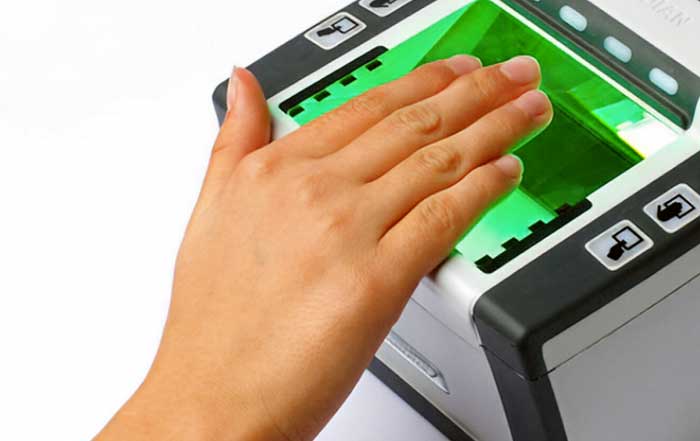
Traditional travel security has been built on physical documents: passports, visas, boarding passes, and identity cards. These documents can be forged, stolen, or misused, and manual inspection is slow and prone to human error. Biometric systems, by contrast, rely on characteristics such as facial geometry, fingerprints, iris patterns, or voice signatures that are far more difficult to duplicate, and when combined with strong cryptography and secure databases, they provide a higher level of assurance that the person presenting themselves is the legitimate holder of the travel credential.
Around the world, border agencies have been modernizing their processes to integrate biometrics into core operations. In the United States, U.S. Customs and Border Protection (CBP) has deployed facial recognition solutions for both entry and exit at many major airports; interested readers can explore how these programs are structured by visiting the official CBP portal at cbp.gov. In the European Union, the new Entry/Exit System is gradually coming online, capturing facial and fingerprint data for travelers from non-EU countries entering the Schengen Area, and this system is expected to significantly change how non-European travelers experience border checks in France, Germany, Spain, Italy, the Netherlands, and other member states.
Biometrics also play a crucial role in strengthening aviation security beyond border control. Airlines and airports are increasingly integrating biometric identity verification into check-in, baggage drop, security screening, and boarding. This "known traveler" approach is aligned with guidance from organizations such as the International Air Transport Association (IATA), which provides detailed overviews of digital identity in travel at iata.org, and the International Civil Aviation Organization (ICAO), which sets global standards for machine-readable travel documents and biometric passports at icao.int. As these standards mature, interoperability between systems in the United States, the United Kingdom, Singapore, and other major hubs is steadily improving, which is critical for a seamless global journey.
For readers of WorldWeTravel.com who are planning complex itineraries across multiple continents, this shift from document-based to biometric-based identity means that security checks are becoming more consistent and, when properly implemented, more reliable, reducing the risk of identity fraud, impostor attacks, and document tampering across the international travel ecosystem.
Transforming the Passenger Journey from Curb to Gate
The most visible impact of biometrics for travelers is the transformation of the end-to-end journey through airports. Long lines at check-in desks, security checkpoints, and boarding gates have historically been a major source of stress for families with children, older travelers, and business passengers on tight schedules. By 2026, many leading airports in North America, Europe, Asia, and the Middle East have implemented biometric "single-token" journeys in which a traveler's face effectively becomes their boarding pass.
At airports like Singapore Changi, Amsterdam Schiphol, London Heathrow, Frankfurt, Dubai International, and key hubs in the United States and Canada, passengers who enroll in biometric programs can check in online, arrive at the airport, and move through bag drop, security, and boarding via automated gates that verify their identity through facial recognition, matching their live image with the biometric template linked to their passport and flight record. Organizations like Airports Council International (ACI) regularly highlight these innovations and their impact on capacity and service levels; more details can be found at aci.aero.
For frequent business travelers, this shift is particularly significant. Time saved at each stage of the journey accumulates across dozens of trips per year, improving productivity and reducing travel fatigue. Families benefit from smoother flows that minimize queuing with children, strollers, and luggage. Travelers with reduced mobility gain more predictable and often more dignified experiences when they can move at their own pace through automated gates rather than waiting for manual checks. Readers can explore broader travel process optimizations and practical advice on the WorldWeTravel.com travel hub at worldwetravel.com/travel.html.
Beyond the airport, biometric technologies are beginning to influence how travelers interact with ground transportation, car rentals, and even hotel check-in. Some hotel groups in the United States, Europe, and Asia are piloting facial recognition or fingerprint-based room access, enabling guests to bypass the front desk entirely in favor of mobile and biometric authentication. For those researching accommodation trends and innovations, the WorldWeTravel.com hotels section at worldwetravel.com/hotels.html provides additional context on how properties worldwide are adapting to the new digital identity landscape.
Global Adoption: Regional Leaders and Emerging Standards
By 2026, adoption of biometric travel solutions is uneven but accelerating, with clear regional leaders and a growing convergence around international standards. In North America, the United States and Canada have invested heavily in modernizing border controls and airport processes, building on long-standing trusted traveler programs such as Global Entry, NEXUS, and TSA PreCheck, which increasingly incorporate biometric verification. Prospective participants can review program details and eligibility criteria via resources such as dhs.gov and the Transportation Security Administration portal at tsa.gov.
In Europe, the rollout of the Entry/Exit System and the forthcoming European Travel Information and Authorisation System (ETIAS) are reshaping how visitors from the United Kingdom, the United States, Canada, Australia, and other visa-exempt countries enter the Schengen Area. These initiatives are coordinated by eu-LISA, the EU agency managing large-scale IT systems for security and justice, and are closely aligned with the EU's broader digital strategy, which can be explored at europa.eu. For travelers planning multi-country itineraries across France, Italy, Spain, Germany, the Netherlands, or the Nordic countries, understanding these systems is now an essential part of trip preparation.
In Asia, countries such as Singapore, Japan, South Korea, and Thailand are using biometrics not only as a security tool but also as a pillar of their "smart nation" and digital economy strategies. Singapore's Immigration & Checkpoints Authority and Changi Airport, for instance, have become reference points for integrated biometric travel experiences, while Japan's Narita and Haneda airports are steadily expanding facial recognition boarding. Those interested in how technology is driving transformation across Asian travel ecosystems can explore additional analysis on the WorldWeTravel.com technology hub at worldwetravel.com/technology.html.
In the Middle East and parts of Africa, hubs such as Dubai, Abu Dhabi, Doha, and Johannesburg are investing in biometric corridors and digital identity infrastructures to support their roles as global connectors between Europe, Asia, and the Americas. In South America, Brazil is moving forward with biometric border and airport modernization, while in Africa, countries such as South Africa and Kenya are exploring biometric solutions both for travel and for broader identity systems. For a macroeconomic perspective on how these investments influence tourism receipts, employment, and productivity, readers can consult the World Travel & Tourism Council (WTTC) at wttc.org and complement that with global economic insights from the World Bank at worldbank.org.
Privacy, Ethics, and Trust: The Core of Biometric Acceptance
Despite the operational and security benefits, biometric travel systems raise fundamental questions about privacy, ethics, and trust. Travelers increasingly understand that their biometric data-faces, fingerprints, iris scans-are among the most sensitive categories of personal information, and they are right to ask who controls this data, how long it is stored, how it is protected, and whether it might be used for purposes beyond travel, such as surveillance or commercial profiling.
In Europe, the General Data Protection Regulation (GDPR) sets one of the strictest frameworks for biometric data processing, requiring clear legal bases, data minimization, purpose limitation, and strong security controls. The European Data Protection Board and national authorities such as the UK Information Commissioner's Office (ICO), accessible at ico.org.uk, regularly issue guidance on biometric deployments, emphasizing transparency and accountability. In other major markets, including the United States, Canada, Australia, and Singapore, regulators are updating privacy laws and sectoral rules to address biometric-specific risks, often drawing on best practices shared by organizations such as the OECD at oecd.org.
For biometric travel systems to be trusted, passengers must feel that they retain meaningful control and that participation is genuinely voluntary where possible. Opt-in models, clear consent processes, visible explanations at airports, and easy mechanisms to request deletion of biometric templates are increasingly seen as essential. Ethical considerations also extend to algorithmic fairness and accuracy across different demographics. Studies by research bodies and civil society organizations, such as the Electronic Frontier Foundation (EFF) at eff.org, have highlighted the potential for bias in facial recognition systems that perform less accurately on certain ethnicities, age groups, or genders. Leading airports, airlines, and technology providers are therefore under pressure to test systems rigorously, publish performance metrics, and commit to continuous improvement.
For readers of WorldWeTravel.com, especially business leaders responsible for corporate travel policies or family travelers concerned about their children's data, it is prudent to stay informed about rights and obligations in different jurisdictions. Additional practical guidance on balancing convenience and privacy, as well as tips on managing digital identity while abroad, can be found on the WorldWeTravel.com tips section at worldwetravel.com/tips.html.
Implementation Challenges: Cost, Complexity, and Interoperability
Deploying biometric solutions across the global travel ecosystem is a complex undertaking that goes far beyond installing cameras or fingerprint readers. Airports and border agencies must invest in robust backend systems, secure networks, reliable databases, and integration with airline reservation and departure control systems. Smaller airports in regional areas of the United States, Canada, Germany, or Brazil, as well as facilities in developing economies, often face significant financial and technical barriers to adopting the latest biometric technologies at scale.
Interoperability is another major challenge. Different governments, airlines, and airport operators may select different vendors and standards, leading to fragmentation. The work of organizations such as ICAO, IATA, and ACI in promoting common specifications for biometric passports, digital travel credentials, and identity management frameworks is therefore critical. Detailed information about emerging digital travel credentials can be found through ICAO's public resources at icao.int, which outline how electronic passports and future digital identity wallets can be securely linked to biometric data.
Cybersecurity is an equally important concern. Biometric databases are high-value targets for cybercriminals, and a breach can have long-lasting consequences given that biometric traits cannot be changed like passwords. Governments and private operators must implement strong encryption, strict access controls, continuous monitoring, and incident response capabilities. Guidance from agencies such as the U.S. Cybersecurity and Infrastructure Security Agency (CISA), available at cisa.gov, and from international bodies like ENISA in Europe, supports organizations in building resilient infrastructures.
For corporate travel managers and executives reading WorldWeTravel.com, these implementation challenges translate into practical questions about which airports and carriers to prioritize for high-volume routes, how to brief employees on new biometric processes, and how to factor digital identity considerations into global mobility strategies. The WorldWeTravel.com business section at worldwetravel.com/business.html offers a broader view of how these technology shifts intersect with corporate travel, risk management, and productivity.
Health, Hygiene, and the Post-Pandemic Travel Mindset
The COVID-19 pandemic fundamentally altered traveler expectations around health, hygiene, and contactless services. Even as the acute crisis has passed, many passengers in 2026 still prefer minimal physical contact with surfaces and staff during their journeys. Biometric systems-particularly facial recognition and contactless iris recognition-align well with this preference, enabling touch-free identity checks that reduce the need to hand over documents or interact closely with staff.
Public health organizations such as the World Health Organization (WHO), accessible at who.int, have emphasized the importance of resilient health systems and risk mitigation in travel and tourism, and many governments have interpreted this guidance as a mandate to modernize border infrastructure. Combined with digital health credentials, which were widely piloted during the pandemic, biometrics can help verify not only identity but also compliance with health entry requirements when such measures are in place.
For travelers planning wellness retreats, medical tourism, or extended stays focused on health and rejuvenation, the combination of biometrics and digital health records may streamline cross-border movement and access to services, provided privacy is respected. The WorldWeTravel.com health section at worldwetravel.com/health.html and retreat section at worldwetravel.com/retreat.html offer additional perspectives on how health-centric travel is evolving in this new environment.
Biometrics, Culture, and the Human Side of Global Mobility
While biometric systems are primarily discussed in technical or security terms, they also intersect with cultural attitudes toward identity, surveillance, and technology. Acceptance levels vary widely between societies; for example, travelers in countries with strong digital government services, such as the Nordic states, Singapore, and Estonia, often show higher trust in state-managed digital identity systems, whereas in some other regions there is greater skepticism about government data collection.
For the global community that follows WorldWeTravel.com, this means that experiences with biometric systems may differ significantly between destinations. A traveler might encounter fully automated biometric corridors in Singapore or the United Arab Emirates, partially automated gates in the United Kingdom or Germany, and mostly manual processes in parts of Africa or South America. Understanding these differences helps set expectations and can reduce anxiety, especially for family travelers or older passengers who may be less familiar with advanced technologies. Those interested in the broader cultural dimensions of travel and technology can explore the WorldWeTravel.com culture hub at worldwetravel.com/culture.html.
Biometrics also raise questions about inclusivity. Systems must be designed to accommodate people with disabilities, those who wear religious coverings, or individuals whose physical features may not be easily captured by standard sensors. Leading airports and technology providers are increasingly working with advocacy groups and accessibility experts to ensure that biometric processes do not exclude or disadvantage any group. This focus on inclusivity is essential for maintaining the trust and legitimacy of biometric travel systems across diverse global populations.
Sustainability, Economy, and the Future of Work in Travel
From an economic and operational perspective, biometrics are closely linked to efficiency and sustainability. By accelerating passenger throughput, airports can handle higher volumes without proportionally expanding physical infrastructure, which can help reduce environmental impacts associated with large-scale construction. More efficient operations also contribute to lower energy use and better resource allocation. Those interested in the intersection of technology, travel, and sustainability can learn more about sustainable business practices through resources from the United Nations Environment Programme (UNEP) at unep.org, and can complement that with eco-travel perspectives on the WorldWeTravel.com eco section at worldwetravel.com/eco.html.
At the same time, the deployment of biometric systems is reshaping jobs and skills in the travel sector. Manual document checks are gradually giving way to roles that require digital literacy, system oversight, and customer support for automated processes. For professionals working in travel, hospitality, and aviation, this means continuous upskilling and adaptation to new tools and workflows. The World Economic Forum (WEF), accessible at weforum.org, regularly analyzes how automation and digital identity affect the future of work, including in tourism and transportation. Readers exploring career paths or workforce strategies in this evolving landscape can find complementary insights on the WorldWeTravel.com work section at worldwetravel.com/work.html.
On a macroeconomic level, the smoother and more secure movement of people facilitated by biometrics supports tourism growth, international business travel, and global trade. This, in turn, influences GDP, employment, and regional development in key markets such as the United States, the United Kingdom, Germany, Canada, Australia, Japan, Singapore, and emerging destinations in Africa and South America. For a deeper understanding of how travel and tourism contribute to national economies, readers may consult data from the Organisation for Economic Co-operation and Development (OECD) at oecd.org/tourism and complement this with global perspectives on WorldWeTravel.com at worldwetravel.com/global.html and worldwetravel.com/economy.html.
Looking Ahead: The Next Phase of Biometric Travel in 2026 and Beyond
As of 2026, biometric technologies in travel are moving into a new phase characterized by deeper integration, more sophisticated analytics, and closer alignment with digital identity ecosystems beyond aviation. Contactless biometrics using advanced cameras, infrared sensors, and AI-powered image analysis are becoming more accurate and resilient, even in challenging lighting or crowded conditions. Machine learning models are continuously trained on vast datasets to reduce false matches and improve performance across diverse populations, while also detecting suspicious behavior or anomalies that might indicate fraud or security threats.
One of the most promising developments is the concept of decentralized digital identity, in which biometric credentials are stored and controlled by the traveler, often in a secure digital wallet on their smartphone, rather than in centralized databases. Blockchain-based approaches are being explored to ensure that identity assertions can be verified without exposing raw biometric data, enhancing privacy while maintaining strong security. These ideas are being discussed among governments, standards bodies, and technology firms, and resources such as the ID2020 Alliance, available at id2020.org, provide insight into how digital identity and human rights considerations intersect.
For the global audience of WorldWeTravel.com, the evolution of biometric travel security means that future journeys are likely to be more seamless, more personalized, and, if implemented responsibly, more secure. However, it also means that travelers must remain informed and proactive about their digital identities, understanding enrollment processes, consent options, and data rights in each country they visit. Businesses must adapt corporate travel policies to reflect new realities, and families must educate younger travelers about how their biometric data is used and protected.
In this rapidly changing environment, WorldWeTravel.com is committed to providing clear, practical, and globally relevant guidance-whether the focus is a family holiday in Spain, a business trip from New York to Singapore, a cultural tour through Italy and France, or an eco-retreat in New Zealand or South Africa. By following developments in biometrics, digital identity, and travel security, and by drawing on trusted external resources alongside internal analysis, the platform aims to support travelers and decision-makers in navigating a world where identity is increasingly digital, journeys are increasingly automated, and the balance between security, convenience, and privacy is more important than ever.
Ultimately, biometrics are not simply a technological upgrade; they are part of a fundamental redefinition of how people move, work, and connect across borders. The organizations and travelers who engage thoughtfully with this transformation-understanding both its opportunities and its risks-will be best positioned to thrive in the next era of global mobility.