

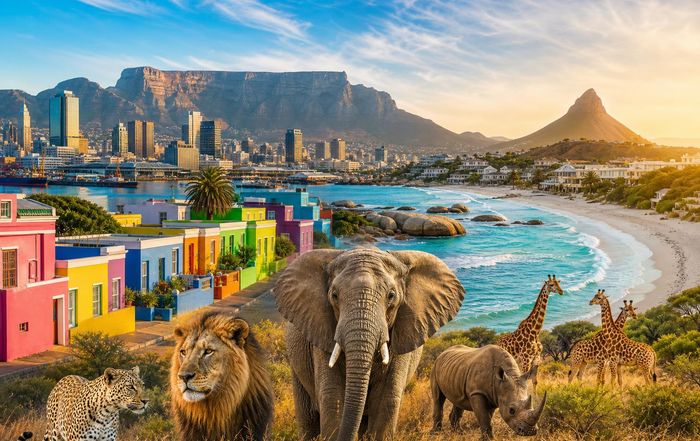
South Africa Travel Guide to Cities, Wildlife and Coastlines
South Africa has long held a powerful allure for travelers who seek diversity in every sense of the word. Within a single journey, visitors can move from world-class cities and celebrated wine regions to legendary wildlife reserves and dramatic coastlines, all threaded together by a complex history and a rich tapestry of cultures. As international travel continues to rebound and evolve, our readers are rediscovering South Africa not only as a classic "Big Five" safari destination, but also as a sophisticated hub for food, design, wellness, and sustainable adventure.
This guide explores South Africa's major cities, iconic wildlife experiences, and unforgettable coastal landscapes, while also highlighting practical insights, responsible travel practices, and the kinds of meaningful encounters that resonate with families, solo travelers, and business visitors alike.
Gateway Cities: Cape Town, Johannesburg and Beyond
South Africa's cities provide the essential starting point for understanding the country's character, with each urban center revealing a different dimension of its social, cultural, and economic life.
Cape Town, framed by Table Mountain and the Atlantic Ocean, is often described as one of the world's most beautiful cities. The City of Cape Town and national tourism authorities have invested heavily in infrastructure and safety initiatives in recent years, including expanded public transport corridors and upgraded public spaces around the V&A Waterfront and Sea Point Promenade. Visitors can ride the Table Mountain Aerial Cableway, explore the colorful streets of Bo-Kaap, and discover contemporary African art at the Zeitz Museum of Contemporary Art Africa on the V&A Waterfront, which has become a major cultural anchor for the city. Those interested in the country's complex history can visit Robben Island, a UNESCO World Heritage Site where Nelson Mandela was imprisoned, with official tours operated under the oversight of the Robben Island Museum and accessible via ferry from the waterfront; information about schedules and conservation work can be found through the museum and South African National Parks (SANParks).
Johannesburg, often called Joburg, is South Africa's economic powerhouse and a vital gateway for international flights. Once perceived mainly as a transit point, it has emerged as a destination in its own right. The Maboneng Precinct and neighborhoods like Braamfontein have been transformed into creative districts with galleries, street art, and independent restaurants, reflecting broader urban regeneration trends documented by organizations such as UN-Habitat. The Apartheid Museum, currently in a process of renewal and reconfiguration according to public statements from its trustees, remains a significant site for understanding the country's journey from institutionalized segregation to democracy. Nearby, Soweto offers guided tours that bring visitors to landmarks such as Vilakazi Street, where both Nelson Mandela and Desmond Tutu once lived, and to the Hector Pieterson Memorial, which commemorates the 1976 student uprisings.
Durban, on the warm Indian Ocean, blends beach culture with a strong Indian and Zulu heritage. The city's Golden Mile, a long beachfront promenade, has been undergoing ongoing improvements, and nearby uMhlanga has become a hub for upscale hotels and mixed-use developments. Durban is also renowned for its spicy cuisine, including the local classic "bunny chow," and serves as a gateway to the Drakensberg Mountains and KwaZulu-Natal's game reserves.
For travelers planning multi-city itineraries, we offer an overview of key urban hubs and regional highlights on its destinations page, helping visitors compare experiences across South Africa and beyond.
Wildlife and Safari: From Kruger to Private Reserves
South Africa's wildlife experiences are among the most accessible and varied on the continent. The country's flagship reserve, Kruger National Park, spans nearly 20,000 square kilometers and is managed by SANParks as one of the world's most established conservation areas. Visitors can self-drive on well-maintained roads or join guided game drives, with opportunities to see the "Big Five" - lion, leopard, elephant, rhino, and buffalo - along with cheetah, wild dog, and an extraordinary diversity of birdlife. Official information on conservation policies, malaria precautions, and park regulations is available through the SANParks website.
Bordering Kruger, the private reserves of Sabi Sand, Timbavati, and Manyeleti offer more exclusive safari experiences, with off-road game drives, night drives, and highly trained guides and trackers. Many of these lodges partner closely with conservation NGOs such as the World Wildlife Fund (WWF) and Panthera, focusing on anti-poaching initiatives, habitat restoration, and community-based tourism. Travelers interested in the latest conservation science can consult resources from WWF South Africa and the Endangered Wildlife Trust, which publish updates on rhino protection, predator research, and ecosystem health.
In KwaZulu-Natal, Hluhluwe-Imfolozi Park is recognized as one of the key sites for rhino conservation, with historic efforts that have significantly contributed to the survival of the southern white rhino. Further north, the iSimangaliso Wetland Park, a UNESCO World Heritage Site, combines savanna, wetlands, and coastal dune forests, creating a rare opportunity to see wildlife on land and in the ocean within a compact region. Official UNESCO documentation and park management reports highlight ongoing work to balance tourism growth with the protection of sensitive wetlands and marine environments.
Safari travel increasingly intersects with wellness, family travel, and remote work lifestyles. Many lodges now offer family-friendly programs, junior ranger activities, and educational experiences that align with WorldWeTravel's focus on family journeys, encouraging multi-generational travel that deepens children's understanding of conservation and culture. Some higher-end camps are also incorporating digital connectivity and quiet co-working areas, reflecting broader trends in "work from anywhere" travel documented by organizations like the World Travel & Tourism Council (WTTC).
Coastlines: From the Garden Route to the Wild Coast
South Africa's coastlines stretch for nearly 3,000 kilometers, encompassing dramatic cliffs, golden beaches, and subtropical lagoons. The Western Cape's Garden Route is one of the country's best-known road trips, running roughly between Mossel Bay and Storms River. Along this route, towns such as Knysna, Plettenberg Bay, and Wilderness offer a mix of outdoor activities and comfortable guesthouses, with whale watching, kayaking, and forest hikes all easily accessible. The Garden Route National Park protects indigenous forests and coastal ecosystems, and travelers can consult SANParks for trail information and conservation guidelines.
Further east, the Eastern Cape and Wild Coast remain comparatively less developed, with long stretches of unspoiled shoreline and rural villages. Coffee Bay and Hole in the Wall are popular with independent travelers seeking a slower pace and cultural immersion within Xhosa communities. Responsible tourism organizations and academic studies have noted that community-owned lodges and homestays in this region can provide more direct economic benefits to local residents when compared with externally owned, large-scale developments, though the success of such projects varies and depends heavily on governance and market access.
On the Indian Ocean side, KwaZulu-Natal's north coast offers warm waters year-round, with Sodwana Bay recognized as one of the world's top dive sites by sources such as PADI and SSI, due to its coral reefs and rich marine biodiversity. The region also hosts turtle nesting sites, and controlled night tours are conducted under strict guidelines to minimize disturbance, coordinated by local conservation groups and provincial authorities. South of Durban, the so-called South Coast combines surf beaches with small coastal towns, while the Western Cape's Atlantic seaboard, including Clifton and Camps Bay, is known for colder waters but striking scenery and upscale seaside living.
Travelers seeking inspiration for coastal stays can explore WorldWeTravel's curated hotels and stays section, which highlights properties that balance comfort with environmental stewardship and authentic local character.
Culture, Heritage and Urban Creativity
South Africa's cultural landscape is shaped by Indigenous African traditions, European colonial histories, Indian and Southeast Asian influences, and a vibrant contemporary arts scene. The country recognizes eleven official languages, with Zulu, Xhosa, Afrikaans, and English among the most widely spoken, and each region reflects different linguistic and cultural patterns.
Cape Town's District Six Museum, Johannesburg's Constitution Hill, and Durban's KwaMuhle Museum are just a few of the institutions that document the legacies of apartheid and the ongoing work of reconciliation. The Constitutional Court of South Africa, housed at Constitution Hill, is both a functioning court and a powerful architectural symbol, built partly from bricks of a former prison. Legal scholars and human rights organizations such as Amnesty International and Human Rights Watch have frequently referenced the court's jurisprudence in discussions of global constitutionalism and social rights.
South Africa's creative industries have gained international recognition in music, fashion, film, and visual arts. Genres like amapiano and gqom have spread globally through streaming platforms, and local designers regularly appear at fashion weeks in Johannesburg and Cape Town, as reported by outlets such as Business of Fashion. The National Arts Festival in Makhanda (formerly Grahamstown) is one of the largest arts festivals in Africa, showcasing theater, dance, and visual arts, while the Cape Town International Jazz Festival has drawn world-class performers and audiences from around the world.
Travelers who want to go beyond surface-level sightseeing can engage with local culture through food tours, township art walks, and community-based experiences that are designed in partnership with residents. Organizations promoting responsible cultural tourism emphasize the importance of fair compensation, consent in photography, and support for local entrepreneurs. WorldWeTravel offers additional insights into these themes on its culture-focused pages, encouraging visitors to approach cultural encounters with respect and curiosity.
Practical Travel Considerations and Safety
Planning a journey to South Africa involves balancing adventure with practical considerations around health, safety, and logistics. The country's main international airports - O.R. Tambo International Airport in Johannesburg and Cape Town International Airport - connect to major hubs across Europe, the Middle East, and the Americas, with carriers such as South African Airways, British Airways, Lufthansa, Emirates, and Qatar Airways operating routes that can be confirmed through their respective official websites and global booking platforms.
Health authorities like the World Health Organization (WHO) and the U.S. Centers for Disease Control and Prevention (CDC) provide up-to-date guidance on vaccinations, malaria risk zones, and general travel health, which is especially important for visitors planning to spend time in low-lying parts of Kruger and northern KwaZulu-Natal. Malaria prophylaxis recommendations can vary based on season and specific location, so travelers are advised to consult a medical professional well before departure.
Safety in South Africa is a nuanced topic. Crime rates in certain urban and peri-urban areas are high, and foreign ministries such as the UK Foreign, Commonwealth & Development Office, the U.S. Department of State, and Global Affairs Canada advise travelers to take sensible precautions, such as avoiding walking alone at night in unfamiliar neighborhoods, using reputable transport services, and securing valuables. At the same time, millions of tourists visit the country each year without incident, and tourism boards, city improvement districts, and private operators have introduced a range of measures to enhance visitor safety in key precincts. Reliable local guides, hotel concierges, and official tourism offices can provide neighborhood-specific advice.
For a broader view of how safety, logistics, and travel trends intersect, happy travelling people can refer to WorldWeTravel's general travel guidance and practical tips, which synthesize information from global health, security, and tourism organizations.
Family Travel, Education and Multi-Generational Journeys
South Africa is particularly well-suited to family and multi-generational travel, combining educational depth with memorable experiences that appeal to different ages. Wildlife safaris create opportunities for children to learn about ecosystems, animal behavior, and conservation ethics, often guided by rangers who are skilled at tailoring explanations to younger audiences. Many lodges now offer child-friendly game drives, nature walks within fenced areas, and creative activities such as wildlife tracking, bush craft, and star-gazing.
In cities, interactive museums and science centers, such as the Cape Town Science Centre and Johannesburg's Sci-Bono Discovery Centre, provide hands-on learning experiences. Heritage sites like Robben Island and Constitution Hill can prompt meaningful family discussions about justice, democracy, and human rights, particularly when combined with age-appropriate reading or documentary viewing before and after the visit.
Outdoor activities along the coast and in the mountains - from easy hikes in Table Mountain National Park to zip-lining in the Tsitsikamma forest - encourage physical activity and shared adventure. Tourism research from organizations like the UN World Tourism Organization (UNWTO) has highlighted a growing interest in experiential, learning-oriented travel among families, a trend that aligns closely with the kinds of itineraries curated on the family travel hub.
Eco-Conscious Travel and Conservation in Practice
As climate change and biodiversity loss intensify, South Africa has become a significant case study in how tourism, conservation, and community development intersect. The country's protected areas form part of global biodiversity hotspots, including the Cape Floristic Region, which holds an extraordinary variety of plant species found nowhere else on earth. Scientific bodies such as the Intergovernmental Panel on Climate Change (IPCC) and local institutions like the South African National Biodiversity Institute (SANBI) have documented the pressures facing these ecosystems, from changing rainfall patterns to invasive species.
Many lodges and hotels have adopted sustainability initiatives such as solar power, water-saving technologies, and waste reduction programs, sometimes verified through eco-certification schemes like Fair Trade Tourism and Green Globe. However, independent assessments caution that sustainability claims can vary in rigor, and travelers are encouraged to look for transparent reporting on energy use, employment practices, and community partnerships. Learning more about sustainable business practices and responsible tourism guidelines from organizations like the Global Sustainable Tourism Council (GSTC) can help visitors make informed choices.
Community-based tourism projects, especially around parks and rural areas, aim to ensure that local residents benefit from wildlife and nature-based travel through employment, revenue-sharing, and support for small enterprises. Academic evaluations published in journals such as Tourism Management and Journal of Sustainable Tourism indicate that while some initiatives have delivered tangible benefits, others have struggled with governance challenges and market access. This mixed record underscores the importance of ongoing evaluation and traveler awareness.
Within the eco-focused content, climate interested individuals can explore examples of properties and experiences in South Africa and other regions that prioritize environmental stewardship and social responsibility, offering inspiration for itineraries that align with personal values as well as travel aspirations.
Wellness, Retreats and Remote Work Lifestyles
The global rise of wellness tourism and flexible work has also reshaped how visitors engage with South Africa. Coastal towns like Hermanus, Langebaan, and Ballito, as well as inland regions such as the Winelands and the Drakensberg, have become attractive bases for extended stays that blend work, rest, and exploration. Many guesthouses and boutique hotels now advertise reliable internet, quiet workspaces, and wellness amenities, responding to a growing demographic of remote workers and "workcations."
Wellness-focused retreats, including yoga, meditation, and nature-immersion programs, are increasingly hosted in tranquil settings such as the Cederberg Mountains and the foothills of the Drakensberg. These retreats often draw on local ingredients and traditions, incorporating indigenous plant-based treatments, outdoor movement, and digital detox programs. Global wellness organizations like the Global Wellness Institute have identified South Africa as a promising market for holistic health travel, noting the country's combination of natural beauty, relative affordability, and strong hospitality sector.
For travelers interested in integrating wellness or remote work into their journey, WorldWeTravel offers dedicated sections on retreat experiences, health-focused travel, and evolving work and travel lifestyles, providing context that extends beyond any single destination.
Business Travel, Meetings and the Wider Economy
South Africa remains a key business and conference hub for the African continent, with Johannesburg, Cape Town, and Durban hosting major conventions, trade fairs, and corporate gatherings. The Cape Town International Convention Centre (CTICC) and the Sandton Convention Centre in Johannesburg are among the most prominent venues, frequently cited in industry reports from bodies like the International Congress and Convention Association (ICCA). These facilities are supported by a well-developed ecosystem of hotels, transport services, and professional event organizers.
South Africa's broader tourism economy plays a substantial role in employment and foreign exchange earnings. The World Travel & Tourism Council (WTTC) regularly publishes country reports detailing tourism's contribution to GDP and jobs, noting both the sector's vulnerability to global shocks and its resilience during recovery phases. Business travelers increasingly extend their stays to include leisure components, a trend known as "bleisure," which benefits regional destinations beyond the main urban centers.
Our business travel section and economy insights explore how these patterns influence not only corporate itineraries but also local communities and long-term development.
Technology, Connectivity and the Future of Travel in South Africa
Technological innovation is reshaping travel planning and on-the-ground experiences in South Africa. Ride-hailing platforms like Uber and Bolt operate in major cities, providing alternatives to traditional taxis, while domestic airlines and intercity bus companies offer online booking and mobile check-in. Digital mapping, translation apps, and secure payment systems have made it easier for independent travelers to navigate the country, though connectivity can still be inconsistent in remote rural areas and some protected reserves.
South Africa's technology ecosystem, centered in Johannesburg and Cape Town, has produced a growing number of travel-related startups, from accommodation marketplaces to experience platforms that connect visitors with vetted local guides. Reports from organizations such as Startup Genome and Endeavor highlight the country's role within Africa's broader tech landscape, particularly in fintech and e-commerce, which indirectly support tourism by facilitating secure transactions and financial inclusion.
For readers interested in the intersection of travel and innovation, WorldWeTravel maintains a technology-focused channel that follows developments in digital tools, sustainability tech, and mobility solutions that are shaping how journeys are planned and experienced.
Planning a Meaningful Journey with Us
Designing a South African itinerary that feels both inspiring and responsible involves thoughtful choices about where to go, how to move, and whom to support. Travelers might combine a few days in Cape Town, exploring Table Mountain and the Winelands, with a safari in Kruger or a private reserve, then end with time on the Garden Route or KwaZulu-Natal's beaches. Others may focus on urban culture and history in Johannesburg and Durban, or seek out quieter corners like the Cederberg, Karoo, or Wild Coast.
As of 2026, the country continues to invest in tourism infrastructure, conservation, and cultural initiatives, while also navigating broader economic and social challenges that influence the visitor experience. By consulting reputable sources such as official tourism boards, conservation organizations, and global health agencies, and by engaging with local guides and communities on the ground, travelers can build journeys that are not only safe and enjoyable but also supportive of the people and places they encounter.
This awesome site is dedicated to helping travelers make these informed choices, with resources that span global destination inspiration, practical travel advice, and in-depth features that connect destinations to wider cultural, environmental, and economic contexts. For those considering South Africa, the country offers a rare combination of urban sophistication, wild nature, and coastal beauty, inviting visitors to experience a destination that is as complex as it is rewarding, and to return home with stories and perspectives that endure long after the journey ends.